Oct, 9 2025, 0 Comments
Ideal Urad Dal to Rice Ratio for Perfect Dosa, Idli & More
Learn the perfect urad dal to rice ratio for dosa, idli, and other batters, with step‑by‑step instructions, tips, and troubleshooting for flawless results.
Read MoreWhen you think of urad dal, a small, black lentil that becomes creamy when cooked and is essential in Indian cooking for both savory dishes and fermented batters. Also known as black gram, it's the secret behind fluffy dosas, rich dal makhani, and crispy vadas. It’s not just a bean—it’s the backbone of breakfasts, snacks, and comfort meals across India.
What most people get wrong is treating urad dal like any other lentil. You can’t just throw it in a pot and expect it to turn soft. It needs soaking—usually 4 to 6 hours, sometimes overnight—to break down its dense outer layer. Skip this, and you’ll end up with chewy, undercooked bits even after hours of boiling. And if you’re making dosa batter, skipping the soak means your batter won’t ferment right. No bubbles, no fluff, no crispy edges. It’s science, not guesswork.
Then there’s the cooking method. Unlike toor dal or moong dal, urad dal needs gentle heat and patience. Boiling it hard turns it mushy and bland. Simmering it slowly with a pinch of salt and a bit of oil keeps it intact and lets it absorb spices. Add a piece of asafoetida or a dried red chili while cooking—it deepens the flavor without overpowering. And if you’re making dal makhani, the real trick isn’t the cream or butter—it’s the slow simmer after pressure cooking. Let it bubble low and slow for 30 minutes, and you’ll taste the difference.
Urad dal also plays a role in snacks you didn’t even know used it. Vadas? Made from ground urad dal. Medu vada? That’s 100% urad dal batter. Even some chutneys use roasted urad dal for thickness and protein. It’s everywhere—in your morning dosa, your evening snack, your weekend curry.
And here’s the thing: it’s not just about taste. Urad dal is packed with protein, fiber, and iron. It’s the go-to legume for vegetarians who need a hearty, filling option without meat. But if you’re cooking it wrong, you’re missing out on both nutrition and texture.
What you’ll find in the posts below isn’t just recipes. It’s the real talk from Indian kitchens—how much baking soda to use in dosa batter (hint: it’s not the same as for bread), why some people add rice flour to urad dal for crispiness, and how to fix soggy vadas. You’ll learn why soaking time changes with the season, how pressure cooking affects texture, and what spices actually work with urad dal (spoiler: cumin and garlic are better than turmeric alone).
Whether you’re making a simple dal or fermenting batter for the first time, these posts cut through the noise. No fluff. No guesswork. Just what works—in your kitchen, with your stove, in your time.
Oct, 9 2025, 0 Comments
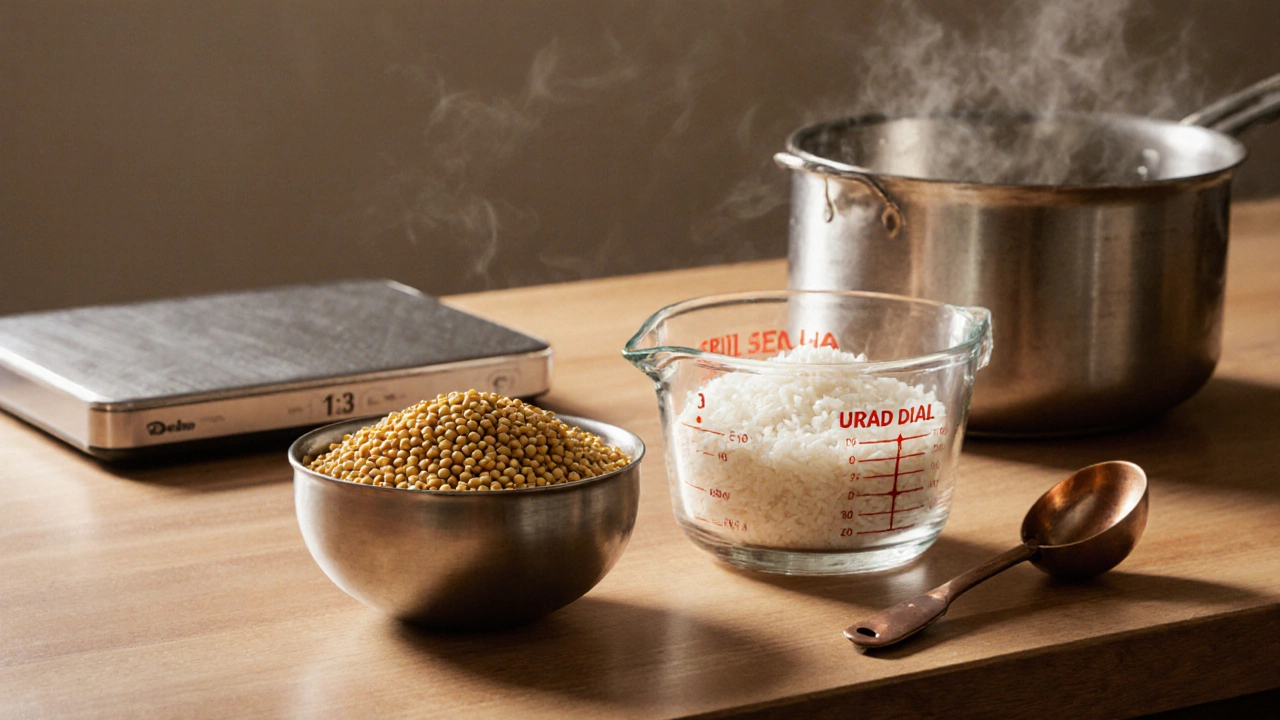
Learn the perfect urad dal to rice ratio for dosa, idli, and other batters, with step‑by‑step instructions, tips, and troubleshooting for flawless results.
Read More