What Vegetarians Avoid in India
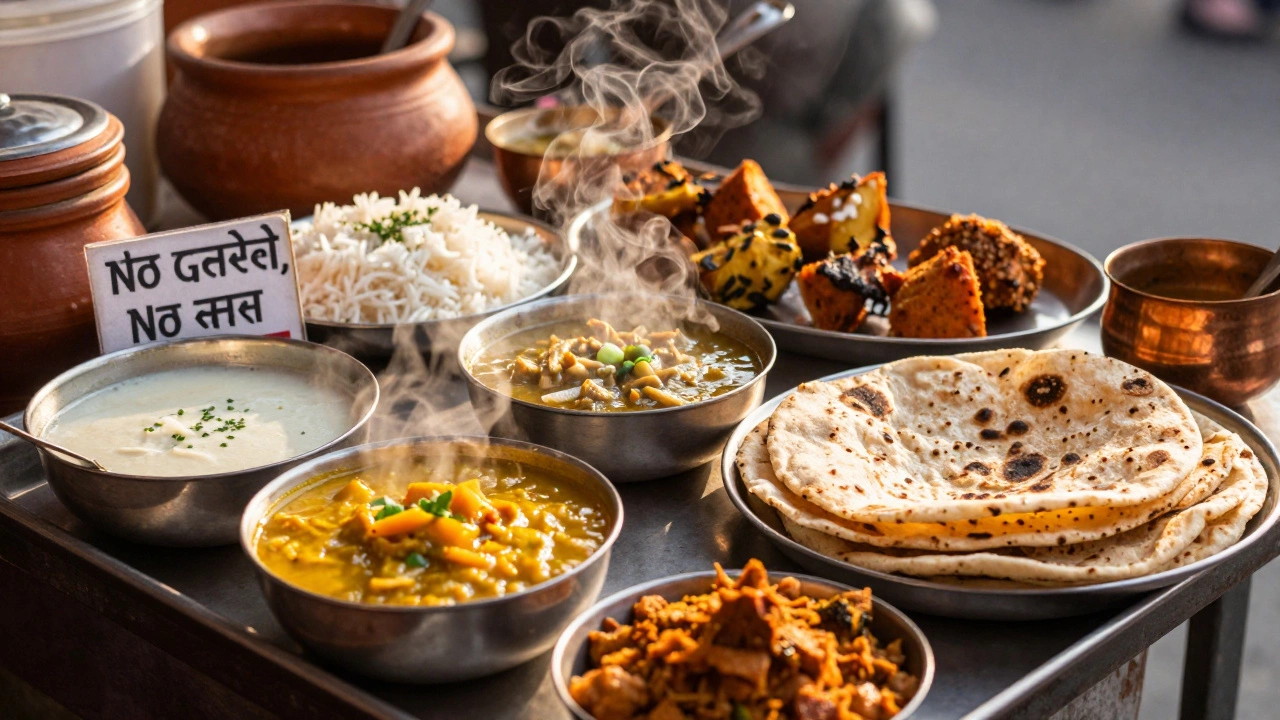
When people talk about vegetarianism in India, they often think it’s just about skipping meat. But vegetarianism in India, a deeply rooted cultural and religious practice that goes far beyond diet, often excludes eggs, certain root vegetables, and even some dairy products depending on tradition. Also known as lacto-vegetarianism, this style of eating is shaped by centuries of spiritual beliefs, regional customs, and family habits—not just personal preference. It’s not just what’s on the plate—it’s what’s avoided, and why.
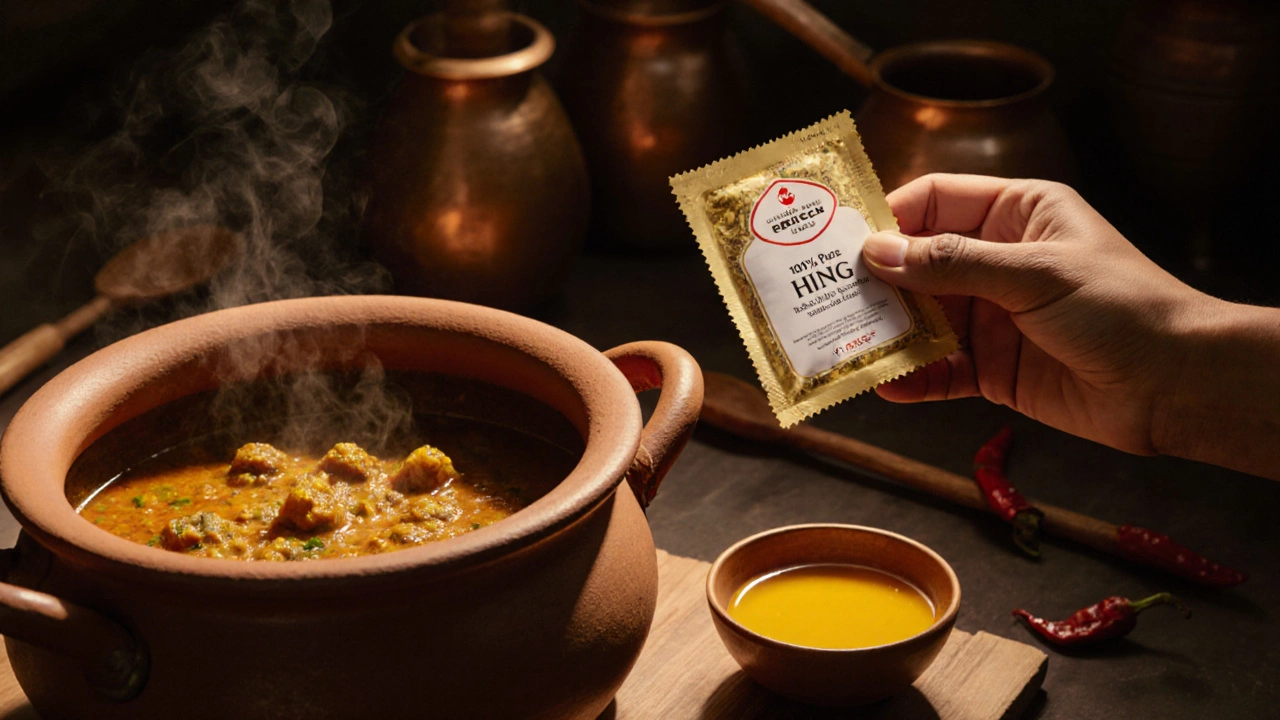
Many Indian vegetarians avoid eggs, even though they’re not meat, because they’re seen as a potential life form in many Hindu, Jain, and some Sikh communities. This isn’t a universal rule, but it’s common enough that if you’re cooking for someone who follows strict vegetarianism, assuming eggs are okay can cause real offense. Then there’s ghee, clarified butter made from cow’s milk, which is widely used in Indian cooking and considered pure in religious rituals. While most vegetarians eat ghee, strict Jains and some orthodox Hindus avoid it because it involves the exploitation of cows, even if no animal is killed. This isn’t about being vegan—it’s about minimizing harm in every step of production. Even onions and garlic, common flavor bases in Indian curries and chutneys, are avoided by some groups, especially Jains and certain Brahmin communities, because they’re believed to stimulate passion and aggression. You’ll find entire meals in South India and Gujarat made without them, using asafoetida instead for depth.
And it’s not just about food—these rules affect how meals are prepared. In many homes, separate cooking pots are used for vegetarian and non-vegetarian meals. Some families won’t even use the same spoon to stir both. That’s why when you see a pizza with paneer and tomato sauce labeled "vegetarian" on a menu in India, it’s likely safe—but if it’s topped with cheese made from animal rennet or baked in the same oven as meat pizzas, some vegetarians will still say no.
Understanding what vegetarians avoid in India helps you cook better, order smarter, and respect local customs. Whether you’re making a paneer pizza at home or dining out in Delhi, knowing these unspoken rules means you won’t accidentally serve something that breaks someone’s values. The posts below dive into exactly this: what Indian vegetarians eat, what they skip, and how to build flavorful, authentic meals around those boundaries—without ever needing meat.