The King of Indian Desserts: Why Gulab Jamun Reigns Supreme
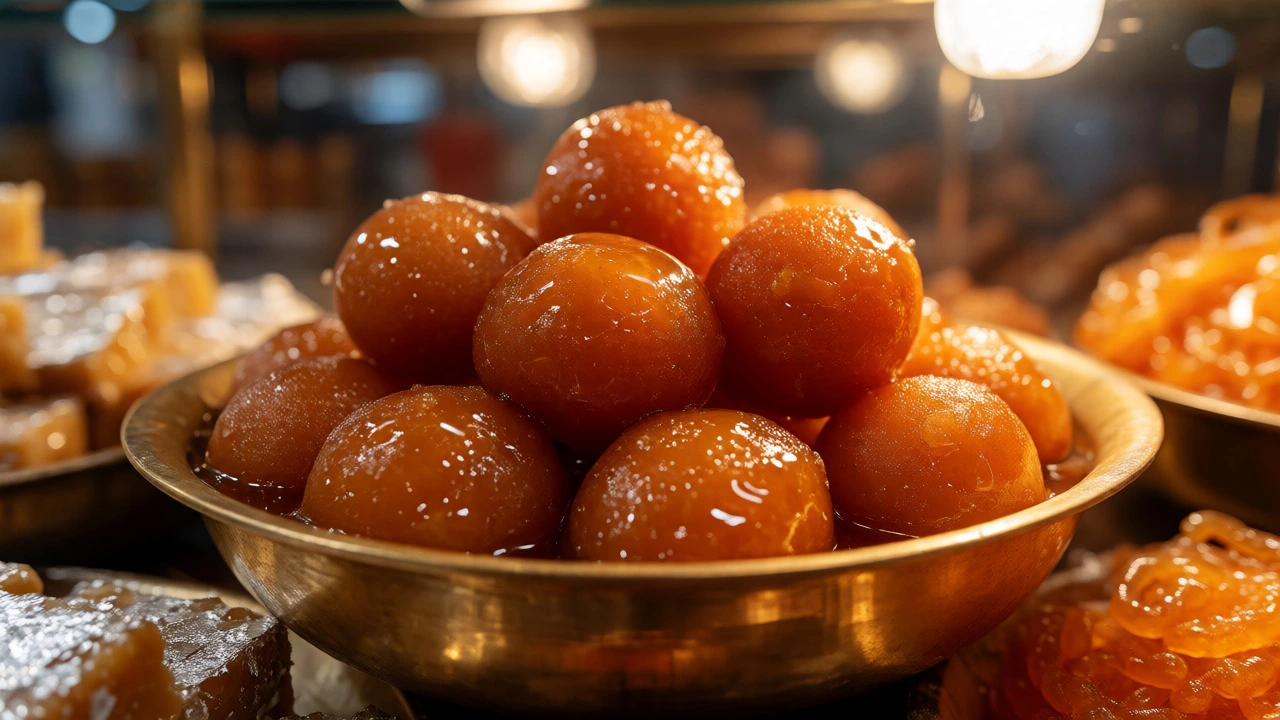 Oct, 27 2026
Indian Mithai Matchmaker
Can't decide what to eat? Answer three simple questions, and we'll recommend the best Indian sweet for you.
Your Recommendation:
--
--
Ask ten Indians to name the ultimate sweet, and you will likely get ten different answers. Some might shout Gulab Jamun. Others might argue for the creamy richness of Rasgulla or the festive crunch of Jalebi. But if you look at sales data, wedding menus, and festival tables across the subcontinent, one candidate consistently rises to the top. It is soft, golden, soaked in rose-scented syrup, and it has been the centerpiece of celebrations for centuries.
This article breaks down why Gulab Jamun is widely considered the king of Indian desserts, how it compares to other heavyweights like Barfi and Kheer, and what makes it so culturally significant. We are not just talking about taste here; we are looking at history, texture, and the sheer ubiquity that defines true royalty in the world of Mithai.
The Case for the Throne: Why Gulab Jamun Wins
To understand why Gulab Jamun holds the crown, you have to look beyond the recipe. You need to look at its presence. Walk into any sweet shop in Delhi, Mumbai, Kolkata, or Chennai, and you will see it front and center. It is the default gift when visiting a relative. It is the mandatory item on every wedding buffet. This ubiquity is the first attribute of a "king"-it rules by being everywhere.
Gulab Jamun is a fried dough ball made primarily from khoya (dried milk solids), flour, and baking soda, which is then soaked in a sugar syrup flavored with cardamom and rose water. The magic lies in the contrast. The exterior gets slightly crisp during frying, but once it hits the syrup, it becomes incredibly soft and moist. When you bite into a well-made Gulab Jamun, it bursts with sweetness and fragrance. That sensory experience is hard to beat.
Compare this to other contenders. Kaju Katli is elegant but dry. Ladoo is festive but often too dense for everyday consumption. Gulab Jamun strikes the perfect balance between indulgence and accessibility. It is rich enough for Diwali but simple enough for a Tuesday afternoon tea.
Historical Roots and Cultural Weight
You cannot claim the title of "King" without a lineage. Gulab Jamun’s history traces back to the Mughal era. The name itself gives away its Persian roots. "Gulab" means rosewater, and "Jamun" refers to the size and shape resembling the Indian black plum. During the reign of Shah Jahan, court cooks experimented with milk-based confections, leading to the creation of dishes that combined dairy richness with aromatic syrups.
This historical pedigree adds to its authority. While many regional sweets are hyper-local-think Sandesh in Bengal or Mysore Pak in Karnataka-Gulab Jamun traveled. It crossed state lines and borders, adapting to local tastes while keeping its core identity. In North India, it is served hot. In some southern variations, it might be cooler, but the soul remains the same. This adaptability allowed it to become a pan-Indian phenomenon rather than a regional specialty.
Festivals cement this status. During Diwali, the Festival of Lights, no household exchanges gifts without a box containing Gulab Jamun. It symbolizes prosperity and sweetness in life. If you show up to a Hindu wedding without bringing sweets, specifically this type, you might face some social judgment. That cultural weight is something few other desserts possess.
The Challengers: A Comparison Table
Is there really no competition? Of course there is. To prove Gulab Jamun’s superiority, we need to stack it against its rivals. Here is how the major players compare in terms of popularity, preparation difficulty, and crowd appeal.
| Dish Name | Main Ingredient | Texture Profile | Cultural Status | Preparation Time |
|---|---|---|---|---|
| Gulab Jamun | Khoya/Milk Solids | Soft, Soggy, Syrupy | Pan-Indian Staple | Moderate (1 hour) |
| Rasgulla | Chhana (Curdled Milk) | Spongy, Light | Eastern India Icon | High (Boiling required) |
| Jalebi | Maida Flour | Crispy, Crunchy | Street Food Favorite | Low (Frying only) |
| Kaju Katli | Cashews | Firm, Smooth | Premium Gift Item | Low (Mixing & Setting) |
| Kheer | Rice & Milk | Creamy, Pudding-like | Festival Ritual | High (Slow Cooking) |
Look at the table. Rasgulla is a strong contender, especially in West Bengal and Odisha, where it is arguably the king. However, outside those regions, its spongy texture doesn't always translate as universally as the dense comfort of Gulab Jamun. Jalebi is beloved, but it is best eaten fresh and hot, making it less suitable for gifting or long banquets. Kaju Katli is fancy, but it lacks the emotional warmth of a warm, syrup-soaked dumpling. Kheer is more of a ritual dish than a standalone treat you would pick up casually.
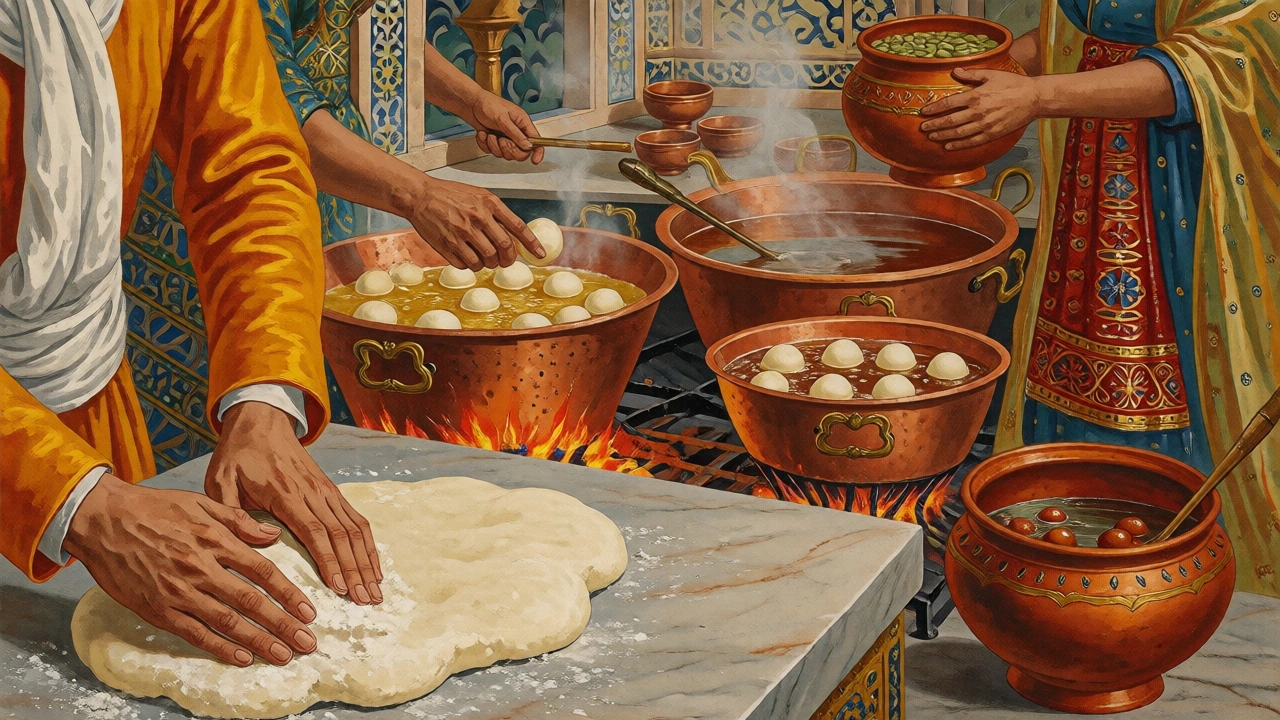
Why Texture Matters More Than Flavor
People often say they love Indian sweets because they are sweet. That is lazy thinking. Sugar is cheap. What people actually crave is the mouthfeel. Gulab Jamun offers a unique textural journey. First, your teeth cut through the thin, caramelized shell. Then, your tongue meets the porous interior that releases the rose-cardamom syrup. Finally, you hit the solid, milky core.
This three-stage experience keeps you eating. Compare this to Barfi, which can feel monotonous after two pieces. Or Laddoo, which requires significant chewing effort. Gulab Jamun melts in the mouth. This ease of consumption makes it dangerous-you never stop at one. It is the reason why hosts keep refilling the bowl. The psychological reward loop is stronger here than in drier sweets.
Regional Variations: One King, Many Crowns
A true king understands his territory. Gulab Jamun adapts. In Punjab, the khoya is richer, leading to a denser, heavier jamun. In Gujarat, they might add a pinch of saffron for color and aroma. In modern fusion cafes, you find Gulab Jamun cheesecake or ice cream sandwiches. These variations don’t diminish the original; they expand its empire.
Consider the difference between homemade and shop-bought. Homemade versions often use fresh milk reduced over hours, resulting in a fresher, lighter taste. Shop-bought versions sometimes use milk powder, which creates a uniform but occasionally artificial flavor. Yet, even the powdered version dominates. This suggests that the concept of Gulab Jamun is stronger than the specific ingredient quality. People want the idea of the sweet as much as the taste.
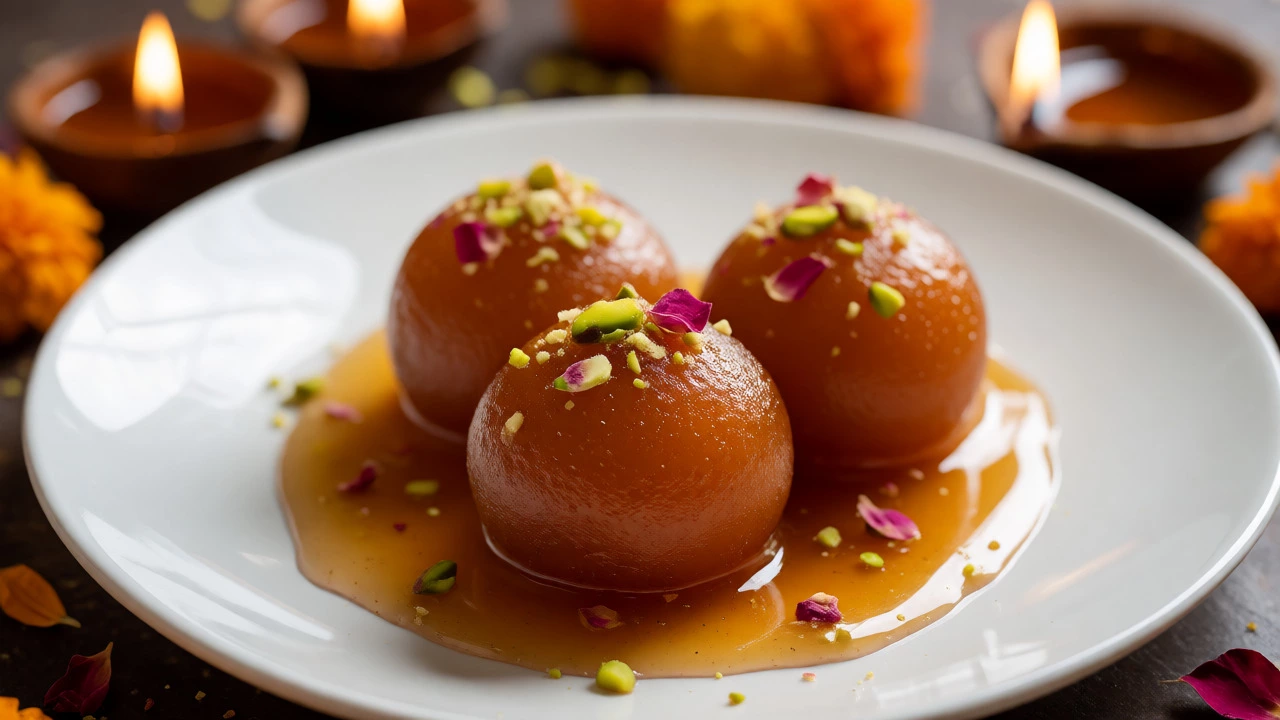
How to Spot a Royal Gulab Jamun
If you are buying them, how do you know you are getting the best? Look for these signs:
- Color: It should be a deep golden brown, not pale yellow or burnt black. Pale means undercooked dough; black means burnt exterior with raw interior.
- Shape: Perfectly round balls indicate skilled hand-rolling. Irregular shapes suggest rushed preparation.
- Syrup Consistency: The syrup should coat the back of a spoon. If it runs off like water, it is too thin. If it sticks like glue, it is too thick.
- Temperature: Traditionally served warm. Cold Gulab Jamun loses its aromatic potency. If a shop serves them cold, ask for a quick reheat.
Making them at home is a badge of honor. It shows effort. The process involves kneading khoya until smooth, forming small balls without cracks (cracks cause them to break in oil), and frying on low heat. Rushing the fry leads to hard shells. Patience yields soft hearts. This labor-intensive aspect adds value. When someone hands you a plate of homemade Gulab Jamun, they are giving you time and care, not just calories.
The Modern Challenge: Health Consciousness
Is the crown slipping? With the rise of health-conscious eating, some argue that Gulab Jamun is too heavy. High fat, high sugar, refined flour-it checks all the boxes for a "guilty pleasure." Younger generations in urban centers are shifting toward fruit-based desserts or dark chocolate.
However, tradition is resilient. Even health-conscious Indians revert to Gulab Jamun during festivals. The exception proves the rule. Furthermore, bakers have adapted. Baked Gulab Jamuns using whole wheat flour and stevia are gaining traction. They aren't replacing the classic yet, but they ensure the legacy survives changing dietary trends. The king changes clothes but keeps the throne.
Final Verdict
So, who is the king? While regional pride dictates local favorites, Gulab Jamun wears the national crown. Its combination of historical prestige, universal availability, addictive texture, and emotional resonance sets it apart. It is the sweet that bridges gaps between north and south, young and old, rich and poor. Next time you eat one, take a moment to appreciate why it sits on top of the heap. It earned its place.
Why is Gulab Jamun called the king of Indian desserts?
Gulab Jamun is considered the king due to its widespread popularity across all regions of India, its central role in festivals and weddings, and its universally appealing taste and texture. Unlike regional specialties, it is recognized and loved nationwide.
What is the main ingredient in Gulab Jamun?
The primary ingredient is Khoya (also known as Mawa), which is dried milk solids. Other key ingredients include all-purpose flour (maida), baking soda, ghee, and sugar syrup flavored with cardamom and rose water.
Is Gulab Jamun healthy?
Traditional Gulab Jamun is high in calories, sugar, and saturated fats due to the milk solids and deep-frying process. It is generally considered an indulgent treat rather than a health food, though baked versions with alternative sweeteners offer healthier alternatives.
Which Indian dessert is most popular globally?
While Gulab Jamun is the domestic king, Jalebi and Samosa (though savory) are often more recognizable internationally. However, among pure desserts, Gulab Jamun and Kaju Katli have significant global followings due to their distinct flavors and shelf stability.
Can Gulab Jamun be stored for long periods?
Yes, Gulab Jamun has a relatively long shelf life compared to fresh cream-based sweets. Stored in its syrup in an airtight container in the refrigerator, it can last for up to 7-10 days. Freezing extends this to several months.
