What do Americans Call Dal? A Guide to Indian Lentils in the US
 Apr, 7 2026
Quick Takeaways
- Americans usually call the dish "lentil curry" or "lentil soup."
- The raw ingredient is referred to as "lentils" or "split peas."
- To make a traditional dal, look for red lentils (Masoor) or yellow split peas (Moong).
- The key to the authentic taste is the "tadka" or tempering process.
Decoding the Grocery Store Labels
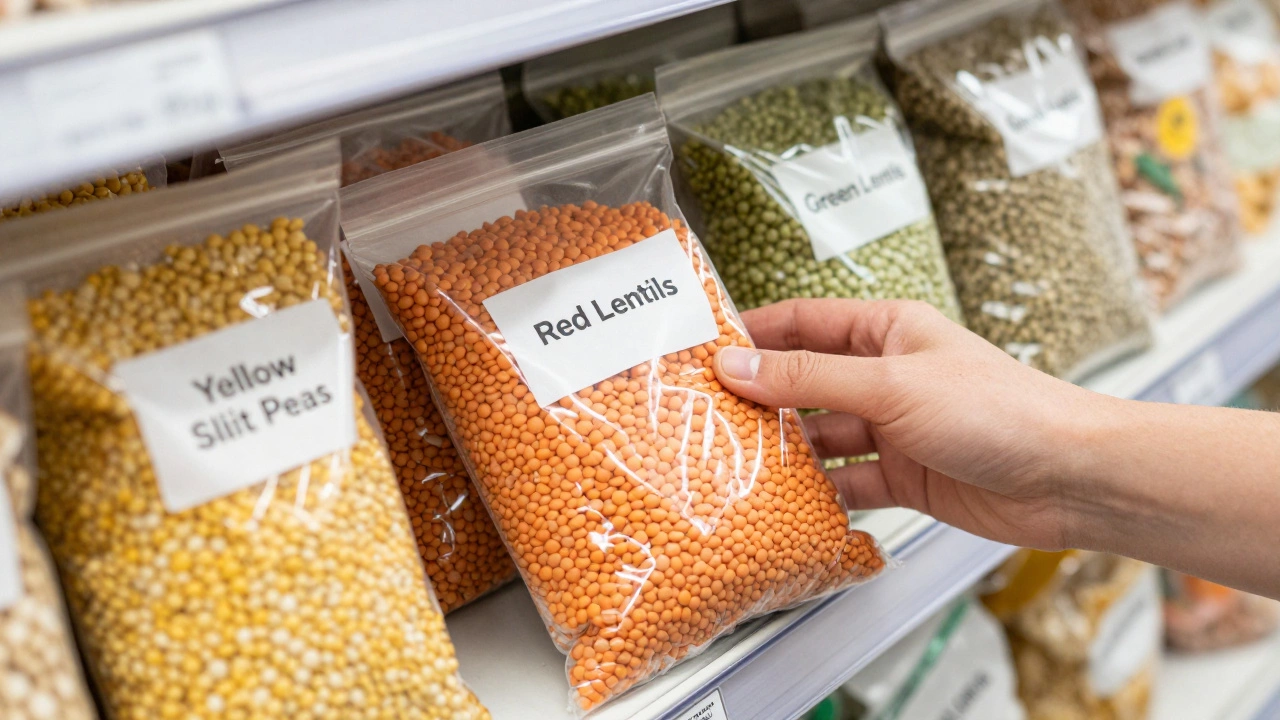
When you're shopping in a typical American supermarket, you won't see "Toor Dal" or "Urad Dal" on the main aisles. Instead, you'll see Lentils is the general English term for the edible seeds of the Lens culinaris plant. If you want that classic yellow dal, you'll likely be looking for Yellow Split Peas. While not exactly the same as Moong dal, they provide a similar texture and hearty feel that works well for beginners.
Then there are the red ones. In the US, Red Lentils (often labeled as split red lentils) are incredibly common. These are almost identical to Masoor Dal. They break down quickly during cooking, which is why they're perfect for a creamy, porridge-like consistency. If you see "Brown Lentils" or "Green Lentils," be careful-those are usually firmer and better for salads or French-style stews rather than a traditional Indian dal.
| Indian Name | US Common Name | Best Use Case | Texture |
|---|---|---|---|
| Masoor Dal | Red Lentils | Quick stews, creamy dal | Soft/Mushy |
| Moong Dal | Yellow Split Peas (Closest) | Comfort food, healing meals | Smooth |
| Chana Dal | Split Chickpeas | Hearty, chunky dal | Firm |
| Urad Dal | Black Gram / Split Black Lentils | Dal Makhani | Creamy/Dense |
Why the Name Change Happens
The language shift happens because "dal" is a linguistic umbrella. In Hindi, it means the seed, the process of splitting it, and the resulting dish. English doesn't have a single word that covers all three. So, an American might say, "I'm eating a lentil curry," which describes the flavor (curry) and the ingredient (lentils). They aren't just being vague; they're using the categories they have available.
You'll also notice that many people in the US refer to dal as "vegetable soup" if it's loaded with carrots and celery, which is a far cry from the garlic-and-cumin heavy versions we love. This is where the distinction between a "lentil soup" (often thin and brothy) and a "dal" (thick and spiced) becomes important. If you're inviting someone over, telling them you're making a "spiced lentil stew" usually gets the point across better than just saying "dal" if they've never had it.
How to Make a Simple Dal with US Ingredients
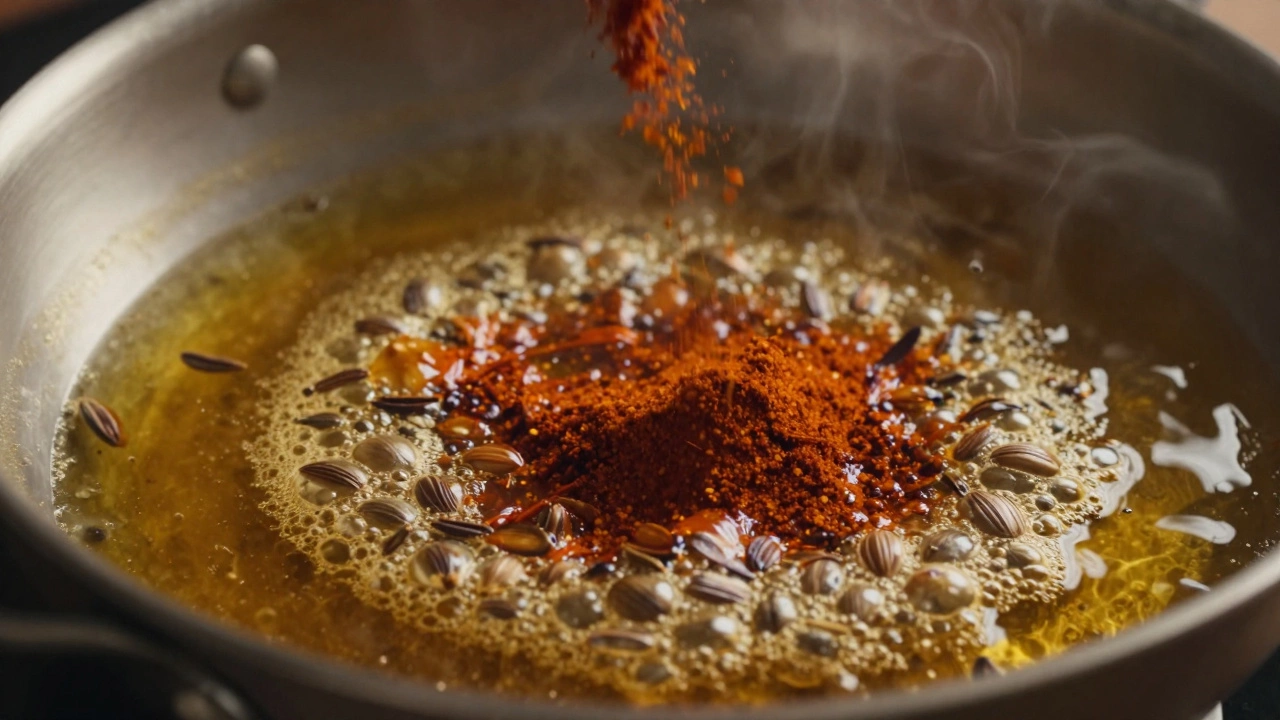
If you're in a pinch and only have access to a standard grocery store, you can still make a killer meal. The secret isn't actually the beans-it's the Tadka. This is the process of heating oil or ghee and frying spices to unlock their flavors before pouring them over the cooked lentils. Without this, you're just eating boiled beans.
Here is a straightforward way to do it:
- Rinse your lentils: Whether you bought red lentils or yellow split peas, wash them in a sieve until the water runs clear. This removes excess starch and prevents the dal from getting too gummy.
- The Boil: Put your lentils in a pot with three cups of water for every one cup of lentils. Add a pinch of salt and a teaspoon of turmeric. Simmer until they are soft. For red lentils, this takes about 15-20 minutes. For split peas, it can take 40 minutes.
- The Flavor Base: While the lentils simmer, chop an onion and some garlic. Sauté them in a pan with a bit of oil or butter until they turn golden brown.
- The Magic Moment (Tadka): Add cumin seeds to the hot oil. When they start to sizzle and pop, add a pinch of chili powder or cayenne.
- The Merge: Pour this spiced oil mixture directly into the pot of cooked lentils. Stir it in and let it sit for five minutes before serving.
Common Pitfalls for Beginners
One mistake people often make is using "Canned Lentils." While convenient, canned lentils are already cooked and often have a metallic taste. They don't break down the way raw lentils do, so you'll never get that creamy, thick consistency. If you must use cans, mash a portion of the lentils with a fork before adding them to your sauce to simulate the thickness of a real dal.
Another issue is the "salt timing." If you add too much salt at the beginning, some tougher lentils (like Chana Dal) might take longer to soften. It's usually better to salt the water lightly and do the final seasoning at the end after the tadka is added.
Beyond the Basics: Expanding Your Palate
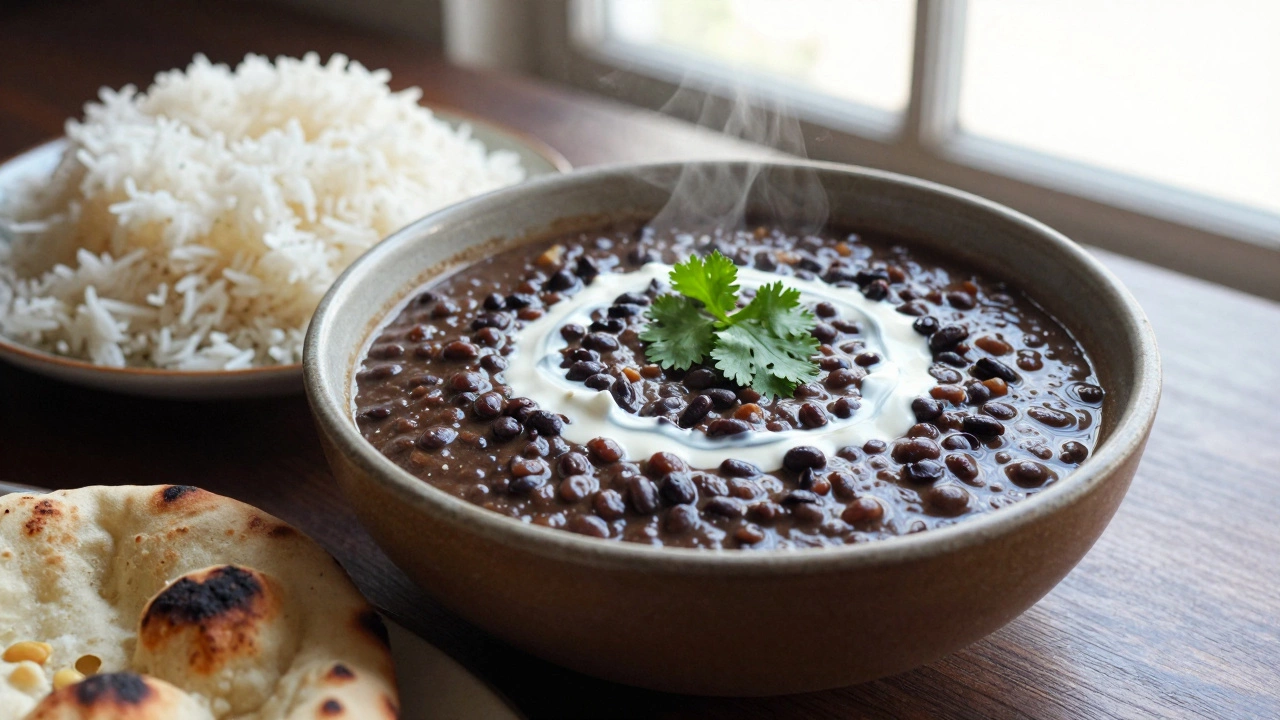
Once you've mastered the simple version, you can move into Dal Makhani, which is the creamy, buttery black dal often found in restaurants. In the US, you'll find the ingredients for this in the "International" aisle or at an Indian store. It requires Black Gram and kidney beans, simmered for hours. It's less of a "quick weeknight meal" and more of a "slow Sunday project."
If you want something lighter, try making a "yellow dal" using Moong dal. This is the go-to meal for anyone feeling sick because it's incredibly easy on the stomach. In American terms, this is basically a "protein broth." It’s the ultimate comfort food that bridges the gap between a healthy diet and a satisfying meal.
Do red lentils taste the same as yellow dal?
Not exactly. Red lentils (Masoor) have a slightly sweeter, earthier taste and melt away into a puree. Yellow dal (like Moong) is more mild and creamy. However, because the flavor mostly comes from the spices you add, they both work perfectly as a base for a delicious meal.
Where can I find authentic dal in a US city?
While big chains like Walmart or Kroger carry basic red lentils, your best bet is an "Indian Grocery Store" or a "Desi Store." Look for brands like Deep Foods or organic labels in the bulk section of health food stores like Whole Foods.
Is dal the same as hummus?
No. Hummus is made from blended cooked chickpeas (Kabocha or Garbanzo beans) with tahini and lemon. Dal is a cooked stew of various lentils. While both use legumes, the texture and preparation are completely different.
Can I use a slow cooker for dal?
Yes! Slow cookers are great for heartier dals like Chana or Urad dal. Just put the rinsed lentils and water in the pot on low for 6-8 hours. The only rule is: do the tadka (the frying of spices) separately and add it at the very end, otherwise, the spices will lose their punch.
What is the healthiest way to eat dal?
Pair your dal with brown rice or quinoa instead of white basmati rice to increase the fiber content. Adding spinach or chopped kale into the pot during the last five minutes of cooking adds a boost of iron and vitamins without changing the flavor too much.
Next Steps for Your Kitchen
If you're just starting out, stick to the red lentils. They are the most forgiving and cook the fastest. Once you feel confident with the basic boil-and-fry method, try experimenting with different fats. Swap the oil for ghee to get that restaurant-style richness, or use coconut oil for a slightly tropical twist.
If your dal comes out too thick, don't panic. Just stir in a bit of boiling water. If it's too thin, let it simmer for another ten minutes without a lid to let the water evaporate. The goal is a consistency that is thick enough to coat a spoon but thin enough to pour over a mound of steaming rice.
