What Do Native Americans Eat for Breakfast? Traditional Recipes & Ingredients
 Aug, 4 2026
Traditional Native American Breakfast Recipe Generator
Explore the diversity of Indigenous breakfast traditions across North America. Select a region to discover traditional ingredients and preparation methods.
Forget the idea that breakfast is just eggs and toast. For centuries, Indigenous peoples across North America have started their days with meals deeply rooted in local ecosystems, seasonal availability, and cultural heritage. If you are wondering what do Native American Indians eat for breakfast, the answer varies wildly depending on whether you are talking about a Pueblo family in New Mexico, a Lakota community in the Dakotas, or a coastal tribe in Oregon. There is no single "Native American breakfast." Instead, there is a rich tapestry of traditions built around staples like corn, wild rice, salmon, and berries.
Understanding these traditions requires looking past modern stereotypes and into the specific agricultural and hunting practices that defined different regions. The food was not just fuel; it was a connection to the land and ancestors. Today, many communities are reviving these ancestral recipes, blending them with contemporary life while honoring their origins.
The Foundation: Corn and the Three Sisters
In many parts of North America, particularly the Southwest and Southeast, corn (maize) is the cornerstone of the diet. This isn't just sweet corn from a can; it's nixtamalized corn, treated with alkali to unlock nutrients and make it digestible. This process creates masa, the dough used for tortillas and tamales, but also for breakfast dishes.
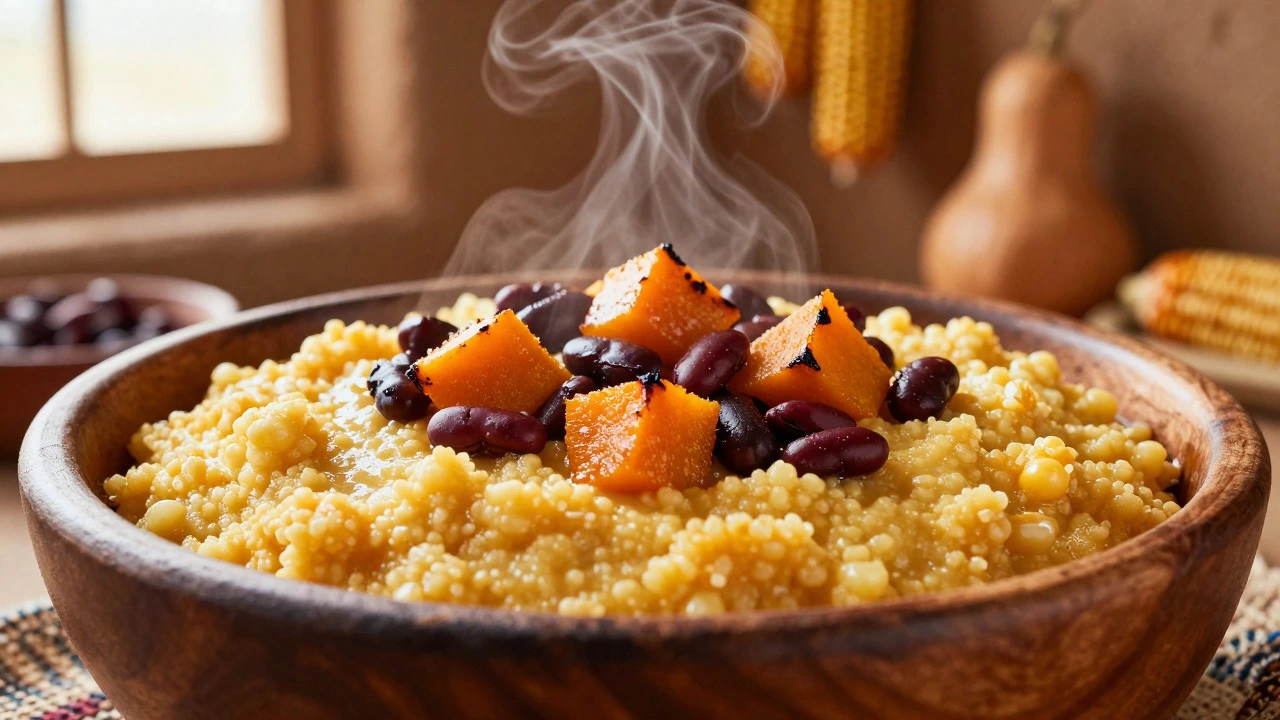
Cornmeal Mush is a traditional breakfast staple made by cooking ground corn in water or milk until it thickens into a porridge-like consistency. It is similar to grits or oatmeal but has a distinct earthy flavor. In the Southwest, this might be served plain with honey or butter, or savory with beans and cheese. In other regions, it could be mixed with wild berries or dried fruits.
The concept of the Three Sisters-corn, beans, and squash-is vital here. These crops were grown together because they supported each other physically and nutritionally. Corn provided structure, beans fixed nitrogen in the soil, and squash leaves shaded the ground to retain moisture. A traditional breakfast might include a bowl of cornmeal mush topped with stewed beans and roasted squash cubes, offering a complete protein profile right out of bed.
- Corn: Provides carbohydrates and energy.
- Beans: Adds protein and fiber.
- Squash: Offers vitamins A and C, plus healthy fats if cooked with oil.
Regional Variations: From Coast to Plains
Geography dictates diet. You cannot generalize Native American cuisine because the resources available in one region were completely different from another. Let's look at how breakfast differs across major cultural areas.
The Pacific Northwest: Salmon and Berries
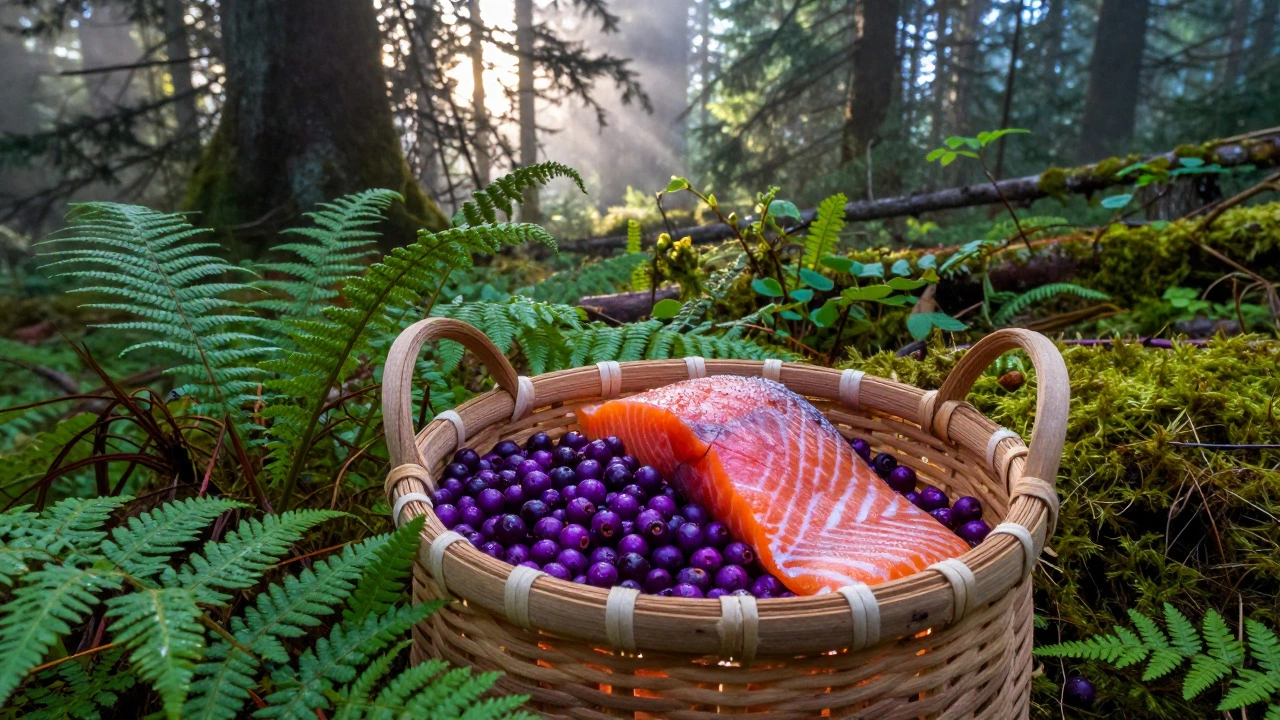
In the rainy, resource-rich Pacific Northwest, breakfast often featured smoked fish. Smoked Salmon is a preservation method that allows tribes to enjoy fresh-tasting fish year-round. Freshly caught salmon would be smoked over alderwood fires, then eaten cold or lightly warmed. This high-protein meal was often accompanied by salal berries, huckleberries, or seaweed salads.
Berries were not just snacks; they were essential sources of vitamin C. Huckleberry pancakes or berry-infused breads were common. The combination of fatty fish and antioxidant-rich berries created a balanced start to the day, supporting the active lifestyle of fishing and foraging.
The Great Plains: Bannock and Buffalo
For Plains tribes like the Lakota, Cheyenne, and Sioux, mobility was key. Before the introduction of flour and sugar by Europeans, breakfast might consist of dried meat (jerky) and pine nut cakes. However, after contact with traders, wheat flour became a staple.
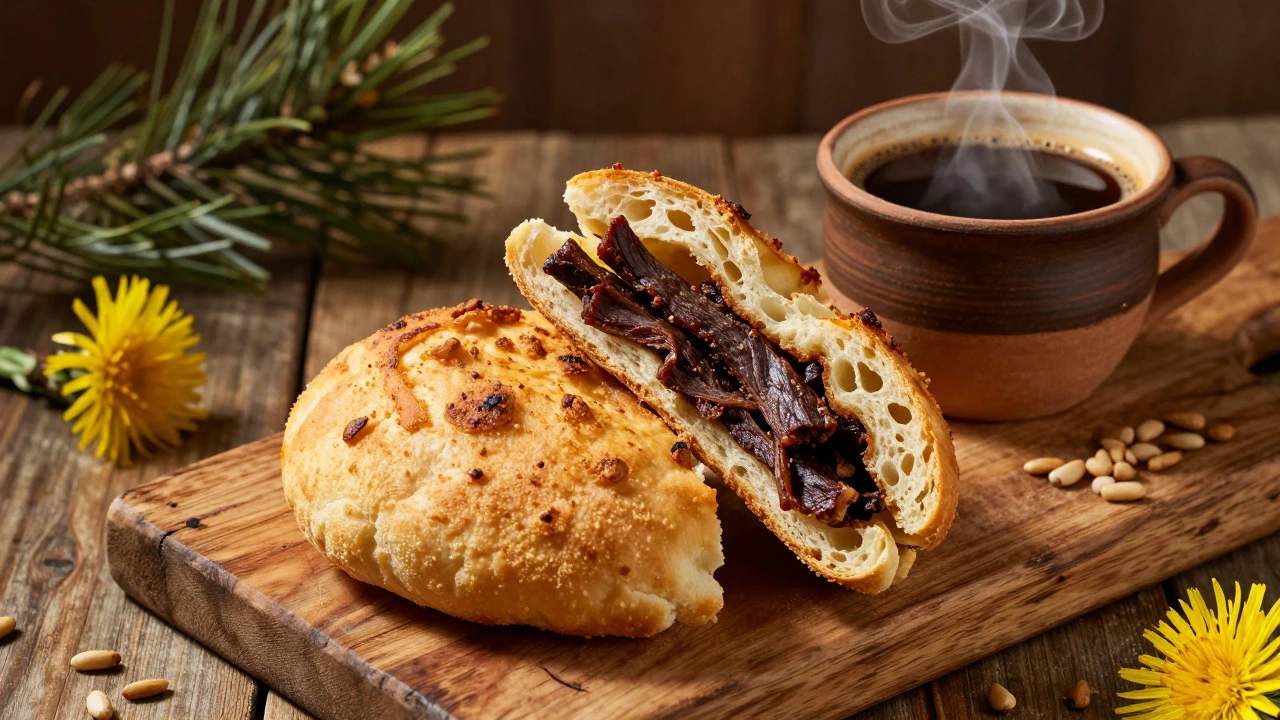
This led to the creation of Bannock, which is a flatbread fried in fat, typically lard or buffalo grease, made from flour, water, and sometimes baking powder. Bannock is incredibly versatile. It can be eaten plain, split open and filled with jerky, or served alongside coffee made from roasted dandelion roots or chicory. It’s hearty, portable, and keeps well-perfect for a nomadic lifestyle.
The Northeast: Wild Rice and Maple Syrup
In the woodlands of the Northeast and Great Lakes, wild rice (manoomin) is sacred. While often thought of as a dinner grain, it was also prepared for morning meals. Cooked wild rice, which has a chewy texture and nutty flavor, might be served warm with maple syrup. Yes, real maple syrup, tapped directly from trees in early spring.
Maple syrup was not just a sweetener; it was a calorie-dense energy source. Combining it with wild rice or using it to glaze fried dough provided sustained energy for hunting and gathering activities. Acorns, leached of their tannins, were also ground into flour and baked into cakes or breads, adding another layer of nutritional diversity.
Key Ingredients and Their Roles
To truly understand these breakfasts, you need to know the ingredients. Here is a breakdown of common components and why they matter.
| Ingredient | Region | Nutritional Role | Preparation Method |
|---|---|---|---|
| Wild Rice | Northeast/Great Lakes | High protein, fiber, minerals | Boiled, then cooled or reheated |
| Acorn Flour | California/Pacific Coast | Complex carbs, vitamin E | Leached, dried, ground, baked |
| Huckleberries | Pacific Northwest | Vitamin C, antioxidants | Eaten fresh, dried, or cooked into jams |
| Buffalo Jerky | Great Plains | Lean protein, iron | Dried and smoked |
| Maple Syrup | Northeast | Quick energy, minerals | Boiled down sap |
Modern Revival and Fusion
Today, many Native chefs and home cooks are reclaiming these traditions. Restaurants like The Sioux Chef in Minnesota serve dishes like Indigenous Granola made with amaranth, millet, and wild berries. Others are experimenting with ancient grains like amaranth and quinoa (though quinoa is more South American, it is now widely adopted).
The movement isn't just about nostalgia; it's about health. Processed foods introduced during colonization led to high rates of diabetes and heart disease in many communities. Returning to whole, unprocessed ingredients like wild rice, lean meats, and native vegetables is seen as a path to better health. Modern versions might include avocado on bannock or chia seeds mixed into cornmeal mush, blending old wisdom with new trends.
How to Try These Traditions at Home
If you want to experience a taste of history, you don't need to hunt for buffalo. Start small.
- Make Cornmeal Mush: Use stone-ground cornmeal. Simmer it slowly with water or milk until thick. Top with local honey or roasted squash.
- Try Wild Rice: Buy certified wild rice (not the brown rice blend). Cook it according to package instructions and drizzle with pure maple syrup.
- Bake Bannock: Mix flour, baking powder, salt, and water. Fry slices in hot oil until golden. Serve with jam or jerky.
- Forage Safely: If you live near forests, learn to identify safe berries like blueberries or blackberries. Add them to your morning oats or yogurt.
Remember, respect is key. When adopting these recipes, acknowledge their origins. Support Native-owned businesses when buying ingredients like wild rice or maple syrup. This ensures that the culture and economy of these communities thrive.
Is cornmeal mush the same as grits?
Not exactly. While both are made from corn, grits are typically made from hominy (nixtamalized corn) and are finer. Cornmeal mush can be made from regular cornmeal and has a coarser texture. The preparation methods differ slightly, but they share a similar base.
What is the most common Native American breakfast today?
There is no single most common breakfast due to the diversity of tribes. However, variations of bannock, cornmeal mush, and fry bread are widespread across many communities, often adapted with modern ingredients like bacon or sausage.
Can I find wild rice in grocery stores?
Yes, but check the label. True wild rice grows naturally in lakes and rivers. Many products labeled "wild rice" are actually cultivated manoomin or even brown rice dyed to look like wild rice. Look for certifications from Native cooperatives to ensure authenticity.
Why is acorn flour hard to find?
Acorn flour requires labor-intensive processing to remove bitter tannins. Most commercial mills don't produce it. You may need to buy from specialty Native-owned brands or make it yourself if you have access to acorns and the knowledge to leach them properly.
Is bannock vegan?
Traditional bannock was fried in animal fat like buffalo grease or lard, making it non-vegan. However, modern versions often use vegetable oil or butter, so it can be vegan depending on the fat used for frying.
