What Food Does India Eat the Most? A Guide to Daily Staples
 Oct, 20 2026
India's Daily Plate Explorer
Select a region to discover the primary staple, common dishes, and typical pairings that define daily meals in that part of India.
Please select a region and click "Explore" to see details.
You might think Indian food is all about rich curries and fancy restaurant dishes. But if you walk into a typical home in Delhi or a village in Kerala, the reality is much simpler. The backbone of the Indian diet isn't the special occasion meal; it's the humble, everyday staple that keeps billions fed. So, what does India actually eat the most?
The short answer: it depends on where you stand on the map. India is huge, and its plate changes dramatically from north to south. However, two contenders dominate the calorie count nationwide: Rice and Wheat. Together, they form the foundation of almost every meal. But which one wins? And what else fills up the rest of the plate? Let’s break down the actual eating habits across the country.
The Great Grain Divide: Rice vs. Wheat
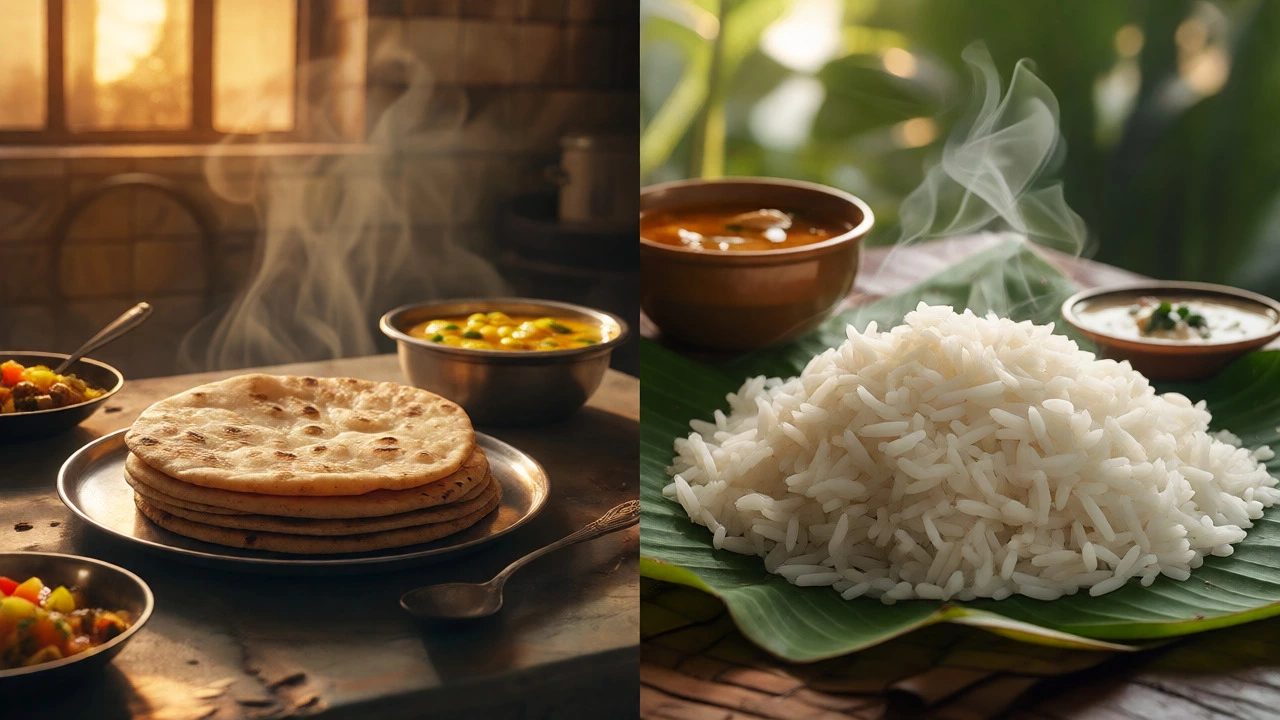
If you look at consumption data, Wheat, processed into flour for breads like Roti and Chapati, is technically the largest grain crop produced in India. It feeds the northern states like Punjab, Haryana, and Uttar Pradesh. In these regions, a meal without a hot, fluffy roti feels incomplete. People here often eat two or three rotis per person, per meal.
But flip the map south, and Rice takes over. States like West Bengal, Odisha, Tamil Nadu, and Kerala rely heavily on rice. In some households, rice isn’t just a side; it’s the main event. You’ll see large mounds of steamed rice paired with simple lentil soups or vegetable stir-fries. According to recent agricultural reports, while wheat production has surged due to government support, rice remains the primary source of calories for more than half the population, especially in coastal and eastern regions.
| Region | Primary Staple | Common Form | Typical Pairing |
|---|---|---|---|
| North India | Wheat | Roti, Paratha, Naan | Dal, Sabzi (Vegetables) |
| South India | Rice | Steamed Rice, Idli, Dosa | Sambar, Chutney, Curry |
| East India | Rice | Steamed Rice | Fish Curry, Dal |
| West India | Mixed | Bhakri (Millet), Rice | Kadhi, Bhaji |
Lentils: The Protein Powerhouse
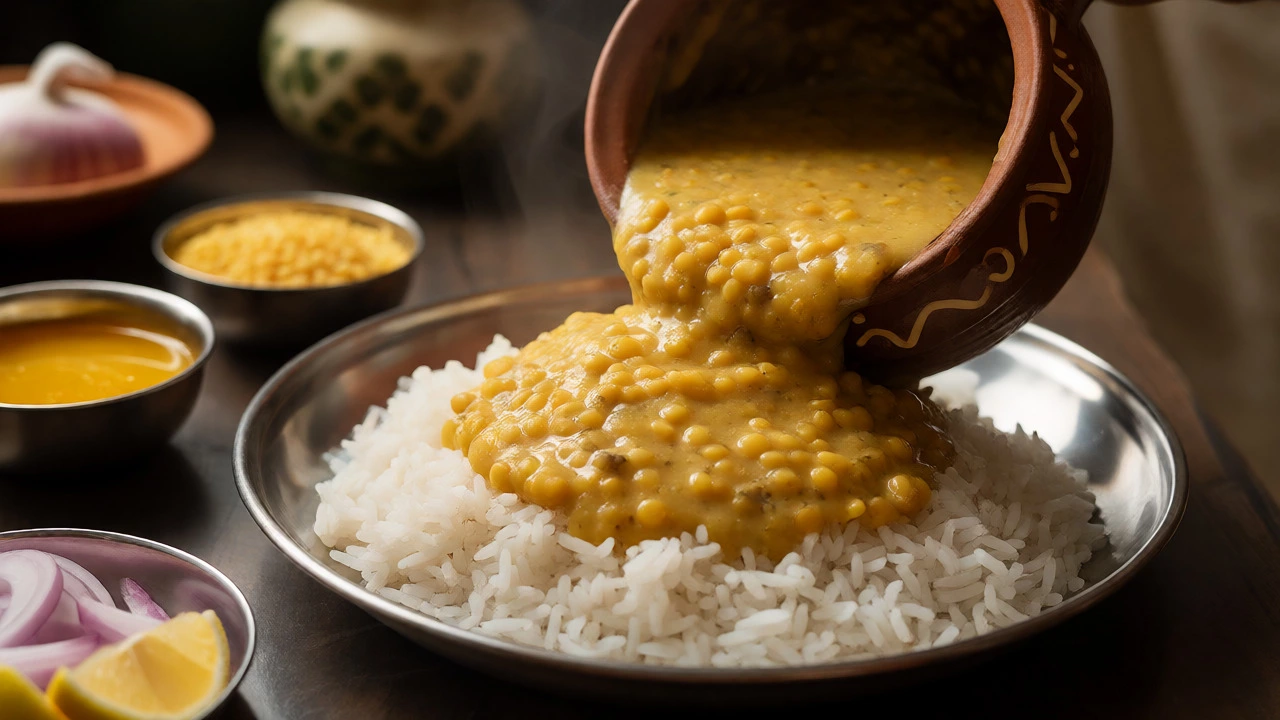
You can’t talk about what India eats without mentioning Dal. This isn’t just a side dish; for millions of Indians, dal is the main protein source. Whether it’s yellow moong dal, black urad dal, or red masoor dal, legumes are consumed daily. They are cheap, nutritious, and versatile.
In many vegetarian households, dal provides the essential amino acids missing from a grain-heavy diet. It’s rare to find an Indian lunch box that doesn’t include a small container of dal. Sometimes it’s thin and watery, meant to be poured over rice. Other times, it’s thick and creamy, scooped up with roti. The variety is staggering-over 60 types of pulses are commonly grown and eaten across the country. If you’re looking for the most consistent "superfood" in the Indian diet, it’s definitely dal.
Vegetables: More Than Just a Side
India is one of the world’s largest producers of vegetables. Potatoes, onions, tomatoes, cauliflower, and spinach appear in almost every kitchen. But how are they eaten? Unlike Western diets where salads are common, Indian vegetables are usually cooked. Think Aloo Gobi (potato and cauliflower) or Palak Paneer (spinach with cheese).
Onions and potatoes are arguably the most ubiquitous ingredients. You’ll find them in samosas, biryanis, curries, and even snacks. Tomatoes form the base of most gravies. Leafy greens like methi (fenugreek) and saag (mustard greens) are seasonal favorites, particularly in the north. While meat consumption is rising, vegetables remain the core of the average Indian plate simply because they are affordable and culturally ingrained.
Dairy: The Unexpected Staple
Here’s something surprising: India is the largest consumer of milk in the world. Dairy isn’t just for kids; it’s part of adult meals too. Curd (yogurt) is eaten daily in many homes, often mixed with rice as Curd Rice in the south. It aids digestion and cools the body in the heat.
Ghee (clarified butter) is another massive player. It’s used for cooking, drizzled over rotis, and added to sweets. Milk itself is consumed directly, made into tea (chai), or turned into paneer (cheese). For vegetarians, dairy products provide crucial calcium and fat. If you visit a rural area, you’ll see that milk delivery is a morning ritual, just like newspaper delivery in cities.
Snacks and Street Food: The Calorie Gap Fillers
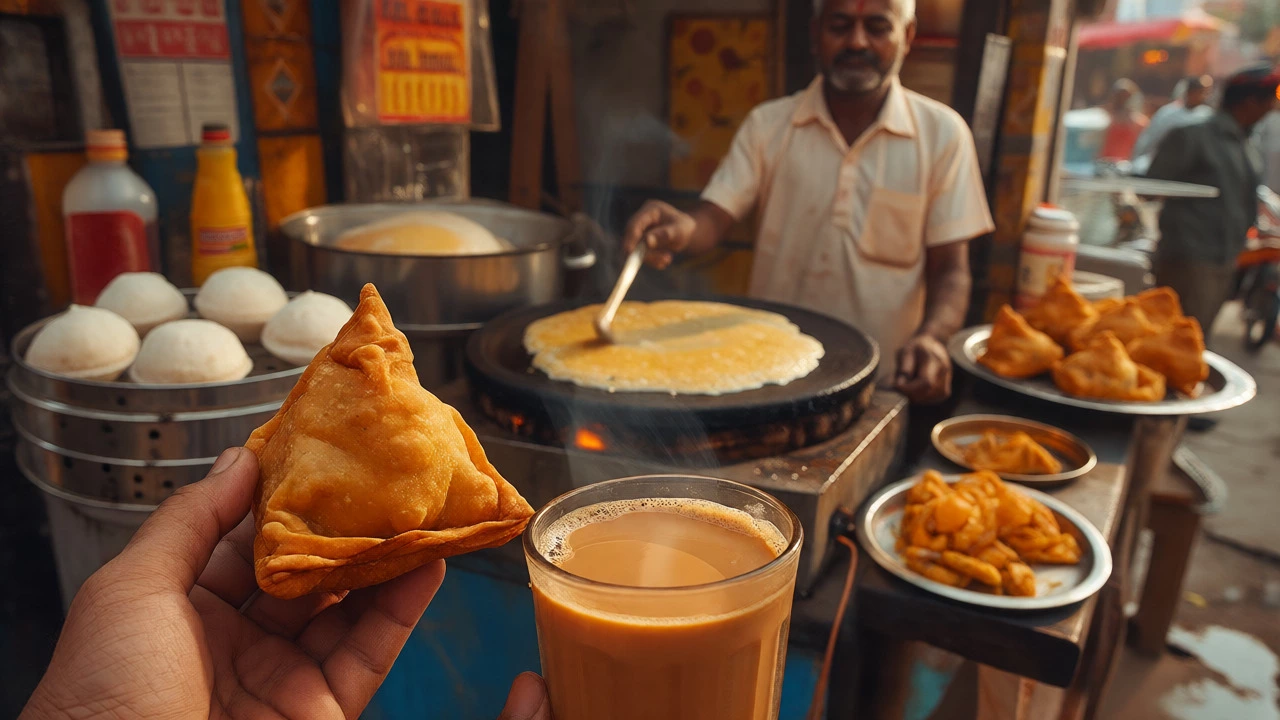
Between meals, Indians snack. A lot. Street food is not just for tourists; it’s a dietary staple for workers and students. Samosas, pakoras, vada pav, and bhel puri are consumed by millions every day. These fried treats are high in oil and carbs, providing quick energy.
Tea culture also plays a role. Chai is drunk multiple times a day. It’s sweet, milky, and strong. For many, a cup of chai with a biscuit or a slice of bread constitutes a complete breakfast or evening snack. Biscuits themselves are a massive industry in India, with millions of packets sold daily. They are cheap, shelf-stable, and pair perfectly with tea.
Breakfast Habits: Quick and Regional
Since you’re interested in quick breakfasts, it’s worth noting that India’s morning menu varies wildly. In the north, you might have parathas stuffed with potato or paneer, served with pickles and yogurt. In the west, Poha (flattened rice) or Upma (semolina porridge) are popular because they cook fast.
In the south, breakfast is often fermented batters. Idli (steamed cakes) and Dosa (crepes) are light, easy to digest, and packed with probiotics thanks to fermentation. These aren’t just weekend treats; they are weekday staples because they require minimal active cooking time once the batter is ready. If you want to eat like locals do on a busy Tuesday morning, skip the cereal and try idli with sambar.
Why This Matters for Your Diet
Understanding what India eats helps you appreciate the balance of this cuisine. It’s not just about spice; it’s about combining grains, proteins, fats, and veggies in every meal. The traditional Indian thali (plate) is designed to hit all nutritional groups simultaneously. Roti gives carbs, dal gives protein, sabzi gives fiber, curd gives probiotics, and ghee gives healthy fats.
This combination explains why traditional Indian diets can be surprisingly healthy despite being carb-heavy. The key is moderation and variety. Eating only rice leads to spikes; eating rice with dal and veggies slows absorption. That’s the secret sauce-literally and figuratively.
Do Indians eat meat every day?
No, most Indians do not eat meat daily. Vegetarianism is widespread due to religious and cultural reasons. Even non-vegetarians often eat meat only once or twice a week. Chicken and mutton are common, but beef and pork consumption varies significantly by region and community.
Is rice healthier than roti?
Both have benefits. Roti (whole wheat) has more fiber and protein, keeping you full longer. White rice digests faster, offering quick energy. Brown rice offers a middle ground. Health experts often recommend pairing either grain with protein (dal) and vegetables to balance the glycemic load.
What is the most popular Indian snack?
Samosas and biscuits are likely the top contenders. Samosas are ubiquitous street food, while biscuits are the most purchased packaged food item in the country, primarily consumed with tea.
How much milk do Indians consume?
India is the world's largest producer and consumer of milk. Per capita consumption is around 100 grams per day, but this includes milk used in tea, coffee, curd, ghee, and sweets, not just drinking milk.
Is spicy food bad for health?
Not necessarily. Spices like turmeric, cumin, and ginger have anti-inflammatory properties. However, excessive chili can irritate the stomach for some people. The healthiness depends on the amount of oil and salt used alongside the spices.
