What Happens When You Add Extra Urad Dal to Dosa Batter?
 Apr, 10 2026
Dosa Batter Ratio Predictor
Adjust Your Ingredients
Change the amounts to see how the texture and characteristics of your dosas will shift.
Predicted Outcome
Quick Summary: The Urad Dal Effect
- Texture: More dal makes dosas softer and fluffier, but less crispy.
- Fermentation: Higher dal content usually speeds up the rising process.
- Taste: You'll notice a stronger, more distinct "nutty" fermented flavor.
- Structure: The batter becomes thicker and holds together better, making it harder to spread thinly.
The Science of the Bubble: Why Urad Dal Matters
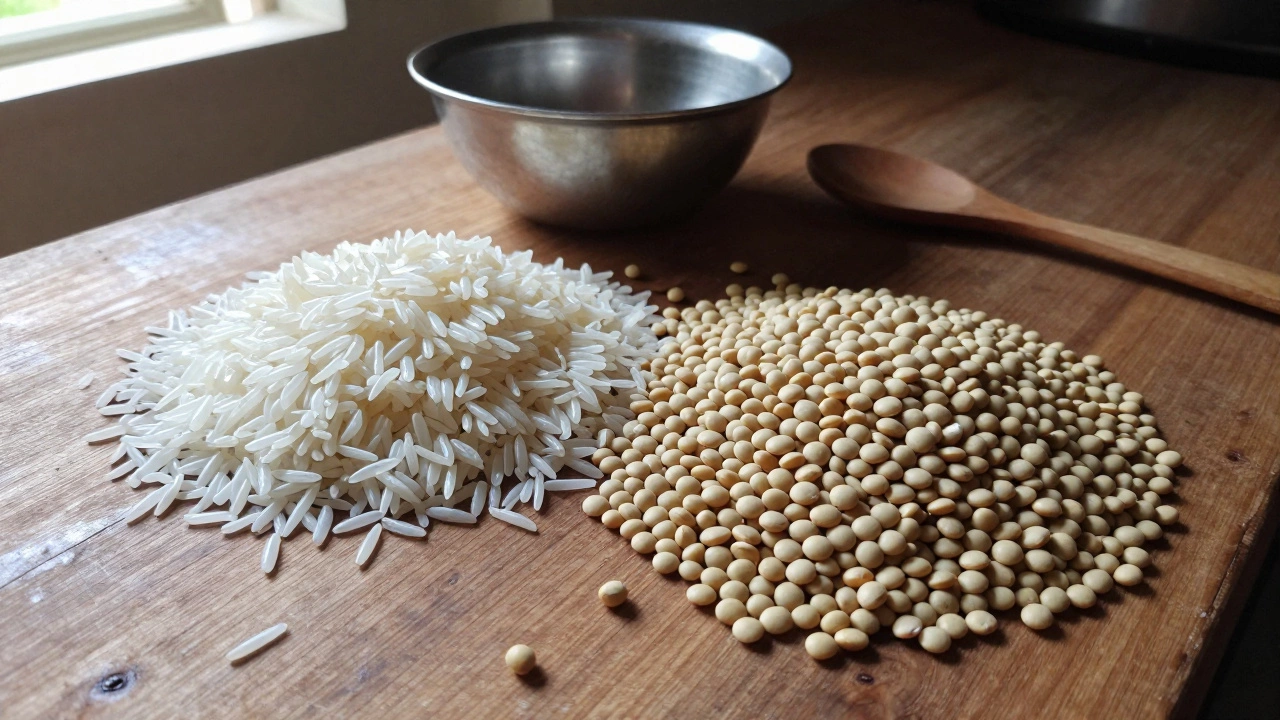
To understand what happens with extra lentils, we need to look at what Urad Dal actually does. Unlike rice, which provides the bulk and the crunch, urad dal is packed with proteins and mucilaginous gums. When you soak and grind these lentils, they create a sticky, viscous paste. This stickiness is the secret weapon for trapping air.
When the Lactobacillus and wild yeasts in the air start eating the sugars in the batter, they release carbon dioxide. The proteins in the dal act like tiny balloons, catching those gas bubbles and holding them in place. If you increase the dal ratio, you're essentially adding more balloons. This is why a dal-heavy batter feels like a cloud and produces those beautiful holes (honeycombing) on the surface of the dosa.
Texture Shifts: Fluffy vs. Crispy
If your goal is a urad dal in dosa batter experiment to get a specific result, you need to know the trade-off. The classic ratio is usually 3:1 or 4:1 (rice to dal). When you shift this toward 2:1 or even 1:1, the physics of the dosa changes.
With more dal, the dosa loses its ability to shatter. You know that sound when you break a perfect Masala Dosa and it cracks like a wafer? You'll lose that. Instead, you'll get a texture closer to an Uttapam-thicker, softer, and more bread-like. While this is great for those who prefer a soft bite, it's a disaster if you're craving a gold-brown, crispy edge.
Think of it like a cake. Too much flour (rice) and it's dense; too much egg or leavening agent (dal) and it becomes a sponge. If you go overboard with the dal, the dosa might even feel slightly "gummy" or sticky in the center because the proteins don't dehydrate as quickly as the rice starches do on the griddle.
Impact on Fermentation and Aroma
Your batter is essentially a living organism. Fermentation is the process where enzymes break down complex starches into simpler sugars. Urad dal is significantly more protein-rich than rice, which provides a feast for the bacteria. This often means the batter ferments faster.
However, there's a catch. More dal leads to a more intense smell. While a mild tang is desirable, too much urad dal can push the aroma into "over-fermented" territory, where it smells sharply sour. This happens because the proteins break down into amino acids, which contribute to that pungent, traditional fermented scent. For some, this is the hallmark of a great dosa; for others, it's a bit too overwhelming.
| Ratio (Rice:Dal) | Primary Texture | Crispiness Level | Fermentation Speed | Best For... |
|---|---|---|---|---|
| 4:1 (Standard) | Balanced / Thin | High | Moderate | Classic Paper Dosas |
| 3:1 (Rich) | Soft-Crispy | Medium-High | Fast | Home-style Breakfast |
| 2:1 (Dal Heavy) | Spongy / Thick | Low | Very Fast | Uttapam / Soft Dosas |
The Spreading Struggle: Handling the Batter
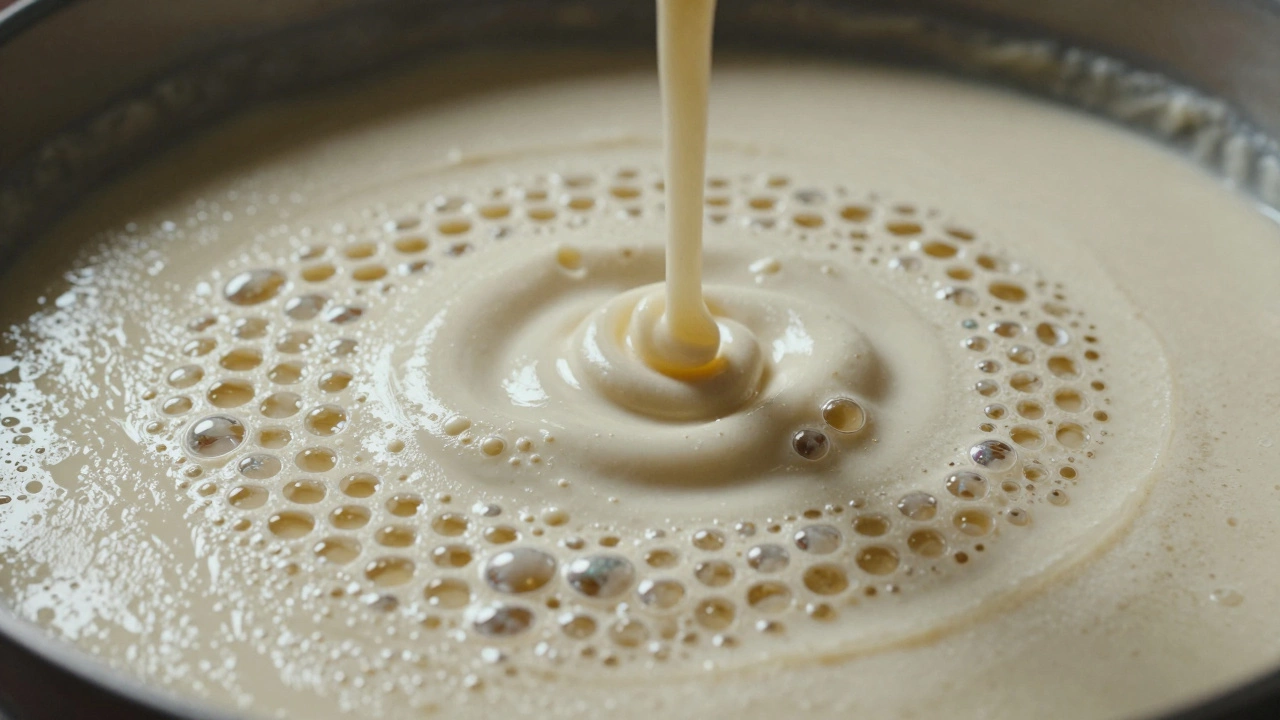
If you've ever tried to spread a batter that's too thick, you know the frustration. When you add more urad dal, the batter becomes significantly more viscous. It doesn't "glide" across the Tava (griddle) as easily. Instead of a smooth circle, you might find the batter clinging to the spoon or tearing as you swirl it.
To fix this, you'll find yourself adding more water to reach a pourable consistency. But here's the trap: adding more water to a dal-heavy batter can dilute the flavor and make the dosa feel soggy instead of fluffy. The key is to find a balance where the batter is like heavy cream-thick enough to hold air, but fluid enough to move.
Nutritional Trade-offs
On the plus side, increasing the dal makes your breakfast more nutritious. Protein content increases significantly. For those looking to incorporate more plant-based protein into their diet, shifting the ratio slightly is a smart move. You're essentially turning a carb-heavy meal into a more balanced protein-carb pairing.
However, keep an eye on digestibility. For some people, an excessive amount of urad dal can lead to bloating or gas, as the high protein and fiber content can be harder for the gut to process if the fermentation wasn't thorough enough to pre-digest those proteins.
Pro Tips for Adjusting Your Batter
If you've already added too much dal and your batter feels like glue, don't panic. You can still save the batch. First, try adding a small amount of Idli Rice or even a tablespoon of fine semolina (rava) to break up the stickiness. This adds back some of the granular structure that helps the dosa crisp up.
Another trick is to adjust your heat. A dal-heavy batter takes longer to dry out. If you cook it on medium heat, the outside might burn before the inside loses its gumminess. Drop the heat slightly and cook for a bit longer; this allows the moisture to evaporate slowly, giving you a better crunch despite the extra lentils.
Will more urad dal make my dosas taste saltier?
Not necessarily. Salt is an addition, not a property of the dal. However, because urad dal has a stronger, nuttier flavor, it can enhance the perception of salt. If you're increasing the dal, taste your batter before adding the final pinch of salt to ensure it stays balanced.
Can I use more urad dal to make my batter ferment faster?
Yes, urad dal provides the protein and nutrients that bacteria love. In colder climates like Sydney or London, adding a bit more dal can actually help the batter rise more reliably when the room temperature is low.
Why are my dosas sticky even with a lot of dal?
This usually happens if the batter is under-fermented. If the bacteria haven't had enough time to break down the starches and proteins, you're left with raw lentil paste, which is naturally sticky. Give it a few more hours in a warm spot.
Does using more urad dal affect the color of the dosa?
Yes. Dosas with more dal tend to be a paler gold. The rice starches are what typically brown and caramelize quickly. With more protein from the dal, the browning process is slower and the final color is often a lighter cream or pale yellow.
What is the best ratio for a soft yet crispy dosa?
Most experienced cooks find that a 3:1 ratio (3 cups of rice to 1 cup of urad dal) is the sweet spot. It provides enough protein for a fluffy rise but keeps enough rice for a satisfying, crisp exterior.
Next Steps for Batter Perfection
If you've mastered the urad dal ratio, try experimenting with different types of rice. Mixing raw rice with a bit of parboiled rice or adding a teaspoon of fenugreek seeds (methi) can further enhance the fermentation and color. If your batter is consistently too soft, try reducing the dal by 10% in your next batch and see how the crispiness improves.
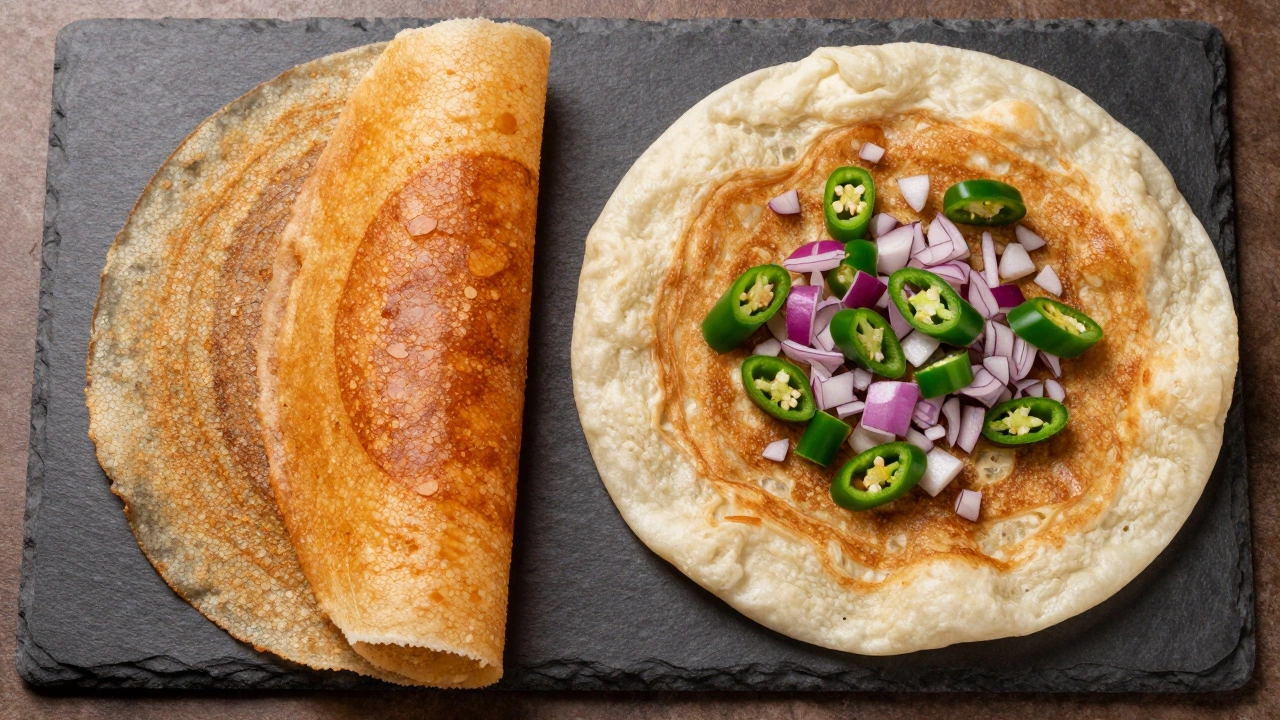
For those who prefer the thicker, softer style, try adding a handful of chopped onions and green chilies directly into the dal-heavy batter to make authentic, savory Uttapams. Since the batter is more stable, it holds these heavy toppings much better than a thin dosa batter would.
