What Ingredient Makes Curry Taste Like Curry? The Turmeric Truth
 Oct, 23 2026
Build Your Own Curry Blend
Use this tool to create your own versatile chicken curry base blend. Adjust the total weight to see how much of each spice you need, or tweak the ratios to match your personal taste preferences.
Bloom these ground spices in oil before adding wet ingredients like onions or tomatoes. This releases their fat-soluble flavors.
Flavor Profile Analysis
Coriander: Provides body, sweetness, and floral notes (Linalool).
Cumin: Adds nutty, savory depth (Cuminaldehyde).
Turmeric: Creates the golden anchor and earthy base (Curcumin).
Chili: Determines the heat intensity and character.
You open a jar of yellow powder, sprinkle it into your pan, and suddenly you have "curry." But here is the twist that confuses most home cooks: there is no single ingredient called "curry" in nature. If you are looking for one magic seed or leaf that defines the taste, you are chasing a ghost. The distinct flavor profile we associate with Curry is actually a complex chemical marriage of several spices working in harmony.
Most people assume curry powder is a specific plant part, like cinnamon bark or black peppercorn. It isn't. It is a blend. However, if you force us to pick the one ingredient that gives curry its unmistakable golden hue and earthy base note, it has to be Turmeric. Without turmeric, your dish might be spicy, aromatic, and delicious, but it won't look or feel like "curry" to the average diner. But color alone doesn't make flavor. To truly understand what makes curry taste like curry, we need to break down the holy trinity of Indian spice blending: Turmeric, Cumin, and Coriander.
The Golden Anchor: Why Turmeric Is Non-Negotiable
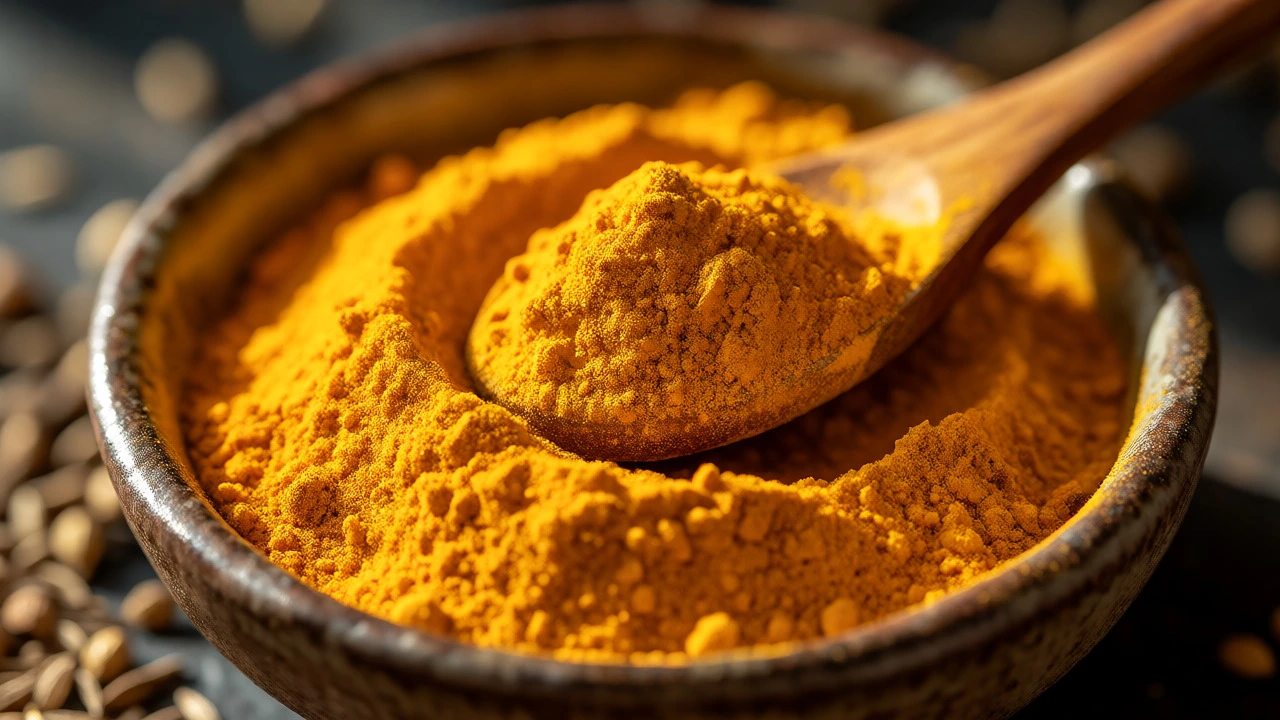
Turmeric is a rhizome from the Curcuma longa plant, related to ginger, known for its vibrant yellow pigment curcumin and mild, bitter, earthy flavor. When you bite into fresh ginger, you get heat and zing. When you bite into raw turmeric, you get dirt, bitterness, and a slight pepperiness. It is not exciting on its own. In fact, many beginners hate the taste of raw turmeric.
So why is it the star? Because turmeric acts as the visual and foundational anchor. It coats every other ingredient. When you cook turmeric in oil (a process called blooming), its harsh bitterness mellows out, leaving behind a warm, woody depth. This base allows brighter spices like chili or fenugreek to shine without overpowering the palate. If you leave out turmeric, you lose the psychological cue that tells your brain, "This is curry." You end up with a stew, perhaps, but not a curry.
The Aromatic Heart: Cumin and Coriander
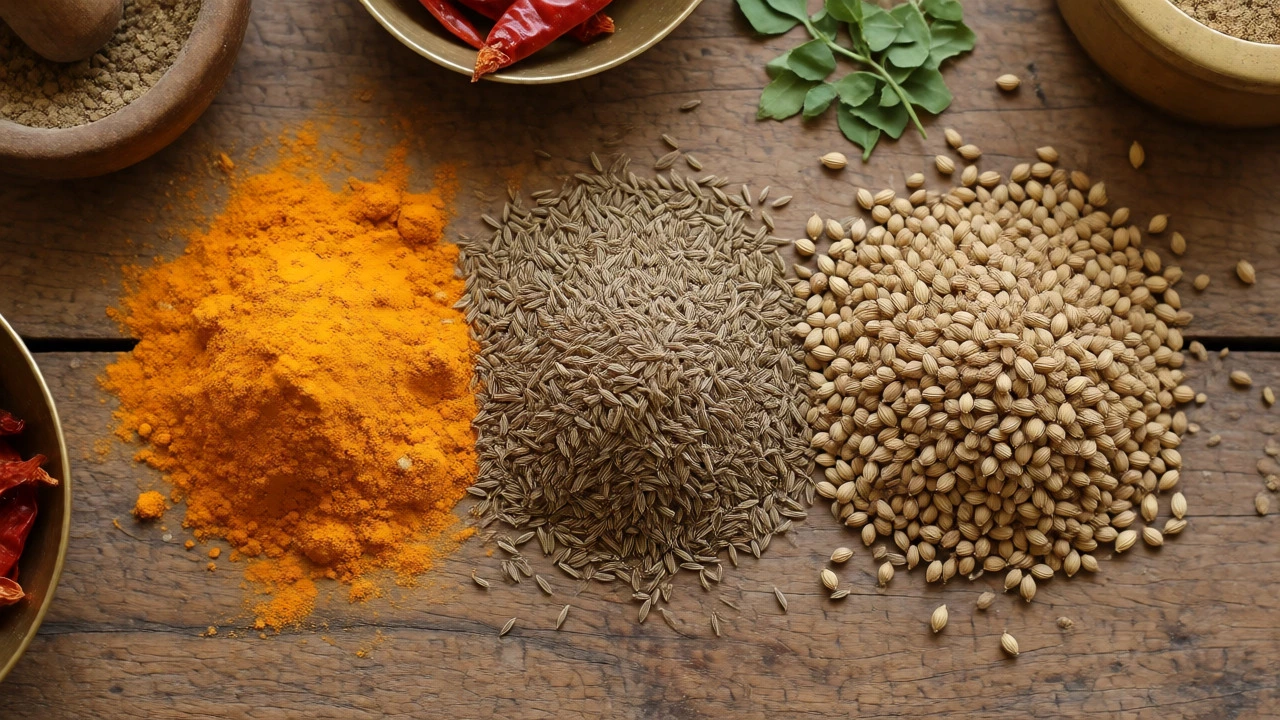
If turmeric is the canvas, Cumin and Coriander are the paint. These two seeds are almost always used together in Indian cooking, forming the backbone of Garam Masala and standard Curry Powder. They serve very different purposes, though they often appear in the same teaspoon.
- Cumin Seeds: These provide the nutty, smoky, and slightly bitter punch. Cumin contains cuminaldehyde, a compound that smells intensely savory. It hits your nose before you even taste it. In a chicken curry, cumin cuts through the richness of the meat or cream, providing a necessary contrast.
- Coriander Seeds: Unlike their leafy green cousin (cilantro), dried coriander seeds are sweet, citrusy, and floral. They contain linalool, the same compound found in lavender and orange peel. Coriander rounds out the sharp edges of cumin and adds a subtle sweetness that balances the heat from chilies.
Try this experiment at home. Make a simple tomato-onion gravy. Add only cumin. It tastes heavy and medicinal. Add only coriander. It tastes soapy and flat. Add both. Suddenly, you have the classic "curry" aroma. This synergy is why pre-mixed curry powders exist-to save you the trouble of balancing these ratios perfectly.
The Heat Factor: Chili vs. Black Pepper
Here is where regional differences split the definition of "curry." In Southern India and Thailand, heat comes primarily from Fresh Chilies, which bring a bright, immediate burn and fruity notes. In Northern India and British-style curry houses, heat often comes from Black Pepper or dried red chilies, which offer a slower, deeper warmth.
For the quintessential "curry" taste found in a typical chicken curry recipe, you usually need a combination. Dried Kashmiri chilies, for example, provide intense red color and mild heat, mimicking the effect of paprika but with more complexity. If you use only cayenne pepper, your curry will taste hot, but generic. The specific variety of chili changes the soul of the dish. This is why a Thai Green Curry tastes nothing like a Butter Chicken, despite both being called "curry." The heat source dictates the character.
The Secret Weapon: Fenugreek and Mustard Seeds
Ever wonder why restaurant curries taste better than homemade ones? It’s rarely just about technique; it’s about specific aromatic compounds that home cooks skip. Two ingredients stand out here: Fenugreek and Mustard Seeds.
Fenugreek leaves (Kasuri Methi) are crushed and sprinkled at the end of cooking. They smell like burnt sugar and maple syrup mixed with celery. This unique scent triggers a strong memory response for many people-it screams "Indian food." Without fenugreek, your curry lacks that nostalgic, restaurant-quality finish.
Mustard seeds, particularly black or brown ones, add a pungent, wasabi-like kick when popped in hot oil. This technique, common in South Indian and Bengali cuisines, releases allyl isothiocyanate. It creates a sharp initial hit that fades quickly, leaving room for the slower spices to develop. Skipping mustard seeds makes the curry feel softer and less dynamic.
| Ingredient | Primary Flavor Compound | Role in Curry | When to Add |
|---|---|---|---|
| Turmeric | Curcumin | Color and earthy base | With onions/garlic (early) |
| Cumin | Cuminaldehyde | Nutty, savory depth | Bloomed in oil (start) |
| Coriander | Linalool | Citrusy, floral balance | Ground form (mid-cook) |
| Fenugreek | Sotolon | Maple-like aroma | Crushed leaves (end) |
| Mustard Seeds | Allyl Isothiocyanate | Pungent, sharp kick | Popped in hot oil (start) |
Why Store-Bought Curry Powder Isn’t Enough
You might ask, "If I buy a jar of curry powder, don't I have all this?" Yes, but with caveats. Most commercial curry powders are optimized for shelf stability, not peak flavor. The volatile oils in cumin and coriander evaporate over time. A six-month-old jar of curry powder tastes dusty compared to freshly ground spices.
Furthermore, store-bought blends often lack the specific regional character you want. A "Madras Curry Powder" is different from a "Garam Masala." Madras is hotter and more turmeric-heavy. Garam Masala is warmer, sweeter, and added at the end. If you rely solely on one generic "Curry Powder," you limit your culinary range. To make a truly great chicken curry, use the store-bought powder as a shortcut for the base spices (turmeric, cumin, coriander), but add fresh aromatics like garlic, ginger, and a pinch of fenugreek manually.
Technique Matters More Than Ingredients
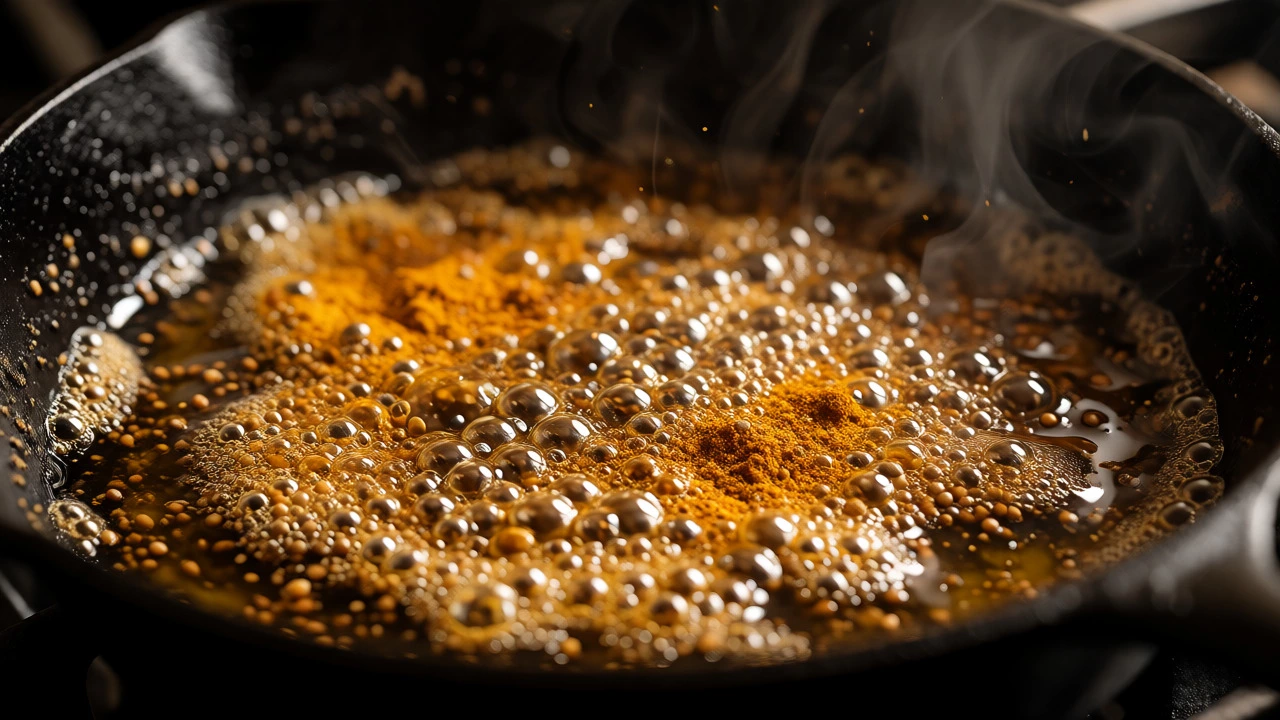
Even with the perfect ingredients, you can ruin a curry by adding them incorrectly. Spices are fat-soluble. This means their flavors release best in oil or ghee, not water. If you dump dry curry powder directly into a watery broth, it will clump and taste raw and gritty.
Follow this rule: Bloom your spices. Heat your oil, add whole seeds first (mustard, cumin), then add ground spices (turmeric, coriander, chili). Stir constantly for 30-60 seconds until fragrant. Do not let them burn. Once bloomed, add your wet ingredients (onions, tomatoes, yogurt). This step locks the flavor into the sauce rather than letting it float on top. This technique transforms a list of ingredients into a cohesive dish.
Building Your Own Blend
If you want to take control of your curry's identity, mix your own. Here is a foolproof ratio for a versatile chicken curry base:
- 4 parts Coriander Powder (for body and sweetness)
- 2 parts Cumin Powder (for depth)
- 1 part Turmeric Powder (for color and earthiness)
- 1 part Chili Powder (adjust for heat preference)
- Optional: 1/2 part Ginger Powder and 1/2 part Garlic Powder
Mix these in a small bowl. Use this blend for your main cooking phase. Then, reserve a separate spoonful of Garam Masala (which typically includes cardamom, cloves, and cinnamon) to stir in during the last five minutes of cooking. This layering approach ensures your curry has both a robust base and a complex, aromatic finish.
Is curry powder a single spice?
No, curry powder is a blend of multiple spices. While turmeric is the primary ingredient that gives it the yellow color, the blend also typically includes cumin, coriander, fenugreek, and chili peppers. There is no single plant called "curry."
Why does my homemade curry taste bland?
Blandness usually results from under-seasoning or failing to bloom the spices in oil. Spices need fat and heat to release their essential oils. Also, check the freshness of your spices; old curry powder loses its potency quickly. Adding salt in layers throughout the cooking process helps build flavor.
What is the difference between curry powder and garam masala?
Curry powder is a British-influenced blend designed to be cooked with the main ingredients, featuring high amounts of turmeric and chili. Garam Masala is an Indian blend of warming spices (cardamom, cinnamon, cloves) added at the end of cooking to preserve its delicate aroma. They serve different roles in a dish.
Can I make curry without turmeric?
Yes, but it won't look or taste like traditional curry. Without turmeric, the dish will lack the signature yellow color and the earthy base note. It might resemble a stew or a different type of saucy dish, depending on the other spices used.
Which spice gives curry its smell?
The distinct smell is a combination, but cumin provides the strongest savory aroma, while coriander adds a citrusy note. Fenugreek contributes a maple-like scent often associated with restaurant curries. No single spice accounts for the entire smell.
