What is a Classic Indian Dish? The Ultimate Guide to Authentic Flavors
 Aug, 18 2026
Authenticity Checker: Is It a Classic?
Click on a dish below to explore what makes it a "classic" according to heritage, technique, and flavor balance.
Walk into any Indian restaurant or visit a friend's home in India, and you’ll quickly realize there isn’t just one "Indian dish." There are hundreds. But if you had to pick the single most iconic representation of Classic Indian Cuisine a diverse culinary tradition characterized by complex spice blends, aromatic herbs, and slow-cooked techniques that vary significantly across regions, what would it be? Is it the fiery street food of Delhi or the coconut-rich curries of Kerala? For many people outside India, the answer often points to a few heavy hitters: Butter Chicken, Chole Bhature, or perhaps a well-made Dal Makhani. However, understanding what makes a dish "classic" requires looking beyond just popularity. It’s about heritage, technique, and the specific balance of flavors that define the region it comes from.
In this guide, we’re breaking down the concept of a classic Indian dish. We’ll look at the foundational elements that make these recipes timeless, explore the top contenders for the title, and provide practical insights on how to identify authentic preparations versus modern adaptations. Whether you’re a home cook trying to elevate your skills or a curious eater wanting to understand what you’re tasting, this deep dive will clarify the landscape of traditional Indian cooking.
The Anatomy of a Classic: What Makes It "Classic"?
Before naming specific dishes, let’s define the criteria. A dish earns the label "classic" not just because it’s old, but because it has survived generations without losing its core identity. This usually involves three key components:
- Regional Roots: Unlike fusion cuisines, classics are tied to a specific geography. North Indian Cuisine cooking style from the northern plains of India, known for wheat-based breads like naan and roti, dairy-heavy gravies, and robust spice profiles differs vastly from South Indian Cuisine culinary traditions from southern states like Tamil Nadu and Kerala, featuring rice-based staples, fermented batters, coconut milk, and lighter, tangier spices.
- Technique-Driven Flavor: Classics rely on specific methods. You can’t fake the smokiness of Tandoor Cooking a high-heat clay oven method used to bake breads and roast meats, imparting a distinct charred flavor and texture with a standard oven. Similarly, the depth of a curry often comes from tempering spices (tadka) in hot oil or ghee, a process that releases essential oils.
- Balanced Spice Profile: "Spicy" is a common misconception. A true classic balances heat with sweetness, acidity, and aroma. Garam Masala a cornerstone spice blend in Indian cooking, typically containing cumin, coriander, cardamom, cinnamon, cloves, and black pepper, added near the end of cooking to preserve volatile aromas is the prime example-it adds warmth and complexity, not just fire.
Top Contenders for the Title of "The" Classic Dish
If we were to hold a vote, these five dishes consistently rise to the top. Each represents a different aspect of Indian culinary heritage.
1. Butter Chicken (Murgh Makhani)
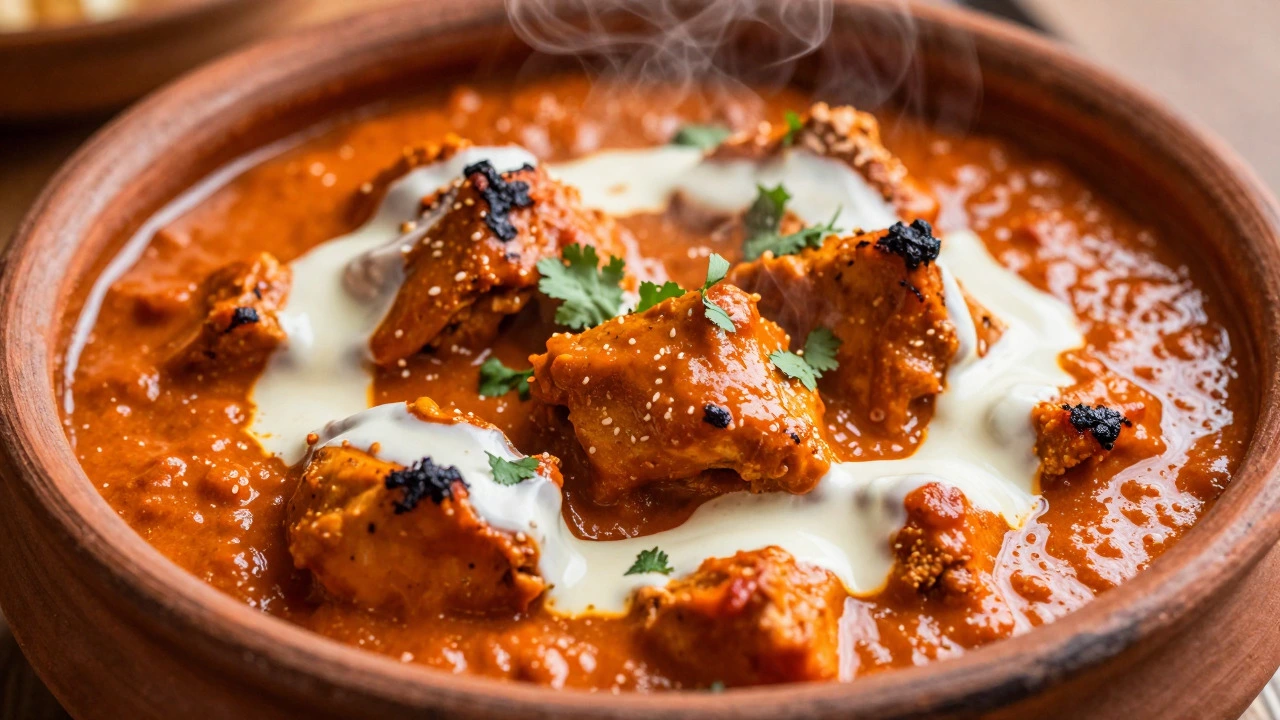
Originating in Delhi in the 1950s, Butter Chicken a rich, creamy tomato-based gravy containing chunks of chicken, butter, cream, and mild spices, widely considered one of the most popular Indian dishes globally is arguably the most recognized Indian dish worldwide. It was created by Kundan Lal Gujral to use up leftover tandoori chicken. The sauce is smooth, slightly sweet, and deeply savory. While often seen as a "safe" introduction to Indian food, mastering the balance of tomato acidity against the richness of cream and butter is actually quite difficult. It’s a testament to how a simple idea-rescuing dry meat with a luxurious sauce-can become a global icon.
2. Chole Bhature
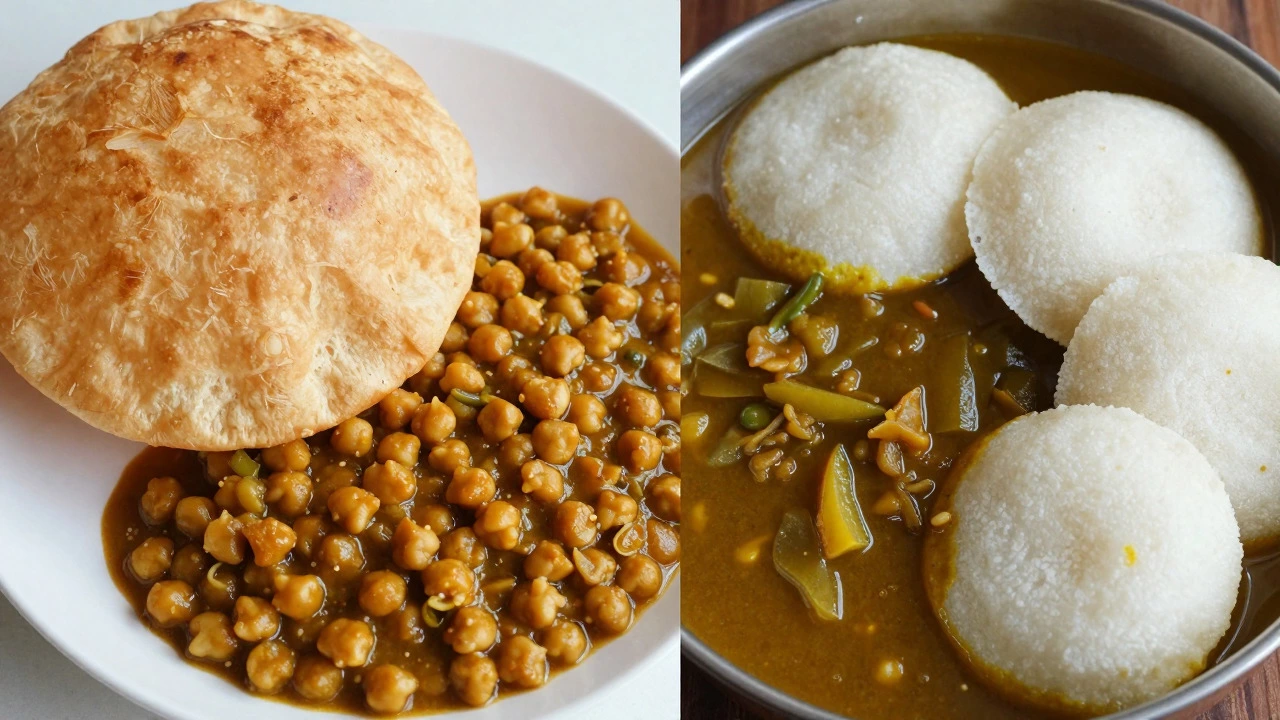
This Punjabi staple is a study in contrasts. Chole a chickpea curry cooked with onions, tomatoes, and a blend of spices including amchur (dried mango powder) for tanginess is dense, spiced, and hearty. Bhature a large, puffy, deep-fried leavened bread made from whole wheat flour, traditionally served with chole or other curries is light, airy, and fried. The combination creates a meal that is both filling and texturally interesting. It’s a breakfast or brunch favorite in North India and remains a strong candidate for "classic" due to its ubiquity in local dhabas (roadside eateries).
3. Dal Makhani
For vegetarians, Dal Makhani a black lentil stew simmered for hours with butter, cream, and tomatoes, originating from Punjab, known for its thick, velvety consistency and deep earthy flavor is the gold standard. The name translates to "buttery dal." The secret lies in the long simmering time-often overnight-which breaks down the black lentils (urad dal) into a creamy paste. It’s less about intense heat and more about umami depth. If you’ve never tasted a properly made Dal Makhani, you haven’t experienced the full spectrum of vegetarian Indian cooking.
4. Biryani
You can’t talk about classics without mentioning Biryani a layered rice dish cooked with marinated meat or vegetables, saffron, and whole spices, sealed and slow-cooked to allow flavors to infuse into the grains. But which one? Hyderabadi, Lucknowi, Kolkata? Each city has its own version. Hyderabadi Biryani is known for its distinct layers of raw and cooked rice, while Lucknowi is subtler and uses more saffron. Despite the variations, the core technique-layering basmati rice with spiced ingredients and sealing the pot (dum cooking)-remains constant. It’s a festive dish, often associated with weddings and Eid, making it culturally significant beyond just being tasty.
5. Idli Sambar
Representing the South, Idli steamed cakes made from fermented batter of black lentils and rice, soft, spongy, and mildly sour, typically served with sambar and chutney might seem humble compared to the rich gravies of the North. But it’s a masterpiece of fermentation. The batter must be prepared correctly to achieve that perfect sponginess. Served with Sambar a vegetable and lentil stew flavored with tamarind, turmeric, and mustard seeds, serving as a spicy, tangy accompaniment to idli or dosa, it offers a refreshing, probiotic-rich alternative to heavier meals. It’s the everyday classic, the dish that sustains daily life in Southern households.
Comparison: North vs. South Classics
To help you decide which "classic" aligns with your taste, here’s a quick comparison of the dominant styles.
| Feature | North Indian Classics | South Indian Classics |
|---|---|---|
| Primary Staple | Wheat (Naan, Roti, Paratha) | Rice (Steamed, Curd Rice, Idli/Dosa) |
| Key Fats | Ghee, Butter, Cream | Coconut Oil, Coconut Milk |
| Flavor Profile | Rich, Earthy, Spiced, Sweet-Savory | Tangy, Lighter, Fermented, Herbal |
| Signature Dish | Butter Chicken, Dal Makhani | Idli Sambar, Masala Dosa |
| Cooking Method | Tandoor, Slow Simmering | Steaming, Tempering (Tadka), Fermentation |
How to Identify an Authentic Classic at Home
When you’re cooking or eating out, how do you know if you’re getting the real deal? Here are three practical checks.
- Check the Aromatics: Authentic dishes smell of whole spices before they even hit your tongue. If a curry smells only of chili powder, it might be missing the base of cumin, coriander, and bay leaves. The aroma should be complex, not one-dimensional.
- Look for Texture Layers: Classics aren’t uniform. A good Biryani has separate grains of rice, some crisp, some tender. A proper Chole has whole chickpeas that hold their shape but yield easily. If everything is mushy, the cooking time or technique was likely off.
- Taste the Balance: Take a small bite. Do you taste the salt first? Or the spice? In a classic, the salt should support the flavor, not dominate it. The heat should linger pleasantly, not burn immediately. Acidity (from tomatoes, tamarind, or yogurt) should cut through the richness.
Common Misconceptions About "Classic" Dishes
One major myth is that all Indian food is extremely spicy. In reality, many classics are mild. Butter Chicken is often described as medium-mild. Idli is barely spicy at all. The "spice" in Indian cooking refers to masala (spices), not just chili heat. Cardamom, cinnamon, and cloves contribute heavily to the profile without adding capsaicin.
Another misconception is that "restaurant-style" equals "authentic." Many restaurants modify recipes for speed or mass appeal. They might use pre-made pastes instead of grinding fresh spices, or add extra sugar to balance acidity. At home, taking the extra 10 minutes to toast your whole spices and grind them yourself changes the entire character of the dish. That freshness is what separates a homemade classic from a commercial imitation.
Getting Started: Your First Classic Recipe
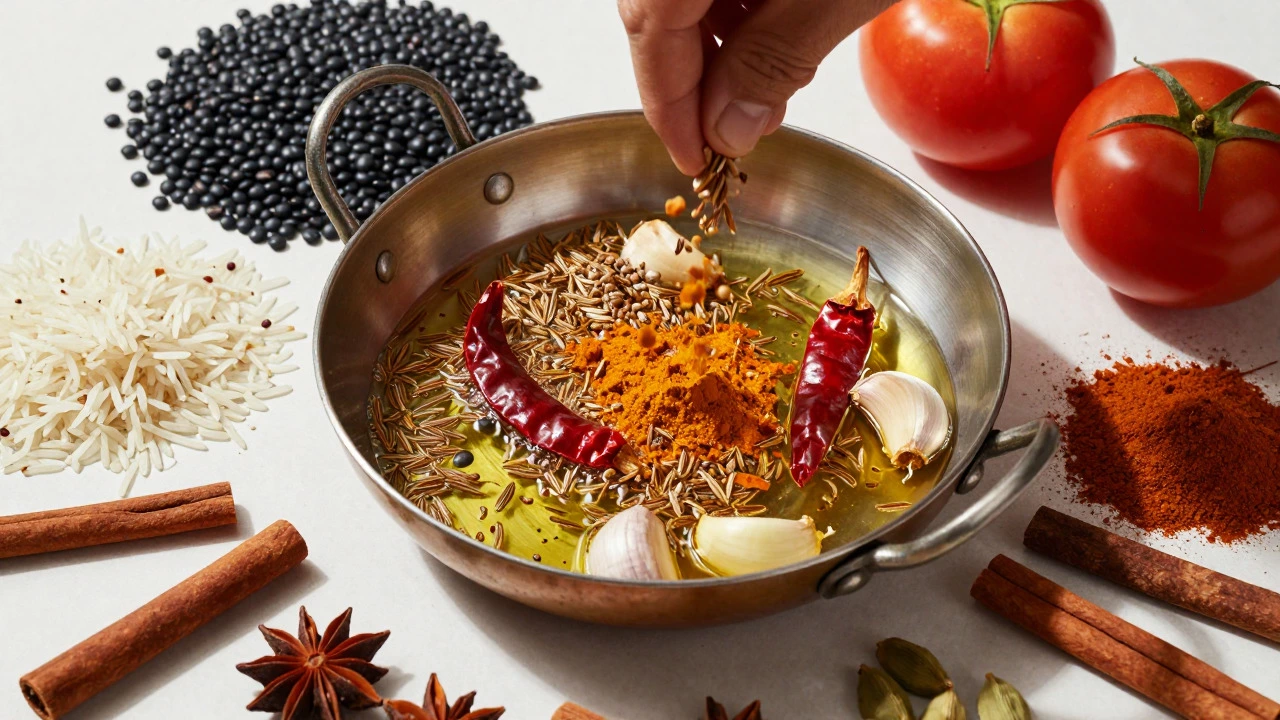
If you want to try making a classic at home, start with something manageable but impactful. Dal Tadka is an excellent entry point. It’s vegetarian, relatively cheap, and teaches you the fundamental technique of tempering spices. You cook yellow lentils until soft, then pour hot oil with cumin seeds, garlic, dried red chilies, and turmeric over the top. The sizzle is part of the experience. It’s simple, forgiving, and undeniably delicious. Once you master that, move to a gravy-based dish like Paneer Butter Masala or a rice dish like Jeera Rice. Building confidence with simpler classics ensures that when you tackle complex dishes like Biryani, you have the foundational skills to pull it off.
Frequently Asked Questions
Is Butter Chicken really an Indian classic?
Yes, though it is a relatively recent invention (1950s). It has been adopted so thoroughly across India and globally that it now holds the status of a classic. Its widespread availability and consistent flavor profile cement its place in the canon of Indian cuisine.
What is the difference between a curry and a classic Indian dish?
"Curry" is a broad Western term for any spiced dish with a sauce. A "classic Indian dish" implies a specific recipe with historical roots, standardized ingredients, and a defined cooking method. Not all curries are classics; many are regional variations or modern inventions. Classics have stood the test of time and cultural acceptance.
Which classic Indian dish is best for beginners to cook?
Dal Tadka or Jeera Rice are ideal starting points. They require fewer ingredients, have shorter cooking times, and teach fundamental techniques like tempering spices and balancing flavors. These dishes are forgiving and rarely fail if basic instructions are followed.
Do I need a Tandoor oven to make authentic Indian food?
No. While a Tandoor provides unique smoke and high heat, most classic dishes can be replicated in a conventional oven or stovetop. For Tandoori chicken, a broiler setting works well. For Naan, a cast-iron skillet or pizza stone can approximate the texture. The spices and marinades matter more than the specific equipment for flavor authenticity.
Are South Indian dishes considered "lighter" than North Indian ones?
Generally, yes. South Indian cuisine relies more on steamed foods (idli, dosa) and coconut oil, which is perceived as lighter than the ghee, butter, and cream prevalent in North Indian cooking. However, this varies by specific dish. A rich Malabar fish curry, for example, is quite heavy despite being from the South.
