What is Tandoori Sauce Made Of? Ingredients & Recipe Breakdown
 Oct, 13 2026
Tandoori Marinade Calculator
Enter the weight of your main ingredient (chicken, paneer, fish, or veggies) to get the perfect marinade ratio. This tool uses the standard ratio from the article: ~1 cup thick yogurt per 1kg of protein.
Ingredients List
Marination Time: Minimum 4 hours, preferably overnight.
Cooking Temp: High heat (230°C / 450°F).
Note: Add Garam Masala towards the end of mixing to preserve aroma.
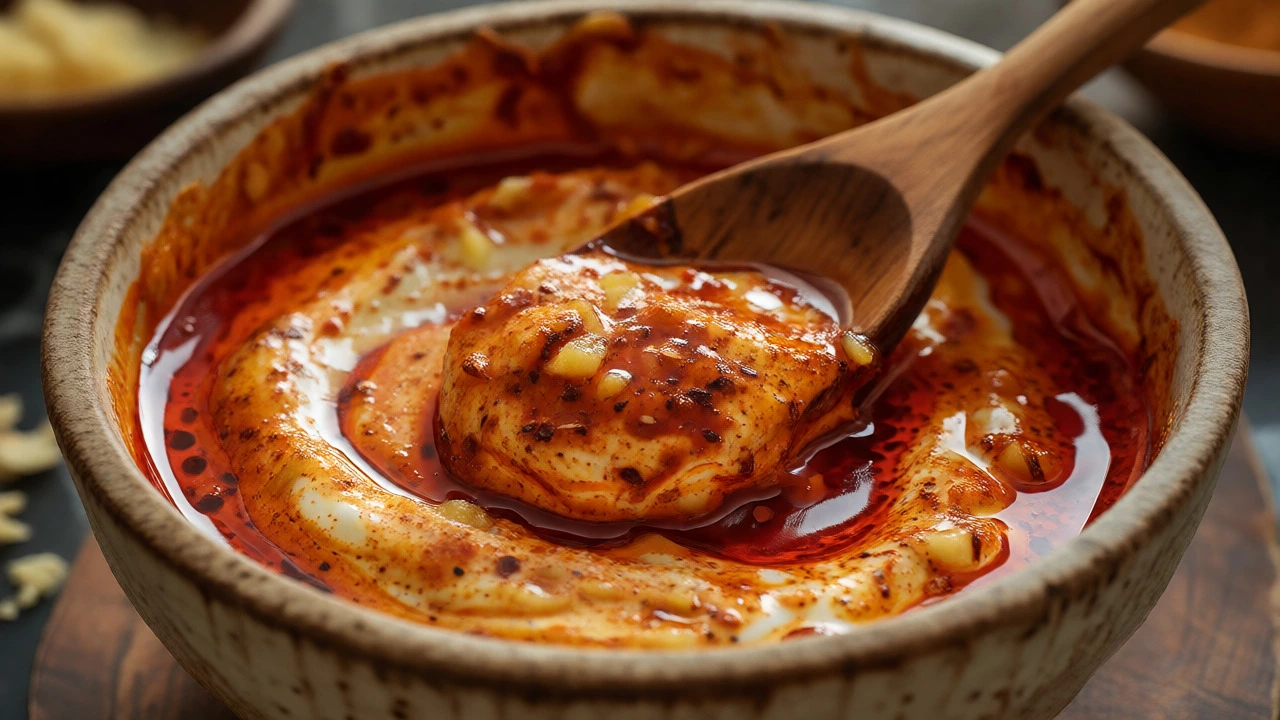
You’ve seen it glowing bright red in every Indian restaurant window. You’ve tasted that smoky, tangy kick on a piece of chicken and wondered, what is tandoori sauce made of? Here’s the secret most menus won’t tell you: there isn’t one single "tandoori sauce" sitting in a jar. What you’re actually tasting is a complex marinade that transforms raw meat into something magical through heat and time.
If you’ve ever tried to replicate that restaurant flavor at home and ended up with something bland or weirdly orange, you’re not alone. The confusion usually stems from mixing up the marinade with the serving sauce. Let’s clear that up right now. The core of tandoori flavor comes from a yogurt-based marinade packed with specific spices and acids. It’s not about dumping ketchup on chicken; it’s about chemistry.
The Base: Why Yogurt is Non-Negotiable
At the heart of any authentic tandoori marinade is thick, full-fat yogurt. This isn’t just for creaminess. Yogurt serves three critical jobs simultaneously. First, it acts as a tenderizer. The lactic acid and calcium in yogurt break down protein structures in the meat, making it fall-off-the-bone soft without turning it mushy like some commercial enzymes do.
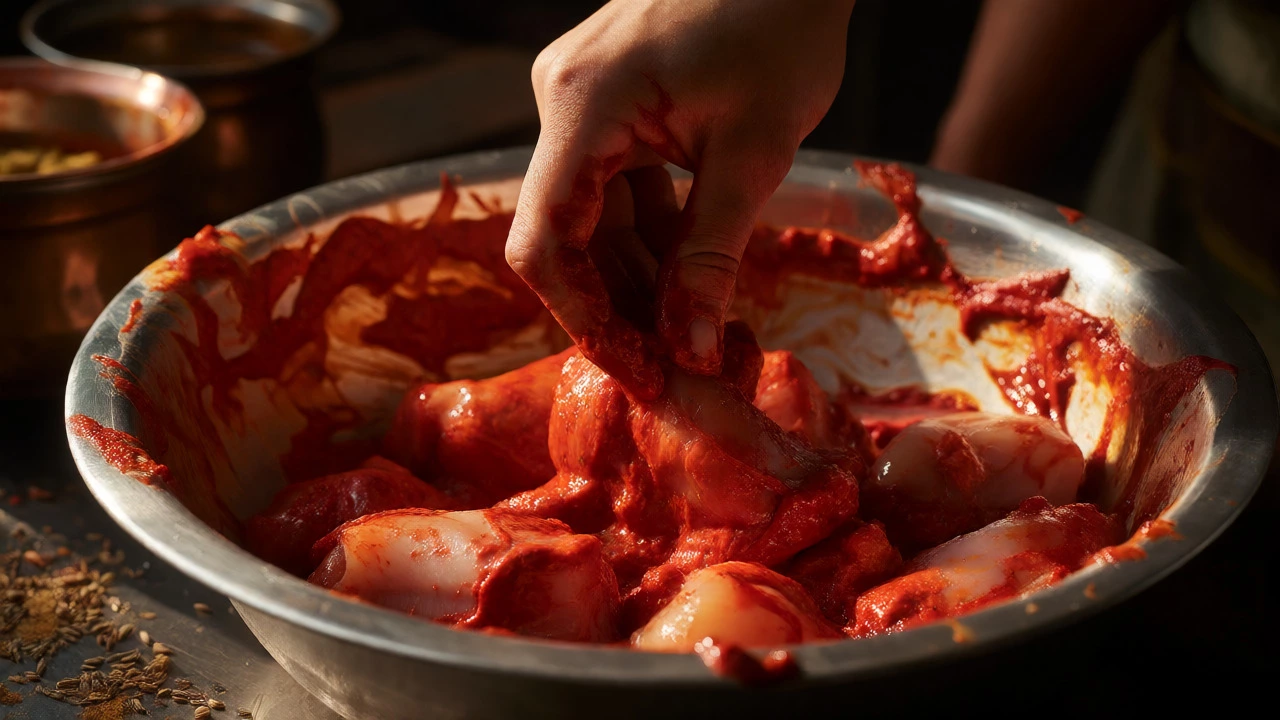
Second, yogurt helps the spices stick. If you rub dry spices on wet chicken, they slide off. The thick consistency of Greek-style yogurt or hung curd creates a paste that clings to every crevice of the meat. Third, it protects the meat from drying out under high heat. When you cook tandoori chicken in a regular oven, the yogurt forms a protective crust that keeps the interior juicy while the exterior chars.
Pro Tip: Never use low-fat or non-fat yogurt. It lacks the fat content needed to carry fat-soluble flavors (like turmeric and chili) and tends to split when heated, leaving you with a watery mess instead of a rich coating.
The Spice Blend: Beyond Just "Curry Powder"
People often assume tandoori spice is just curry powder. Wrong. Curry powder is a British invention designed for mildness. Authentic tandoori masala is bold, aromatic, and layered. While recipes vary by region and family, here are the heavy hitters you need to look for:
- Kashmiri Red Chili Powder: This gives the signature vibrant red color without extreme heat. Regular cayenne will burn your mouth before you taste anything else.
- Garam Masala: A warm blend of cinnamon, cardamom, cloves, and cumin. Add this toward the end of marinating to preserve its volatile oils.
- Turmeric: For earthiness and color stability.
- Cumin and Coriander Seeds: Ground fresh if possible. Pre-ground loses potency fast.
- Garlic and Ginger Paste: Fresh grated ginger and crushed garlic provide the sharp, pungent backbone that cuts through the richness of the yogurt.
Some regional variations include dried fenugreek leaves (kasuri methi) for a maple-like sweetness or amchur (dry mango powder) for extra tang. But the core trio remains ginger, garlic, and Kashmiri chili.
The Acid Factor: Lemon Juice vs. Vinegar
You’ll notice many recipes call for lemon juice. Some use vinegar. Does it matter? Yes. Lemon juice provides a fresh, citrusy brightness that pairs beautifully with the charred notes of grilled meat. Vinegar offers a sharper, more persistent acidity that can help preserve the marinade longer.
In traditional Punjabi-style tandoori, lemon juice is preferred. It reacts with the yogurt to create a slightly thicker consistency and adds a subtle floral note. If you’re using vinegar, go for white distilled or apple cider vinegar, but use half the amount compared to lemon juice. Too much acid can make the yogurt curdle prematurely, leading to a grainy texture rather than a smooth glaze.
| Ingredient | Primary Function | Flavor Profile | Substitute Option |
|---|---|---|---|
| Full-Fat Yogurt | Tenderizing & Coating | Tangy, Creamy | Greek Yogurt (strained) |
| Kashmiri Chili | Color & Mild Heat | Sweet, Smoky | Paprika + Pinch Cayenne |
| Lemon Juice | Acidity & Brightness | Fresh, Citrusy | Amchur (Mango Powder) |
| Ginger-Garlic Paste | Aromatic Depth | Pungent, Sharp | Jarred Paste (less ideal) |
The Color Myth: Is Food Coloring Necessary?
Walk into any dhaba in Delhi, and the chicken looks neon orange. Is that natural? Mostly, no. Traditional tandoori gets its deep red hue from Kashmiri chilies and paprika. However, many commercial kitchens add a drop of red food coloring to make the dish pop visually under fluorescent lights.
Should you add it? If you want Instagram-worthy photos, sure. But for flavor, it adds nothing. In fact, relying solely on natural ingredients like turmeric and chili powder results in a more sophisticated, earthy brown-red color that signals authenticity. Skip the dye if you care about clean eating.
Distinguishing Marinade from Serving Sauce
Here’s where things get confusing. When people ask "what is tandoori sauce made of," they might mean the green mint chutney served on the side, or the creamy dipping sauce found in Westernized versions. Let’s separate these entities.
The marinade cooks with the chicken. It becomes part of the meat’s crust. The serving sauce is added after cooking. Common accompaniments include:
- Mint-Cilantro Chutney: Made from fresh herbs, green chilies, yogurt, and lemon. It cools down the heat.
- Onion Salad: Sliced red onions soaked in lemon water. Provides crunch and acidity.
- Raita: A cucumber-yogurt salad that acts as a palate cleanser.
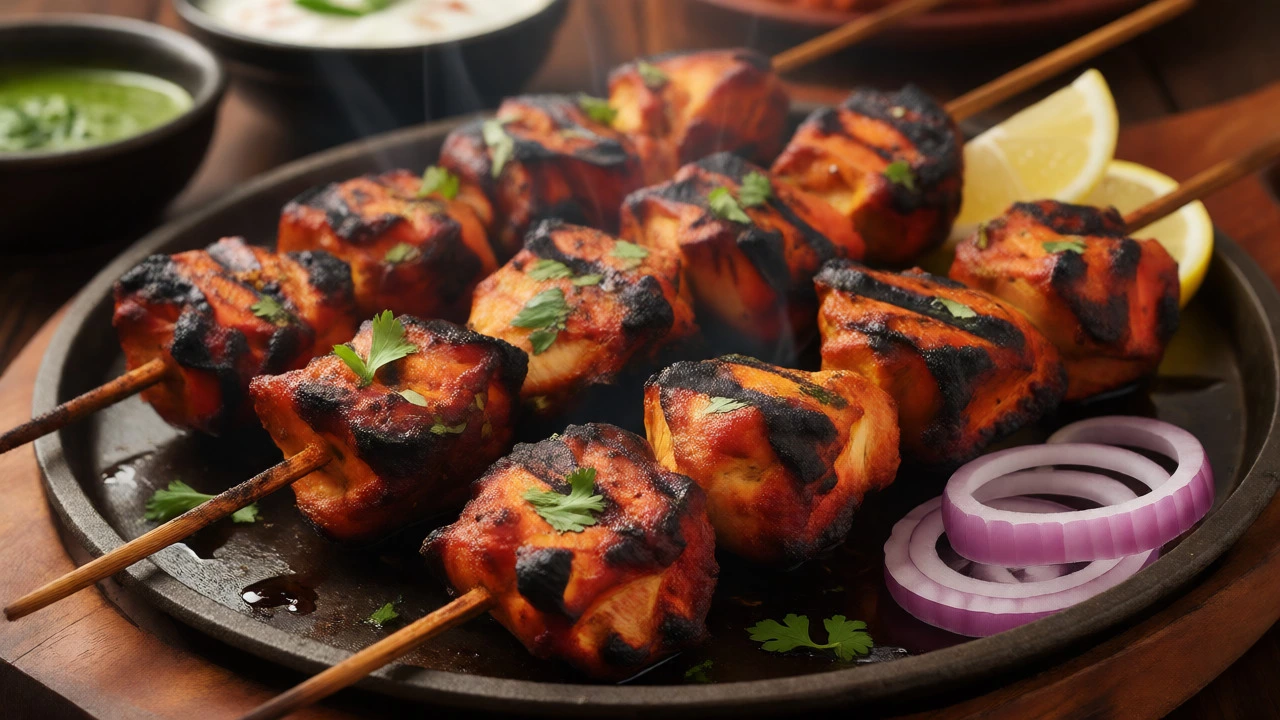
If you’re looking for a creamy dip similar to what you find in American Indian restaurants, that’s often a mayonnaise-based mixture with tandoori spices mixed in. That’s not traditional, but it’s popular for dipping naan.
Step-by-Step: Making the Perfect Marinade at Home
Ready to try this yourself? Here’s a foolproof ratio for 1 kg (2.2 lbs) of chicken thighs or breast chunks.
- Prep the Chicken: Cut meat into bite-sized pieces. Make shallow slits in larger chunks so the marinade penetrates deep.
- Mix Dry Spices: Combine 2 tbsp Kashmiri chili powder, 1 tsp turmeric, 1 tsp garam masala, 1 tsp cumin powder, and salt to taste.
- Add Wet Ingredients: In a bowl, mix 1 cup thick yogurt, 1 tbsp ginger-garlic paste, 2 tbsp lemon juice, and 1 tbsp mustard oil (or vegetable oil).
- Combine: Fold the dry spices into the wet mixture until smooth.
- Marinate: Coat the chicken thoroughly. Cover and refrigerate for at least 4 hours, preferably overnight. The longer it sits, the deeper the flavor.
When you’re ready to cook, scrape off excess marinade if you’re grilling to prevent flare-ups, but leave enough to char nicely. High heat is key. Aim for 230°C (450°F) in an oven or a screaming hot grill.
Common Pitfalls to Avoid
Even with great ingredients, mistakes happen. Here’s what ruins tandoori flavor:
- Using Watery Yogurt: If your yogurt drips off the spoon, strain it through cheesecloth for an hour. Water dilutes flavor and prevents browning.
- Over-marinating with Acid: Leaving chicken in lemon-heavy marinade for more than 24 hours can start breaking down proteins too aggressively, resulting in a chalky texture.
- Burning the Garlic: Garlic burns quickly. If you’re pan-frying, keep the heat moderate. In a tandoor or oven, the yogurt protects it somewhat, but direct flame contact requires vigilance.
Variations: Paneer, Fish, and Vegetables
The beauty of this base is its versatility. Swap chicken for paneer cubes, and you have tandoori paneer tikka. Use firm white fish like cod or salmon, reducing marination time to 1 hour. For veggies, bell peppers, onions, and mushrooms work wonders. They absorb the smoky flavors beautifully and offer a vegetarian alternative that doesn’t feel like a compromise.
Just remember: vegetables release more water than meat. Pat them dry thoroughly before marinating, or you’ll end up steaming them instead of roasting them.
Is tandoori sauce spicy?
It depends on the chef, but traditionally, it has a medium heat level. The Kashmiri chili provides warmth rather than intense burning. You can easily adjust the spice level by reducing the chili powder or removing seeds from fresh chilies used in the marinade.
Can I make tandoori sauce without yogurt?
You can, but you lose the tenderizing effect and the characteristic tang. Some vegan versions use coconut milk or cashew cream, but the flavor profile shifts significantly toward tropical notes rather than the classic North Indian taste.
Why does my tandoori chicken turn pale?
Pale chicken usually means two things: insufficient heat or lack of sugar/caramelization agents. Ensure your oven is preheated properly. Adding a teaspoon of honey or tomato puree to the marinade can help promote browning via the Maillard reaction.
What is the difference between tandoori and tikka?
Tikka refers to boneless chunks of meat marinated and skewered. Tandoori traditionally referred to whole chickens cooked in a clay oven, but today the terms are often used interchangeably. Tikka is almost always boneless; tandoori can be bone-in.
How long does homemade tandoori marinade last?
Stored in an airtight container in the refrigerator, the marinade itself lasts up to 5 days. Once applied to raw chicken, consume within 24-48 hours for best quality and safety.
