What Is the #1 Superfood in Indian Cuisine?
 Dec, 16 2025
Moringa Superfood Comparison Tool
Your Moringa Benefits
One gram of moringa leaves provides:
If you’ve ever scrolled through social media wondering what the #1 superfood really is, you’ve probably seen a dozen answers: chia seeds, kale, acai, quinoa. But if you’re looking for something that’s been feeding families in India for centuries-something that grows wild in backyards, costs less than a cup of tea, and packs more nutrients than any trendy import-then you’re not looking at a fad. You’re looking at moringa.
Moringa isn’t just a leaf. It’s a nutrition powerhouse.
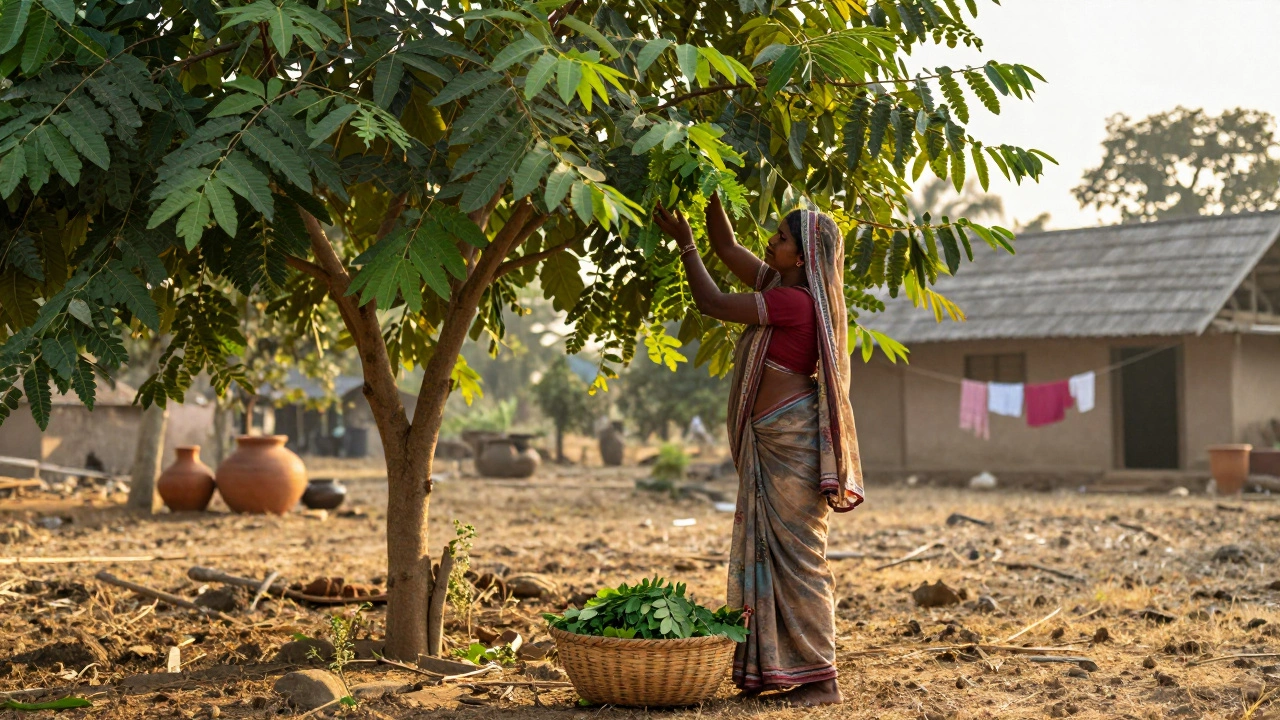
Moringa oleifera, often called the drumstick tree or horseradish tree, isn’t new. In rural India, it’s been used for generations-not as a supplement, but as food. The leaves, pods, seeds, and even flowers are all eaten. But the leaves? They’re the real deal. Just one cup of chopped fresh moringa leaves gives you:
- 7 times the vitamin C of oranges
- 4 times the calcium of milk
- 3 times the potassium of bananas
- 2 times the protein of yogurt
- And more iron than spinach
And it’s not just about numbers. These nutrients are bioavailable-your body can actually use them. Unlike synthetic vitamins in pills, moringa delivers them in a natural matrix with antioxidants, fiber, and phytonutrients that work together. A 2023 study from the Indian Journal of Medical Research found that regular consumption of moringa leaves improved iron status in women with mild anemia within 8 weeks-without supplements.
Why moringa beats the hype superfoods
Let’s be real. Acai berries cost $20 a pack. Kale is expensive and wilts in two days. Moringa? You can buy dried moringa powder for under $5 a jar-and it lasts a year. Or better yet, if you live near a market that sells Indian groceries, you can find fresh moringa leaves for pennies. In villages across Tamil Nadu or Uttar Pradesh, women pick the leaves every morning. They don’t call it a superfood. They just call it sahjan-and they know it keeps their kids healthy during monsoon season.
Compare that to goji berries, which are often imported from China and treated with sulfites to preserve color. Or spirulina, which requires controlled algae farms and can be contaminated with heavy metals if not sourced carefully. Moringa grows in dry, poor soil. It doesn’t need fertilizers. It doesn’t need shipping across oceans. It just grows-and feeds people.
How to eat moringa as a healthy Indian snack
You don’t need a blender or a fancy recipe. Moringa fits naturally into everyday Indian eating habits. Here’s how real people use it:
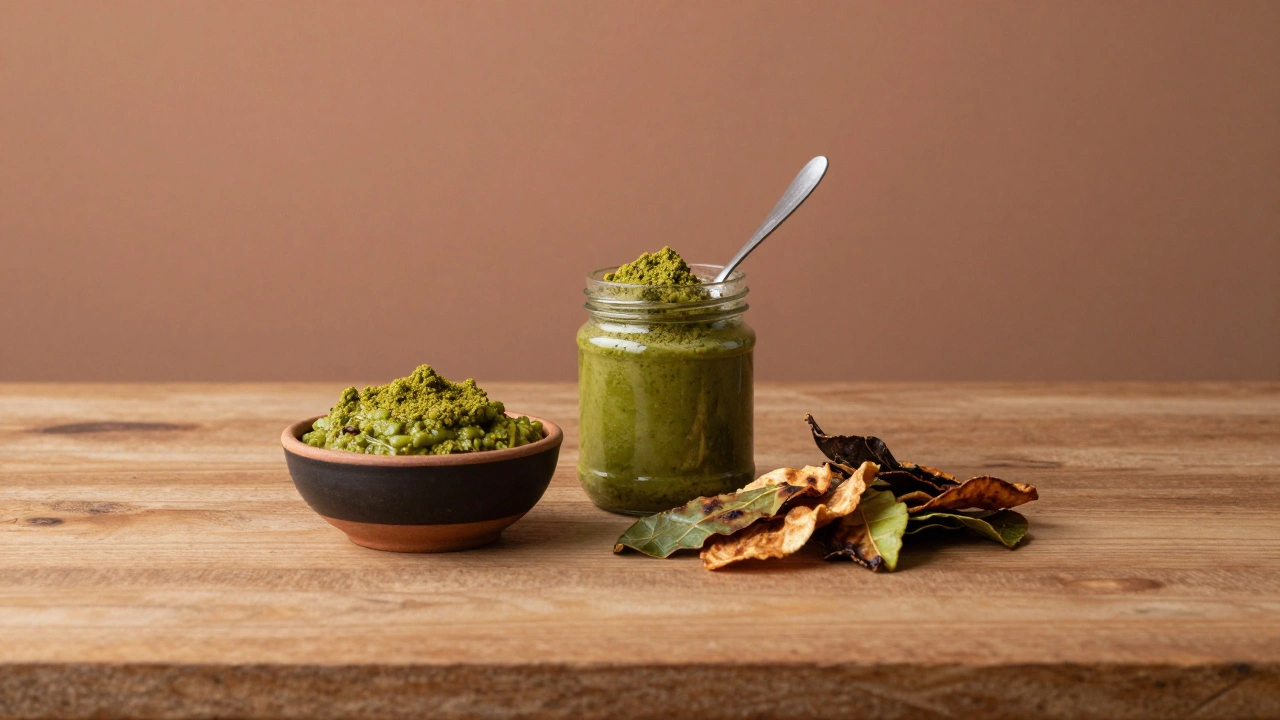
- Moringa chutney: Blend fresh moringa leaves with green chilies, garlic, tamarind, and a pinch of salt. Eat it with millet roti or rice cakes. It’s tangy, peppery, and packed with iron.
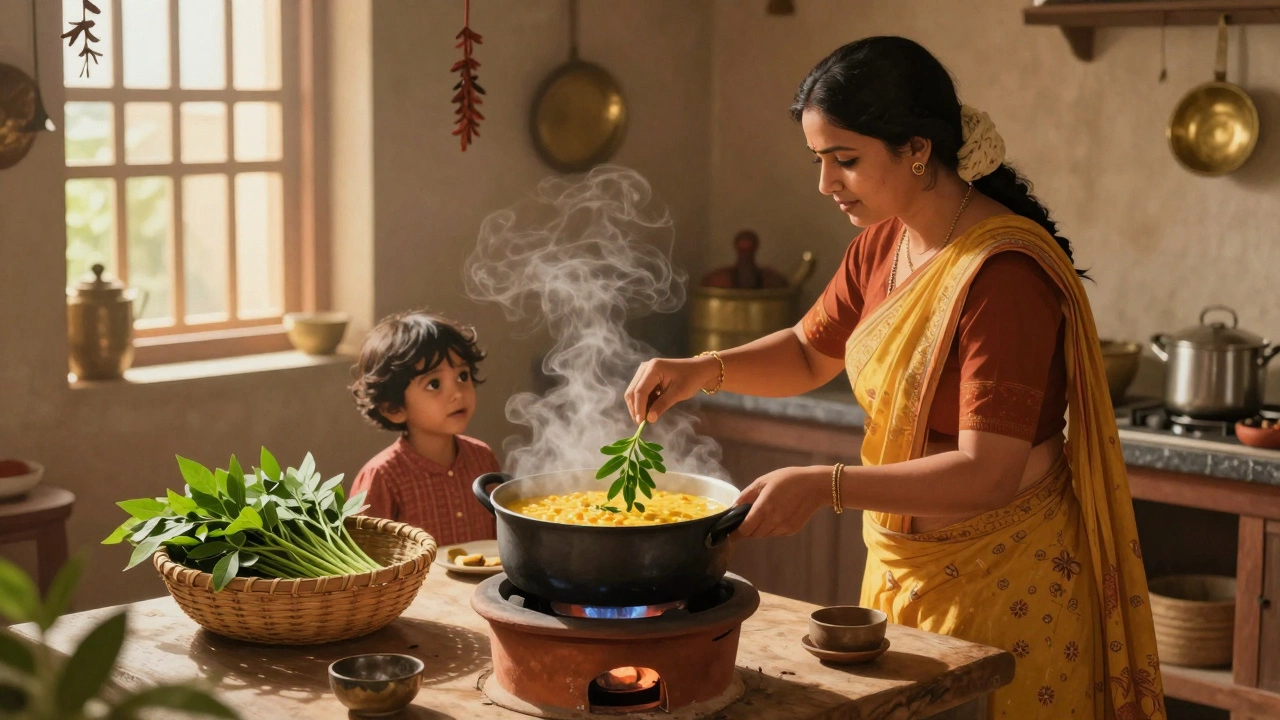
- Moringa dal: Add a handful of chopped leaves to your everyday toor dal while it simmers. The leaves soften and disappear into the broth, adding nutrients without changing the flavor.
- Moringa powder smoothie: Stir a teaspoon of moringa powder into your morning lassi or coconut water. It tastes like earthy spinach-mild enough that kids won’t notice.
- Roasted moringa snacks: Toss dried moringa leaves with a little oil and salt, then roast them in the oven until crispy. They turn into crunchy, nutrient-dense chips. Better than any store-bought kale chip.
One mother in Jaipur told me she gives her 5-year-old a small bowl of moringa chutney with his mid-morning snack. He used to get sick every winter. Now, he doesn’t miss a day of school. She doesn’t call it medicine. She calls it ghar ka khana-home food.
What about other Indian superfoods?
Of course, India has other nutrient-rich foods. Amaranth (rajgira) is high in protein. Flaxseed (alsi) is full of omega-3s. Black sesame (til) has calcium and zinc. But none of them match moringa’s combination of breadth and accessibility.
Amarnath needs to be ground and cooked properly to avoid anti-nutrients. Flaxseed must be ground to release its benefits-and even then, it’s mostly one nutrient. Moringa? You can eat it raw, cooked, powdered, or fried. It’s versatile, stable, and safe for all ages.
And unlike quinoa-which is expensive and not native to India-moringa is grown here. It’s part of the soil, the climate, the culture. It’s not imported. It’s not trendy. It’s just… there.
Where to find moringa in India (and beyond)
If you’re in India, look for moringa leaves at:
- Local vegetable markets (especially in South India)
- Weekly haats (rural markets)
- Organic stores that source from small farmers
If you’re outside India, check:
- Indian grocery stores (look for fresh leaves in the produce section or dried powder in the spice aisle)
- Online retailers that sell authentic, non-irradiated moringa powder
- Ask for ‘drumstick leaves’ or ‘sahjan’-not just ‘moringa’
Avoid powders that smell like grass clippings or taste bitter. Good moringa powder has a fresh, green, slightly nutty aroma. If it smells musty, it’s old or poorly stored.
Who should avoid moringa?
Most people can eat moringa safely. But there are two exceptions:
- Pregnant women should avoid moringa root and bark-they contain compounds that can stimulate contractions. The leaves and pods? Safe in food amounts.
- People on thyroid medication should monitor their intake. Moringa contains goitrogens, which in very large doses might interfere with iodine uptake. But normal culinary use? No problem.
That’s it. No other warnings. No allergies reported in clinical studies. No side effects from eating it daily for years. It’s one of the safest, most effective foods on the planet.
Why this isn’t just another superfood trend
The word ‘superfood’ gets thrown around like confetti. But moringa isn’t a marketing term. It’s a legacy. For centuries, Indian healers used it to treat infections, reduce inflammation, and boost energy. Modern science is just catching up.
And here’s the truth: You don’t need to buy expensive powders or fancy snacks to get the benefits. You just need to eat more of what’s already growing around you. Moringa is the #1 superfood-not because it’s exotic, but because it’s simple, affordable, and deeply rooted in real food culture.
Next time you’re looking for a healthy Indian snack, skip the packaged chips. Grab some moringa leaves. Make a chutney. Roast them. Stir them into your dal. Your body will thank you-not because it’s trendy, but because it’s true food.
Is moringa really the #1 superfood?
Yes, based on nutrient density, availability, cultural use, and scientific backing, moringa stands out. It offers more vitamins, minerals, and antioxidants per gram than most other plants-and it’s been used as food, not just a supplement, for centuries in India. No other single food matches its combination of nutrition, affordability, and ease of use.
Can I eat moringa every day?
Absolutely. In India, people consume moringa leaves daily in curries, chutneys, and soups. A handful of fresh leaves or a teaspoon of powder per day is safe and beneficial. There are no known long-term side effects from regular dietary use.
Where can I buy moringa powder?
Look for moringa powder at Indian grocery stores, health food shops, or trusted online brands like Organic India, VedaOils, or Himalayan Organics. Choose products labeled ‘cold-pressed’ or ‘sun-dried’ and avoid those with added fillers or artificial flavors. Check the smell-it should be fresh and green, not musty.
Does moringa help with weight loss?
Moringa doesn’t directly burn fat, but it supports weight management. Its high fiber content keeps you full longer, and its nutrients help regulate blood sugar and reduce cravings. Replacing processed snacks with moringa chutney or roasted leaves can cut empty calories while boosting nutrition.
Is moringa good for kids?
Yes. Moringa is one of the few superfoods safe and suitable for children. Its mild flavor blends well into dals, smoothies, and rotis. Many Indian mothers add it to their kids’ meals to prevent anemia and boost immunity. Start with small amounts-like a pinch of powder-to see how they react.
