What Is the Best Indian Food for Diabetics? Top Choices That Don’t Spike Blood Sugar
 Feb, 13 2026
Diabetic-Friendly Indian Meal Calculator
Select your meal components to see results
When you have diabetes, eating Indian food doesn’t mean giving up flavor-it means choosing smarter. Many assume that because Indian cuisine is full of rice, bread, and sweets, it’s off-limits. But that’s not true. With the right swaps and understanding of ingredients, you can enjoy rich, aromatic meals that keep your blood sugar steady. The key isn’t avoiding Indian food-it’s knowing what works.
Why Some Indian Dishes Raise Blood Sugar
Not all Indian food is bad for diabetics. The problem comes from refined carbs: white rice, maida (refined flour), sugar-heavy chutneys, and fried snacks. A plate of white rice with buttery paneer curry might taste amazing, but it can spike your glucose fast. Same with naan-especially when it’s made with refined flour and brushed with ghee. Even some lentils, if cooked with too much oil and sugar, can become problematic.
But here’s the truth: traditional Indian cooking was built around whole grains, legumes, vegetables, and spices-many of which are naturally low glycemic. The shift toward processed ingredients and restaurant-style cooking is what made Indian food seem risky. Go back to basics, and you’ll find plenty of options.
The Best Indian Foods for Diabetics
These dishes are not just safe-they’re actively helpful. They’re high in fiber, low in sugar, and packed with protein and healthy fats that slow digestion and prevent glucose spikes.
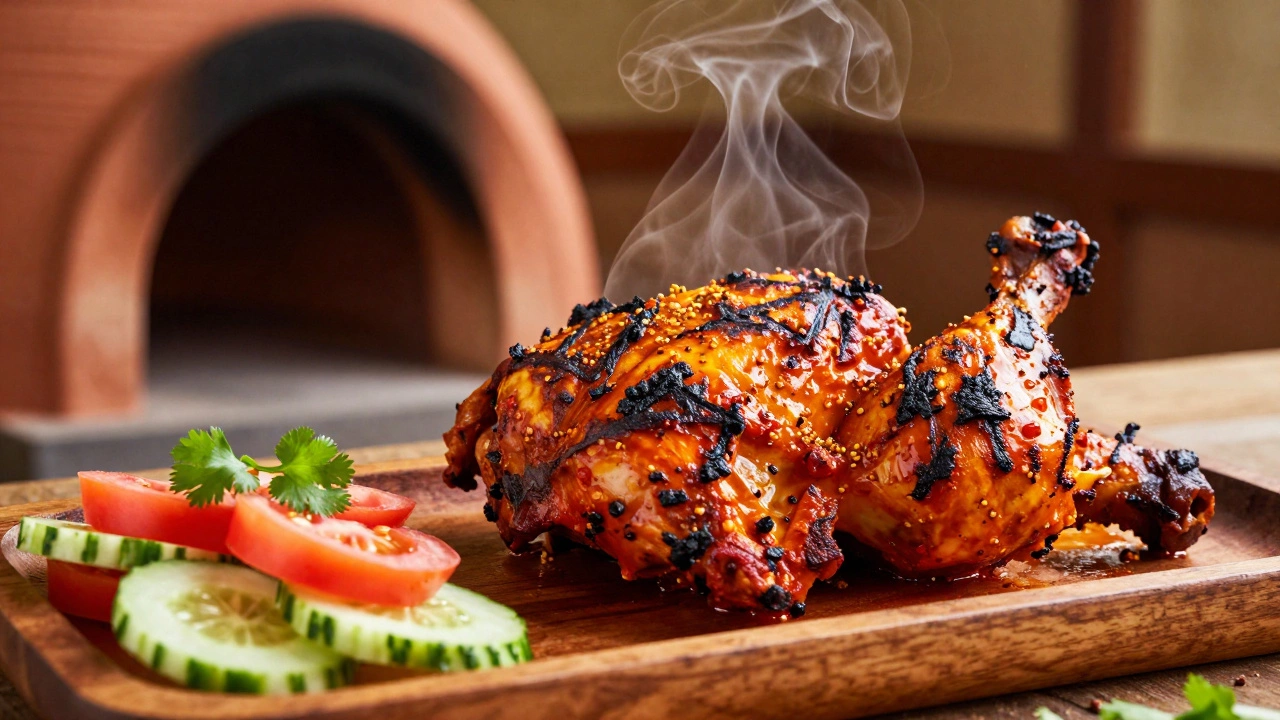
- Tandoori chicken - Marinated in yogurt, lemon, and spices like turmeric and cumin, then grilled. No sugar, no breading. High in protein, low in carbs. A single serving (150g) has about 2g of carbs and 30g of protein.
- Grilled or roasted fish (like salmon or pomfret) - Cooked with ginger, garlic, and green chilies. Rich in omega-3s, which help reduce inflammation linked to insulin resistance.
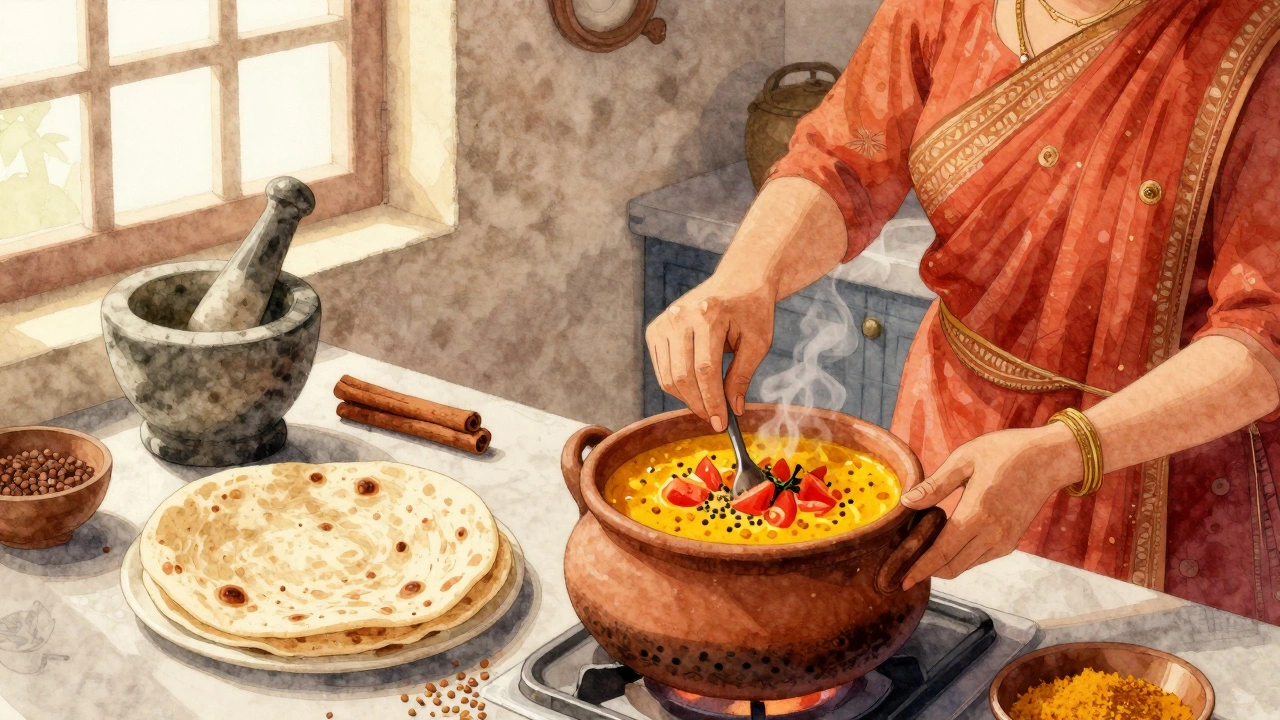
- Vegetable dal (lentil stew) - Made with masoor or toor dal, onions, tomatoes, and spices. Use minimal oil. One cup has 15g of fiber and 12g of protein. The fiber keeps blood sugar stable for hours.
- Baingan bharta (roasted eggplant) - Smoky, savory, and low in carbs. Eggplant is a low-glycemic vegetable with high polyphenols, which may improve insulin sensitivity.
- Palak paneer (with cottage cheese) - Use low-fat paneer and skip the cream. Spinach is loaded with magnesium, which many diabetics are deficient in.
- Chana masala (chickpea curry) - Chickpeas have a glycemic index of 28. Pair with whole wheat roti or skip the roti entirely for a carb-free meal.
- South Indian dishes like idli (fermented rice and lentil cakes) - Fermentation reduces starch, making idli easier to digest. Serve with coconut chutney made without sugar.
What to Avoid or Modify
Some popular dishes need serious changes-or to be skipped entirely.
- White rice - Swap for brown rice, red rice, or cauliflower rice. A cup of white rice has 45g of carbs. Brown rice has 23g and more fiber.
- Naan and paratha - Made with maida and ghee. Choose whole wheat roti instead. One roti has about 15g of carbs, compared to 30g+ in naan.
- Sweet chutneys - Mango, tamarind, and date chutneys often have added sugar. Make your own with lime, mint, and a pinch of jaggery-or skip it.
- Deep-fried snacks - Samosas, pakoras, and vadas soak up oil and carbs. Try baked versions or air-fried alternatives.
- Curry with coconut milk - While coconut milk is healthy in moderation, it’s high in saturated fat. Use light coconut milk or reduce the amount.
Tandoori Chicken: A Diabetic-Friendly Star
If you’re looking for one dish to start with, make tandoori chicken your go-to. It’s naturally low-carb, high-protein, and full of anti-inflammatory spices. The yogurt marinade doesn’t just tenderize-it helps slow digestion. Turmeric has curcumin, which studies show may improve insulin sensitivity. Cumin and coriander help regulate blood sugar too.
Here’s how to make it right: Mix 500g of chicken thighs (skinless) with 1/2 cup plain yogurt, 1 tbsp lemon juice, 1 tsp turmeric, 1 tsp cumin, 1 tsp coriander, 1/2 tsp garlic powder, and a pinch of cayenne. Let it sit for 4 hours or overnight. Grill on medium heat until charred at the edges. No sugar. No oil. Just flavor.
Pair it with a side of cucumber-tomato salad or steamed broccoli. Skip the rice. You’ll feel full longer, and your blood sugar will stay steady.
Spices: Your Secret Weapon
Indian cooking isn’t just about taste-it’s medicine. Many spices used daily in Indian kitchens have proven benefits for diabetics.
- Turmeric - Contains curcumin. A 2021 study in the Journal of Clinical Biochemistry and Nutrition found curcumin improved insulin response in prediabetics after 9 months.
- Cinnamon - Used in garam masala. A 2020 meta-analysis in the Journal of Medicinal Food showed 1-6g daily lowered fasting glucose by up to 29%.
- Fenugreek - Seeds or powder. Soaked fenugreek seeds taken before meals can reduce post-meal glucose spikes by up to 54% (per a 2018 trial in the Indian Journal of Physiology and Pharmacology).
- Black pepper - Enhances absorption of turmeric. Also helps reduce insulin resistance.
Don’t skip the spices. They’re not just flavor-they’re functional ingredients.
Meal Planning Tips
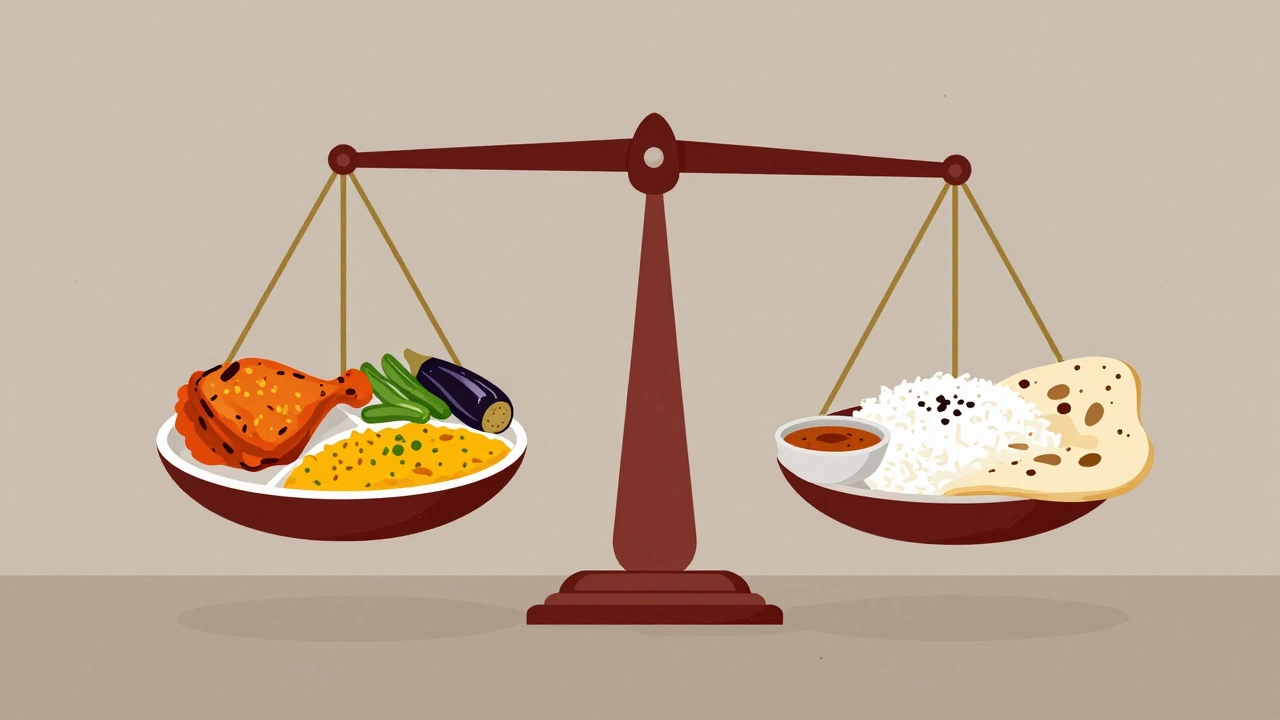
Here’s how to build a diabetic-friendly Indian day:
- Breakfast - 2 idlis with coconut chutney (no sugar) + 1 cup masoor dal.
- Lunch - 1 cup vegetable dal + 1 small whole wheat roti + tandoori chicken (150g) + cucumber salad.
- Snack - Roasted makhana (fox nuts) or a handful of almonds.
- Dinner - Baingan bharta + grilled fish + sautéed spinach.
Drink water or herbal tea. Avoid fruit juices-even mango or apple juice. Whole fruits like guava, apple, or papaya are better because the fiber slows sugar absorption.
Common Myths Debunked
- Myth: All Indian food is sugary. Truth: Traditional meals were low in sugar. Modern versions added sugar for taste.
- Myth: You can’t eat lentils. Truth: Lentils are fiber powerhouses. They’re one of the best foods for diabetics.
- Myth: Spices don’t matter. Truth: Spices like turmeric and fenugreek have direct blood sugar-lowering effects.
- Myth: You need to eat bland food. Truth: Indian food is naturally flavorful. You don’t need sugar to make it delicious.
Final Thoughts
Indian food for diabetics isn’t about restriction-it’s about rediscovery. The best meals are the ones your grandparents ate: slow-cooked, spice-rich, vegetable-heavy, and protein-focused. Tandoori chicken, dal, roasted vegetables, and whole grain roti aren’t just safe-they’re powerful tools for managing blood sugar. You don’t have to give up your culture’s food. You just need to cook it the way it was meant to be cooked.
Can diabetics eat tandoori chicken?
Yes, tandoori chicken is one of the best Indian dishes for diabetics. It’s made with yogurt, lemon, and spices, with no added sugar or breading. A 150g serving has only 2g of carbs and 30g of protein, making it ideal for blood sugar control. Just avoid sugary sauces or sides like white rice.
Is Indian curry okay for diabetics?
It depends. Curries made with lentils, vegetables, and lean meats (like chicken or fish) are fine. Avoid curries with coconut milk, cream, sugar, or excessive oil. Use tomato-based gravies with spices like turmeric and fenugreek. Skip the naan and pair with whole wheat roti or none at all.
What Indian bread is best for diabetics?
Whole wheat roti is the best choice. It has 15g of carbs per piece, with 3g of fiber, which slows sugar absorption. Avoid naan, paratha, and puri-they’re made with refined flour and deep-fried. You can also try jowar (sorghum) or bajra (pearl millet) roti for even more fiber and nutrients.
Can diabetics eat rice?
White rice should be avoided. It has a high glycemic index and spikes blood sugar fast. Swap it for brown rice, red rice, or cauliflower rice. Even better: skip rice entirely and go for more vegetables and dal. If you do eat rice, limit it to 1/2 cup per meal and pair it with protein and fiber-rich sides.
Are Indian spices helpful for diabetes?
Yes. Turmeric, cinnamon, fenugreek, and black pepper have been shown in multiple studies to improve insulin sensitivity and lower fasting blood sugar. Turmeric’s curcumin, for example, improved insulin response in prediabetics. Fenugreek seeds can reduce post-meal glucose spikes by over 50%. Use them regularly-they’re not just flavor, they’re medicine.
Start with one change: swap white rice for dal and tandoori chicken. Notice how you feel after two days. You might be surprised.
