What is the Golden Yellow Spice Used in Curries? Turmeric Explained
 Sep, 22 2026
Turmeric Cooking Simulator
Learn how to get the most out of your golden spice. Adjust the settings below to see how technique impacts taste and health benefits.
Adjust settings and click "Simulate" to see the outcome.
Flavor Profile
...
Estimated Curcumin Absorption
0%
You know that vibrant, sun-kissed color that makes a chicken curry look so inviting on Instagram? It’s not just food coloring. That specific shade of yellow-orange comes from one humble root: Turmeric. If you’ve ever stared at a jar of bright orange powder in your spice rack and wondered what it actually does besides making things yellow, you’re in the right place. This isn't just about aesthetics; this spice is the backbone of flavor and health in South Asian cooking.
The Root Behind the Color
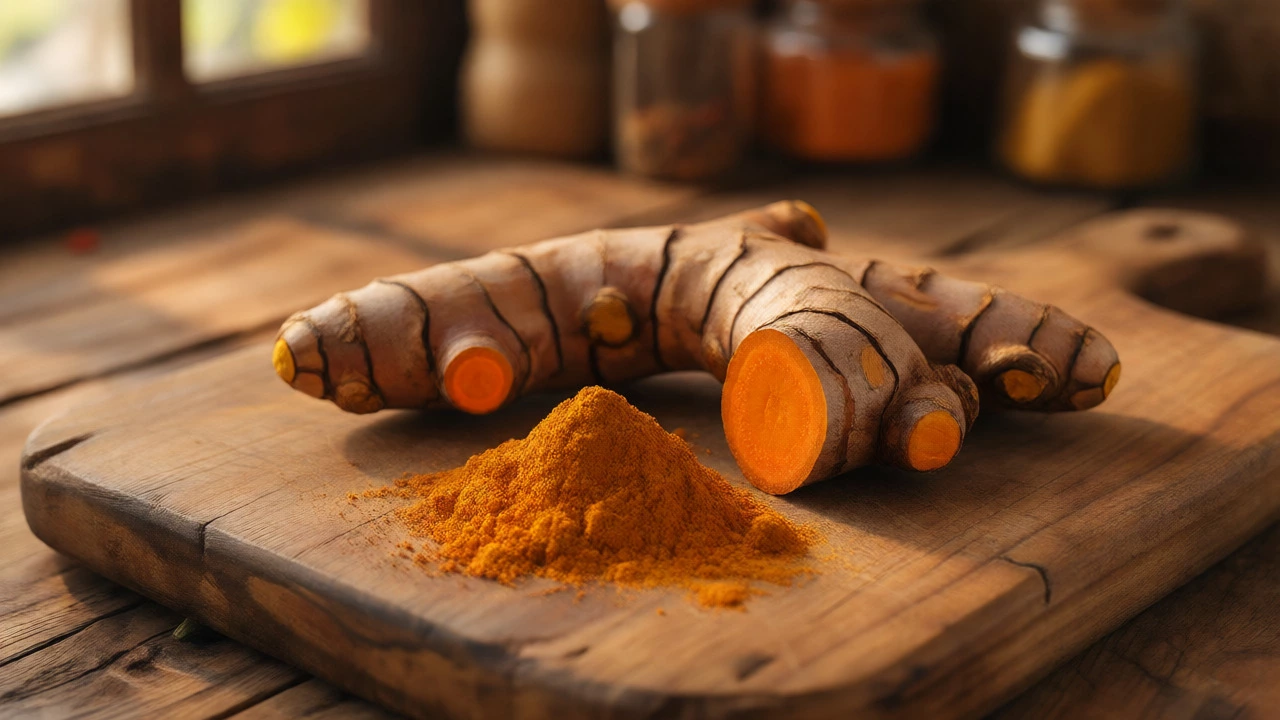
Turmeric is a rhizome-think ginger’s cousin-from the plant Curcuma longa. Unlike ginger, which we eat fresh or dried for its zesty heat, turmeric is almost always sold dried and ground into a fine powder. Its primary claim to fame is curcumin, the compound responsible for that intense pigment. But here’s the thing most home cooks miss: raw turmeric powder tastes bitter and earthy, with a peppery kick. It doesn’t taste like "curry" on its own. The magic happens when you cook it.
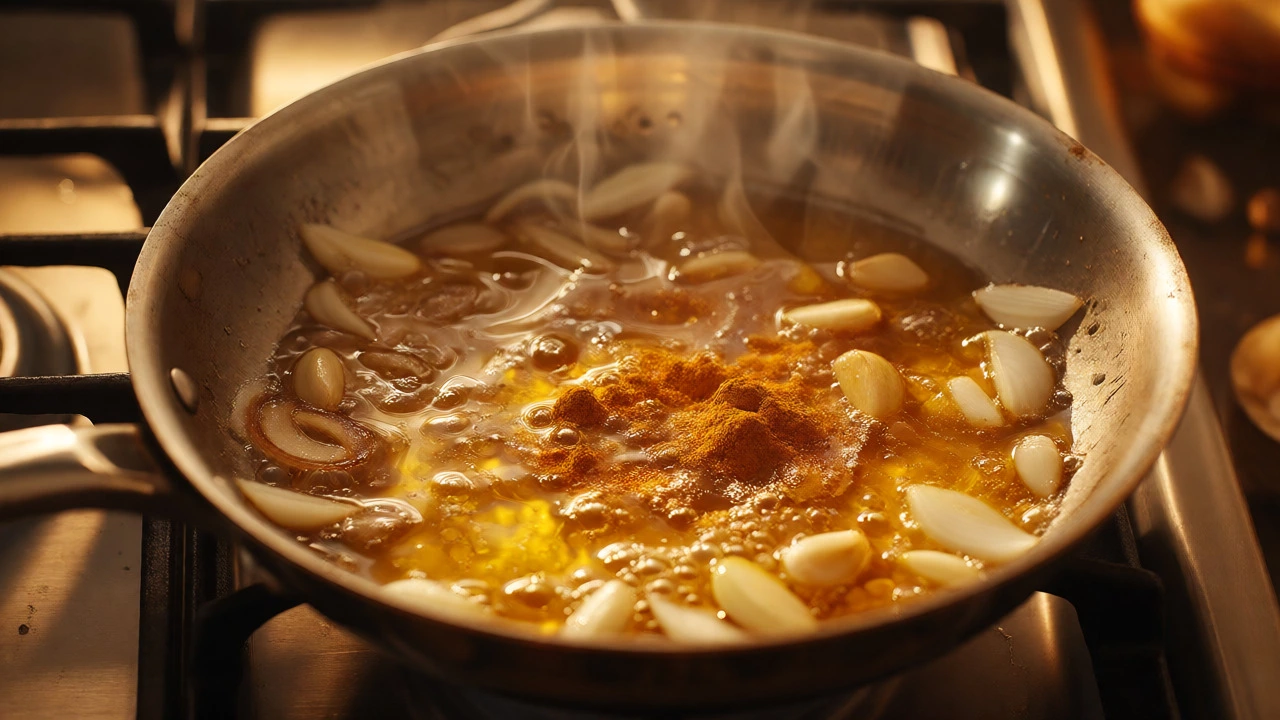
When you fry turmeric in oil or ghee, the bitterness mellows out, and it starts to develop a warm, woody aroma. This process, called blooming, is crucial. If you dump raw turmeric powder directly into water or broth without frying it first, your curry will likely taste flat and dusty. Always add it to hot fat early in the cooking process alongside onions and garlic. This unlocks the flavor profile that defines dishes like Chicken Curry.
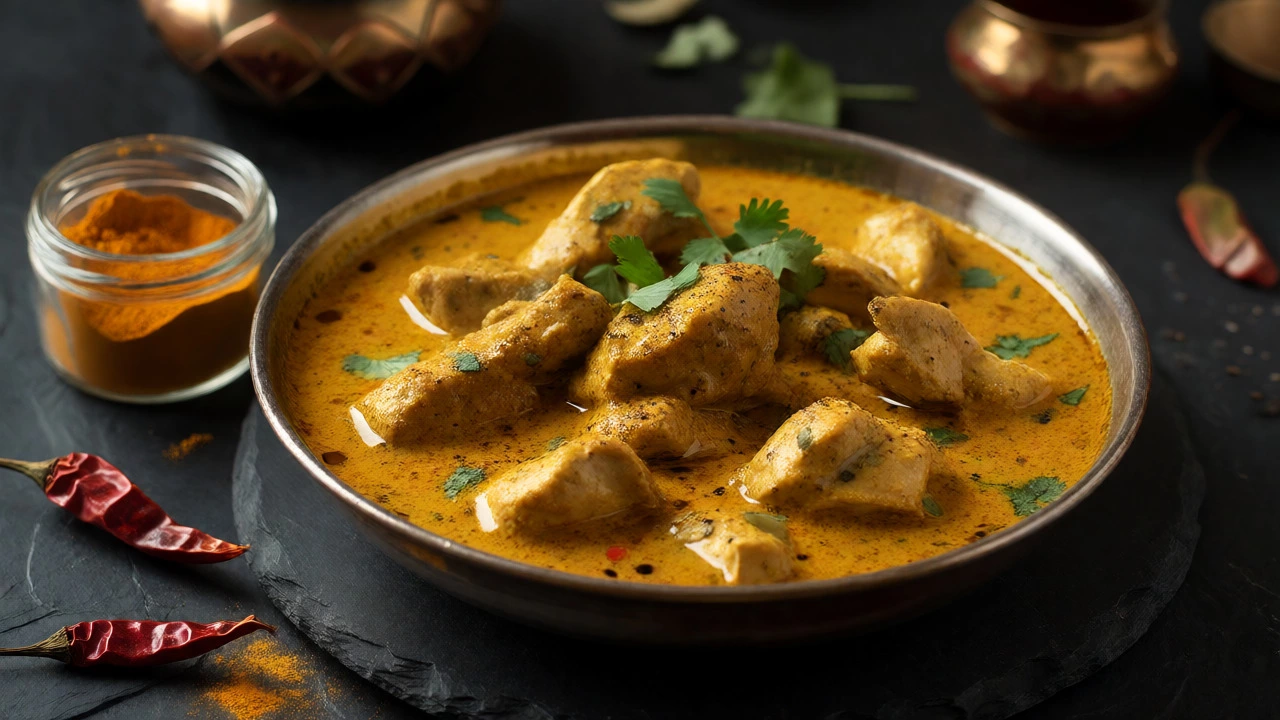
Why Your Chicken Curry Needs Turmeric
Beyond the color, turmeric acts as a natural preservative and an anti-inflammatory agent. In traditional Indian households, it was used long before modern science confirmed its benefits. When you make a chicken curry, turmeric helps cut through the richness of the meat and fats. It provides a subtle background note that ties together sharper spices like cumin and coriander.
But there is a catch. Turmeric stains everything. Wooden spoons, plastic containers, and even your fingers can turn yellow if you aren't careful. Professional chefs often use stainless steel bowls for mixing marinades involving turmeric to avoid permanent staining. If you are prepping ahead, mix your dry spices separately and add them only when ready to cook, or wear gloves if you are handling large quantities of fresh grated turmeric.
Turmeric vs. Saffron: The Expensive Confusion
People often ask if saffron is the same thing because both produce yellow hues. They are completely different entities. Saffron comes from the crocus flower, costs a fortune, and offers a floral, honey-like sweetness. Turmeric is cheap, abundant, and earthy. You cannot substitute one for the other in a standard curry recipe without changing the dish entirely. If a recipe calls for turmeric and you use saffron, you lose the base savory depth. If you use turmeric instead of saffron in a biryani, you get color but none of the luxury aroma.
| Feature | Turmeric | Saffron |
|---|---|---|
| Source | Rhizome (root) of Curcuma longa | Stigmas of Crocus sativus flower |
| Flavor Profile | Earthy, bitter, peppery | Sweet, floral, metallic |
| Cost | Low ($5-$10 per kg) | Very High ($1000+ per kg) |
| Primary Use | Coloring, base flavor, preservation | Aroma, luxury garnish, distinct flavor |
Maximizing Absorption: The Black Pepper Secret
Here is a scientific fact that changes how you cook: your body absorbs very little curcumin from turmeric alone. Studies show that combining turmeric with piperine-a compound found in black pepper-can increase absorption by up to 2000%. This is why almost every authentic curry recipe includes black pepper. It’s not just for heat; it’s for bioavailability.
If you are making a golden milk latte or a simple turmeric soup, don’t skip the pinch of black pepper. Without it, you are mostly getting stained teeth and a colorful drink, but few of the potential health perks. Also, since curcumin is fat-soluble, ensure you have some oil, butter, or coconut milk in your dish. Eating turmeric with a plain salad dressed in vinegar won’t do much for absorption compared to eating it in a creamy curry.
Common Mistakes Home Cooks Make
One major error is using too much turmeric. Because it has a strong bitter edge, overusing it makes a curry taste medicinal. A general rule of thumb for a standard family-sized chicken curry is half a teaspoon to one teaspoon. Start small. You can always add more, but you can’t take it out.
Another mistake is buying old turmeric. Spices lose potency over time. Ground turmeric stored in a clear jar on a sunny windowsill will fade to a dull beige within six months. Fresh, high-quality turmeric should be a deep, vibrant orange-yellow. If your powder looks pale, throw it away. It won’t deliver the color or the punch your curry needs. Store your turmeric in an airtight container in a cool, dark cupboard.
Alternatives and Substitutes
What if you run out of turmeric mid-cook? There is no perfect substitute for the flavor, but you can adjust. For color, a tiny bit of paprika adds red-orange tones, though it lacks the earthiness. For flavor, a pinch of ginger might mimic the warmth, but it won’t give you that signature yellow hue. In a pinch, omit it. Your curry will still taste good, just browner. Don’t try to use mustard powder; it’s too sharp and will clash with the delicate balance of a chicken curry.
Some commercial curry powders already contain turmeric. Check the ingredient list. If you are using a store-bought blend, reduce or eliminate added turmeric to avoid bitterness. Homemade blends allow you to control the ratio, giving you better command over the final taste and color.
Is turmeric the same as curry powder?
No. Turmeric is a single spice made from the Curcuma longa root. Curry powder is a blend of multiple spices, including turmeric, coriander, cumin, fenugreek, and others. Turmeric gives curry powder its yellow color, but they are not interchangeable.
Why does my curry taste bitter?
Bitterness usually comes from burning the turmeric or using too much of it. Turmeric must be fried gently in oil at low to medium heat. If it turns dark brown or black quickly, it burns and becomes acrid. Additionally, excessive amounts of raw turmeric powder added late in cooking can leave a harsh, bitter aftertaste.
Can I use fresh turmeric instead of powder?
Yes, fresh turmeric root can be grated or minced. It has a brighter, less bitter flavor than the dried powder. However, it contains moisture, so you may need to adjust liquid levels in your recipe. Generally, use three times the amount of fresh turmeric as you would powdered turmeric.
Does turmeric stain pots and pans?
Yes, turmeric is a potent dye. It stains porous materials like wood, plastic, and unglazed ceramic permanently. Stainless steel and enameled cast iron are easier to clean. To remove stains from hands, rub with olive oil and salt before washing with soap.
How much turmeric should I use in a chicken curry?
For a standard recipe serving four people, start with ½ to 1 teaspoon of ground turmeric. This provides sufficient color and flavor without overwhelming the dish. Adjust based on your preference and the strength of your specific brand of turmeric.
