What Is the Healthiest Indian Breakfast? A Practical Guide
 Oct, 2 2026
Indian Breakfast Health Score Calculator
Discover which traditional Indian breakfast provides the best balance of protein, fiber, and sustained energy. Select a dish below to see its detailed nutritional breakdown and health score.
Moong Dal Chilla
Top ChoiceWhy it wins:
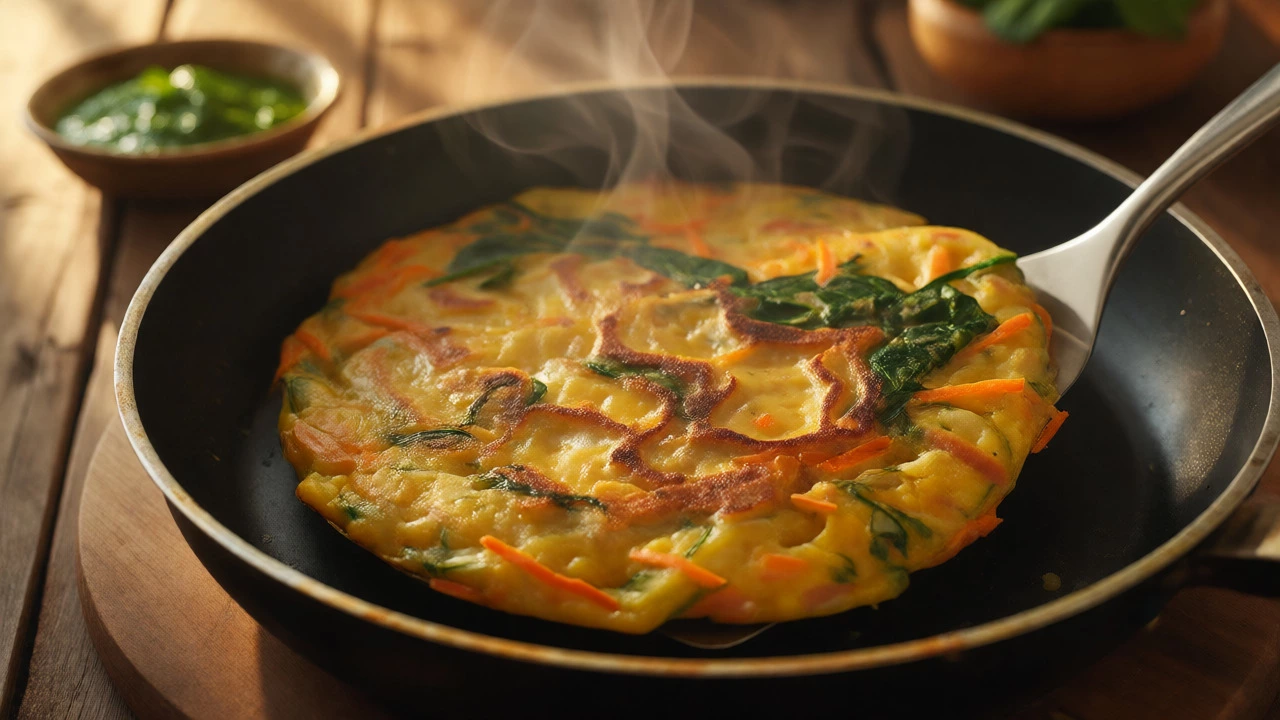
Yellow moong lentils are a powerhouse of plant-based protein and easy-to-digest fiber. Naturally gluten-free and low on the glycemic index, this keeps your blood sugar stable and hunger at bay until lunch.
Optimization Tips for This Dish:
- Add grated carrots or spinach into the batter for extra vitamins.
- Pair with mint chutney instead of coconut to lower calorie density.
- Cook on non-stick pan with minimal oil to keep it light.
You wake up, stare into the fridge, and wonder: what actually fuels my day without making me crash at 11 AM? Most people grab a sugary paratha or a plate of white rice that spikes their blood sugar like a rollercoaster. But here is the truth: Indian cuisine has some of the most nutritionally complete morning meals on the planet, if you pick the right ones. It’s not about giving up flavor; it’s about swapping refined carbs for complex ones and adding protein where it belongs.
The Protein Problem in Traditional Mornings
Let’s be honest about the typical Indian breakfast. Idli and dosa are delicious, but they are mostly fermented rice batter. That means high carbohydrates, low protein, and a quick energy spike followed by a slump. If you eat two idlis with sambar, you’re getting maybe 6-8 grams of protein. For an adult needing 20-30 grams per meal to stay full and maintain muscle, that’s a gap. The healthiest Indian breakfast isn’t just "vegetarian"-it’s balanced. You need fiber, healthy fats, and protein in every bite.
Top Contenders for the Healthiest Spot
So, which dishes actually hit the mark? We looked at nutritional density, glycemic load, and satiety factors. Here are the winners that deserve a spot on your plate more often than plain toast.
| Dish | Main Ingredient | Protein (g) | Fiber (g) | Glycemic Impact |
|---|---|---|---|---|
| Moong Dal Chilla | Yellow Moong Lentils | 12-15 | 4-5 | Low |
| Poha | Flattened Rice + Peanuts | 4-6 | 2-3 | Medium-High |
| Besan Chilla | Gram Flour | 10-12 | 3-4 | Low-Medium |
| Idli | Rice & Urad Dal Batter | 5-7 | 2 | Medium |
| Vegetable Upma | Semolina + Veggies | 6-8 | 3-4 | Medium |
Why Moong Dal Chilla Wins
If you want one dish to start tomorrow morning, make Moong Dal Chilla. Why? Because yellow moong lentils are a powerhouse. They cook fast, require no soaking overnight, and pack a serious punch of plant-based protein. When you blend soaked yellow moong dal into a batter, you create a crepe that is naturally gluten-free and easy to digest. Unlike wheat flour, which can cause bloating for some, lentil flour feeds your gut bacteria. Add grated carrots, spinach, and onions directly into the batter, and you’ve hidden a serving of vegetables inside a crispy pancake. Pair it with mint chutney instead of coconut chutney to keep the calories lower while boosting vitamin C absorption from the iron in the lentils.
Besan Chilla: The Gluten-Free Alternative
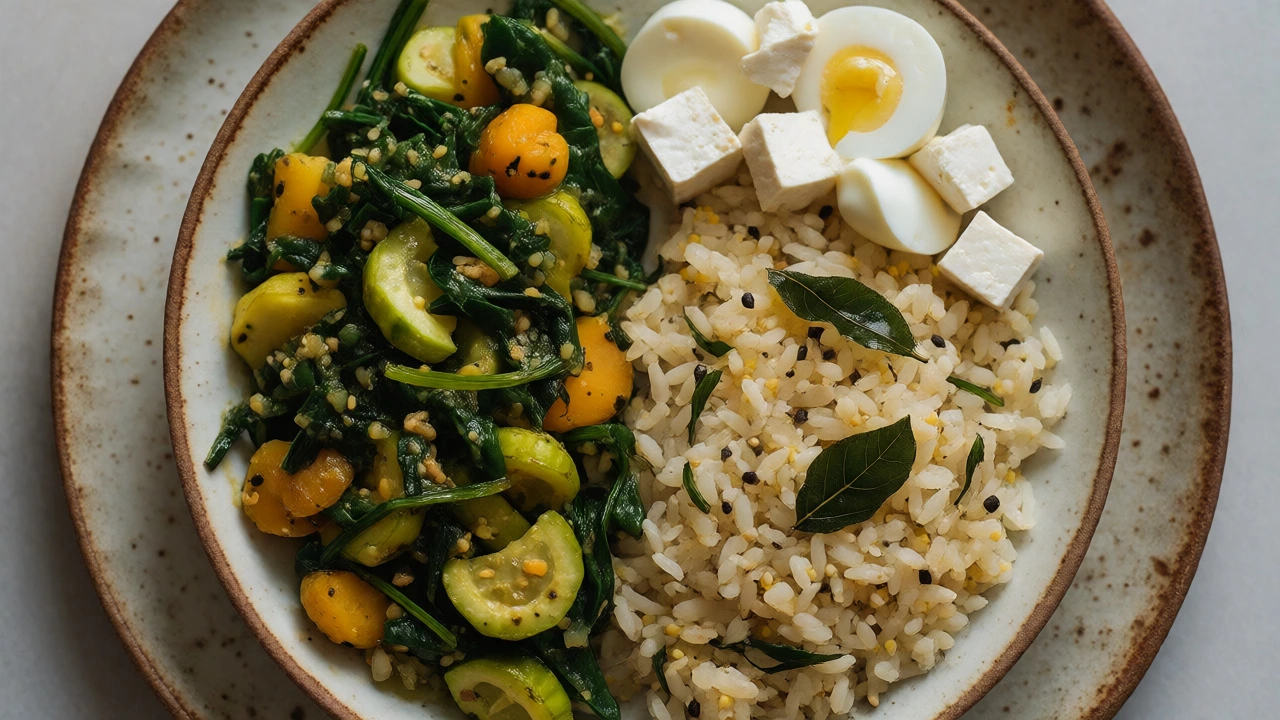
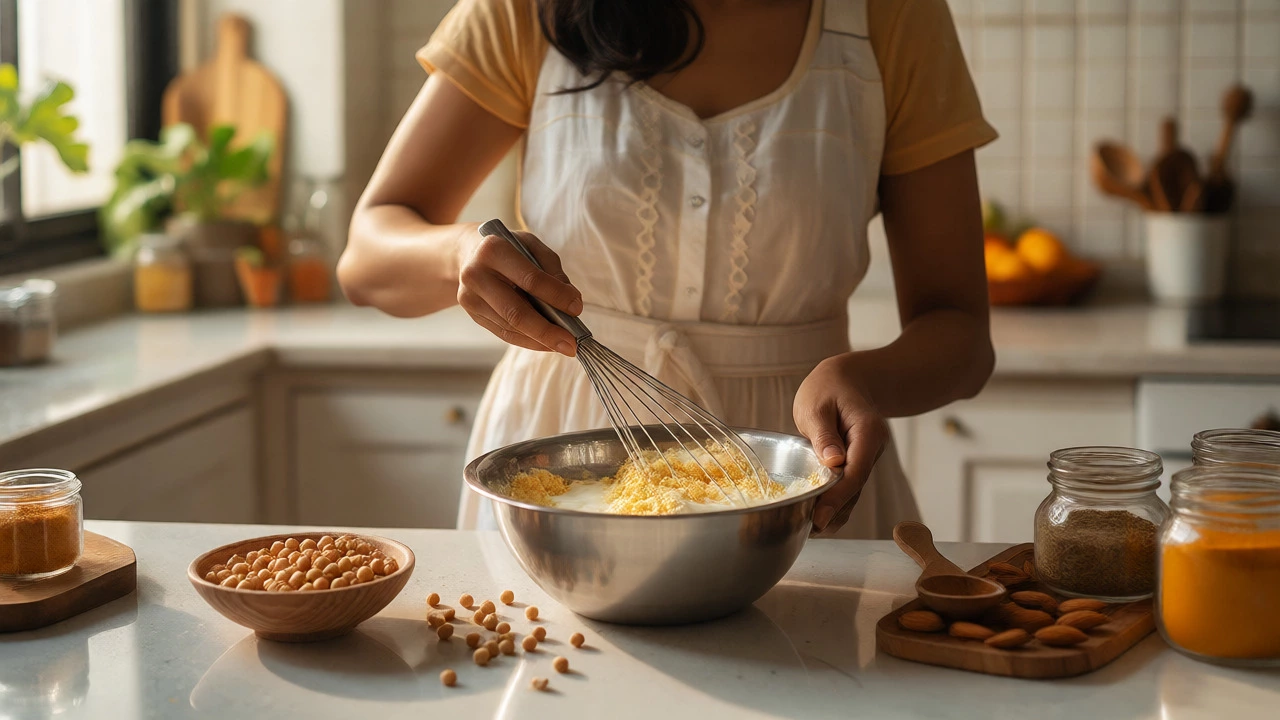
For those who prefer a nuttier taste, Besan Chilla (gram flour pancakes) is a close second. Besan is made from chickpeas, which have a lower glycemic index than wheat or rice. This means your blood sugar stays stable longer. However, besan can be dry if not mixed correctly. The trick? Use yogurt in the batter. It adds probiotics, keeps the texture moist, and increases the protein content further. Top it with paneer cubes or boiled egg whites if you aren’t strictly vegan. This turns a simple snack into a complete meal that keeps hunger away until lunch.
Rethinking Poha and Upma
Poha is beloved across Maharashtra and beyond, but it’s tricky. Flattened rice digests quickly. To make it healthier, you must add volume and protein. Don’t just stir-fry poha with peas and potatoes. Throw in a handful of roasted peanuts, curry leaves, and turmeric. Even better, serve it alongside a bowl of sprouted moong salad. The combination slows down digestion significantly. Similarly, Upma made from semolina (rava) is often too carb-heavy. Switch to broken wheat (daliya) or millet-based rava. Millets like foxtail or barnyard millet are gaining popularity in India because they are rich in magnesium and fiber. They take a bit longer to cook but offer far superior nutrient profiles compared to refined semolina.
The Role of Fermentation
Don’t dismiss Idli and Dosa entirely. Fermentation creates B vitamins and improves mineral absorption. The issue isn’t the fermentation; it’s the lack of accompanying nutrients. If you love idli, change the ratio. Use more urad dal (black gram) and less rice in the batter. Aim for a 1:2 ratio instead of the traditional 1:3 or 1:4. This boosts the protein content naturally. Also, stop eating three idlis alone. Eat one idli with a large portion of vegetable-heavy sambar and a side of sautéed beans. The fiber from the veggies counteracts the rapid glucose release from the rice batter.
Practical Tips for a Balanced Plate
You don’t need to overhaul your kitchen. Small tweaks make a massive difference. Here is how to build a perfect Indian breakfast using the plate method:
- Half the plate: Vegetables. Think palak (spinach), lauki (bottle gourd), or mixed veggie stir-fry. This provides volume and micronutrients.
- Quarter of the plate: Complex carbs. Choose millets, whole wheat, or legume-based batters over refined flour.
- Quarter of the plate: Protein. Paneer, eggs, tofu, sprouts, or lentil-based dishes.
- Healthy Fats: A teaspoon of ghee or a few nuts/seeds. This aids in absorbing fat-soluble vitamins.
Common Mistakes to Avoid
Many people think "Indian" automatically equals "healthy." Not always true. Deep-fried puris, sugary milkshakes, and excessive ghee on parathas can turn a light meal into a calorie bomb. Another mistake is skipping hydration. Indian spices are potent; ensure you drink water before and after your meal. Also, watch out for hidden sugars in packaged chutneys and pickles. Homemade versions allow you to control salt and sugar levels precisely.
Final Thoughts on Sustainability
The healthiest breakfast is the one you’ll actually stick to. If you hate cooking elaborate meals, batch-prep chilla batter on Sundays. Keep frozen chopped veggies ready. The goal isn’t perfection; it’s consistency. By shifting from pure starches to protein-and-fiber-rich combinations, you’ll notice clearer thinking, sustained energy, and fewer cravings by mid-morning. Start with Moong Dal Chilla this week. See how your body responds. Then experiment with millet upmas or higher-protein idlis. Your future self will thank you.
Is oats really healthier than traditional Indian breakfasts?
Not necessarily. While oats are good, traditional options like Moong Dal Chilla or Millet Upma often provide higher protein and more diverse micronutrients. Oats can also spike insulin if they are instant varieties. Stick to steel-cut oats if you choose them, but don't overlook local staples.
Can I eat idli and dosa daily if I am diabetic?
Caution is needed. Both are primarily carbohydrate sources. Diabetics should limit portions, use multi-grain batters, and always pair them with high-fiber sambar and vegetable sides to blunt the blood sugar spike.
Which Indian breakfast is best for weight loss?
Moong Dal Chilla and Vegetable Sprout Salad are top choices. They are high in protein and fiber, which promotes satiety and reduces overall calorie intake throughout the day. Avoid deep-fried items like vada or poori.
Is ghee bad for heart health when eaten at breakfast?
In moderation, no. One teaspoon of ghee contains butyrate, which supports gut health. The problem arises when large amounts are used to fry foods. Use it as a flavor enhancer, not a cooking medium for heavy frying.
How can I increase protein in vegetarian Indian breakfast?
Add paneer, tofu, or boiled egg whites to your meals. Use lentil flours (besan, moong) instead of wheat or rice flour. Incorporate sprouts and nuts like almonds or walnuts into your chillas or upmas.
