What is the India Triangle Snack? The Truth Behind Samosas
 May, 5 2026
Samosa Health & Nutrition Calculator
Configuration
Nutritional Breakdown (1 Samosa)
Quick Comparison
Per single unit:
18g Fat
6g Fat
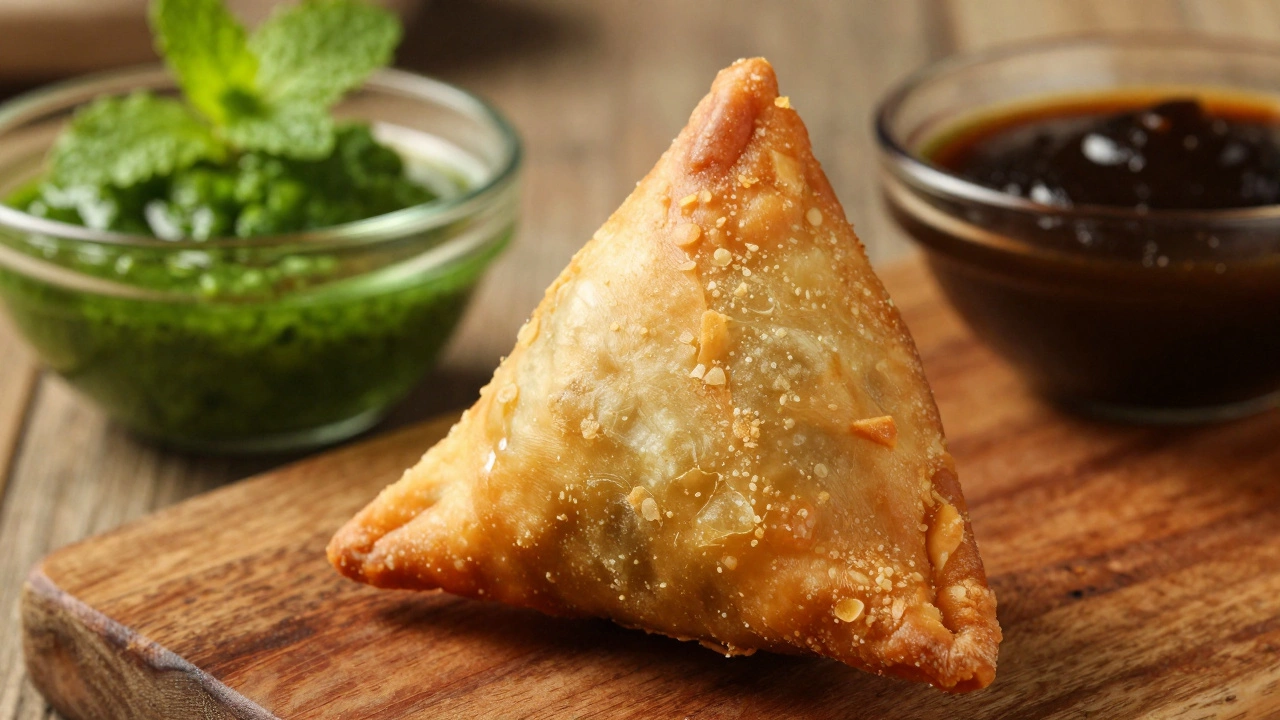
You’ve probably seen them. They are golden, crispy, and shaped like a pyramid. You might have heard someone call it an "India triangle snack" on social media or in a casual conversation. It sounds mysterious, almost like a secret menu item from a distant land. But here is the truth: there is no specific dish called the "India Triangle." That phrase is simply a descriptive nickname for one of the most famous foods in the world-the samosa.
If you are looking for a deep-fried pastry filled with spiced potatoes and peas, you are looking for a samosa. This article breaks down exactly what this snack is, where it came from, why it looks like a triangle, and how you can make a healthier version at home without losing that iconic crunch.
The Real Name: It’s a Samosa
Let’s clear up the confusion first. When people ask about the "India triangle snack," they are referring to the samosa, a popular South Asian pastry consisting of a fried or baked crust made from unleavened wheat flour dough (purī) filled with a variety of fillings such as spiced potatoes, onions, peas, lentils, mushrooms, paneer, minced lamb, or chicken. The name comes from the Persian word sambusa, which refers to a stuffed pie.
Why the triangle shape? It isn’t just for aesthetics. The triangular fold creates a sturdy container that holds hot, messy fillings without leaking oil or spices onto your hands. It is engineering meets cuisine. The sharp edges also provide more surface area for frying, giving you those extra-crispy corners that everyone fights over when sharing a plate.
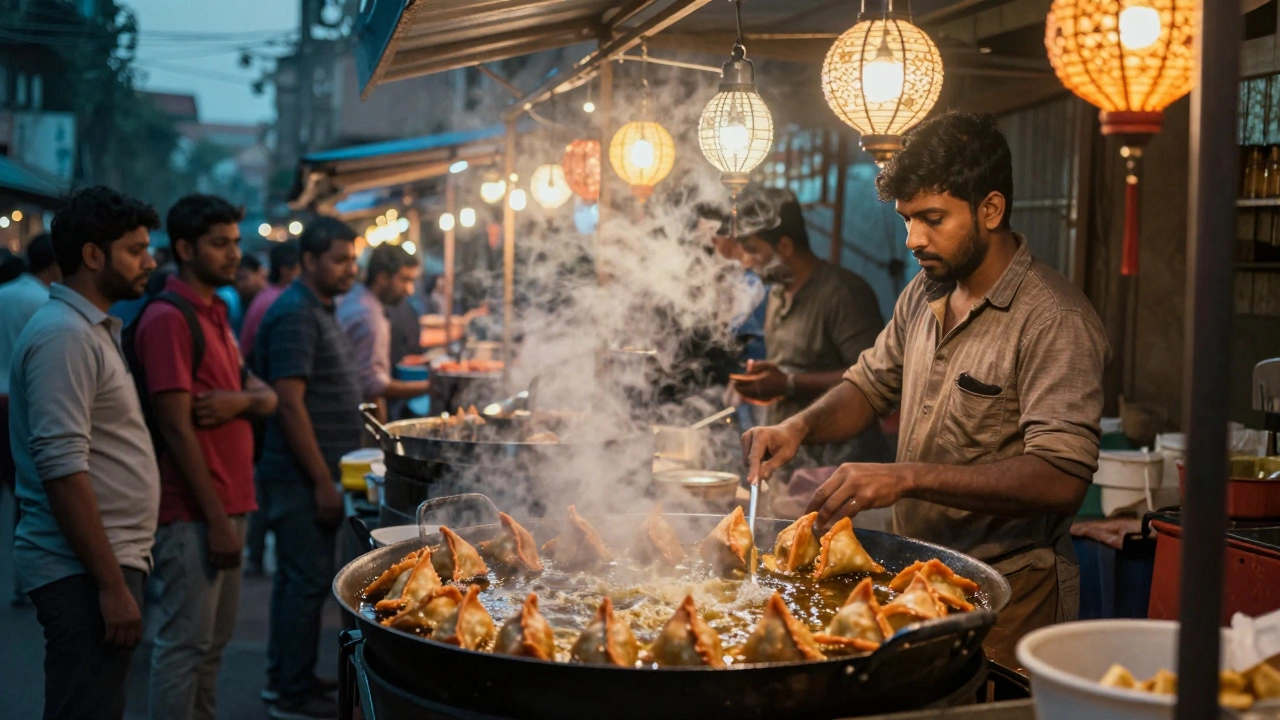
In India, you will find samosas everywhere. They are the kings of street food. From Mumbai to Delhi, small vendors sell them by the dozens. They are served with chutneys-usually a sweet tamarind sauce and a spicy green mint-coriander dip. If you order a "triangle snack" at a local Indian shop, the owner will likely smile and hand you a samosa, knowing exactly what you mean.
A Brief History of the Crispy Pyramid
To understand the samosa, you have to look back at the Silk Road. The concept of stuffed pastries traveled from Central Asia to the Middle East and eventually into the Indian subcontinent during the Mughal era. The Mughals, who ruled large parts of India between the 16th and 19th centuries, brought refined culinary techniques with them.
Originally, samosas were not always triangles. Early versions were often round or half-moon shaped. The distinct triangular form became standardized later, partly because it was easier to mass-produce and fry evenly in large woks. Over centuries, regional variations emerged. In North India, the filling is usually dry and spiced with cumin and coriander. In West Bengal, the filling is wetter, featuring boiled eggs or mutton in a gravy-like consistency. In Pakistan, you might find keema (minced meat) samosas that are richer and heavier.
This evolution shows how a single idea adapts to local tastes. The core entity remains the same-a crispy shell and savory filling-but the attributes change based on geography and culture.
Deconstructing the Samoma: Ingredients and Technique
Making a good samosa is harder than it looks. It requires balance. If the dough is too thick, it becomes hard. If it’s too thin, it bursts during frying. If the filling is too wet, the pastry gets soggy. Here is what goes into a traditional North Indian samosa:
- The Dough: Made from all-purpose flour (maida), water, salt, and a little oil or ghee. The key trick is adding a pinch of baking powder or vinegar to make the layers flaky rather than dense.
- The Filling: Boiled potatoes are the base. They are mashed and mixed with green peas, onions, ginger, garlic, and a blend of spices including cumin seeds, mustard seeds, turmeric, red chili powder, and dried mango powder (amchur) for tanginess.
- The Frying Oil: Traditionally, mustard oil or refined vegetable oil is used. The oil must be heated to the right temperature-too cold, and the samosa absorbs grease; too hot, and it burns outside while staying raw inside.
The assembly process is an art form. You roll out circles of dough, cut them in half, brush the edges with water, and fold them into cones. You fill the cones carefully, seal the top edge with a dab of water, and then gently lower them into hot oil. They float and turn golden brown in about three to four minutes.
Health Concerns: Is the "Triangle" Bad for You?
Here is the honest part. A traditional deep-fried samosa is not a health food. It is calorie-dense. A single medium-sized samosa can contain between 250 to 350 calories, depending on the size and the amount of oil absorbed. Most of these calories come from refined carbohydrates (the white flour dough) and fats (the frying oil).
For many people, especially those watching their weight or managing blood sugar levels, eating samosas daily is not advisable. The glycemic index of white flour is high, meaning it spikes blood sugar quickly. Plus, deep-frying creates trans fats if the oil is reused multiple times, which is common in street stalls.
However, calling it "junk food" ignores its cultural role. It is comfort food. It provides energy. The question isn’t whether it is bad, but how often you eat it and how you prepare it. You can modify the recipe to fit a modern, healthier lifestyle without sacrificing the soul of the snack.
How to Make Healthier Samosas at Home
You don’t need to give up the triangle shape to improve the nutrition profile. Here are practical swaps you can make in your kitchen:
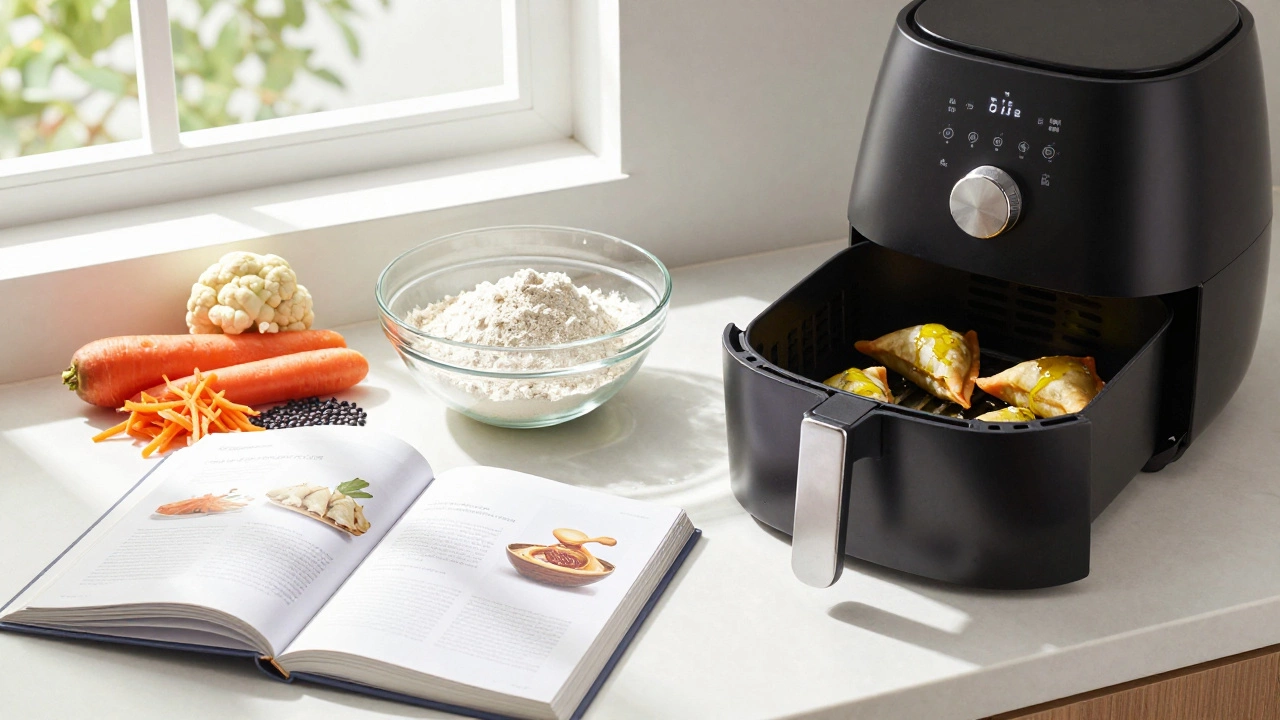
- Switch the Flour: Replace all-purpose white flour with whole wheat flour (atta). Whole wheat has more fiber, which slows down digestion and keeps you fuller longer. For an even bigger boost, try using chickpea flour (besan) or oat flour.
- Bake Instead of Fry: Use an air fryer or a conventional oven. Brush the samosas lightly with olive oil or avocado oil spray. Baking at 375°F (190°C) for 15-20 minutes gives you a crisp exterior with a fraction of the fat. You lose some of the "mouthfeel" of deep-frying, but you gain significant health benefits.
- Boost the Filling: Add more vegetables. Mix in grated carrots, cauliflower, or spinach. Increase the protein content by adding lentils (dal) or tofu crumbles instead of relying solely on potatoes. Potatoes are fine, but they are starchy. Adding protein makes the meal more balanced.
- Control the Spices: Traditional spice blends are actually great for health. Turmeric is anti-inflammatory. Cumin aids digestion. Ginger reduces nausea. Keep these spices; they add flavor without adding calories.
By making these changes, you transform the samosa from a guilty pleasure into a nutrient-dense snack. You still get the crunch, the spice, and the nostalgia, but your body thanks you for the effort.
| Nutrient | Traditional Deep-Fried | Baked Whole-Wheat Version |
|---|---|---|
| Calories | ~320 kcal | ~180 kcal |
| Fat | 18g | 6g |
| Carbohydrates | 35g | 30g (with higher fiber) |
| Protein | 4g | 7g (if lentils/tofu added) |
| Fiber | 1g | 4g |
Serving Suggestions and Pairings
A samosa rarely stands alone. It is designed to be paired. The classic duo is the samosa chaat, where the samosa is crushed into pieces and topped with yogurt, chickpeas, onions, and chutneys. This turns the snack into a full meal.
If you are serving samosas as an appetizer, pair them with:
- Tamarind Chutney: Sweet and sour, it cuts through the richness of the fried dough.
- Mint-Coriander Chutney: Fresh and spicy, it adds a cooling contrast.
- Yogurt Dip: Whisk plain yogurt with roasted cumin and salt for a creamy, probiotic-rich side.
- Chai: No Indian snack is complete without masala chai. The black tea with milk and spices complements the savory flavors perfectly.
These pairings aren’t just tradition; they are functional. The acidity in the chutneys helps digest the heavy starches. The yogurt provides probiotics. The tea offers antioxidants. Together, they create a balanced eating experience.
Common Mistakes to Avoid
If you try making samosas at home, you might run into issues. Here is how to avoid them:
- Leaky Seams: Ensure your dough is not too dry. Use a paste of flour and water (not just plain water) to seal the edges. Press the edges firmly with a fork.
- Soggy Bottoms: Don’t overcrowd the frying pan or baking sheet. Samosas need space to circulate heat. If baking, place them on a wire rack so air flows underneath.
- Bland Filling: Taste your filling before you wrap it. Adjust salt and spices. Remember, the cooking process doesn’t add flavor; the pre-seasoning does.
- Hard Crust: Let the dough rest for at least 30 minutes after kneading. This relaxes the gluten and prevents the pastry from shrinking or becoming tough.
Patience is the secret ingredient. Rushing the process leads to broken shells and uneven cooking.
Is the "India Triangle" the same as a samosa?
Yes. "India Triangle" is an informal, descriptive term used by non-Indian speakers to refer to the samosa due to its distinctive triangular shape. There is no separate dish called the "India Triangle" in Indian cuisine.
Are samosas vegetarian?
Most traditional samosas sold in India are vegetarian, filled with potatoes, peas, and lentils. However, non-vegetarian versions exist, particularly in regions like West Bengal and Pakistan, where they may contain minced meat (keema), chicken, or mutton. Always check the ingredients if you have dietary restrictions.
Can I freeze homemade samosas?
Yes, you can freeze both uncooked and cooked samosas. For best results, freeze them uncooked. Place them on a baking sheet until solid, then transfer to a freezer bag. To cook, bake or fry directly from frozen, adding a few extra minutes to the cooking time.
Why do samosas get soggy?
Samosas get soggy if the filling contains too much moisture or if they are stored in an airtight container while still warm. Steam trapped inside softens the crust. To keep them crisp, let them cool completely before storing, and reheat in an oven or air fryer rather than a microwave.
What is the origin of the samosa?
The samosa originated in Central Asia and the Middle East, with roots tracing back to the Persian word "sambusa." It was introduced to the Indian subcontinent by traders along the Silk Road and later popularized by the Mughal Empire, evolving into the diverse regional varieties we know today.
