What is the Key Ingredient in Curry? The Truth About Flavor
 Mar, 27 2026
The Myth of the Single Magic Ingredient
If you ask ten different grandmothers across Asia what makes their curry taste right, you won't get a single answer. You will hear about cardamom, fenugreek, dried chilies, and even mustard seeds. But when we strip away the confusion, the truth lies in how these components interact rather than any solitary substance. Many home cooks assume there is one Curry Powder mix that fixes everything. In reality, that boxed brown dust is rarely the soul of the dish.
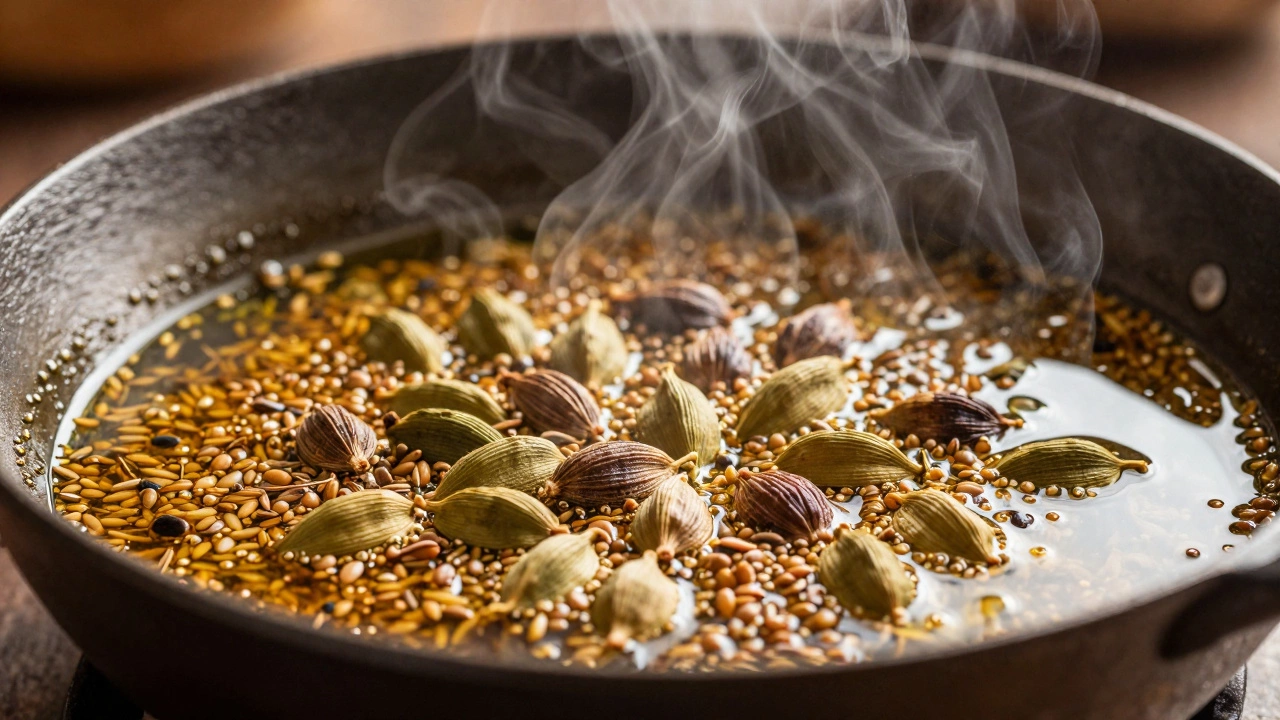
The real key ingredient is the balanced foundation of whole spices and aromatics. While pre-mixed blends save time, they lack the volatility of freshly ground oils. If your Chicken Curry feels flat, it usually isn't missing salt or heat; it is missing a proper fat-based extraction of flavors known as "blooming." Without this step, the flavor remains locked inside the seed.
Garam Masala Versus Curry Powder
To truly master the dish, you need to distinguish between the two giants of seasoning. Most Western supermarkets sell Curry Powder, a standardized blend containing turmeric, cumin, coriander, and fenugreek. It is designed to be convenient, often used in a single pot method where all ingredients go in at once. However, traditional Indian cooking treats spices differently based on their chemical makeup.
Garam Masala is distinct. It uses heavier spices like cloves, cinnamon, and black pepper. These oils are delicate and burn easily. That is why you never cook them at the start. Instead, you add garam masala near the end of the simmer. It acts as the top note perfume for the stew, whereas the base masala provides the body. Understanding this timing difference changes the texture of your meal entirely.
| Characteristic | Store-Bought Curry Powder | Traditional Whole Spice Base |
|---|---|---|
| Primary Composition | Turmeric, Coriander, Cumin | Fresh Ground Seeds & Pods |
| Addition Time | Beginning of cooking | After Onion-Tomato base (Mid-way) |
| Flavor Profile | Earthy, Earthy, Slightly Dry | Aromatic, Oily, Vibrant |
| Shelf Life | 6-12 Months | Whole Seeds: 1 Year, Ground: 1 Month |
The Trinity of Aromatics
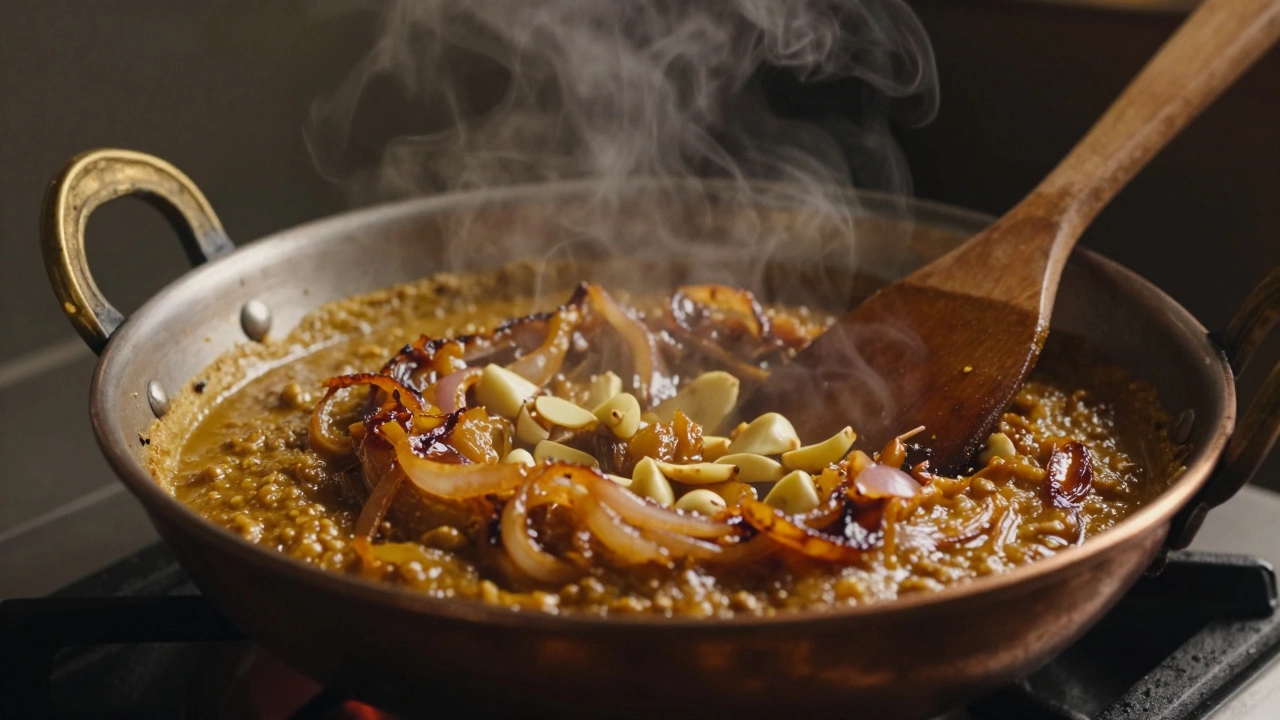
Beyond the dry powders, the liquid flavor comes from a savory trinity. In Sydney kitchens, we often see people skipping the slow work here to rush to the meat. Big mistake. The combination of chopped Onions, ground ginger, and garlic forms the glue that holds the gravy together.
When these three are sautéed until the onions turn a deep golden brown, they release natural sugars. This creates a malty sweetness that balances the acidity of the tomatoes later. If you skip browning the onions, your curry tastes raw and metallic. The ginger brings the necessary zing that cuts through the richness of the chicken fat. Without enough ginger, the dish feels heavy and unlifted.
Understanding Heat and Acid
You cannot talk about the "key ingredient" without discussing how our palate perceives spiciness. Green chilies offer a bright, grassy heat, while red chili powder provides a deep, smoky punch. Usually, a good recipe uses both. For a chicken curry, you want the green chilies to infuse the oil early so their capsaicin dissolves evenly, making the heat subtle but pervasive.
Acidity is equally critical. Tomatoes are the standard acidic agent, but sometimes a squeeze of lemon juice at the table lifts the whole profile. Some variations use yogurt to thicken the sauce. If you add dairy too early or without temperature control, it splits. The proteins curdle, turning your smooth gravy into a grainy mess. Slowly whisking room-temperature yogurt into warm masala prevents this failure.
Regional Variations Matter
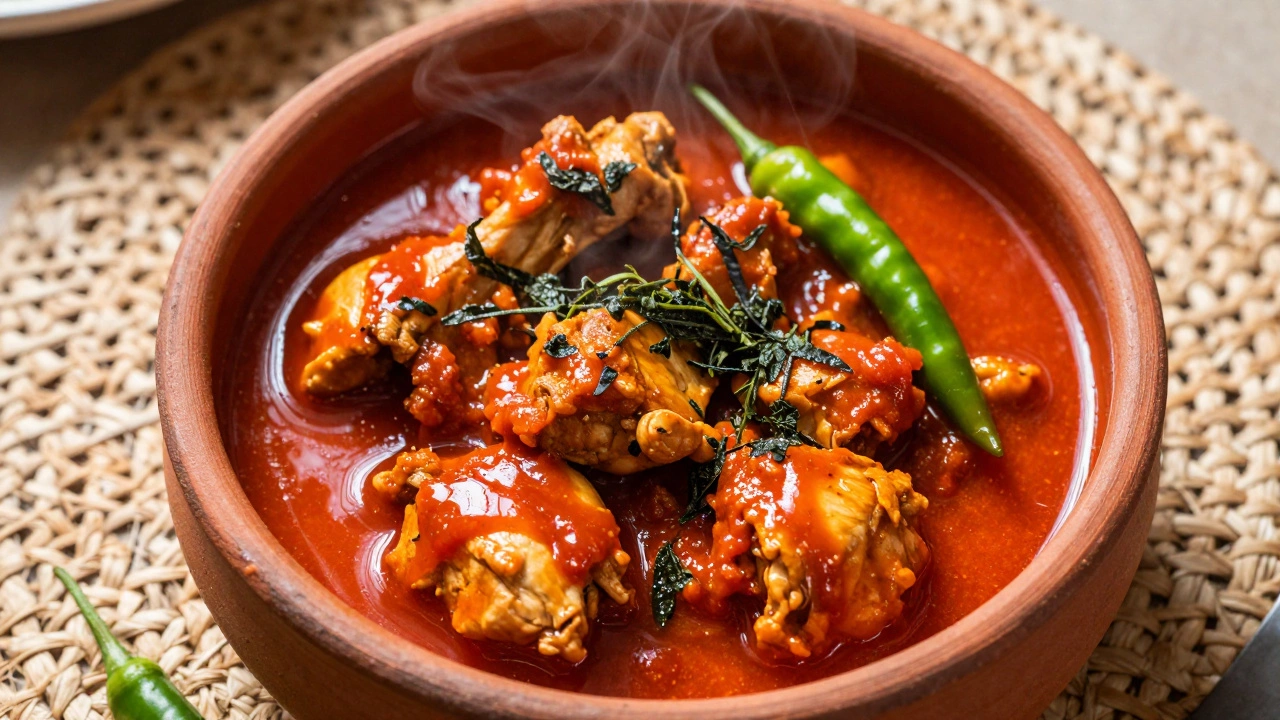
India alone has diverse definitions of curry. A South Indian dish might rely heavily on roasted coconut and tamarind, creating a tangy, nutty broth. Northern dishes lean towards creamy tomato bases thickened with cashew nuts. Knowing your target region dictates which "key" spices you prioritize. If you want a rich, restaurant-style Butter Chicken, cream and kasuri methi (dried fenugreek leaves) become the stars.
In a simpler homestyle version, the star is the quality of your cumin. High-quality cumin seeds have a higher oil content. When you crush them slightly before frying, that oil releases into the ghee. This process is called tempering. It turns the oil yellow and fragrant. Any subsequent ingredient added to this oil absorbs that toasted flavor, essentially flavoring the chicken itself from the outside in.
Troubleshooting Bland Dishes
Often, the problem isn't the spice variety, but the water dilution. Using excessive water washes out the fat-soluble flavors. Your sauce needs to simmer uncovered for the last ten minutes. This allows the water content in the tomatoes and chicken to evaporate, leaving the concentrated oils. You know it is ready when a pool of red oil gathers at the edge of the pan. That separation indicates the fats have emulsified properly.
If you find your dish lacks depth, try roasting your own spices. Buying whole coriander seeds and roasting them for two minutes releases volatile aromatic compounds that pre-ground powder has lost months ago. Grind them coarsely in a mortar. The smell alone confirms the freshness. Stale spices are dull and gray; fresh ones vibrate with color and scent.
Can I substitute garam masala with curry powder?
Yes, in a pinch, but they are chemically different. Curry powder is more turmeric-heavy and earthier. Garam masala is warmer and sweeter due to cinnamon and cardamom. Use double the amount if swapping, but expect a flavor shift.
Why does my chicken curry taste bitter?
This usually happens when spices burn. Spices like cumin and coriander burn very quickly in high heat. Always lower the flame after adding the powders to the hot oil. Burnt spices cannot be saved and will ruin the entire batch.
Is turmeric the most important ingredient?
Not really. Turmeric provides the signature yellow color and a mild peppery note. It is essential for the visual identity, but Garam Masala and the onion-ginger base provide the actual savory depth and aroma.
How long do spices stay fresh?
Whole seeds last up to a year in a cool pantry. Once ground, they lose potency rapidly. Try to buy whole seeds and grind small batches every few weeks for maximum impact on your curry.
Can I make this without onions or garlic?
For Halal or Jain diets, yes. You can replace the onion-ginger-garlic trio with leeks, spring onions, or asafoetida (Hing) to mimic the pungency and umami depth required for a full-bodied sauce.
