What is the Key Ingredient in Marinade? A Guide to Tandoori Chicken
 Aug, 28 2026
Tandoori Marinade Ratio Calculator
Enter the amount of chicken you are preparing to get precise measurements for your yogurt base, acid balance, and spice blend.
Marinade Base Ingredients
- Yogurt --
- Lemon Juice --
- Oil (Mustard/Veg) --
Spice & Aromatics Estimate
- Kashmiri Chili Powder --
- Garlic-Ginger Paste --
- Garam Masala --
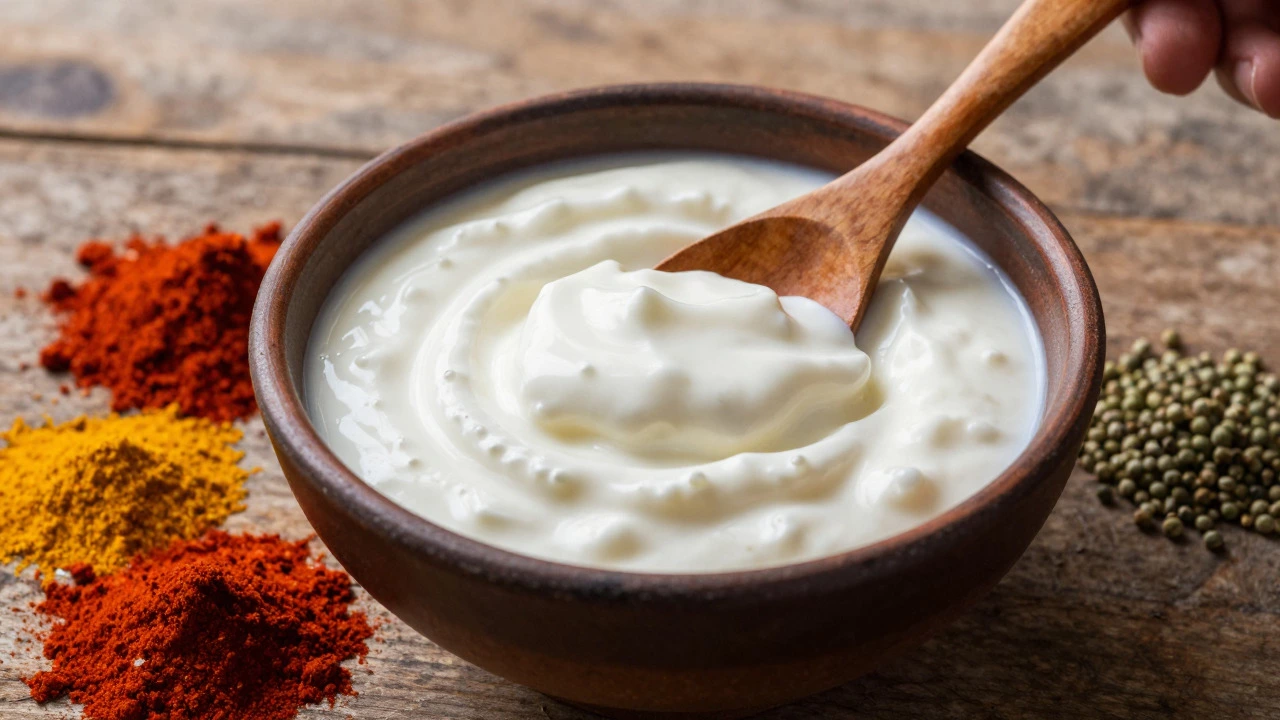
You’ve probably stood over a bowl of raw chicken, staring at a list of spices that looks like a chemistry experiment. Cumin, coriander, garam masala, chili powder-they’re all there. But if you take one thing out of your tandoori chicken recipe, the whole dish falls apart. It’s not the spice blend. It’s not even the lemon juice. The real hero hiding in plain sight is thick, creamy yogurt.
This isn’t just about adding flavor. Yogurt does something no other ingredient can: it tenderizes meat while keeping it juicy under high heat. Without it, your chicken ends up dry and tough, no matter how long you marinate it. Let’s break down why this dairy product is non-negotiable and how to use it correctly for that perfect char and snap.
The Science Behind the White Gold
Why yogurt? Why not milk or cream? Milk is too thin; it slides right off the chicken. Cream is too rich; it burns before the inside cooks. Yogurt sits in the sweet spot. It contains lactic acid and calcium, which work together to break down protein structures in the meat. This process, called denaturation, loosens the muscle fibers without turning them into mush.
Think of it as a gentle massage for your chicken. The acidity opens up the pores of the meat, allowing the spices to penetrate deeper than they could on their own. If you’ve ever had tandoori chicken that tasted good on the outside but bland in the middle, you likely used a watery marinade. Thick yogurt clings to the surface, creating a protective barrier that locks in moisture while the exterior crisps up in the oven or tandoor.
Choosing the Right Type of Yogurt
Not all yogurts are created equal. If you grab a tub of low-fat, runny breakfast yogurt from the supermarket, you’re setting yourself up for failure. It will drip off the chicken and pool at the bottom of the baking tray. You need full-fat, Greek-style, or hung curd.
| Yogurt Type | Consistency | Best For | Risk Factor |
|---|---|---|---|
| Hung Curd (Chakka) | Very Thick | Authentic Tandoori | Low - Sticks perfectly |
| Greek Yogurt | Thick & Creamy | Oven Roasting | Medium - May need slight thinning |
| Regular Full-Fat | Smooth | Quick Weeknight Meals | High - Can be too runny |
| Low-Fat/Skim | Watery | Dietary Restrictions | Very High - Poor adhesion |
In Sydney, where I live, finding traditional hung curd can sometimes be tricky unless you visit an Indian grocer. Greek yogurt is a fantastic substitute because it’s strained similarly. Just make sure it’s plain and unsweetened. Vanilla yogurt in a tandoori marinade tastes bizarre, trust me on this one.
Balancing Acidity with Fat
While yogurt is the base, it doesn’t work alone. It needs partners. Lemon juice adds brightness, but too much can overpower the delicate tang of the yogurt. Oil-usually mustard oil or vegetable oil-adds richness and helps conduct heat. Here’s the rule of thumb: for every cup of yogurt, use two tablespoons of lemon juice and three tablespoons of oil.
Mustard oil has a pungent kick that cuts through the fat of the chicken skin. If you don’t have it, olive oil works, though it changes the flavor profile slightly toward Mediterranean. Sesame oil is another option, but use it sparingly as it dominates quickly. The goal is balance. The yogurt provides the body, the acid provides the lift, and the oil provides the gloss.

The Spice Mix That Sits on Top
Once your yogurt base is ready, it’s time to add the aromatics. This is where many home cooks go wrong by dumping everything in at once. Start by mixing your dry spices into the yogurt separately before adding it to the chicken. This ensures no clumps of turmeric or chili stuck to the spoon.
- Kashmiri Chili Powder: Provides vibrant red color without excessive heat.
- Turmeric: Adds earthiness and a golden hue.
- Garam Masala: Added near the end to preserve volatile oils.
- Garlic-Ginger Paste: Freshly ground is best; jarred versions lack punch.
Add these to the yogurt mixture first. Let them sit for ten minutes. This allows the flavors to meld. Then, coat your chicken pieces thoroughly. Don’t be shy-rub it into every crevice. If you’re using bone-in pieces, score the meat lightly so the marinade penetrates deeper.
Marinating Time: How Long Is Too Long?
Patience pays off here, but there’s a limit. Because yogurt contains active cultures and acids, leaving chicken in it for more than 24 hours can result in a chalky texture. The proteins break down too much, and the meat loses its bite.
For most cuts, 4 to 6 hours is the sweet spot. Overnight is fine if you’re planning ahead, but keep it in the coldest part of your fridge. If you’re short on time, 30 minutes will give you some flavor, but you’ll miss out on the deep penetration that makes tandoori chicken special. Never freeze chicken after it’s been in yogurt marinade; the texture turns grainy upon thawing.
Cooking Techniques to Preserve the Marinade
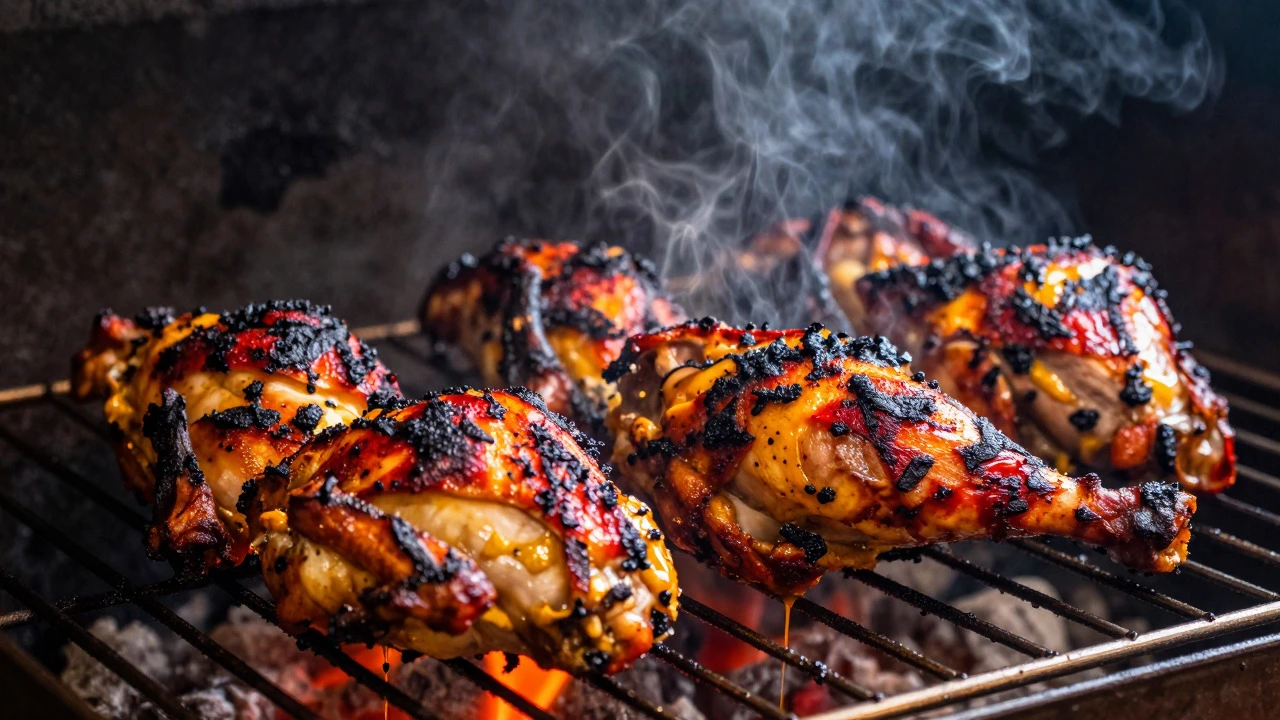
Now that your chicken is coated, how do you cook it without wiping off all that hard work? In a traditional tandoor, the clay walls radiate intense heat, searing the marinade instantly. At home, you need to replicate this.
Preheat your oven to its highest setting, usually around 250°C (480°F). Use a wire rack placed over a baking sheet. This allows air to circulate around the chicken, preventing steaming. If you put the chicken directly on a tray, the bottom side gets soggy because the juices pool underneath.
Broiling is also effective. Place the chicken six inches from the heating element. Watch it closely-the sugars in the yogurt can burn quickly. Rotate the pieces halfway through cooking to ensure even charring. The goal is a blackened, crispy exterior with juicy white interior.
Common Mistakes to Avoid
I’ve seen people try to fix a thin marinade by adding flour or cornstarch. Don’t do it. This creates a batter, not a marinade. It masks the flavor of the spices and prevents the yogurt from tenderizing the meat properly. If your marinade is too thin, strain your yogurt beforehand or reduce it by simmering gently.
Another mistake is skipping the resting period after cooking. Let the chicken rest for five minutes before serving. This lets the juices redistribute. If you cut into it immediately, all that precious moisture runs out onto the plate.
Finally, don’t reuse leftover marinade as a sauce unless you boil it first. Raw chicken juices contain bacteria like Salmonella. Boiling kills these pathogens, making it safe to drizzle over the cooked dish. But honestly, fresh mint-cilantro chutney pairs better anyway.
Can I use milk instead of yogurt in tandoori marinade?
You can, but the results will differ significantly. Milk lacks the thickness to cling to the chicken and doesn't have the same acidic potency for tenderizing. The resulting dish will be less flavorful and the meat may turn out drier. If you must use milk, mix it with a bit of vinegar or lemon juice to increase acidity, but expect a thinner coating.
How do I thicken a runny yogurt marinade?
Strain the yogurt through cheesecloth or a coffee filter for 1-2 hours to remove excess whey. Alternatively, stir in a tablespoon of chickpea flour (besan) or cornstarch, but be aware this changes the texture slightly towards a batter consistency. Hung curd is naturally thicker and requires no adjustment.
Is Greek yogurt authentic for tandoori chicken?
Traditional tandoori uses hung curd (chakka), which is very similar to Greek yogurt. Both are strained to remove water. While hung curd is technically more authentic, Greek yogurt is an excellent and widely available substitute that yields nearly identical results in terms of tenderness and flavor absorption.
Why did my tandoori chicken turn bitter?
Bitterness often comes from burning the garlic or ginger paste, or from overheating certain spices like fenugreek (kasuri methi). Ensure your oven temperature isn't too high for too long, or move the chicken further from the broiler element. Also, check that your spices aren't expired, as old spices can develop off-flavors.
Can I marinate chicken in yogurt for 2 days?
It is not recommended. After 24 hours, the acid in the yogurt continues to break down the protein structure, leading to a mushy or chalky texture rather than a tender bite. Stick to a maximum of 24 hours for best results.
