What Is the Least Fattening Indian Curry? Low-Calorie Options & Cooking Tips
 Jun, 23 2026
Low-Calorie Indian Curry Calculator
Select Your Base Dish
Customize Ingredients
Your Nutrition Estimate
You’ve just finished a long day and crave something warm, comforting, and deeply flavorful. But you also want to keep your waistline in check. The good news? You don’t have to choose between taste and health when it comes to Indian curry is a versatile dish made by simmering ingredients in a spiced sauce, often using tomatoes, onions, and herbs. While many restaurant versions are loaded with cream and ghee, traditional home-style cooking offers plenty of lean, nutrient-dense options that won’t sabotage your diet.
The secret isn’t avoiding curry altogether-it’s knowing which ones are naturally lighter and how to prepare them without adding unnecessary calories. In this guide, we’ll break down the lowest-calorie Indian curries, explain why some are heavier than others, and give you practical tips to enjoy rich flavors while staying on track with your health goals.
Why Some Indian Curries Pack More Calories Than Others
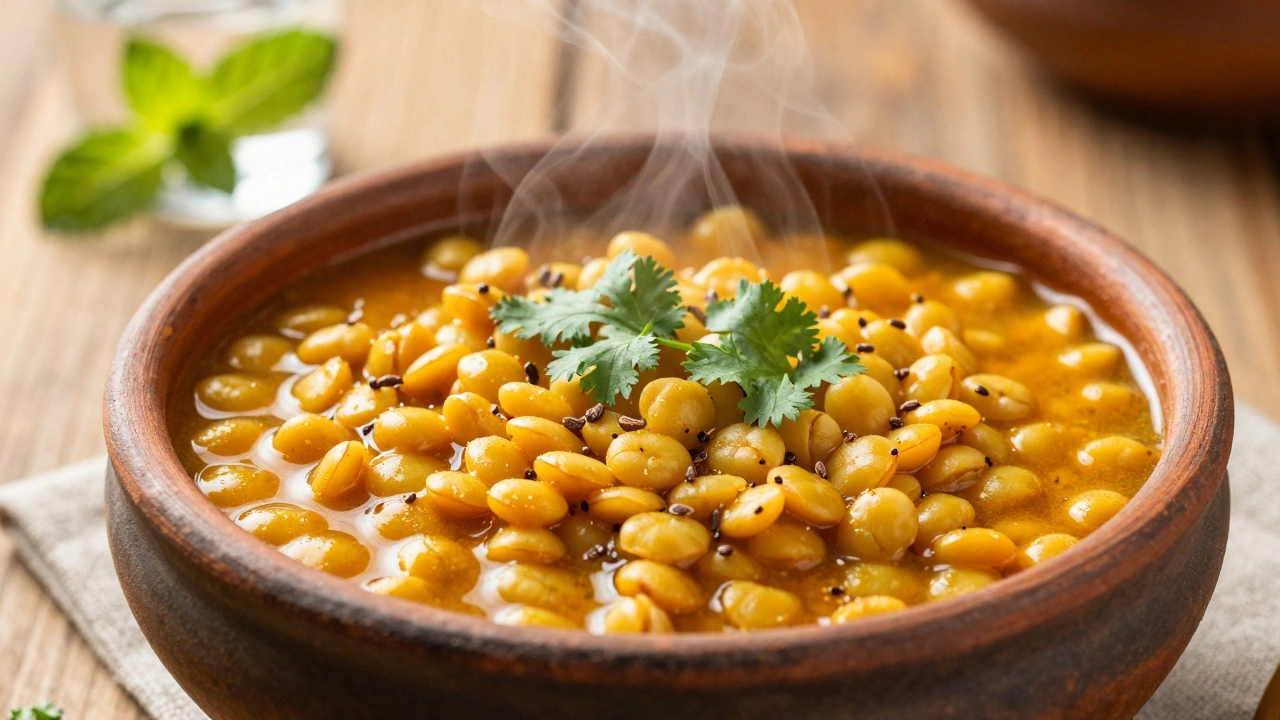
Not all curries are created equal. The calorie count depends heavily on three factors: the base ingredient, the cooking method, and the type of fat used. For example, a paneer butter masala can easily exceed 500 calories per serving because it uses full-fat cheese, butter, and cream. On the flip side, a simple dal tadka might clock in under 200 calories for the same portion size.
Here’s what drives up the caloric load:
- Cream and yogurt: Often added for richness, these add saturated fats and extra calories.
- Ghee or oil: Traditional tempering (tadka) uses generous amounts of fat to bloom spices.
- Fried ingredients: Pre-frying vegetables or proteins before adding them to the gravy increases absorption of oil.
- Sugar: Some regional styles balance tangy tomatoes with sugar, adding hidden carbs.
By contrast, low-calorie curries rely on broth-like bases, minimal added fats, and high-volume vegetables that fill you up without weighing you down. Let’s look at specific dishes that fit this profile.
Top 5 Least Fattening Indian Curries
If you’re scanning menus or planning meals, here are five standout options known for being both delicious and diet-friendly. These dishes prioritize protein, fiber, and volume over dense fats.
| Dish Name | Approx. Calories (per cup) | Main Ingredients | Key Nutrient Benefit |
|---|---|---|---|
| Dal Tadka | 180-220 kcal | Lentils, tomatoes, cumin, mustard seeds | High plant-based protein, iron |
| Palak Paneer (light version) | 200-250 kcal | Spinach, low-fat paneer, garlic, ginger | Vitamin K, calcium, folate |
| Bharwa Shimla Mirch | 150-190 kcal | Stuffed bell peppers, onion-tomato filling | Vitamin C, low glycemic index |
| Aloo Gobi (minimal oil) | 160-200 kcal | Potatoes, cauliflower, turmeric, coriander | Fiber, potassium, antioxidants |
| Mix Veg Curry | 140-180 kcal | Carrots, peas, beans, cauliflower, tomato base | Diverse micronutrients, high fiber |
Each of these dishes delivers satisfying flavor through spices rather than fat. They’re also highly adaptable-you can swap ingredients based on seasonality or dietary needs without losing their core appeal.
How to Make Any Indian Curry Lighter
Even if your favorite curry isn’t on the list above, you can tweak it to be less fattening. Here are proven strategies used by nutritionists and home cooks alike:
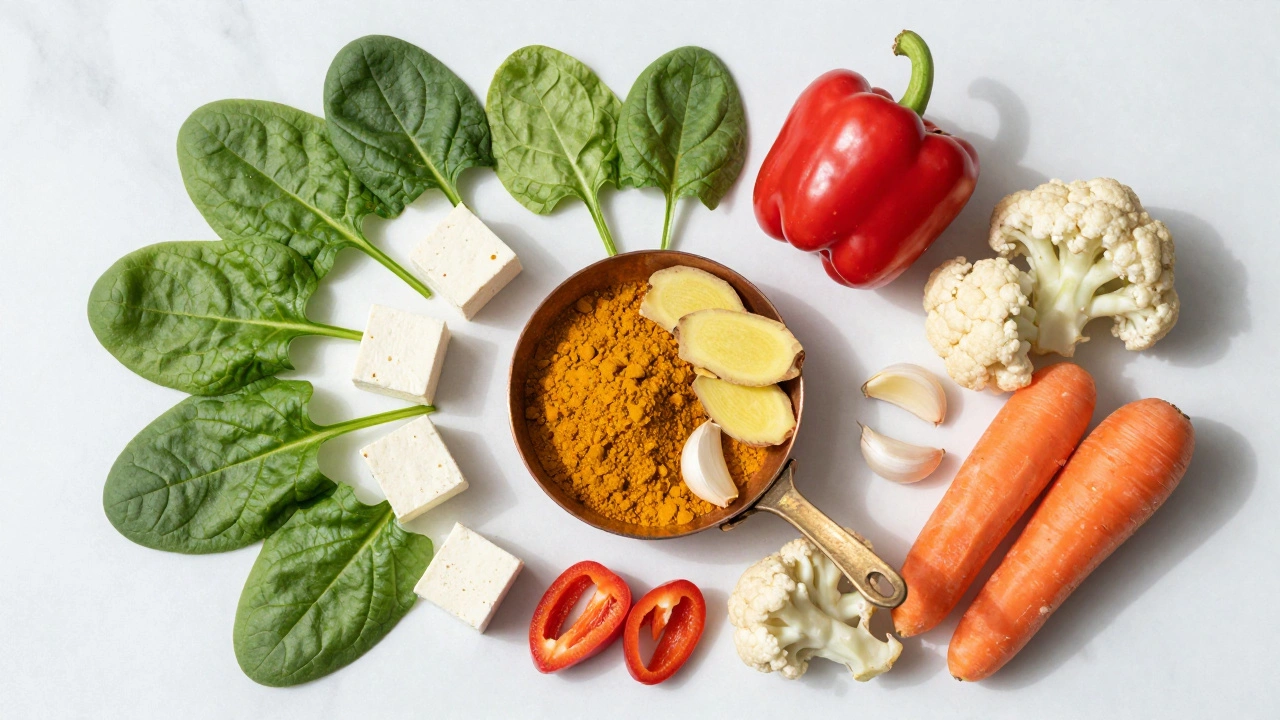
- Swap heavy creams for alternatives: Use blended cashews soaked in water, coconut milk (in moderation), or even pureed cauliflower to mimic creaminess without the saturated fat.
- Reduce oil in tadka: Instead of pouring tablespoons of ghee, use a spray bottle or measure out 1 teaspoon max. Spices still release aroma effectively with less fat.
- Choose lean proteins: Opt for chicken breast, fish, tofu, or lentils instead of fatty cuts like lamb shoulder or full-fat paneer.
- Add bulk with vegetables: Increase the ratio of veggies to sauce. Bell peppers, zucchini, spinach, and mushrooms absorb flavor well and stretch portions.
- Use lemon juice or tamarind: Bright acidity enhances perception of flavor, reducing the need for salt or sugar.
These small changes compound over time. A single meal might save only 100-150 calories, but doing this daily adds up to meaningful progress toward weight management or heart health.
Common Myths About Indian Food and Weight Gain
Let’s clear the air. Many people assume all Indian food is unhealthy because they’ve encountered restaurant versions designed for indulgence-not everyday eating. But traditional Indian cuisine is rooted in balance, seasonal produce, and functional spices.
For instance, turmeric has anti-inflammatory properties. Cumin aids digestion. Fenugreek helps regulate blood sugar. These aren’t just flavor enhancers-they’re tools for wellness. When prepared mindfully, Indian curries support metabolic health rather than hinder it.
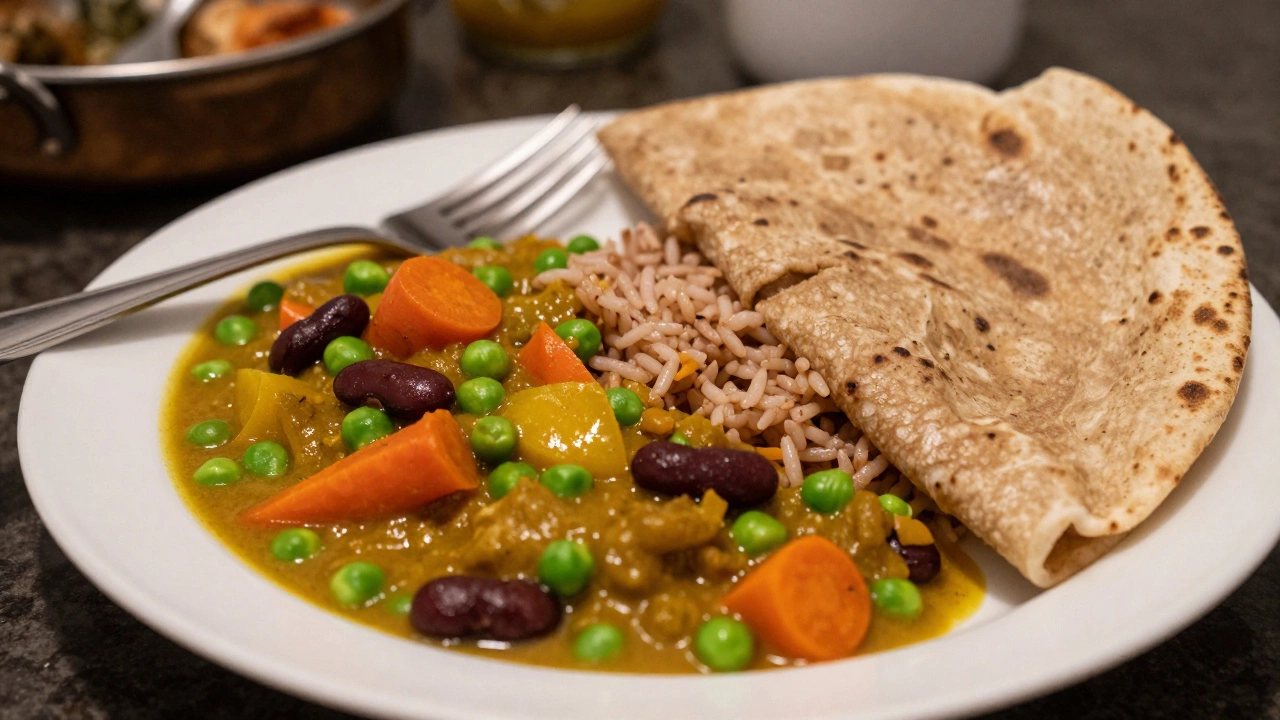
Another myth? That carbs mean bad. Rice and roti aren’t inherently fattening. It’s the portion size and pairing that matter. Eating a small bowl of brown rice with a large serving of dal provides steady energy and keeps hunger at bay longer than skipping grains entirely.
Best Times to Eat Low-Calorie Indian Curries
Timing matters more than most realize. If you’re aiming for weight control, consider when you eat your curry:
- Lunch: Ideal for heavier portions since your body has hours to digest and burn calories.
- Dinner: Stick to lighter options like clear soups or steamed veggie curries to avoid sluggishness overnight.
- Post-workout: Pair a moderate-carb curry with lean protein to replenish glycogen stores efficiently.
Also, pay attention to satiety signals. Indian curries tend to be slow-digesting due to fiber and spice content, so you may feel full longer after eating them compared to quick-burning foods like white bread or sugary snacks.
FAQs About Healthy Indian Curries
Is dal really low-calorie?
Yes, especially if prepared without excessive oil. One cup of cooked dal contains around 180-220 calories, depending on the variety (toor, moong, masoor). It’s rich in protein and fiber, making it one of the best choices for weight-conscious diners.
Can I eat Indian curry every day while trying to lose weight?
Absolutely-as long as you focus on vegetable- and legume-based curries and limit added fats. Variety is key; rotate between different types to ensure balanced nutrition and prevent boredom.
What makes palak paneer healthier?
Using low-fat paneer, minimizing cream, and increasing the proportion of spinach lowers the calorie density significantly. You get all the nutrients from greens plus a decent dose of calcium and protein.
Are homemade curries always better than restaurant ones?
Generally yes. Restaurants often use more oil, butter, and cream to enhance texture and shelf life. At home, you control ingredient quality and quantity, allowing for precise customization to suit your health goals.
Which Indian curry should I avoid if watching my weight?
Dishes like korma, bhuna gosht, and naan-paired combos typically contain higher levels of saturated fats and refined carbohydrates. Save those for occasional treats rather than regular meals.
