What Is the Most Important Ingredient in Biryani? The Secret Behind the Flavor
 Dec, 19 2025
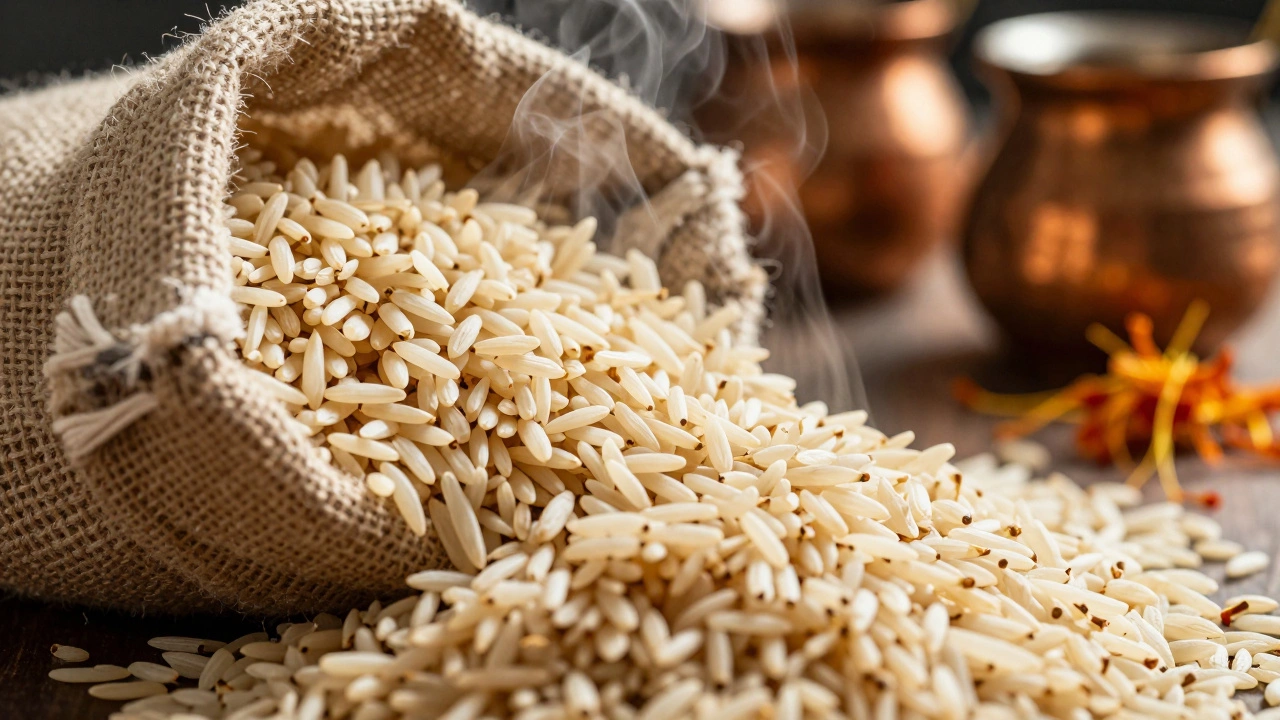
Ask ten people what makes biryani taste like biryani, and you’ll get ten different answers. Some say it’s the chicken. Others swear by the onions, the yogurt, or the spices. But if you’ve ever tasted a truly great biryani-one where the aroma hits you before you even lift the lid-you already know the truth. The most important ingredient isn’t meat. It isn’t even the spices. It’s basmati rice.
Why Basmati Rice Isn’t Just a Side Dish
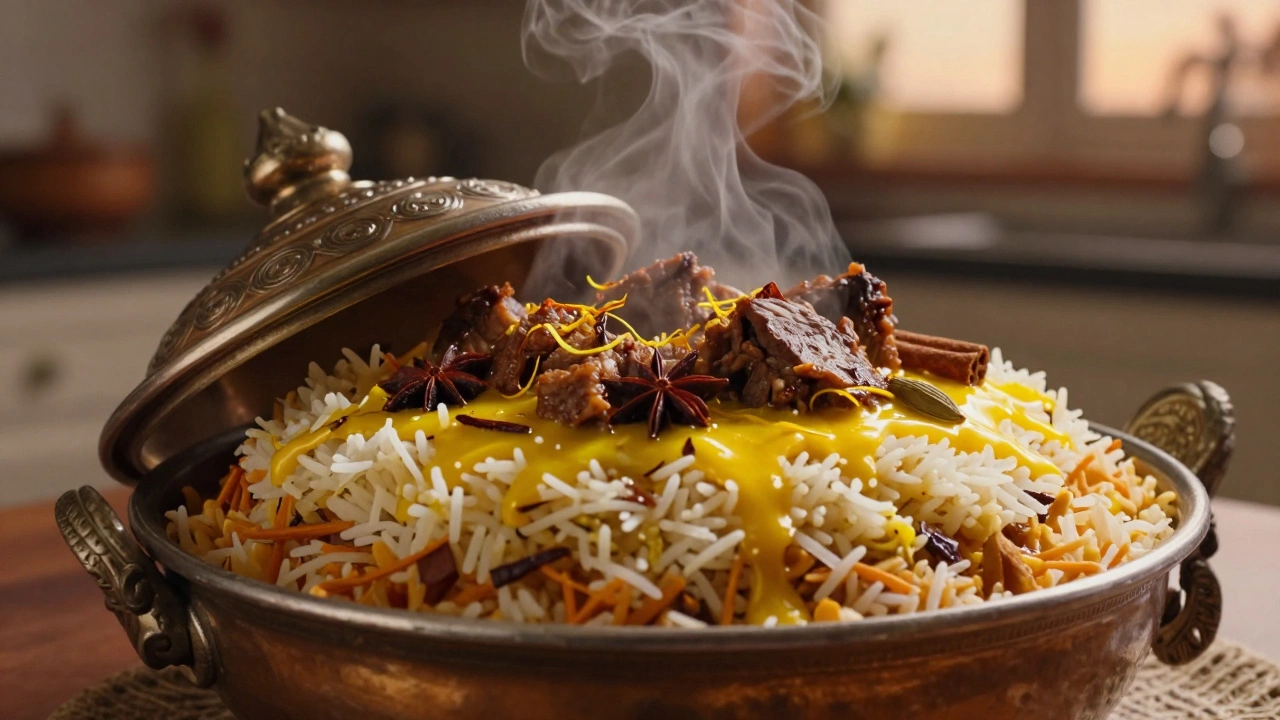
Biryani isn’t a curry with rice on the side. It’s a layered dish where rice is the foundation, the canvas, and the star. Without the right rice, you don’t have biryani. You have spiced meat with boiled grains.
Basmati rice is long, slender, and aromatic. When cooked properly, it stays separate, never mushy. Each grain holds its shape, absorbing flavor without falling apart. That’s critical. In traditional biryani, the rice is parboiled, then layered with meat, spices, and saffron milk, then sealed and cooked slowly. If the rice is too short, too sticky, or lacks fragrance, the whole dish collapses.
Real basmati comes from the foothills of the Himalayas-India and Pakistan. It’s aged for at least a year. Older basmati means less moisture, which means fluffier grains after cooking. You can’t substitute jasmine rice or even long-grain white rice and expect the same result. They’re too soft. Too sticky. Too bland.
The Science Behind the Aroma
Basmati rice contains 2-acetyl-1-pyrroline, the same compound that gives pandan leaves and popcorn their signature scent. It’s what makes biryani smell like a warm breeze through a spice market. But this compound is fragile. It fades fast if the rice isn’t fresh or properly stored.
Most grocery stores sell basmati that’s been sitting on shelves for months, sometimes years. If it smells flat, like cardboard, skip it. Buy from Indian or Pakistani grocers. Look for bags labeled "aged" or "premium." The grains should be pale ivory, not yellow. They should snap cleanly when bent-not bend like wet noodles.
And don’t rinse it like you would regular rice. Rinse basmati just once or twice. Too much water washes away the natural oils that carry flavor. Soak it for 30 minutes before cooking. That’s not optional. It lets the grains swell evenly so they cook uniformly in the dum pot.
What About the Spices? Aren’t They More Important?
Saffron? Cardamom? Cinnamon? Cloves? Yes, they matter. But they’re the seasoning, not the stage. Think of them like actors in a play. Saffron gives color and luxury. Cardamom adds floral depth. Cinnamon brings warmth. But if the stage-the rice-is cracked, warped, or rotten, no amount of acting will save the show.
Here’s the test: make two biryanis. Use the same meat, same spices, same cooking method. One with basmati. One with jasmine. The jasmine version will taste like a good fried rice. The basmati one will make you close your eyes and remember your grandmother’s kitchen.
Even in restaurants, the best biryani chefs will tell you: if the rice is wrong, they won’t serve it. They’ll remake the whole batch. That’s how serious they are.
The Role of Water and Salt
Even the best basmati can fail if cooked wrong. The water-to-rice ratio is 1:1.5 for parboiling-not 1:2 like for regular rice. Too much water, and the grains turn soggy. Too little, and they stay hard in the center.
And salt? Always add it to the parboiling water. Not just a pinch. A teaspoon per cup of rice. That’s not for taste. It’s for structure. Salt helps the starches set properly, keeping the grains firm. Skip it, and your rice turns to paste under the weight of the meat and gravy.
Some cooks add a bay leaf or a few drops of lemon juice to the water. That’s fine. But none of it replaces proper rice and proper salting.
Real-World Examples: What Happens When You Cut Corners
I once tried to make biryani using a bag of "long-grain white rice" from a supermarket. It was cheap. I thought no one would notice. Big mistake. The rice clumped together. The bottom layer burned. The top layer was undercooked. The spices tasted sharp, not layered. My family ate it politely. No one said a word. But I knew.
Another time, I used fresh basmati but skipped the soak. The grains cooked unevenly. Half were crunchy. Half were mushy. The saffron milk pooled at the bottom, wasted. It looked beautiful. Tasted like a disaster.
Then I bought aged basmati from a local Indian grocer in Marrickville. Soaked it. Salted the water. Cooked it slow. That biryani? The kind where your cousin asks for the recipe. Your neighbor knocks on your door asking if you made it. That’s the power of rice.
How to Pick and Prepare Basmati Rice for Biryani
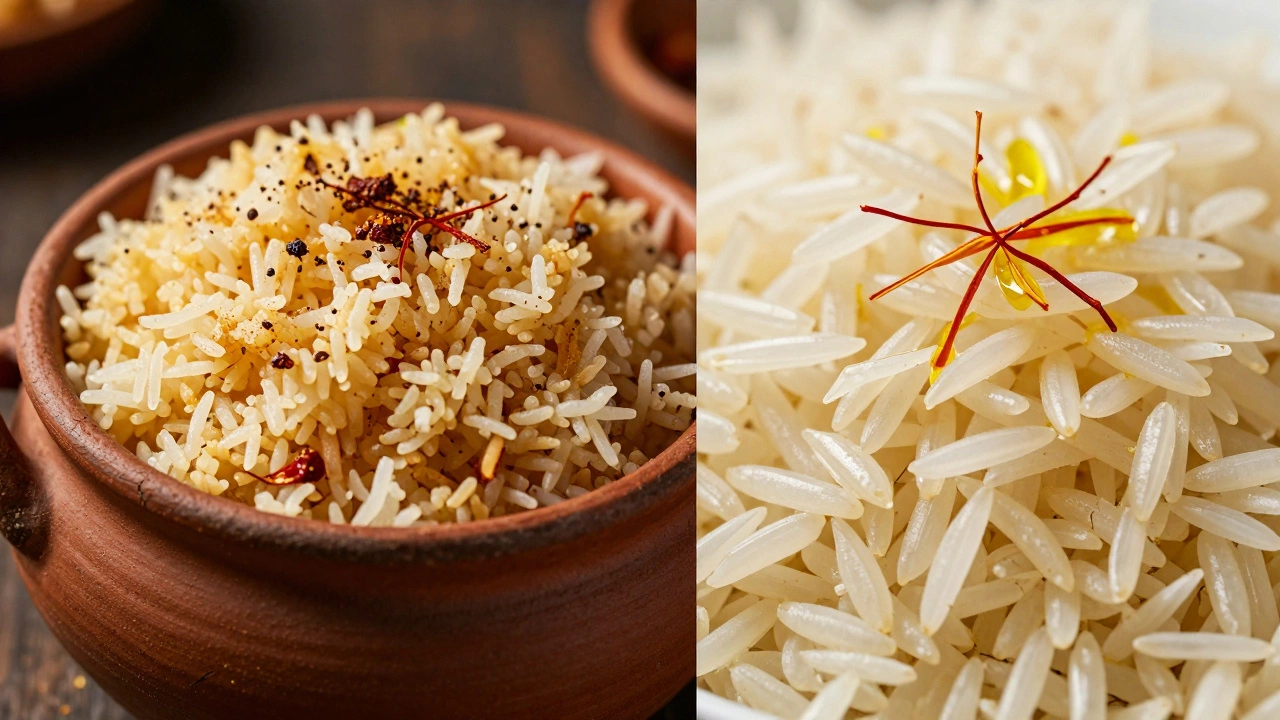
- Buy aged basmati rice (look for "aged 1 year" on the label)
- Check the grains: long, thin, not broken, no yellow tint
- Rinse only once or twice-don’t scrub
- Soak for 30 minutes before cooking
- Use 1.5 cups water per cup of rice for parboiling
- Add 1 teaspoon salt per cup of rice to the boiling water
- Drain immediately when cooked to 70% doneness (still slightly firm)
- Never use pre-cooked or instant basmati
Why Saffron Gets All the Credit
Saffron is expensive. It’s beautiful. It smells like heaven. So people assume it’s the star. But saffron is a garnish. It adds color and a whisper of floral sweetness. It doesn’t hold the dish together.
Think of it like gold leaf on a cake. Pretty. But the cake still needs flour, eggs, and sugar. Basmati rice is the flour. The eggs. The sugar. The foundation.
Without saffron, your biryani is still biryani. Without basmati? It’s just another rice dish.
Final Test: The Biryani Challenge
Next time you make biryani, do this: cook two batches. One with real basmati. One with the cheapest long-grain rice you can find. Use the same meat, same spices, same pot, same time. Serve them side by side to someone who’s never had biryani before.
Ask them which one tastes like "real biryani."
They’ll pick the basmati one. Every time.
That’s not tradition. That’s science. That’s taste. That’s the truth.
Is basmati rice the only rice you can use for biryani?
No, you can technically use other long-grain rices, but they won’t give you the same texture or aroma. Jasmine rice is too sticky. Regular long-grain white rice lacks fragrance and breaks down easily. Only aged basmati has the right balance of length, firmness, and scent to carry the weight of spices and meat without turning mushy.
Can I use pre-cooked or instant basmati rice for biryani?
Don’t. Pre-cooked or instant basmati has been processed to cook faster, which means it’s lost much of its structure and flavor. It becomes mushy when layered and steamed. Authentic biryani relies on the rice absorbing flavors slowly during the dum cooking process-something instant rice can’t do.
Why do I need to soak basmati rice before cooking?
Soaking helps the grains absorb water evenly so they cook uniformly. Without soaking, the outer layer cooks faster than the inside, leading to uneven texture-some grains hard, others mushy. Soaking for 30 minutes ensures each grain expands properly, resulting in long, separate, fluffy grains.
Should I rinse basmati rice before cooking?
Yes, but only once or twice. Rinsing removes excess starch that can make the rice sticky. But washing too much washes away the natural aromatic oils that give basmati its signature scent. A quick rinse is enough.
What’s the difference between aged and fresh basmati rice?
Aged basmati has been stored for at least a year, reducing its moisture content. This makes the grains firmer, less prone to breaking, and more aromatic. Fresh basmati is softer and cooks faster, but it doesn’t hold up as well in biryani. Aged rice gives you that professional, restaurant-quality texture.
