What Is the Most Popular Vegetarian Indian Dish?
 Jan, 23 2026
Vegetarian Dish Preference Calculator
How to find your perfect dish
Answer these quick questions to discover which vegetarian Indian dish matches your preferences best.
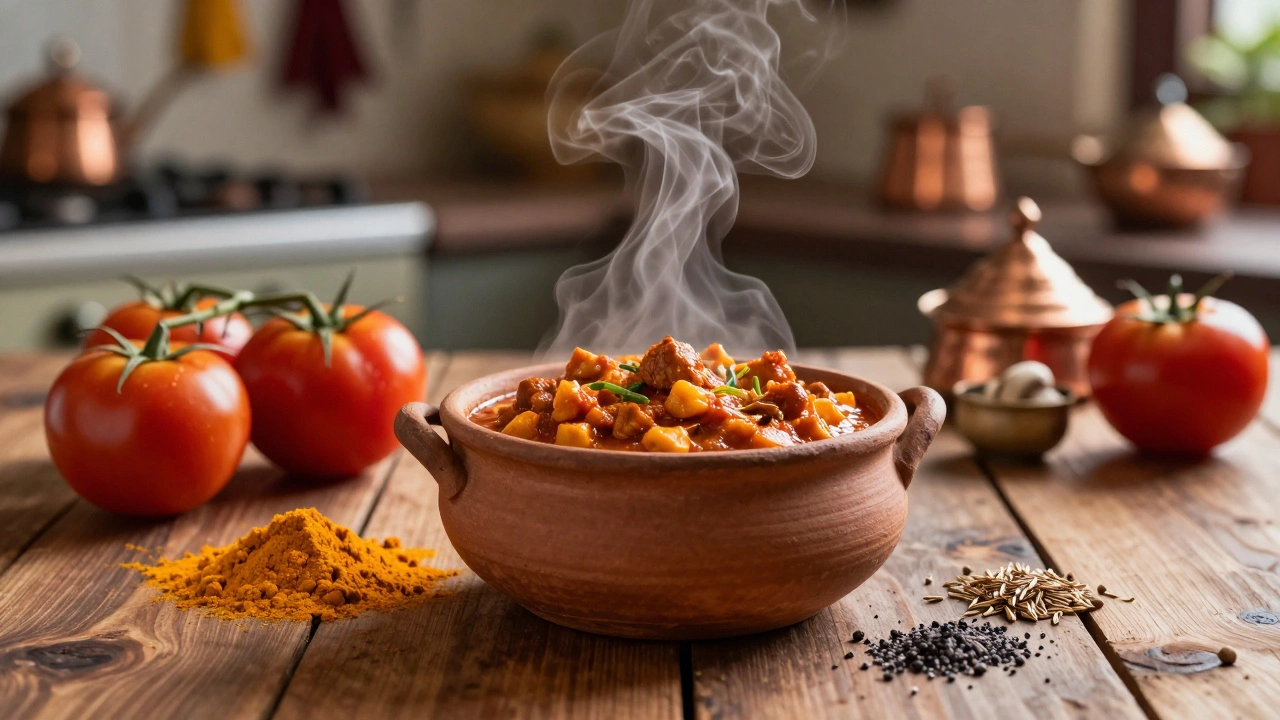
If you’ve ever walked into an Indian restaurant anywhere in the world - from Sydney to San Francisco - and asked for something vegetarian, chances are you were handed a plate of chana masala. It’s not just a dish. It’s the quiet champion of Indian vegetarian cooking. No fancy presentation. No expensive ingredients. Just chickpeas, tomatoes, onions, and a spice blend that lingers on your tongue long after the last bite. And it’s everywhere.
Why Chana Masala Wins
Chana masala isn’t just popular because it’s tasty. It’s popular because it’s practical. Chickpeas are cheap, shelf-stable, and packed with protein. In a country where millions eat vegetarian meals every day, you need food that’s filling, affordable, and easy to make in bulk. Chana masala checks every box.
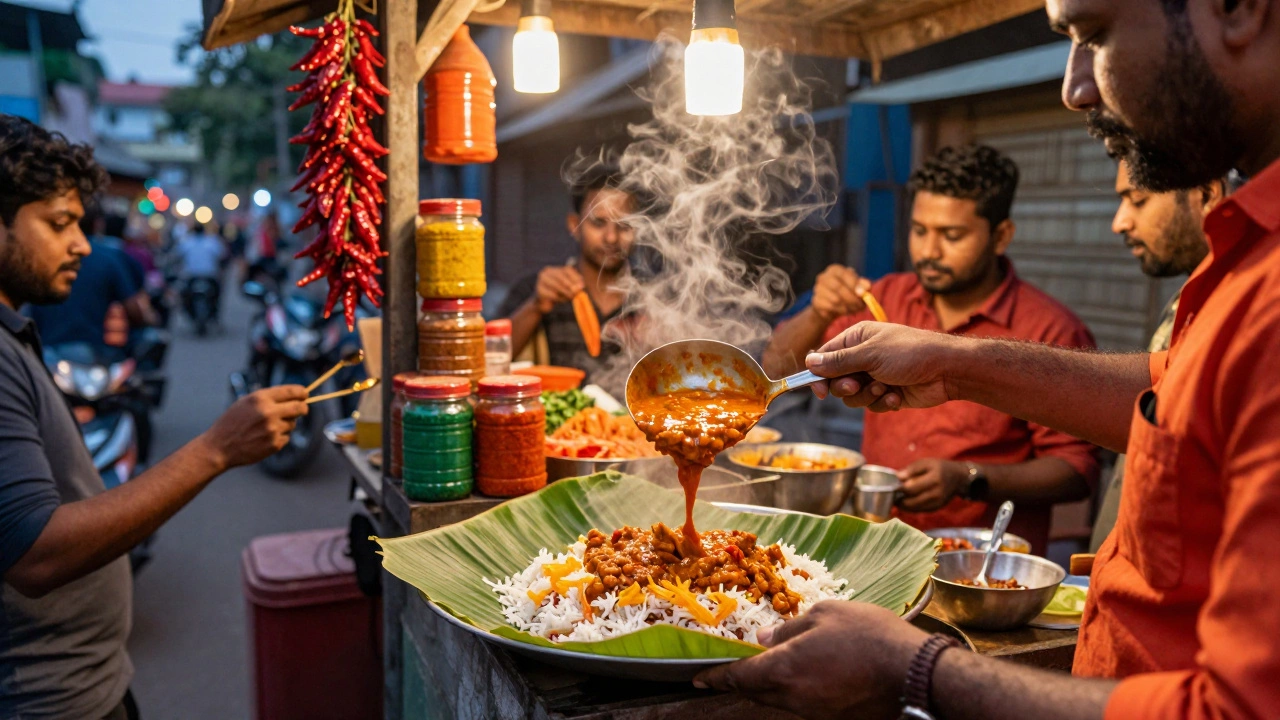
Think about it: you can cook it in under 30 minutes if you use canned chickpeas. Leftovers? They taste even better the next day. It pairs with roti, rice, naan, or even a simple bowl of steamed rice. No one needs a special occasion to eat it. You can have it for breakfast, lunch, or dinner. It’s the kind of dish that shows up in homes, roadside stalls, and five-star hotels alike.
It’s not just India. In the UK, Canada, and Australia, chana masala is often the top-selling vegetarian curry. In Sydney, where I live, it’s the default order for vegetarians at Indian takeaways - even more than paneer butter masala. Why? Because it’s bold, it’s real, and it doesn’t need cream or butter to be satisfying.
What Makes Chana Masala Different?
Some people confuse chana masala with chickpea curry or even dal. But it’s not the same. Dal is lentil-based and usually smoother. Chana masala has whole or half chickpeas, firm and textured. The spices are roasted and ground fresh - cumin, coriander, amchur (dried mango powder), black salt, and a touch of garam masala. The tang comes from amchur or lemon juice, not tomatoes alone.
There’s no cream. No coconut milk. No cashew paste. That’s what sets it apart from richer curries like paneer butter masala or korma. Chana masala is about spice, acidity, and texture. It’s a dish that doesn’t hide behind richness. It stands on its own.
Every region in India has its version. In Punjab, it’s chunkier with more onions. In Maharashtra, they add peanut powder for depth. In Delhi, it’s hotter and tangier. But no matter where you are, the core stays the same: chickpeas + spices + tomato base.
How It Compares to Other Top Vegetarian Dishes
Let’s be honest - there are other strong contenders. Paneer butter masala is creamy and loved by tourists. Dal tadka is comforting and everyday. Aloo gobi is simple and wholesome. But none of them match chana masala’s reach.
Here’s how they stack up:
| Dish | Main Ingredient | Cooking Time | Spice Level | Popularity Outside India |
|---|---|---|---|---|
| Chana Masala | Chickpeas | 25-40 minutes | Medium to High | Very High |
| Paneer Butter Masala | Paneer (cottage cheese) | 35-50 minutes | Low to Medium | High |
| Dal Tadka | Yellow lentils | 40-60 minutes | Low | Medium |
| Aloo Gobi | Potatoes and cauliflower | 30-40 minutes | Low | Medium |
| Vegetable Biryani | Rice, mixed vegetables | 60+ minutes | Medium | High |
Paneer butter masala might be the most ordered dish by tourists - but it’s not the most *common*. It’s expensive (paneer costs more than chickpeas), takes longer to make, and relies on dairy-heavy ingredients that don’t travel well in hot climates. Chana masala doesn’t have those problems.
Dal tadka is the soul of many Indian households, especially in the south and west. But it’s often seen as a side dish, not a main. Chana masala is the main event. Aloo gobi is healthy and simple, but it’s mild. For people looking for flavor, it’s not enough.
The Real Reason It’s Everywhere
Chana masala didn’t become popular because of marketing. It became popular because it works.
It’s vegan by default. No dairy, no eggs. That matters more now than ever. In 2025, over 40% of urban Indian households report reducing dairy intake - not for religion, but for health or sustainability. Chana masala fits right in.
It’s also a perfect dish for leftovers. You can freeze it. Reheat it. Add it to wraps. Mix it with quinoa. Even throw it into a salad. It doesn’t break down. It doesn’t get watery. It holds its flavor.
And then there’s the cost. A bag of dried chickpeas costs less than $2 in most Indian markets. You can make 6-8 servings from one bag. Compare that to paneer, which can cost $8-$12 per pound. For families feeding multiple people, that difference adds up.
How to Make It Right
If you want to taste the real version, skip the pre-made curry paste. Here’s what matters:
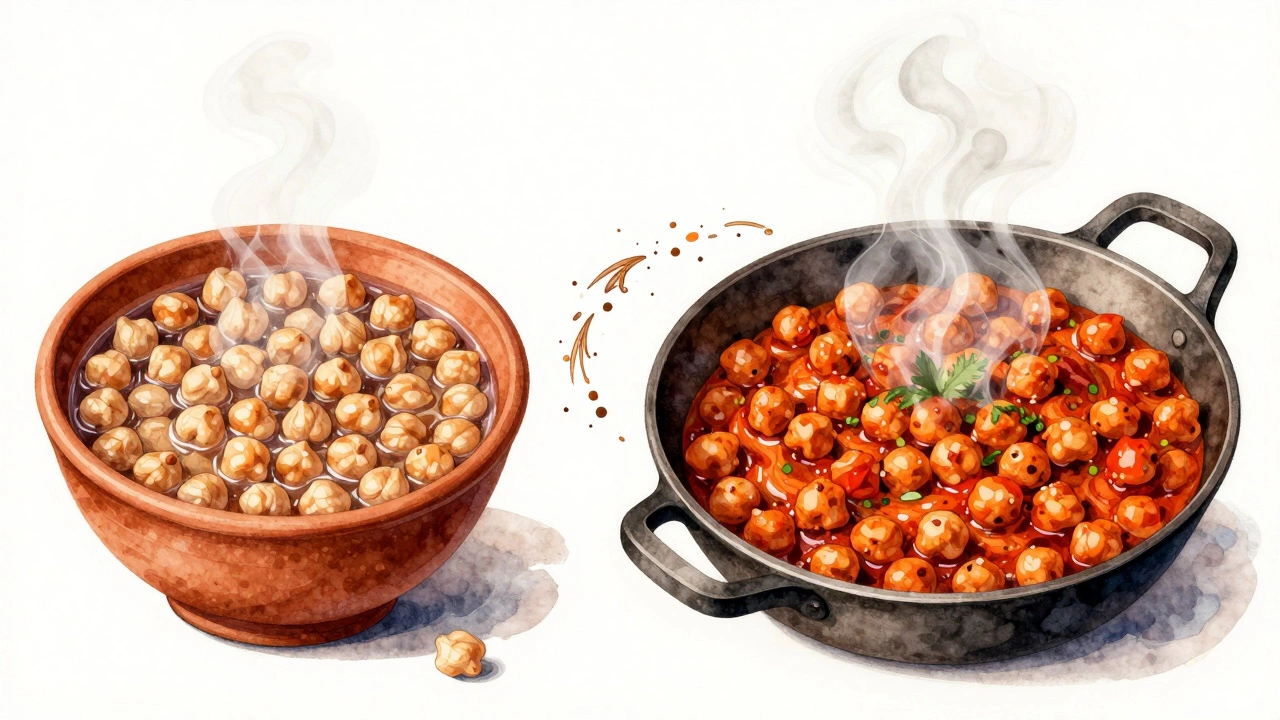
- Use dried chickpeas soaked overnight - they hold shape better than canned ones.
- Toast cumin and coriander seeds before grinding them. That’s where the aroma comes from.
- Add amchur powder at the end. It’s not optional. It’s the secret tang.
- Don’t overcook the tomatoes. Let them break down slowly - don’t rush it.
- Finish with fresh cilantro and a squeeze of lemon. That’s the final touch.
Many people add ginger-garlic paste. That’s fine. But the real traditional version skips it. Some use asafoetida (hing) for depth. That’s optional but common in South Indian homes.
Don’t add cream. Don’t add sugar. Don’t add cashew paste. That’s not chana masala. That’s a fusion version.
What Comes Next?
If you love chana masala, try these next:
- Dal Makhani - slow-cooked black lentils with butter and cream. Richer, but still vegetarian.
- Vegetable Biryani - layered rice with spices and veggies. Great for gatherings.
- Palak Paneer - spinach and paneer. Creamy, green, and comforting.
- Street-style Aloo Tikki - spiced potato patties with chutney. Perfect snack.
But start with chana masala. It’s the foundation. Once you taste the real version - the one with the tang, the spice, the texture - you’ll understand why it’s the most popular vegetarian dish in India. Not because it’s fancy. But because it’s perfect.
Is chana masala vegan?
Yes, traditional chana masala is vegan. It uses no dairy, eggs, or animal products. Just chickpeas, tomatoes, spices, oil, and water. Some restaurants may add butter or cream to make it richer, but that’s not the original version. Always ask if you’re eating out.
What’s the difference between chana masala and chana curry?
There’s no real difference. "Chana curry" is just a generic term people use when they don’t know the name. Chana masala is the specific dish with a defined spice blend, especially the use of amchur and black salt. If it’s labeled "chana curry," it might be simpler or less spiced.
Can I make chana masala without onions and garlic?
Yes. Some Jain communities avoid onions and garlic for religious reasons. In those versions, they use asafoetida (hing), ginger, and extra spices like fennel and caraway to build flavor. The dish still tastes great - just different.
Why is chana masala spicier than paneer butter masala?
Because it’s not meant to be creamy or mild. Paneer butter masala was designed to appeal to Western palates - smooth, rich, and gentle. Chana masala was made for everyday Indian meals - bold, tangy, and spicy. It’s about flavor intensity, not comfort.
Is canned chickpea okay for chana masala?
Yes, if you’re short on time. But dried chickpeas soaked overnight give a better texture - firmer, less mushy. If you use canned, rinse them well to remove the starchy liquid. Add them later in cooking so they don’t break down.
