What Is the Secret to a Good Chicken Curry?
 Dec, 12 2025
Chicken Curry Simmer Time Calculator
Based on the article's secret to a good curry: timing, layering, and patience. Find your ideal simmer time for perfect chicken curry texture.
Optimal Simmer Time
Most people think a good curry is about heat. Spiciness. Lots of chili. But if you’ve ever bitten into a curry that burned your tongue but left your taste buds bored, you know that’s not it. The real secret to a good chicken curry isn’t in the spice rack-it’s in the timing, the layering, and the patience you’re willing to give it.
The Base Is Everything
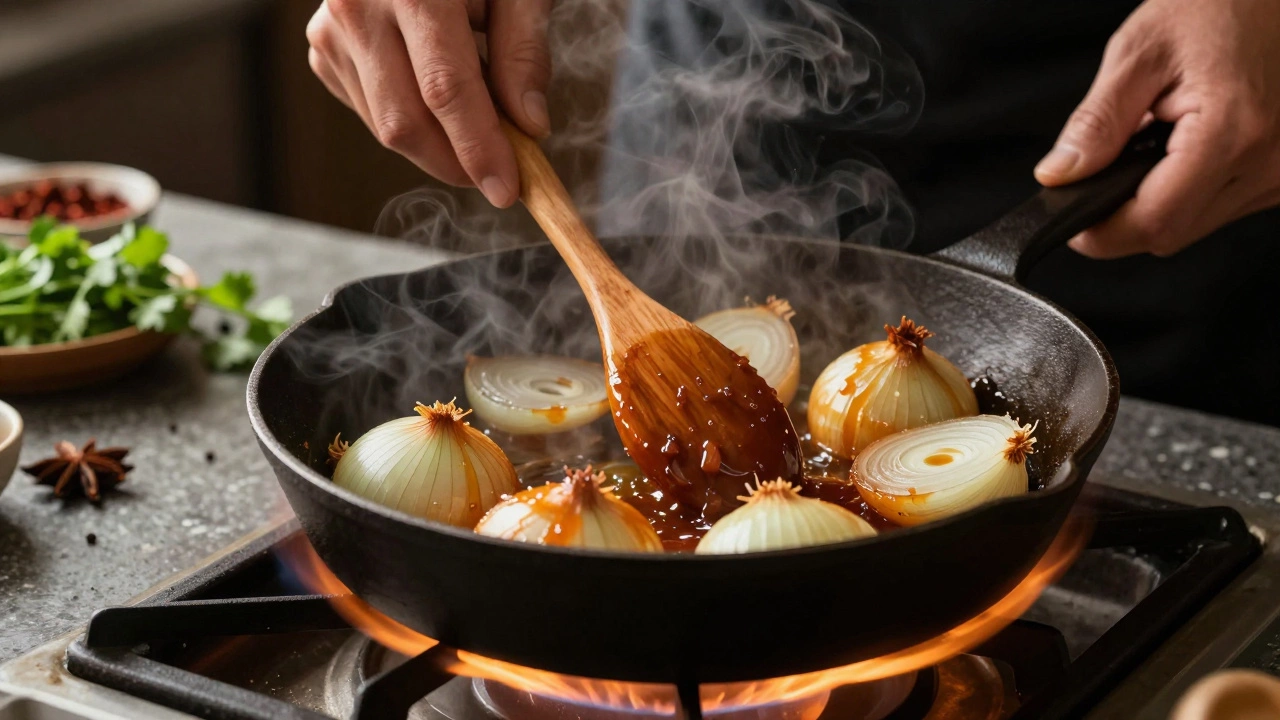
Start with the onions. Not just any onions. Yellow or red, sliced thin, and cooked low and slow until they turn deep golden brown, almost caramelized. This isn’t a 5-minute sauté. This takes 20 to 25 minutes. Stir occasionally, scrape the bottom of the pan, and don’t rush it. That’s where the sweetness and body come from-the foundation of flavor that holds everything together. Skip this step, and your curry will taste flat, like it’s missing a core note.
Then comes the garlic and ginger. Crush them together into a paste, not grated. A paste sticks better, releases oils slower, and blends more evenly. Add them right after the onions turn color, and cook for another 2 minutes until the raw smell fades. That’s when the magic starts.
Spices Don’t Go In Raw
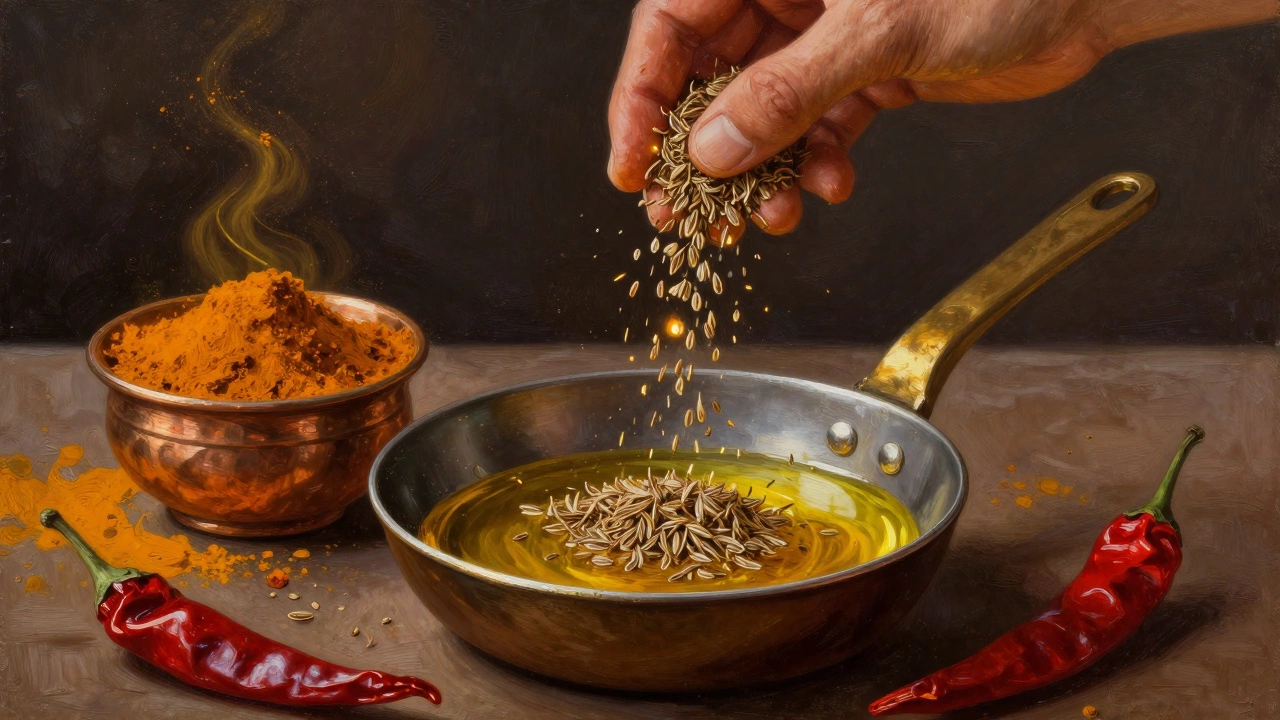
Here’s where most home cooks mess up. They dump cumin, coriander, turmeric, and garam masala straight into the pot with the chicken. That’s not how it’s done. Spices need to bloom. Heat a teaspoon of oil or ghee in the pan, toss in the whole spices first-cumin seeds, mustard seeds, a dried red chili or two. Let them sizzle for 10 seconds until they pop. Then add the ground spices. Stir constantly for 30 to 40 seconds. You’ll smell it-the aroma shifts from dusty to warm, almost nutty. That’s the difference between a bland curry and one that pulls you in.
Turmeric gives color, but too much makes it bitter. A teaspoon is enough. Coriander adds earthiness. Cumin brings depth. Garam masala? That’s the finisher. Add it at the end, never at the start. It’s not a base spice. It’s the perfume.
Chicken Matters More Than You Think
Use bone-in, skin-on chicken thighs. Not breasts. Thighs have fat, connective tissue, and flavor that stays moist during cooking. Skin-on adds richness when it renders down. Brown the chicken in batches before adding the spice base. Don’t crowd the pan. Let it sear. That brown crust? That’s flavor locked in. You’re building layers, not just tossing ingredients together.
Once the chicken is seared, remove it and set it aside. Add your spice paste to the same pan. Let it stick slightly to the bottom-those browned bits are gold. Deglaze with a splash of water or tomato puree. That’s how you scrape up the flavor trapped in the pan. Then put the chicken back in.
Liquid Is Not Just Water
Tomatoes are non-negotiable. Use ripe, crushed canned tomatoes or fresh ones cooked down until they collapse. No chunks. You want a smooth, thick sauce. Add them after the spices bloom. Let them cook for 5 to 7 minutes until the oil starts to separate from the mixture. That’s when you know the water has cooked off and the flavors have concentrated.
Now, the liquid. Water? Too plain. Coconut milk? Too sweet for a traditional curry. The best choice is chicken stock-homemade if you can. Store-bought works if it’s low-sodium. Add it slowly. You want the sauce to cling to the chicken, not swim in it. Simmer for at least 25 minutes. Longer if you can. The chicken should pull apart with a fork. The sauce should thicken naturally, not from flour or cornstarch.
The Final Touches
When the chicken is tender and the sauce is rich, turn off the heat. Now, add the garam masala-half a teaspoon. Stir once. Cover and let it sit for 10 minutes. That’s the secret pause. The flavors meld. The heat softens. The aroma deepens.
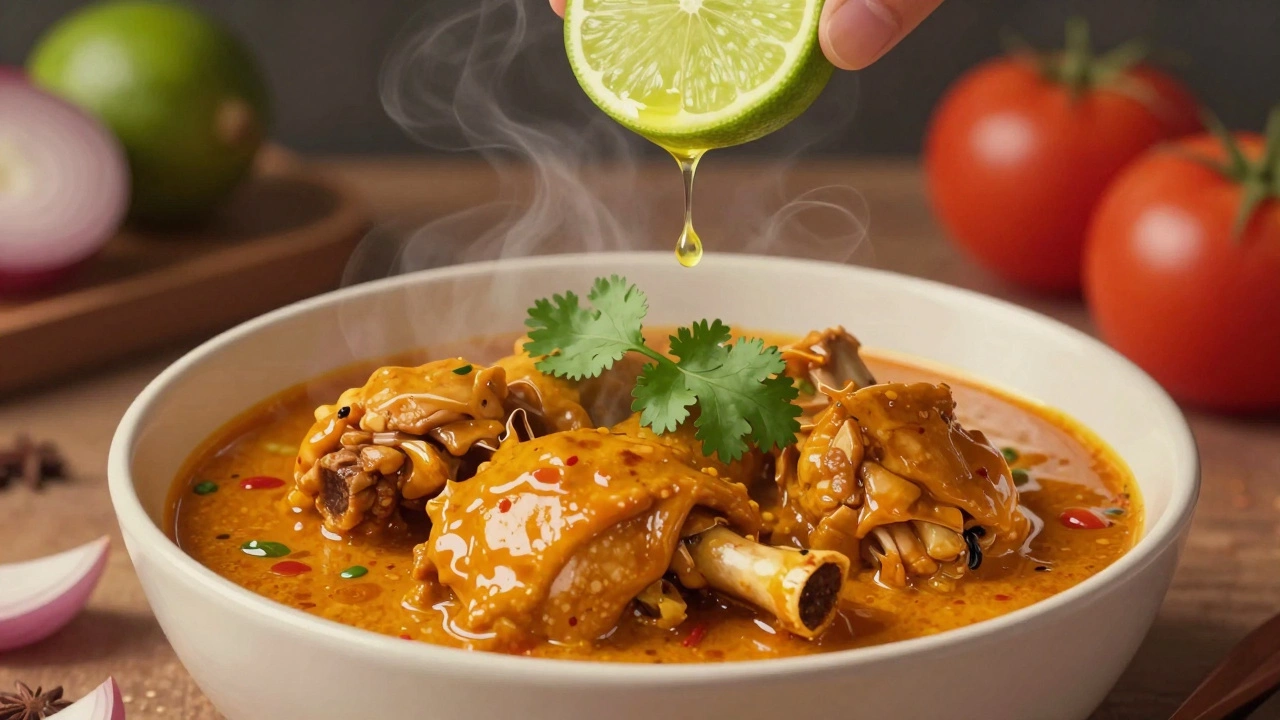
Then, a squeeze of lime juice. Just a teaspoon. Brightens everything. A handful of fresh cilantro. Not chopped, just torn. Add it right before serving. No stirring. Let it rest on top.
Common Mistakes That Ruin Curry
- Using pre-made curry paste from a jar. It’s full of preservatives and lacks depth.
- Adding yogurt or cream too early. It curdles. Add it at the very end, off heat.
- Boiling the curry hard. Simmering is key. Boiling breaks down the sauce and makes it grainy.
- Not tasting as you go. Salt needs to be adjusted after the tomatoes and stock are added. Taste again before serving.
What Makes a Curry Authentic?
Authentic doesn’t mean following a rigid recipe from a village in Punjab. It means respecting the process. It’s about building flavor in stages, not dumping everything in at once. It’s about letting each ingredient earn its place. A good curry doesn’t shout. It whispers-until you take a second bite, and then you realize it’s still there, lingering.
Some say the secret is fenugreek leaves. Others swear by kasuri methi. Some add a pinch of sugar to balance acidity. All of them are right-but only if they’re used at the right time. Fenugreek should be dry-roasted and crushed before adding. Sugar? Only if your tomatoes are sour. No rule without context.
The real secret? There’s no single ingredient. It’s the rhythm. The slow cook. The smell of onions turning golden. The quiet moment after you turn off the stove and let the curry breathe. That’s what turns a meal into something you remember.
How to Serve It Right
Don’t pour it over rice. Spoon it on top. Let the sauce pool slightly. Serve with warm naan, not just any bread. Tear it, dip it, and use it to scoop. A side of cucumber raita cools the palate. Not yogurt with garlic-that’s different. Just plain yogurt, grated cucumber, a pinch of salt, and a dash of roasted cumin powder.
Leftovers? Better the next day. The flavors keep deepening. Reheat gently. Don’t boil. Add a splash of water if it’s too thick. That’s when you’ll know you made something good.
Why does my chicken curry taste bland even with lots of spices?
Blandness usually comes from skipping the base. Onions need to be cooked slowly until caramelized. Spices need to bloom in oil before adding liquid. If you add them dry or too early, they won’t release their oils properly. Also, using low-quality spices or too much turmeric can mute flavor. Taste as you go and adjust salt after adding tomatoes and stock.
Can I use chicken breast instead of thighs?
You can, but it won’t be as good. Chicken breast dries out easily and lacks the fat that makes curry rich and tender. If you must use breast, cut it into smaller pieces, brown it quickly, and simmer for no more than 15 minutes. Add a tablespoon of cream or coconut milk at the end to restore moisture.
What’s the difference between garam masala and curry powder?
Curry powder is a British invention-pre-mixed, often dusty and stale. Garam masala is an Indian spice blend made fresh, usually with whole spices like cardamom, cinnamon, cloves, and black pepper, toasted and ground. It’s added at the end for aroma, not as a base. Never substitute one for the other.
How long should I simmer the curry?
At least 25 minutes, but 40 to 45 is better. The goal is for the chicken to fall off the bone and the sauce to thicken naturally. If the sauce is still watery after 25 minutes, simmer uncovered. Don’t add flour or cornstarch. Let the liquid reduce. That’s how you get depth, not thickness.
Should I use fresh or canned tomatoes?
Canned crushed tomatoes work better. They’re consistent in acidity and texture, and they cook down faster. Fresh tomatoes are great in summer, but they vary in ripeness and water content. If you use fresh, peel and seed them, then cook them down for 10 minutes before adding liquid. The goal is a thick, jammy base.
Next Steps: Try This Version
Next time you make chicken curry, try this: cook the onions for 25 minutes. Bloom your spices properly. Use bone-in thighs. Simmer for 40 minutes. Add garam masala off the heat. Let it rest. Taste it the next day. You’ll notice something different-the flavor doesn’t just sit on your tongue. It stays with you.
That’s the secret. Not a spice. Not a trick. Just time and attention.
