Where in the Bible Does It Say to Be Vegetarian? A Clear Look at the Text
 Dec, 23 2025
Biblical Stewardship Calculator
How Your Diet Impacts Creation
Based on Genesis 2:15, we're called to "work and keep" God's creation. This tool helps you see how dietary choices reflect biblical stewardship principles.
Your Stewardship Impact
Based on biblical stewardship principles and average consumption data
Genesis 2:15 - "The Lord God took the man and put him in the Garden of Eden to work it and keep it."
Many people wonder if the Bible supports a vegetarian lifestyle. You might have heard claims that God intended humans to eat only plants, or that meat-eating is a later compromise. But where exactly does the Bible say this? And does it mean you have to give up meat to follow God’s original plan?
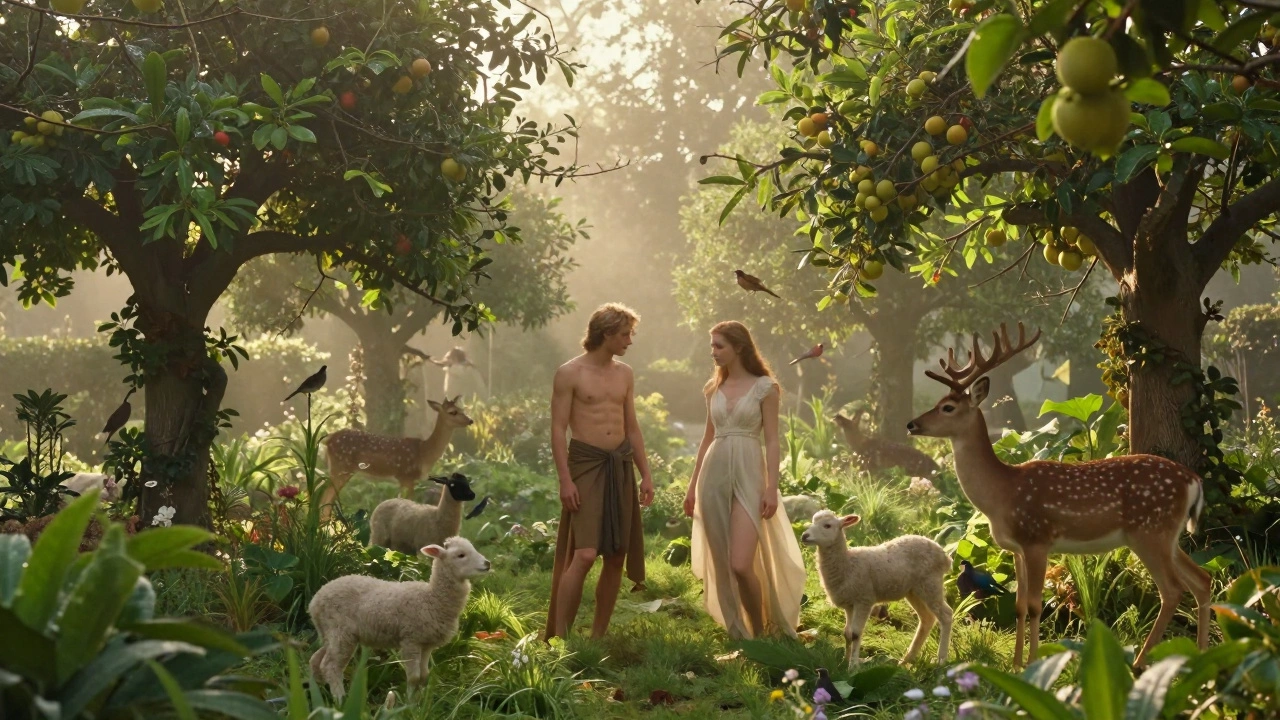
Genesis 1:29-30: The Original Diet
The clearest biblical reference to a plant-based diet comes in the very first chapters of Genesis. Right after creating humans, God says: "Look, I have given you every herb that yields seed which is on the face of all the earth, and every tree whose fruit yields seed; to you it shall be for food. Also, to every beast of the earth, to every bird of the air, and to everything that creeps on the earth, in which there is life, I have given every green herb for food" (Genesis 1:29-30, NKJV).
This passage is not a suggestion. It’s a direct instruction. Before sin entered the world, humans and animals were given only plants to eat. No meat. No hunting. No slaughter. The world was designed to function without death or violence in eating. This is the only time in the Bible where God explicitly defines a diet for all of creation.
It’s important to note: this wasn’t just for a few people. It was for every living creature. The text doesn’t say "some people" or "those who are spiritual." It says "to you" - meaning Adam and Eve, and by extension, all of humanity.
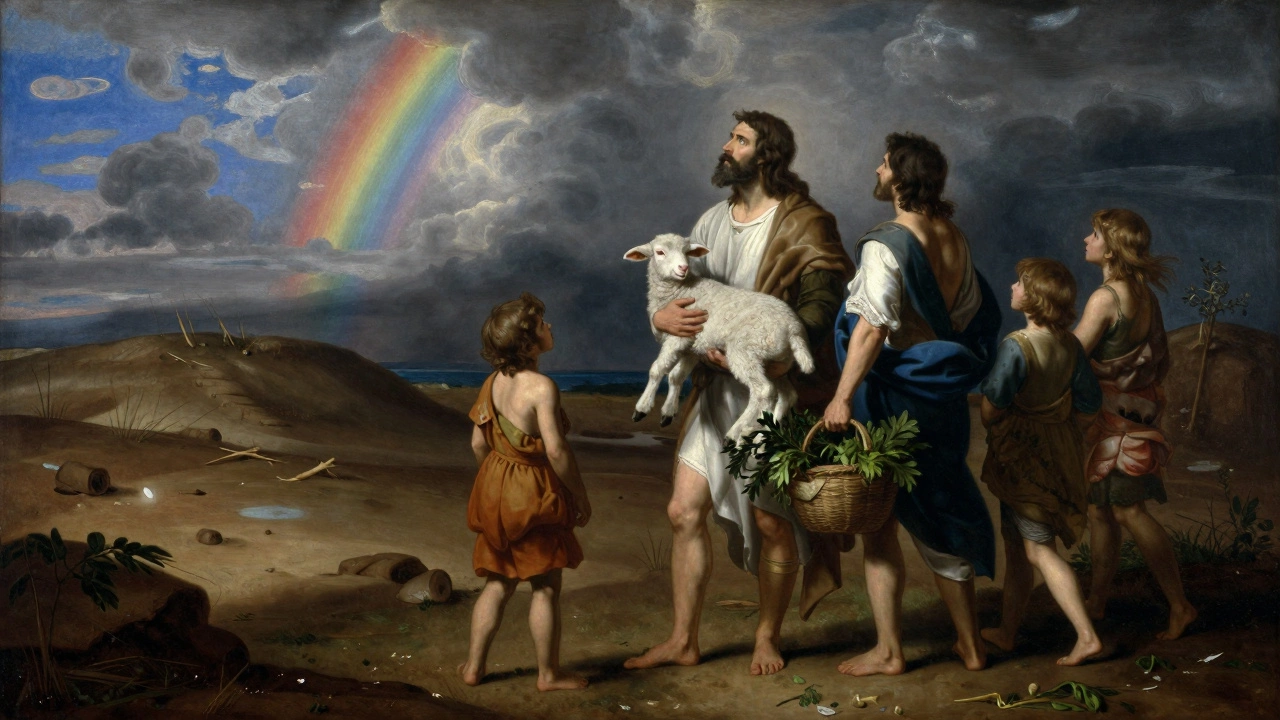
Genesis 9:3: The Shift After the Flood
So what changed? After the flood, when Noah and his family stepped out of the ark, God made a new statement: "Every moving thing that lives shall be food for you. I have given you all things, even as the green herbs" (Genesis 9:3, NKJV).
This is the first time meat is permitted in Scripture. It’s not a command to eat meat - it’s a permission. God says "shall be food for you," not "you must eat this." The tone is different from Genesis 1. There’s no joy, no celebration of abundance. Instead, there’s a sober tone: life has been lost. Death has entered the world. The rules have changed.
And notice what else comes with it: "But you shall not eat flesh with its life, that is, its blood" (Genesis 9:4). This restriction shows meat-eating was now a serious matter. Blood represented life, and taking life required reverence. It wasn’t casual. It wasn’t normal.
So the Bible doesn’t condemn meat-eating outright. But it does show a clear progression: plants first, meat later, under strict conditions.
Did Jesus Eat Meat?
Some argue that since Jesus ate fish and lamb (like during the Passover), meat must be acceptable for Christians. That’s true - Jesus did eat meat. But context matters.
Jesus lived under Jewish law, which allowed meat under specific rules. He didn’t teach a new diet. He taught about the heart. He said, "It is not what goes into the mouth that defiles a person, but what comes out of the mouth" (Matthew 15:11). He was addressing ritual purity, not nutrition.
There’s no record of Jesus ever promoting meat as ideal or superior. He didn’t say, "Eat more lamb to honor God." He didn’t praise hunters. He didn’t bless slaughterhouses. His miracles involved multiplying bread and fish - but bread was the main focus. Fish was a side note.
And when he fed the five thousand, the miracle was about abundance - not about meat being sacred. Five loaves and two fish fed thousands. The fish was enough to make the meal complete, not the centerpiece.
Paul and the Early Church: Freedom, Not Mandate
In Romans 14, Paul talks about people who eat only vegetables versus those who eat meat. He doesn’t say one is holier than the other. He says, "One person believes he may eat anything, while the weak person eats only vegetables" (Romans 14:2, ESV). He calls the meat-eater "strong" and the vegetarian "weak" - but he’s not judging their morality. He’s talking about confidence in faith.
Paul’s point? Don’t judge others over food. If you’re a vegetarian because you believe it honors God, fine. If you eat meat and give thanks, fine. But don’t look down on someone who chooses differently.
This isn’t a command to be vegetarian. It’s a call to grace. The early church had Jewish believers who followed kosher laws, and Gentile believers who didn’t. Food became a dividing line. Paul said: focus on love, not diet.
Is Vegetarianism a Spiritual Discipline?
Some Christians today choose vegetarianism because they believe it reflects God’s original design. They see eating plants as a way to reduce harm, honor creation, and live gently. Others believe God gave animals for human use - including food - and that eating meat is a gift, not a sin.
The Bible doesn’t say one side is right and the other wrong. But it does give you a starting point: Genesis 1 shows a world without meat. That’s the ideal. Genesis 9 shows a world where meat is allowed, but with limits. That’s the reality.
If you want to live as close as possible to God’s first intention, plant-based eating aligns with that vision. It doesn’t make you more saved. But it does reflect a choice to honor creation, reduce suffering, and live simply.

Modern Vegetarianism and Biblical Values
Today, many people go vegetarian for health, environment, or animal welfare. Those reasons aren’t biblical - but they can still be holy.
Stewardship of creation is a clear biblical theme. Genesis 2:15 says Adam was put in the garden "to work it and keep it." That’s not a permission slip to exploit. It’s a call to care. Industrial farming, deforestation for cattle grazing, and factory slaughterhouses don’t match that responsibility.
Jesus said, "Whoever can be trusted with very little can also be trusted with much" (Luke 16:10). If we can’t care for animals, land, and food systems with wisdom, how can we be trusted with greater things?
Choosing plant-based meals isn’t about legalism. It’s about alignment. It’s asking: does my lifestyle reflect the peace of Eden, or the chaos of a broken world?
What Does This Mean for You?
You don’t have to be vegetarian to be a faithful Christian. But if you’re looking for the Bible’s clearest vision of diet, it’s plants. No meat. No killing. No bloodshed. Just the earth’s abundance.
That doesn’t mean you’re failing if you eat meat. It means you’re living in a world that changed. The question isn’t whether you’re sinning - it’s whether you’re moving toward the original design.
Maybe you start by having one meatless day a week. Maybe you choose plant-based meals when you can. Maybe you just pause and thank God for the vegetables on your plate.
The Bible doesn’t force a diet. But it does invite a reflection: What kind of world do you want to live in? And what kind of world did God first imagine?
Does the Bible command everyone to be vegetarian?
No, the Bible does not command everyone to be vegetarian. After the flood, God permitted meat-eating in Genesis 9:3. However, the original diet given in Genesis 1:29-30 was entirely plant-based, and many see this as God’s ideal. The Bible allows freedom in dietary choices but encourages stewardship and gratitude.
Is eating meat a sin according to the Bible?
Eating meat is not labeled as a sin in the Bible. After the flood, God explicitly allowed it. But the permission came with a warning: do not consume blood. The Bible emphasizes reverence for life, not the prohibition of meat. Sin comes from greed, waste, or cruelty - not from eating meat itself.
Did Jesus ever promote a vegetarian diet?
Jesus did not promote a vegetarian diet. He ate fish and participated in Passover meals that included lamb. But he never taught that meat was spiritually superior. His focus was on the heart, not the plate. His miracles involved bread as the main element, with fish as a supplement.
Can Christians be vegetarian and still follow the Bible?
Yes, Christians can be vegetarian and fully follow the Bible. The apostle Paul recognized that some believers chose to eat only vegetables out of conscience (Romans 14:2). He didn’t condemn this - he honored their conviction. Vegetarianism can be a way to honor creation, practice simplicity, and live with compassion - all biblical values.
Why does Genesis 1 show a plant-based diet if meat is allowed later?
Genesis 1 shows God’s original intention for a peaceful, non-violent world. After sin entered through disobedience, the world changed - including how humans interacted with animals and food. The permission to eat meat in Genesis 9 reflects a fallen world, not the ideal. The Bible records history, not just commands. The first diet was plants. Later, meat became allowed under strict limits.
If you’re curious about how to eat more plant-based meals while staying true to your faith, start small. Swap one meat dish a week for a lentil curry, a chickpea stew, or a vegetable stir-fry. Notice how it feels. Notice what you’re grateful for. The Bible doesn’t demand perfection - but it does invite awareness.
