Which Country is Heaven for Vegetarians? A Global Guide
 Oct, 9 2026
Vegetarian Travel Matchmaker
Not sure where to book your next trip? Answer these three quick questions to discover which country aligns best with your vegetarian lifestyle.
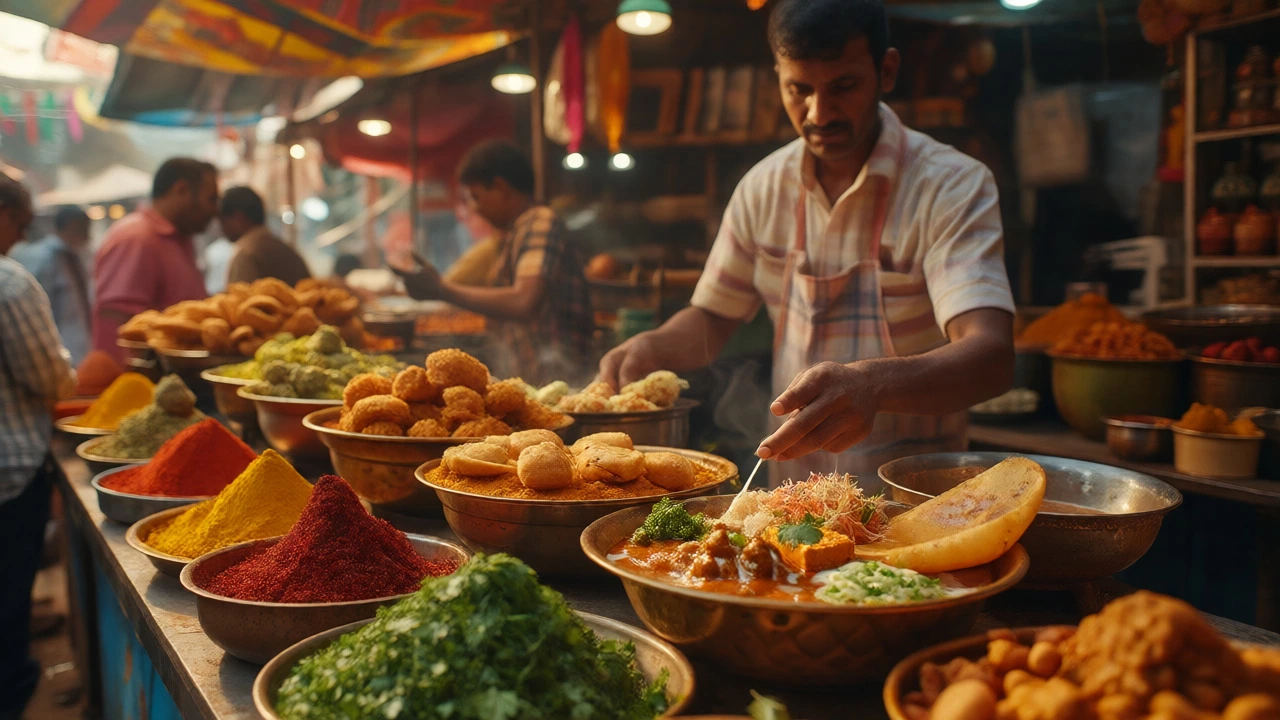
Imagine walking into a restaurant in a major European capital, asking for a meat-free meal, and watching the waiter’s face turn pale. Or picture yourself in a bustling Asian market, overwhelmed by the sheer variety of spices and plant-based options that don’t just substitute for meat but celebrate vegetables as the star of the show. For many travelers, finding good food is stressful enough; adding dietary restrictions to the mix can make or break a trip.
If you’ve ever wondered which country is heaven for vegetarians, the answer isn’t as simple as pointing to one spot on the map. It depends on what kind of vegetarian experience you’re craving. Are you looking for deep spiritual traditions where meat-eating is taboo? Do you want modern culinary innovation where tofu is treated like wagyu beef? Or are you after convenience, where every supermarket aisle screams "plant-based"?
While several nations compete for this title, India consistently ranks at the top for cultural depth and variety. But it’s not the only contender. From the strict Buddhist diets of Japan to the health-conscious hubs of Israel, the world offers distinct flavors of vegetarian living. Let’s break down the top contenders, why they made the list, and what you need to know before booking your ticket.
Why India Takes the Crown for Variety
India is widely considered the global epicenter of vegetarianism due to its deep-rooted religious and cultural traditions involving Hinduism, Jainism, and Buddhism. Unlike Western countries where vegetarianism is often a lifestyle choice or ethical stance, in large parts of India, it is a way of life passed down through generations.
The sheer volume of dishes is staggering. You aren’t limited to salads and pasta. Think about the diversity: creamy paneer curries from Punjab, spicy dosas from South India, tangy dhoklas from Gujarat, and rich vegetable biryanis from Hyderabad. The use of dairy-ghee, yogurt, milk, and cheese-is pervasive, which means vegetarians rarely feel shortchanged on richness or protein.
| Country | Cultural Basis | Food Variety | Ease of Finding Food | Dairy Usage |
|---|---|---|---|---|
| India | Religious (Hindu/Jain) | Extremely High | High (in cities/temples) | Very High |
| Israel | Health/Ethical Trend | High (Mediterranean) | Very High | Moderate |
| Japan | Buddhist Tradition | Moderate (Traditional) | Moderate (Hidden ingredients) | Low |
| Thailand | General Availability | High (Street Food) | High (with caution) | Low |
| United Kingdom | Ethical/Environmental | High (Modern Fusion) | Very High | Moderate |
In India, you’ll find dedicated vegetarian restaurants everywhere, especially in states like Gujarat, Rajasthan, and Tamil Nadu. In places like Pushkar or Rishikesh, eating meat might actually be frowned upon in certain zones. The concept of "Satvik" food-pure, clean, and energizing-drives a cuisine that relies heavily on lentils, legumes, fresh vegetables, and mild spices. If you love complex flavor profiles without the animal product, nothing else comes close.
Israel: The Modern Hub of Plant-Based Innovation
If India is the traditional heavyweight, Israel is the modern challenger. Tel Aviv has frequently been dubbed the "Vegan Capital of the World," and for good reason. Here, vegetarianism isn’t just about avoiding meat; it’s about high-quality, innovative plant-based dining.
The Mediterranean diet provides a natural foundation for vegetarian eating. Hummus, falafel, tabbouleh, baba ganoush, and fresh Israeli salads are inherently vegetarian and incredibly flavorful. But beyond the staples, Israeli chefs have embraced plant-based technology. You’ll find burgers made from mushrooms and beans that rival any beef patty, and vegan cheeses that melt properly-a rarity in many parts of the world.
Tel Aviv’s street food scene is a paradise. Sabich sandwiches with fried eggplant, hummus, and amba sauce are legendary. Because the culture leans heavily toward health and environmental consciousness, labeling is clear. You won’t have to guess if a dish contains fish sauce or hidden butter. The transparency makes it a stress-free destination for anyone sticking to a plant-based diet.
Japan: A Delicate Balance of Tradition and Challenge
Japan presents a unique paradox. On one hand, Shojin Ryori is a traditional Japanese Buddhist vegetarian cuisine that originated in temple kitchens. It is artistic, seasonal, and strictly plant-based, focusing on tofu, seaweed, and root vegetables. This form of vegetarianism is centuries old and deeply respected.
However, navigating everyday dining in Japan can be tricky for vegetarians who aren’t prepared. The culprit is often dashi, a stock made from bonito flakes (fish). Many soups, sauces, and even some vegetable dishes contain this umami bomb. A simple bowl of ramen might look vegetarian but could be swimming in pork bone broth.
That said, Japan is improving rapidly. Tokyo now boasts an impressive number of vegan and vegetarian cafes, particularly in neighborhoods like Shimokitazawa and Harajuku. If you stick to traditional temples, learn to say "butsu shoku" (Buddhist food), or visit specialized shops, Japan offers a refined, minimalist vegetarian experience that focuses on the natural taste of ingredients rather than masking them with heavy sauces.

Thailand: Street Food Paradise with Caveats
For those who love bold, spicy, and sweet flavors, Thailand is hard to beat. Thai Cuisine is globally renowned for its balance of five fundamental tastes: sweet, spicy, sour, bitter, and salty, often achieved using fresh herbs and plant-based ingredients.
Vegetarian options are abundant, especially in Bangkok and Chiang Mai. Pad Thai can easily be made without shrimp or chicken. Green curry with tofu is a staple. Morning glory stir-fry is cheap, delicious, and everywhere. However, the word "vegetarian" in Thailand can be misleading. Traditional Thai cooking uses fish sauce (nam pla) and shrimp paste extensively. Even dishes labeled "Jay" (the Thai-Vegan label used during festivals) are safe, but standard "mangsawirat" (vegetarian) might still include eggs or dairy depending on the region.
During the Vegetarian Festival in Phuket, the entire island goes vegan for nine days. Yellow flags mark stalls selling certified meat-free and alcohol-free food. Outside of festival times, you need to be vocal. Learn the phrase "gin jay" (I eat Jay/vegan) to ensure no fish sauce sneaks into your pad see ew.
The United Kingdom: Convenience and Choice
Don’t overlook Europe. While Italy and France have great produce, the United Kingdom has arguably become the most accommodating country in the West for vegetarians and vegans. The shift happened fast. Ten years ago, finding a decent meat-free option outside London was tough. Today, from Glasgow to Brighton, almost every pub serves a halloumi burger or a mushroom stroganoff.
The UK benefits from a massive immigrant population, bringing diverse vegetarian traditions. You can find authentic Indian thalis, Ethiopian injera platters, and Middle Eastern mezze spreads on almost any high street. Supermarkets are also ahead of the curve, with entire aisles dedicated to plant-based alternatives. Brands like Quorn and various pea-protein meats are mainstream, not niche. For travelers who want comfort food without the hassle of explaining their diet, the UK is a safe, predictable bet.

Practical Tips for Vegetarian Travelers
No matter which country you choose, preparation is key. Here is how to navigate the landscape effectively:
- Learn the Local Lingo: Don’t rely on English. In India, know the difference between "veg" and "non-veg." In Thailand, distinguish between "Jay" (vegan) and general vegetarian. In Japan, ask about dashi.
- Check Religious Holidays: Some countries have specific periods where vegetarian food is more prevalent. Ramadan affects Muslim-majority countries differently, while Chinese New Year might see an uptick in Buddhist vegetarian meals.
- Use Technology: Apps like HappyCow are invaluable. They crowdsource reviews and photos, helping you avoid tourist traps that claim to be vegetarian-friendly but serve up bland rice and plain veggies.
- Understand Cross-Contamination: If you are a strict vegan or have allergies, ask about shared frying pans. In India, ghee is used everywhere, so if you avoid dairy, specify "no ghee, oil only."
- Embrace the Local Staples: Instead of trying to recreate home meals, lean into local vegetarian traditions. Eat dal in India, hummus in Israel, tofu in Japan, and tofu stir-fry in Thailand. You’ll enjoy the food more and respect the culture better.
Frequently Asked Questions
Is India really the best country for vegetarians?
Yes, for most people, India is considered the top destination due to the sheer variety and cultural acceptance of vegetarianism. Millions of Indians are lifelong vegetarians, so the infrastructure-from markets to restaurants-is built around plant-based eating. However, it requires some navigation regarding dairy usage if you are vegan.
Can I find vegan food in India easily?
It is easier than it used to be, but still challenging compared to Israel or the UK. Most traditional Indian vegetarian dishes use ghee (clarified butter) or paneer (cheese). You must explicitly request "oil instead of ghee" and avoid dairy-heavy dishes. Look for Jain restaurants, which often exclude onions and garlic but also tend to avoid root vegetables and sometimes dairy, offering more vegan-friendly options.
What is the hardest country for vegetarians to visit?
Countries with strong meat-centric cultures and less exposure to international dietary trends can be difficult. Parts of Central Asia, Mongolia, and some rural areas in Eastern Europe may offer limited options, often relying heavily on meat and dairy with few plant-based alternatives. Argentina is another classic example, where barbecue culture dominates, though Buenos Aires has improved significantly.
Is Japan suitable for vegetarians?
Japan is suitable if you do your research. Traditional Shojin Ryori is excellent, but mainstream dining often hides fish-derived dashi in sauces and broths. Urban centers like Tokyo and Kyoto have many dedicated vegetarian and vegan restaurants, making it feasible for those willing to plan ahead and read menus carefully.
Which city is known as the vegan capital of the world?
Tel Aviv, Israel, is frequently cited as the vegan capital of the world due to the high density of vegan restaurants, widespread availability of plant-based products, and a cultural shift towards ethical eating. Berlin and Portland also frequently appear on such lists, but Tel Aviv leads in terms of per-capita adoption and innovation.
