Which is healthier, idli or dosa? Nutritional breakdown and what really matters
 Mar, 17 2026
Idli vs Dosa Calculator
See how your choices affect the nutrition of idli and dosa. This calculator is based on scientific studies from the Indian Journal of Nutrition and Dietetics and National Institute of Nutrition.
Remember: The biggest difference comes from cooking method. Steamed idli has 80% less fat than a regular dosa. Choose minimal oil for dosa to reduce calories by 50-70 per serving.
Idli Options
Dosa Options
Nutritional Comparison
Idli
0 calories
Protein: 0g
Fat: 0g
Carbs: 0g
GI: 65
Dosa
0 calories
Protein: 0g
Fat: 0g
Carbs: 0g
GI: 75
Calorie Difference: 0 fewer calories in idli
Fat Difference: 0 more grams of fat in dosa
Health Impact
Your choices will affect blood sugar levels and weight management.
Tip: Using brown rice instead of white rice can reduce glycemic index by 10-15 points for both options.
How to Make It Healthier
- Use plain dry dosa with minimal oil (1 tsp or less)
- Replace white rice with brown rice or millet
- Add chana dal to the batter for extra protein
- Ferment for at least 18 hours for better nutrient absorption
- Pair with veggie sambar and tomato chutney instead of coconut chutney
When it comes to South Indian breakfasts, idli and dosa are the two most common choices. Both are made from fermented rice and lentil batter. Both are light, fluffy, and naturally vegan. But if you’re trying to pick the healthier option, the answer isn’t as simple as it looks. Let’s break down what’s really in each one - not just the calories, but the digestion, the nutrients, and how the batter itself changes everything.
How idli and dosa are made (and why it matters)
At their core, idli and dosa come from the same batter: soaked rice and black gram (urad dal), ground together, fermented overnight, then steamed or fried. The fermentation is the secret weapon here. It breaks down phytic acid, which blocks mineral absorption, and boosts B vitamins like folate and niacin. It also turns complex starches into simpler sugars, making them easier to digest. That’s why traditional batter fermented for 12-24 hours is far better than store-bought mixes that skip this step.
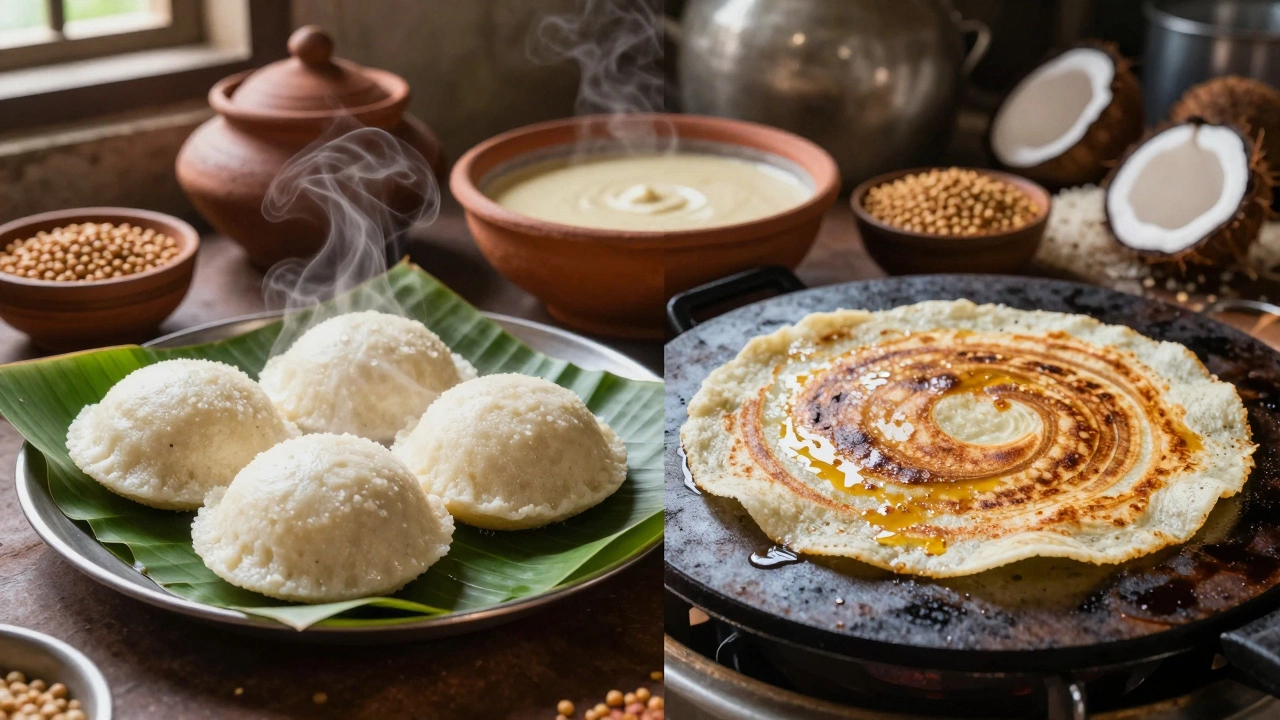
But here’s the difference: idli is steamed into soft, spongy cakes. Dosa is spread thin on a hot griddle and cooked with oil or ghee until crisp. That one step - frying - changes the game.
Calories and fat: the big divide
One medium idli (about 50g) has roughly 60-70 calories. It contains almost no fat unless you serve it with coconut chutney or ghee. Most of those calories come from complex carbs and a little plant-based protein from the urad dal.
One regular dosa (about 100g, medium size) has 120-150 calories. Why? Because even a thin dosa soaks up 1-2 teaspoons of oil during cooking. That’s 45-90 extra calories just from fat. If you’re eating a masala dosa with potato filling and extra butter on top? That can jump to 300+ calories. The batter itself isn’t the problem - it’s how it’s cooked.
Studies from the Indian Journal of Nutrition and Dietetics show that steamed idli has 80% less fat than a standard dosa. That’s not a small difference. For someone watching fat intake, especially saturated fat linked to heart health, idli wins by a wide margin.
Protein and fiber: a closer look
Both idli and dosa get their protein from urad dal. One idli gives you about 2-3 grams of protein. One dosa? Around 3-4 grams. That’s not a huge gap. But here’s where it gets interesting: the fermentation process increases bioavailability. That means your body can use more of that protein. Fermented foods like idli and dosa have up to 30% better protein absorption than unfermented legumes.
Fiber? Both have about 1 gram per serving. Not much, but enough to help slow down sugar absorption. The real fiber boost comes from what you eat with it. Pair your idli or dosa with sambar (lentil stew) or a side of steamed vegetables, and your fiber intake jumps. A plain dosa with just chutney? You’re missing out.
血糖指数 (GI): which one spikes your blood sugar less?
This is where most people get confused. Both idli and dosa are made from white rice - which has a high glycemic index. But fermentation changes that. Fermented idli has a GI of around 65, which is moderate. A plain dosa? Closer to 75. Why? Because the frying process makes the starch more rapidly digestible. The crisp texture means your body breaks it down faster, leading to quicker sugar spikes.
Research from the National Institute of Nutrition in Hyderabad found that people who ate steamed idli had 20% lower post-meal blood sugar spikes compared to those who ate dosa, even when portion sizes were equal. If you have prediabetes, insulin resistance, or are just trying to avoid energy crashes, idli is the smarter pick.
What about the dosa batter recipe?
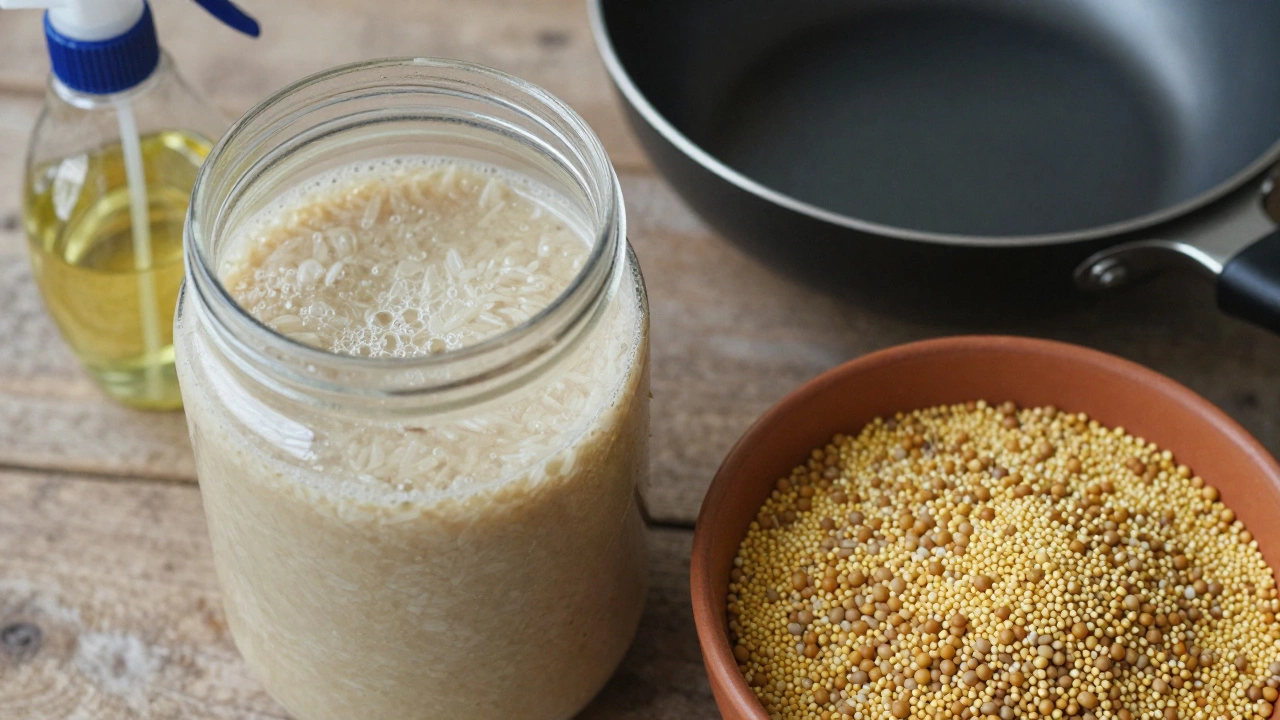
Here’s the truth: you can make a healthier dosa. It all starts with the batter. Use brown rice instead of white rice. Swap 30% of the rice for millet like finger millet (ragi) or sorghum. These add fiber, iron, and magnesium. Add a handful of soaked chana dal (split chickpeas) for extra protein. Let it ferment for at least 18 hours - longer is better.
And here’s the biggest tweak: cook it with minimal oil. Use a non-stick pan. Spray a tiny bit of oil instead of pouring it. Or better yet, try a dry-cooked dosa - it’s called a “plain dosa” in South India, and it’s surprisingly tasty. You’ll cut 50-70 calories per dosa just by changing how you cook it.
What you eat with it makes a huge difference
Let’s say you pick idli. If you drown it in coconut chutney (high in saturated fat) and sambar with added sugar, you’re undoing the health benefits. Same with dosa: if you top it with butter, cheese, or fried potatoes, it’s no longer a healthy meal.
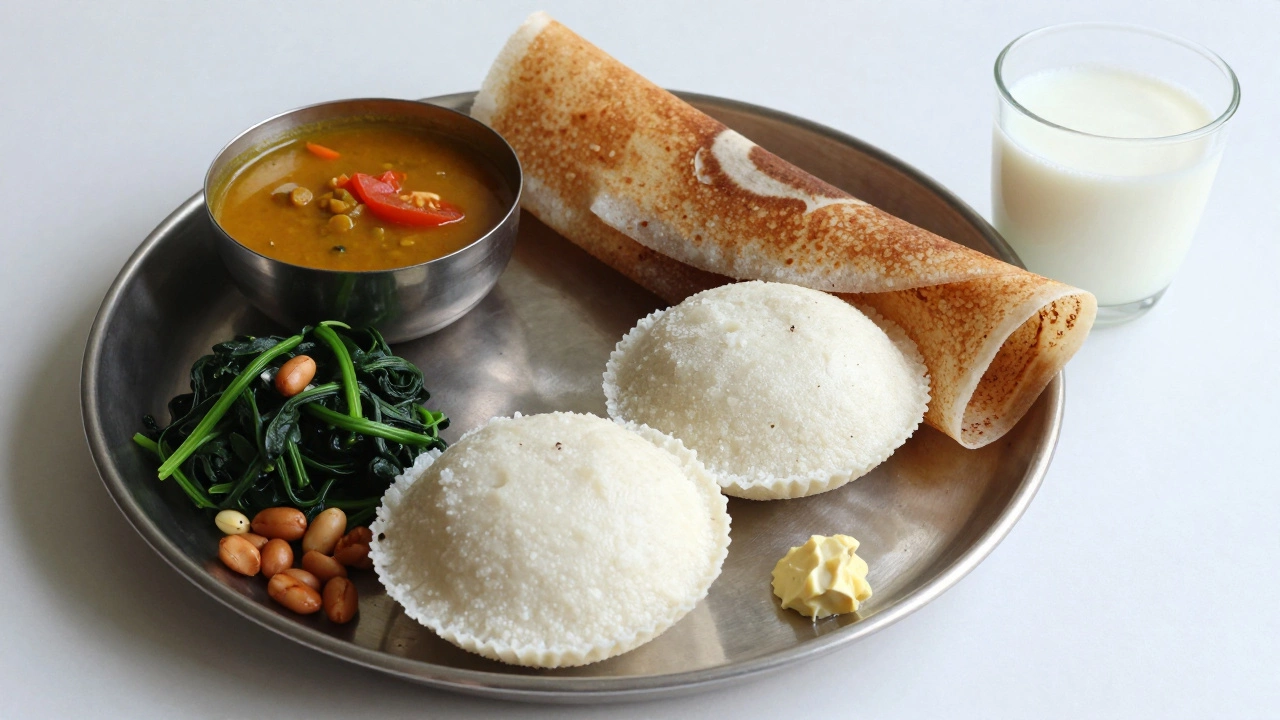
The real health win comes from pairing either with:
- Sambar made with lentils, tamarind, and vegetables - no sugar added
- Tomato or onion chutney instead of coconut chutney
- A side of steamed greens like spinach or moringa leaves
- A boiled egg or roasted peanuts on the side for extra protein
These additions turn a simple breakfast into a balanced meal with protein, fiber, and healthy fats. That’s what matters more than whether it’s idli or dosa.
Bottom line: which is healthier?
If you’re choosing between plain idli and plain dosa - and you’re cooking both the same way (steamed vs. fried) - idli wins. It’s lower in fat, lower in calories, and has a gentler effect on blood sugar. But if you’re making a dosa with brown rice, fermenting it well, using almost no oil, and eating it with veggie sambar? Then it’s just as healthy.
The truth is, neither is a magic food. Both are fermented, plant-based, and naturally gluten-free. The real difference is in how you prepare them. Most people think it’s about the shape - round cake vs. crispy crepe. But it’s really about the oil, the rice type, and what you serve it with.
For daily eating? Go with idli. For a weekend treat? Make a healthier dosa. Both can fit into a balanced diet. Just don’t let the oil, sugar, or convenience ruin the nutrition.
Is idli better than dosa for weight loss?
Yes, idli is generally better for weight loss because it’s steamed and contains far less fat than dosa, which is typically cooked with oil. A plain idli has about 60-70 calories, while a regular dosa can have 120-150 calories or more due to added oil. If you’re watching calories, choose idli - but make sure you’re not adding butter or sugary chutneys.
Can I make dosa healthy without frying it?
Absolutely. Use a non-stick pan and spray a tiny bit of oil - or skip oil entirely and cook it dry. Swap white rice for brown rice or millet in the batter to add fiber and lower the glycemic index. Add chana dal for more protein. Ferment the batter for at least 18 hours. A dry-cooked dosa made with whole grains is just as healthy as idli.
Does fermentation really make idli and dosa healthier?
Yes. Fermentation breaks down phytic acid, which blocks iron and zinc absorption. It also increases B vitamins like folate and niacin. The lactic acid bacteria produced during fermentation act like probiotics, supporting gut health. Fermented batter is easier to digest and helps stabilize blood sugar. A 12-hour fermentation is the minimum - 24 hours is even better.
Which has more protein: idli or dosa?
Both have similar protein levels - around 2-4 grams per serving - because they come from the same batter. The difference isn’t in the amount, but in how well your body absorbs it. Fermentation improves protein digestibility by up to 30%, so both are good sources of plant-based protein. Adding chana dal or peanuts to your meal boosts protein even more.
Is idli or dosa better for diabetics?
Idli is generally better for diabetics because it has a lower glycemic index (around 65) compared to dosa (around 75). The steaming process preserves more of the batter’s structure, slowing down sugar release. Dosa’s crispy texture breaks down faster in the gut, causing quicker blood sugar spikes. For diabetics, choose idli, use brown rice batter, and avoid sugary chutneys.
