Which is the King of Snacks in India? A Deep Dive into Healthy Indian Choices
 Aug, 7 2026
Indian Snack Health & Calorie Calculator
Health Rating
Estimated Calories
Primary Nutrient
Select a snack and click calculate to see its nutritional breakdown.
Walk down any busy lane in Mumbai, Delhi, or Bangalore, and you will smell it before you see it. The sharp tang of tamarind, the earthy punch of roasted cumin, and the sizzle of oil hitting hot batter. But if you ask a hundred people across this vast country who holds the crown for "King of Snacks," you won't get one answer. You’ll get a map.
In India, snack culture isn’t just about filling a stomach between meals. It’s a social ritual, a comfort mechanism, and a culinary art form that varies by state, season, and even time of day. So, who is the real king? Is it the spicy Pani Puri from the north, the sweet Golgappa from the west, or perhaps the savory Phuchka of the east? Or does the title belong to something entirely different?
To find the true monarch, we have to look beyond popularity and consider versatility, cultural penetration, and yes, health. Because let’s be honest-most of us are looking for a snack that doesn’t wreck our diet. Let’s break down the contenders.
The Undisputed People’s Champion: Pani Puri
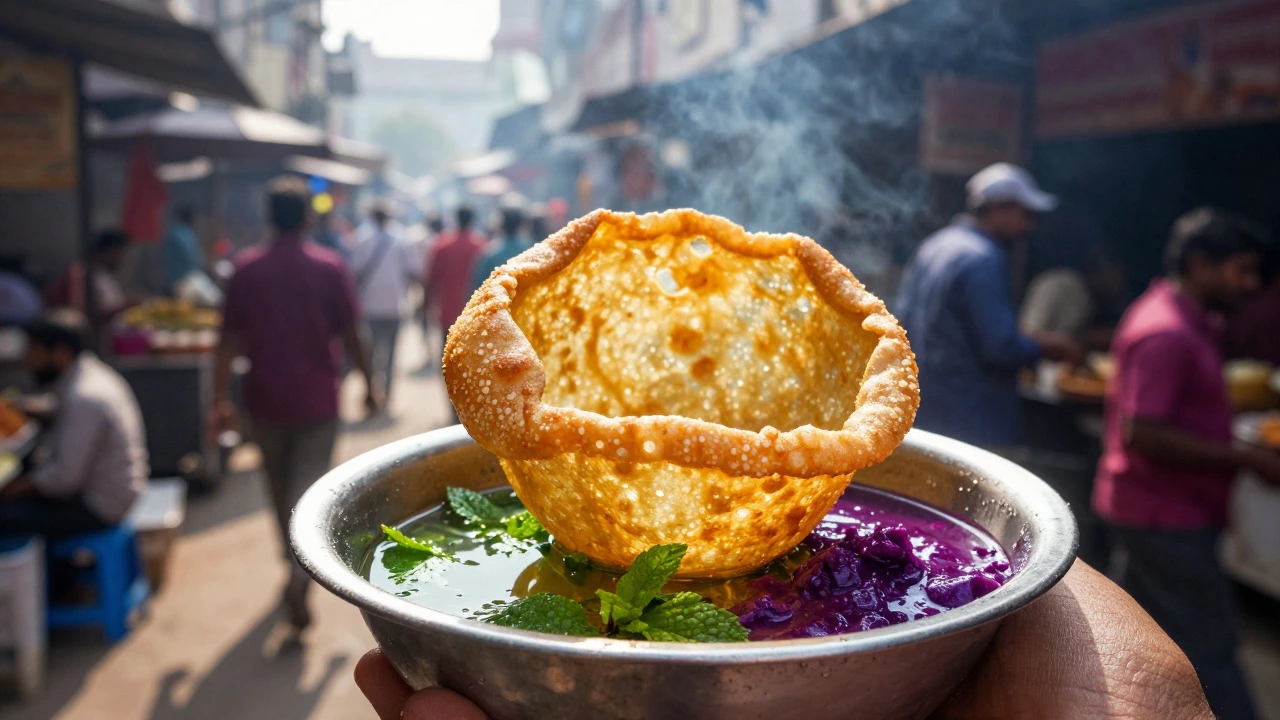
If there is one snack that unites India, it is the hollow, crispy sphere filled with spiced water and mashed potatoes. Known as Pani Puri in North India, a deep-fried puri filled with spicy mint-coriander water, potato, and chickpeas. In Maharashtra, it transforms into Golgappa, often sweeter and served with tamarind chutney. Head to Kolkata, and it becomes Phuchka, featuring a tangy, onion-heavy filling.
Why does it reign supreme? Accessibility. You can find it on a plastic plate at a railway station or plated elegantly at a high-end fusion restaurant. It engages all senses: the crunch of the shell, the burst of liquid, the heat of green chilies, and the coolness of mint.
However, its claim to the throne has cracks. Traditional pani puri is deep-fried. That means high calories and trans fats if the vendor reuses oil. For the health-conscious, the classic version is a guilty pleasure, not a daily staple. But here is the twist: modern vendors are changing the game. Many now offer baked puris or use less oil, keeping the spirit alive without the cholesterol spike.
The Versatile Runner-Up: Chaat
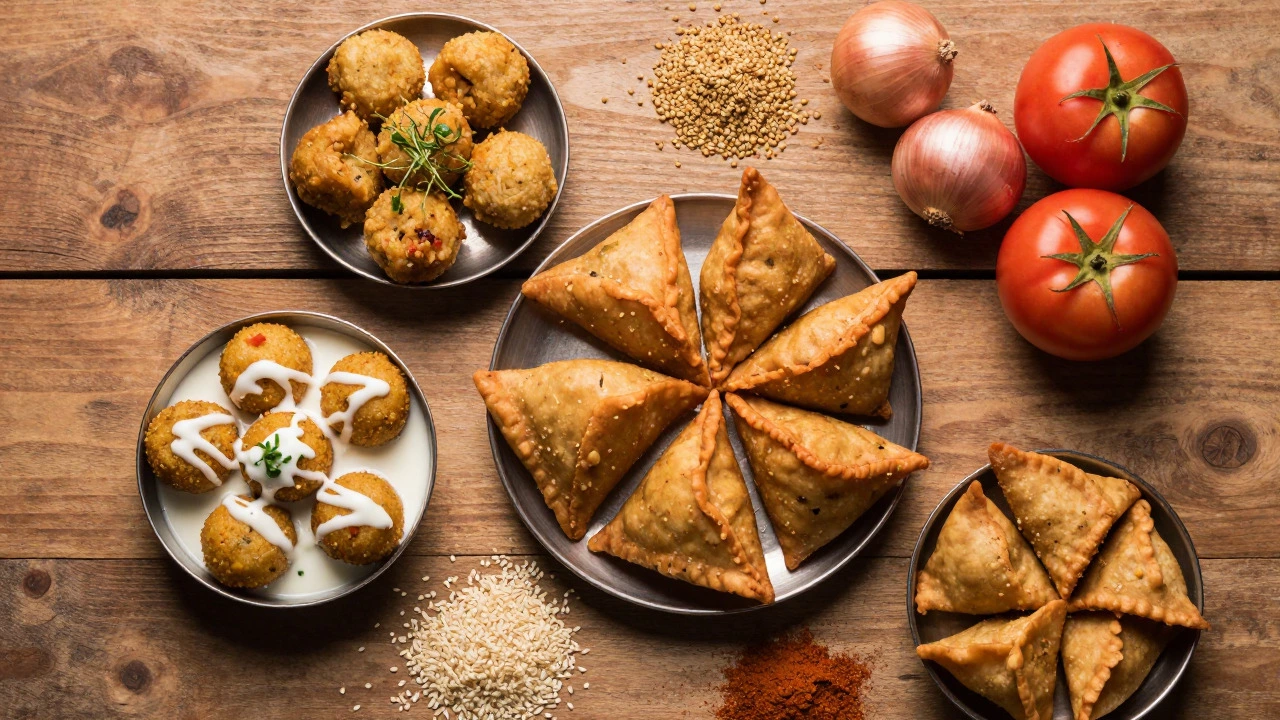
Chaat is a category of savory Indian street food characterized by bold flavors, contrasting textures, and the use of chutneys. This isn’t a single dish but a family of snacks. Think Samosa Chaat, where a fried pastry is crushed and topped with yogurt, tamarind, and onions. Think Dahi Vada, soft lentil dumplings soaked in sweetened yogurt. And think Aloo Tikki, spiced potato patties that are crispy outside and fluffy inside.
Chaat wins on variety. If you are tired of pani puri, chaat offers dozens of alternatives. It is also easier to make healthier. Swap the fried samosa for a baked one. Use low-fat yogurt instead of full cream. Load up on onions, tomatoes, and cilantro rather than heavy chutneys. Chaat allows you to control the macros while still getting that addictive sour-spicy-sweet kick.
The Rising Star: Roasted Makhana and Sprouts
Here is where the definition of "king" shifts. If we judge by sales volume and nostalgia, pani puri wins. But if we judge by future sustainability and health trends, the crown might pass to Makhana (fox nuts) and Lotus Seeds.
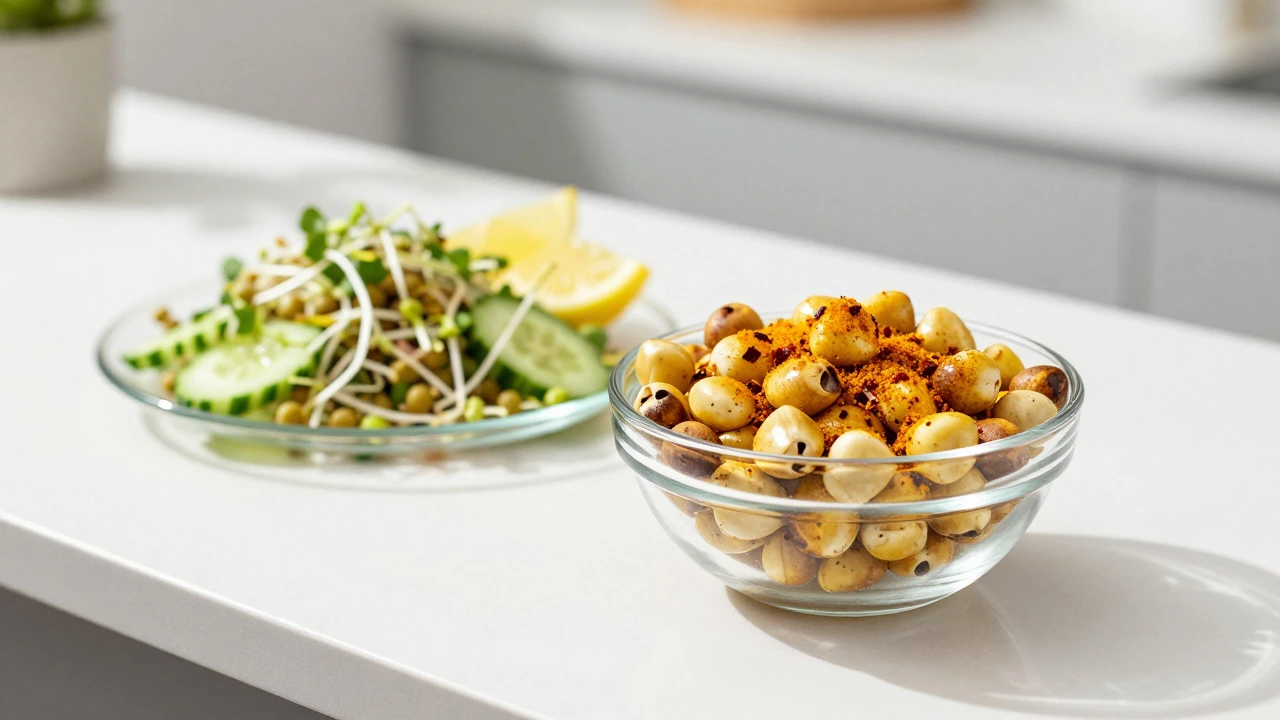
Makhana has exploded in popularity over the last five years. These small, white seeds are roasted with ghee, salt, and spices like turmeric or peri-peri. They are lightweight, gluten-free, and packed with magnesium and antioxidants. Unlike fried snacks, makhana doesn’t leave you feeling sluggish an hour later. It’s the snack your mother would approve of, yet it tastes indulgent enough for a Friday night binge.
Sprouted moong chaat is another heavyweight contender. Raw, sprouted lentils tossed with lemon juice, chopped cucumber, and sev (crispy gram flour noodles). It’s protein-rich, fiber-packed, and incredibly refreshing. In cities like Bangalore and Pune, you will see young professionals grabbing sprout bowls instead of burgers. This shift signals a change in what Indians value in a snack: energy and cleanliness over mere taste.
Regional Kings You Can’t Ignore
India is too diverse for one single winner. Each region has its own champion that locals swear by.
- South India: Bonda is a deep-fried snack made from urad dal batter stuffed with spiced potato. Popular in Karnataka and Andhra Pradesh, it is often eaten with coconut chutney. While delicious, it is calorie-dense due to the frying process.
- West India: Sev Kachori from Gujarat is a flaky pastry filled with peas, potatoes, and topped with crunchy sev. It is lighter than a samosa but still fried. However, Gujarati cuisine emphasizes balance, so it’s often paired with a side of pickle and fresh vegetables.
- East India: As mentioned, Phuchka rules here. But Naga Puris are also gaining traction-stuffed with spicy meat or veggie fillings and dipped in fiery sauces.
How to Choose the Healthiest Option
You don’t have to give up snacks to stay healthy. The key is selection and modification. Here is a quick guide to navigating the street food landscape without compromising your wellness goals.
| Snack Name | Primary Ingredients | Cooking Method | Health Rating (1-5) | Pro Tip |
|---|---|---|---|---|
| Pani Puri | Wheat flour, potato, chickpeas | Deep Fried | 2/5 | Ask for less oil; avoid sugary chutneys |
| Makhana | Lotus seeds, spices | Roasted/Air-popped | 5/5 | Choose unsalted or lightly spiced versions |
| Dahi Vada | Lentils, yogurt | Boiled then soaked | 4/5 | Use hung curd; limit sugar in syrup |
| Samosa | Wheat, potato, peas | Deep Fried | 1/5 | Eat occasionally; pair with salad |
| Sprout Chaat | Moong beans, veggies | Raw/Sprouted | 5/5 | Go easy on the sev; load up on lemon |
The Verdict: Who Wears the Crown?
If we define "King" by sheer ubiquity and emotional connection, Pani Puri remains the undisputed ruler. It is the snack of celebrations, late-night cravings, and childhood memories. No other item commands such universal love across linguistic and religious lines.
However, if we redefine "King" as the best choice for modern, health-aware consumers, the title goes to Makhana and Sprout-based Chaats. These options provide sustained energy, essential nutrients, and minimal digestive burden. They represent the evolution of Indian snacking-from indulgence to nourishment.
So, which should you choose? Try both. Enjoy the pani puri on weekends with friends. Stock up on roasted makhana for office hours. The beauty of Indian cuisine is that it doesn’t force you to pick just one path. It invites you to explore, adapt, and enjoy.
Frequently Asked Questions
Is Pani Puri actually bad for health?
Traditional pani puri is deep-fried and often prepared with reused oil, which can increase calorie intake and exposure to trans fats. Additionally, hygiene issues at street stalls can lead to stomach bugs. However, eating it occasionally in moderation is fine for most people. To make it healthier, opt for baked puris available at some modern vendors, and ensure the water used is purified.
What is the healthiest Indian snack I can eat daily?
Roasted Makhana (fox nuts) and Sprouted Moong Chaat are among the healthiest options. Makhana is low in calories, high in fiber, and rich in antioxidants. Sprouted moong provides plant-based protein and probiotics. Both are easy to digest and do not cause blood sugar spikes, making them suitable for daily consumption.
Can I make healthy snacks at home easily?
Absolutely. Home-made snacks allow you to control oil, salt, and sugar levels. You can bake samosas using an air fryer, roast makhana with minimal ghee, or prepare fresh chaat with homemade yogurt and chutneys. Simple ingredients like oats, quinoa, and lentils can be turned into tasty, nutritious bites with basic spices like chaat masala and lemon juice.
Why is Chaat considered a complete meal sometimes?
Chaat often contains a mix of carbohydrates (from breads or fried shells), proteins (from lentils, chickpeas, or yogurt), and fats (from oils or chutneys). When loaded with vegetables like onions, tomatoes, and cucumbers, it provides a surprising amount of fiber and micronutrients. Dahi Vada, for instance, combines lentil protein with calcium-rich yogurt, making it nutritionally balanced compared to typical fried snacks.
Are there vegan-friendly options in Indian street food?
Yes, many Indian snacks are naturally vegan. Pani Puri, Samosa, Aloo Tikki, and most vegetable-based chaats are dairy-free. However, always check for ghee (clarified butter) in frying or garnishes. Chole Bhature is usually vegan unless served with onion rings fried in ghee. Street vendors in urban areas are increasingly labeling their products, but asking is always safe.
