Which Liquid is Used in Biryani? The Secret to Perfect Rice
 Sep, 25 2026
Biryani Liquid Ratio Calculator
Stop guessing how much water or milk to add. Get the precise measurements for fluffy, aromatic biryani.
Your Ingredients
Enter your details and click Calculate to see the recommended liquid mix.
Recommended Liquid Mix
Saffron Garnish: 0 tbsp warm milk/water
You’ve probably stared at a pot of half-cooked rice, wondering why it’s either mushy or stubbornly hard. You followed the recipe, you used the right spices, but something was missing. That missing element is almost always the liquid. It’s not just about adding water; it’s about choosing the right fluid to carry flavor, control texture, and create that signature aroma. If you’re asking "which liquid is used in biryani," the short answer is: it depends on the style. But if you want the real secret, it’s rarely just plain tap water.
The Myth of Plain Water
Many beginners think biryani is like boiling pasta-just throw rice into boiling salted water. Big mistake. In traditional dum biryani, the rice is partially boiled separately, then layered with meat and cooked slowly. The liquid used during this final slow-cooking phase (the dum) is what determines whether your biryani is dry and fluffy or creamy and rich. Using only water here often results in blandness. The magic happens when you introduce fats and dairy.
Milk and Yogurt: The Flavor Carriers
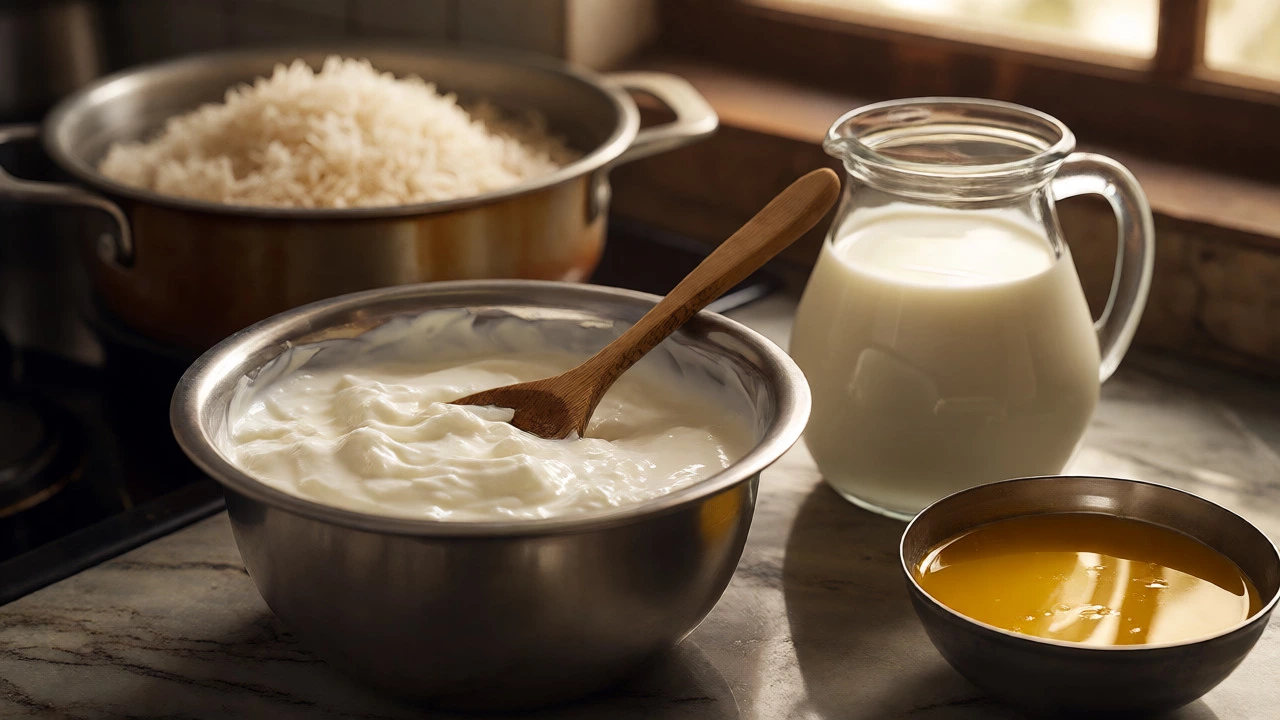
If you look at authentic Hyderabadi or Lucknowi recipes, you’ll notice two key liquids beyond water: yogurt and milk. Yogurt isn’t just a marinade ingredient; it acts as a tenderizer and a moisture source. When layered with rice, the whey from the yogurt seeps down, keeping the bottom layers moist without making them soggy. Milk, specifically whole milk, adds richness and helps bind the spices to the rice grains. Some chefs swear by adding a splash of milk directly over the rice before sealing the pot. It sounds counterintuitive, doesn’t it? But try it once, and you’ll see how it creates a subtle creaminess that water simply can’t replicate.
| Liquid Type | Primary Function | Best For | Risk Factor |
|---|---|---|---|
| Water | Hydration and steam generation | Initial par-boiling of rice | Bland flavor if used alone in dum |
| Yogurt | Tenderizing and adding tang/moisture | Marinades and layering base | Can curdle if heat is too high |
| Milk | Richness and binding spices | Dum cooking phase | Scorching if direct contact with hot pot |
| Ghee/Oil | Aroma and non-stick coating | Layering between rice and meat | Caloric density; makes dish heavy |
| Saffron Water/Milk | Color and premium aroma | Final garnish drizzle | Expensive; requires quality saffron |
The Role of Ghee and Oil
Technically, ghee and oil are fats, not liquids in the aqueous sense, but they play a crucial role in the "liquid" profile of the dish. In many North Indian styles, generous amounts of ghee are poured over the rice layers. This fat coats each grain, preventing them from sticking together while imparting a nutty aroma. Some regional variations, particularly in coastal areas, might use coconut milk instead of dairy milk. Coconut milk adds a tropical sweetness and thickness that pairs beautifully with seafood biryanis. If you’re experimenting, start with a mix: 70% water/yogurt base and 30% milk/ghee for balance.
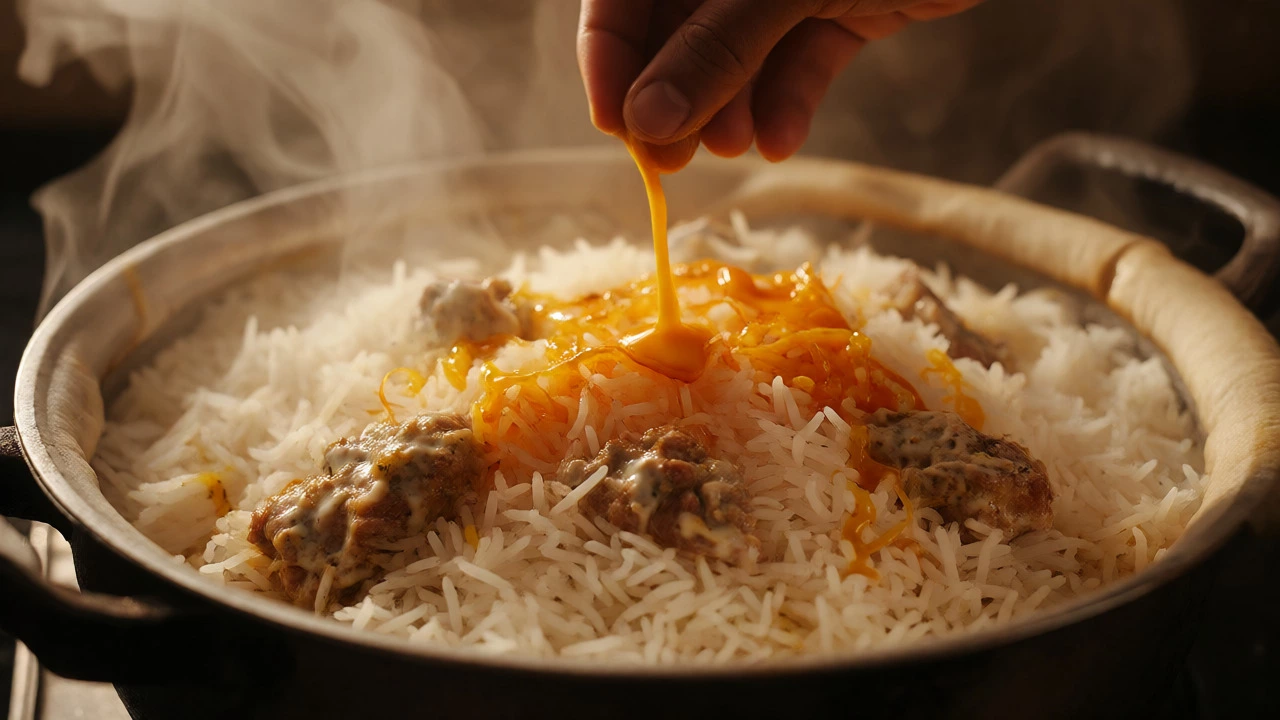
Saffron Infusion: The Aromatic Finish
Here’s where most home cooks miss out. They add saffron strands directly to the dry rice. Bad move. Saffron needs a solvent to release its color and flavor. The best liquid for this is warm milk or water. Soak a pinch of saffron in two tablespoons of warm milk for 15 minutes. Then, drizzle this golden liquid over the top layer of rice just before sealing the lid. As the steam builds up inside the pot, this aromatic vapor permeates the entire dish. You don’t need much-a teaspoon per serving is enough. This step transforms a good biryani into a great one.
How Much Liquid Do You Actually Need?
This is the trickiest part. Since the rice is usually par-boiled (cooked 70-80%), it already contains moisture. Adding too much liquid during the dum phase will turn your biryani into khichdi. A general rule of thumb: for every cup of par-boiled rice, use no more than 1/4 to 1/2 cup of additional liquid (mix of yogurt/milk/water). The goal is steam, not soup. If your meat marinade is wet, account for that. Dry marinated meats (like tandoori-style) need slightly more added liquid. Always err on the side of less liquid; you can always sprinkle a little water later if it looks too dry, but you can’t un-mush rice.
Regional Variations in Liquid Choice
Not all biryanis follow the same rules. Let’s break down a few popular styles:
- Hyderabadi Kachhi Gosht Biryani: Raw meat and raw rice are cooked together. Here, the natural juices of the meat combined with yogurt provide the primary liquid. Little to no extra water is added. The sealed pot traps all moisture.
- Awadhi Pakki Biryani: Meat and rice are cooked separately. During the layering phase, a mixture of fried onions, mint, and sometimes a thin gravy made from bone broth is used. Broth adds depth that water lacks.
- Malabar Biryani: Often uses short-grain rice and may incorporate coconut milk or coconut oil. The liquid profile is richer and sweeter due to the use of coconut-based ingredients.
- Sindhi Biryani: Known for being spicier and drier. Less yogurt is used, and more emphasis is placed on tomatoes and prunes, which contribute their own acidic and sweet juices.

Common Mistakes with Liquids
Why does your biryani fail? Usually, it’s a liquid error. First, using cold water to soak rice. Use lukewarm water to speed up absorption. Second, forgetting to drain the rice properly after par-boiling. Wet rice clumps together and steams poorly. Third, pouring cold yogurt onto hot rice. This causes thermal shock and can lead to uneven cooking. Always bring your yogurt to room temperature before mixing it into the marinade or layers. And finally, ignoring the importance of salt in the water. Salt seasons the rice from the inside out. Under-salted water leads to flat-tasting biryani, no matter how many spices you add.
Pro Tip: The Bone Broth Hack
If you want to elevate your chicken or mutton biryani without changing the basic recipe, swap the water used for par-boiling the rice with bone broth. Yes, really. Boil your rice in seasoned chicken or mutton stock instead of plain water. The rice absorbs the umami-rich flavors directly. When you layer it with the meat, the taste is significantly deeper. It costs nothing extra if you save your bones from previous meals. Just simmer them for an hour, strain, and use that gold-standard liquid for your rice. Your guests won’t know why it tastes so good, but they’ll ask for seconds.
Frequently Asked Questions
Can I use only water for biryani?
Yes, you can, especially for the initial par-boiling stage. However, using only water for the final dum cooking often results in a lackluster flavor. Combining water with yogurt, milk, or ghee creates a richer, more aromatic dish.
Why do some recipes call for milk in biryani?
Milk adds richness, helps bind spices to the rice, and contributes to a softer texture. It also carries the delicate aroma of saffron better than water. It is commonly used in Awadhi and some Hyderabadi styles.
Is yogurt considered a liquid in biryani?
While thick, yogurt releases whey when heated, acting as a significant moisture source. It also tenderizes meat and adds tanginess. In kachhi biryani, yogurt often provides the majority of the necessary liquid for cooking.
How much saffron liquid should I use?
For a standard family-sized pot (serving 4-6 people), soak 1/4 teaspoon of saffron threads in 2-3 tablespoons of warm milk or water. Drizzle this evenly over the top layer of rice before sealing the pot.
Does using broth make biryani salty?
Only if the broth is heavily salted. If you use homemade unsalted broth, you have full control over seasoning. If using store-bought broth, reduce the amount of salt added to the rice water to compensate.
