Which State Eats the Most Spicy Food in India? The Real Heat Map
 Jul, 21 2026
Indian Spice Level Calculator
Discover how spicy your meal will be based on the region and dish type.
Heat Analysis
Sensation:
Recommendation:
You walk into a small eatery in Visakhapatnam, ordering what looks like a simple plate of rice and curry. You take one bite, and suddenly, your eyes water, your nose runs, and you’re frantically searching for water. This isn’t just "spicy" as you might know it from a mild salsa or a standard chili pepper. This is the reality of eating in certain parts of India. But which state actually claims the title of the spiciest eater in the country?
If you are looking for a single answer, it usually points to Andhra Pradesh, specifically its Telugu-speaking regions. However, the concept of "heat" in Indian cuisine is complex. It involves not just the raw capsaicin levels of chilies but also the use of pungent spices like black pepper, garlic, and specific cooking techniques that amplify flavor intensity. Let’s break down the true contenders for the crown of spicy food in India.
The Undisputed King: Andhra Pradesh
When locals talk about the spiciest food in India, Andhra Pradesh is almost always the first name mentioned. The cuisine here is defined by its bold, fiery character. The secret weapon? Guntur Sannam red chilies. These aren't just any dried peppers; they are grown in the Guntur district, known globally as the chili capital of India. These chilies have a high Scoville Heat Unit (SHU) rating, often ranging between 35,000 to 50,000 SHU, which is significantly hotter than the average cayenne pepper.
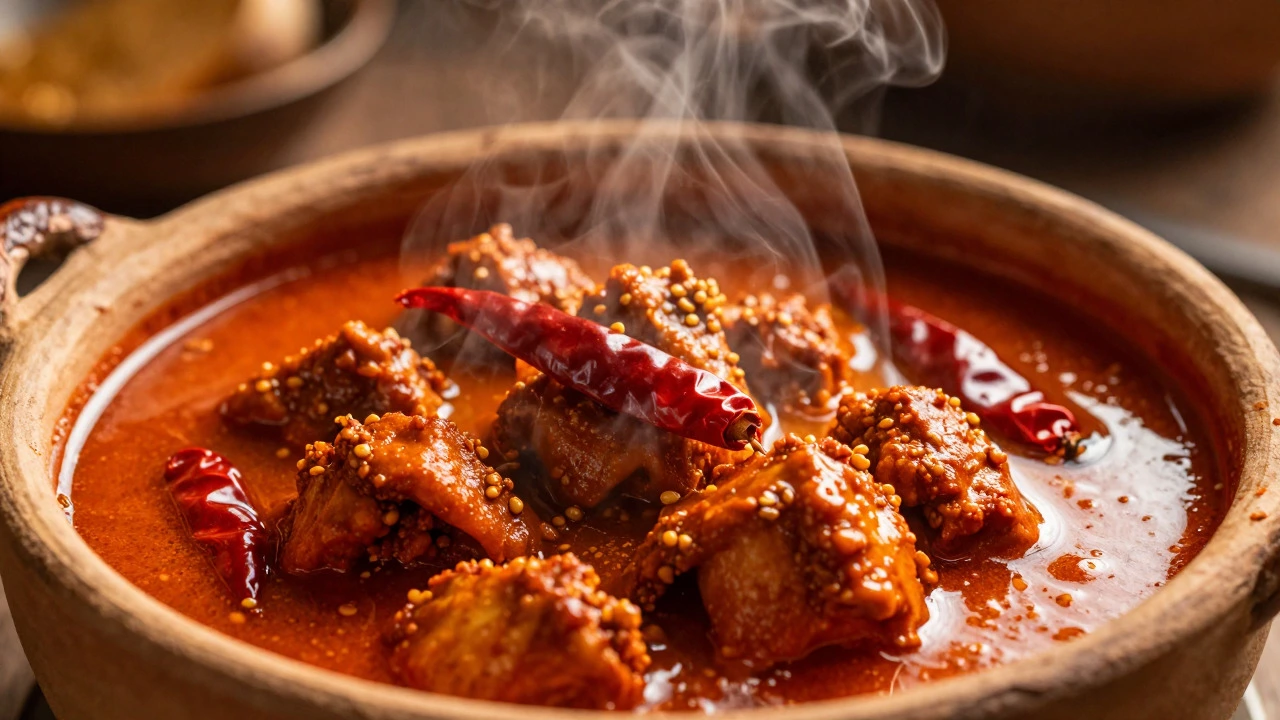
In Andhra households, spice isn't an afterthought; it's the foundation. A typical meal includes multiple types of curries, each with a different heat profile. You have the kaaram (spicy) gravy, which is oily and intense, designed to make you sweat. Dishes like Andhra Chicken Curry or Gongura Pachadi (a tangy sorrel leaf chutney) are staples. The heat here is sharp and immediate. It hits the back of your throat and stays there. For visitors, the shock is real. Locals, however, build up a tolerance over years, treating this level of heat as normal comfort food.
What makes Andhra food stand out is the balance. Despite the extreme heat, it’s not just pain. The use of mustard seeds, curry leaves, and asafoetida creates a layered flavor profile that complements the fire. If you visit street food stalls in cities like Hyderabad or Vijayawada, you’ll see vendors grinding fresh chilies right in front of you. That freshness adds a vibrant, grassy note to the heat, distinguishing it from the dusty, muted heat of powdered chilies used elsewhere.
The Southern Rival: Kerala
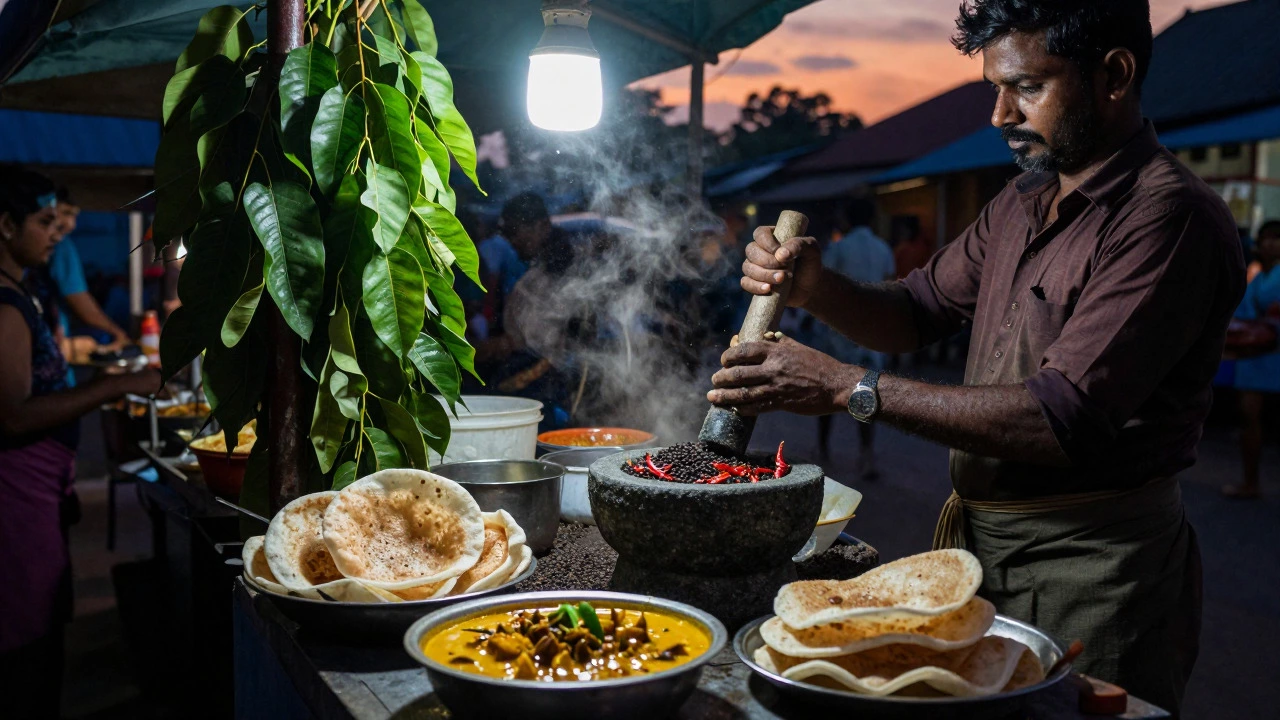
While Andhra takes the top spot for pure chili heat, Kerala brings a different kind of intensity. Kerala’s cuisine is famous for its liberal use of black pepper, known as "black gold." Historically, the spice trade was driven by this very ingredient. While black pepper has a lower SHU rating than red chilies, its pungency is deep and lingering. It warms the body from the inside out rather than burning the tongue on contact.
Kerala dishes often combine both red chilies and black pepper, creating a dual-layered heat. Think of Meen Curry (fish curry), which uses kokum for sourness and plenty of spices. Or consider Appam with Stew, where the stew might seem mild but carries a subtle, warming kick from pepper and cardamom. In coastal areas, the heat is balanced with coconut milk, which tempers the spice but doesn't eliminate it. Instead, it creates a rich, creamy texture that masks the initial burn until it slowly builds up.
Another key factor in Kerala’s spiciness is the use of tamarind. The combination of sour and spicy is potent. When you eat a dish like Erissery (lentil and vegetable stew), the acidity cuts through the richness, making the spices feel more alive and aggressive. For someone unaccustomed to this style, the cumulative effect of a full Kerala meal can be surprisingly intense, even if individual bites don’t scream "hot."
The Northern Challenge: Punjab and Rajasthan
Moving north, the definition of spicy changes. In Punjab and Rajasthan, the heat comes less from green chilies and more from robust spice blends and dry roasting techniques. Punjabi food is known for its richness-lots of butter, cream, and yogurt. This fat content usually mellows out the spice, making dishes like Butter Chicken accessible to global palates.
However, traditional home-style Punjabi cooking is much fiercer. A classic Chole Bhature can be loaded with Kashmiri red chilies for color and a moderate amount of green chilies for heat. The difference here is that the spice is meant to complement the heaviness of the bread and chickpeas. It’s a hearty, warming heat, perfect for colder climates.
Rajasthan, being a desert state, relies on preservation methods that involve heavy spicing. Dishes like Laal Maas (red meat curry) are infamous for their heat. Made with mutton and a paste of red chilies, it’s designed to preserve the meat and stimulate appetite in harsh conditions. The heat here is smoky and earthy, thanks to the use of local herbs and the slow-cooking process in clay pots. It’s not as sharp as Andhra heat, but it’s deeply penetrating.
The Eastern Edge: Bengal and Odisha
Bengal is often misunderstood as mild because of its love for fish and sweets. But look closer, and you’ll find significant heat. Bengali cuisine uses a lot of green chilies and mustard oil. Mustard oil has a strong, pungent flavor that amplifies the sensation of heat. A simple Shorshe Ilish (hilsa fish in mustard sauce) can be quite fiery if prepared traditionally.
Odisha is another hidden gem for spice lovers. The cuisine here is less known internationally but packs a punch. Odia food uses a unique blend of spices including nigella seeds and fenugreek, along with generous amounts of green chilies. The heat is fresh and vegetal, coming directly from the garden rather than dried powders. Street foods in Bhubaneswar, like Pakhala (fermented rice) served with spicy fried snacks, offer a refreshing yet sharp experience.
Why Do Some States Eat Spicier Food?
It’s not just about preference; geography plays a huge role. Hot and humid climates, like those in Andhra Pradesh and Kerala, encourage the consumption of spicy food. Capsaicin, the compound that makes chilies hot, triggers sweating. Sweating cools the body down, providing a natural cooling mechanism. So, eating spicy food in 90-degree heat isn’t a contradiction-it’s a survival strategy.
Additionally, historical access to ingredients matters. Regions near chili cultivation zones, like Guntur in Andhra, naturally incorporate more chilies into their daily diet. Over generations, taste buds adapt. What seems unbearable to a visitor becomes comforting to a local. This cultural adaptation means that "spicy" is relative. A medium-spice dish in Delhi might be considered bland in Chennai.
| State | Primary Heat Source | Heat Type | Signature Dish |
|---|---|---|---|
| Andhra Pradesh | Guntur Red Chilies | Sharp, Immediate Burn | Andhra Chicken Curry |
| Kerala | Black Pepper & Red Chilies | Warming, Lingering Pungency | Meen Curry |
| Rajasthan | Dried Red Chili Paste | Smoky, Earthy Intensity | Laal Maas |
| Punjab | Green Chilies & Spice Blends | Hearty, Balanced Heat | Chole Bhature |
| Bengal | Green Chilies & Mustard Oil | Pungent, Fresh Kick | Shorshe Ilish |
Tips for Handling Indian Spice Levels
If you plan to explore these cuisines, preparation is key. Don’t start with the spiciest dish on the menu. Ask the server for "less spicy" or "medium," but remember that Indian "medium" can still be quite hot for Western palates. Always have a neutral side ready, like plain rice, yogurt (raita), or a cold drink. Dairy helps neutralize capsaicin better than water does, so reach for a glass of lassi or a bowl of raita if things get too intense.
Also, pay attention to the oil. In many spicy dishes, the capsaicin dissolves in the oil. Skimming off some of the oil before eating can reduce the heat slightly. Finally, respect the local palate. If everyone else is sweating and smiling, it’s part of the experience. Embrace the heat, stay hydrated, and enjoy the incredible flavors that come with it.
Is Andhra food really the spiciest in India?
Yes, generally speaking. Andhra Pradesh, particularly the Telugu-speaking regions, uses Guntur Sannam chilies which have a very high Scoville rating. The cuisine is designed to be fiery, with dishes like Andhra Chicken Curry being notably hotter than similar dishes in other states. However, personal tolerance varies, and some people might find the black pepper-heavy dishes of Kerala more challenging due to their lingering pungency.
How can I reduce the spice level when eating out in India?
Always specify your spice tolerance when ordering. Use terms like "less spicy" or "mild." Pair your meal with cooling sides like raita (yogurt with cucumber), plain rice, or a cold lassi. Avoid drinking water immediately after a spicy bite, as it spreads the capsaicin; instead, sip on dairy products or eat a piece of bread to absorb the oils.
What is the difference between Andhra and Kerala spice?
Andhra spice is primarily derived from red chilies, offering a sharp, immediate burn that hits the tongue and throat. Kerala spice often combines red chilies with large amounts of black pepper, resulting in a deeper, warming pungency that lingers longer. Kerala dishes also frequently use coconut milk, which tempers the heat but adds richness, whereas Andhra dishes tend to be oilier and more direct in their heat delivery.
Are all Indian street foods spicy?
Not all, but many are. Street food varies greatly by region. In North India, chaat items might be tangy and mildly spicy. In South India, street snacks like vada or dosa accompaniments can be quite fiery. It’s best to ask about the spice level before trying unfamiliar street foods, especially if you have low tolerance. Vendors are usually happy to adjust the amount of chili powder or green chilies added.
Why do people in hot climates eat spicy food?
Eating spicy food induces sweating, which helps cool the body down through evaporation. This is a natural thermoregulation response. Additionally, spices have antimicrobial properties, which historically helped preserve food and prevent foodborne illnesses in hot, humid environments where spoilage was rapid. Thus, spicy diets evolved as both a cooling mechanism and a health precaution.
