Which State in India Is Famous for Breakfast? Top Regional Morning Meals Explained
 Nov, 28 2025
Dosa Ingredient Calculator
Make Authentic Dosa
Calculate exact rice and urad dal quantities for perfect dosa
Your Ingredients
Enter servings to see ingredients
Why these ratios? Based on traditional Tamil Nadu fermentation techniques (2 cups rice : 3/4 cup urad dal)
Ask anyone in India what they eat for breakfast, and you’ll get a different answer depending on where they’re from. There’s no single national breakfast here-instead, every state has its own morning ritual, shaped by climate, crops, and centuries of tradition. But if you’re looking for the state most famous for breakfast in India, the answer is clear: Tamil Nadu. It’s not just about one dish. It’s about an entire breakfast culture that’s exported across the country and even overseas.
Tamil Nadu’s Breakfast Dominance
Tamil Nadu doesn’t just make breakfast-it defines it for millions. The state’s morning meals are built on rice, lentils, and fermentation, all of which thrive in its warm, humid climate. The most iconic dish? Dosa. Thin, crispy, fermented rice-and-lentil crepes served with coconut chutney and sambar. But dosa is just the start. Idli (steamed rice cakes), vada (savory fried doughnuts), pongal (spiced rice and lentils), and upma (semolina porridge) are all daily staples here.
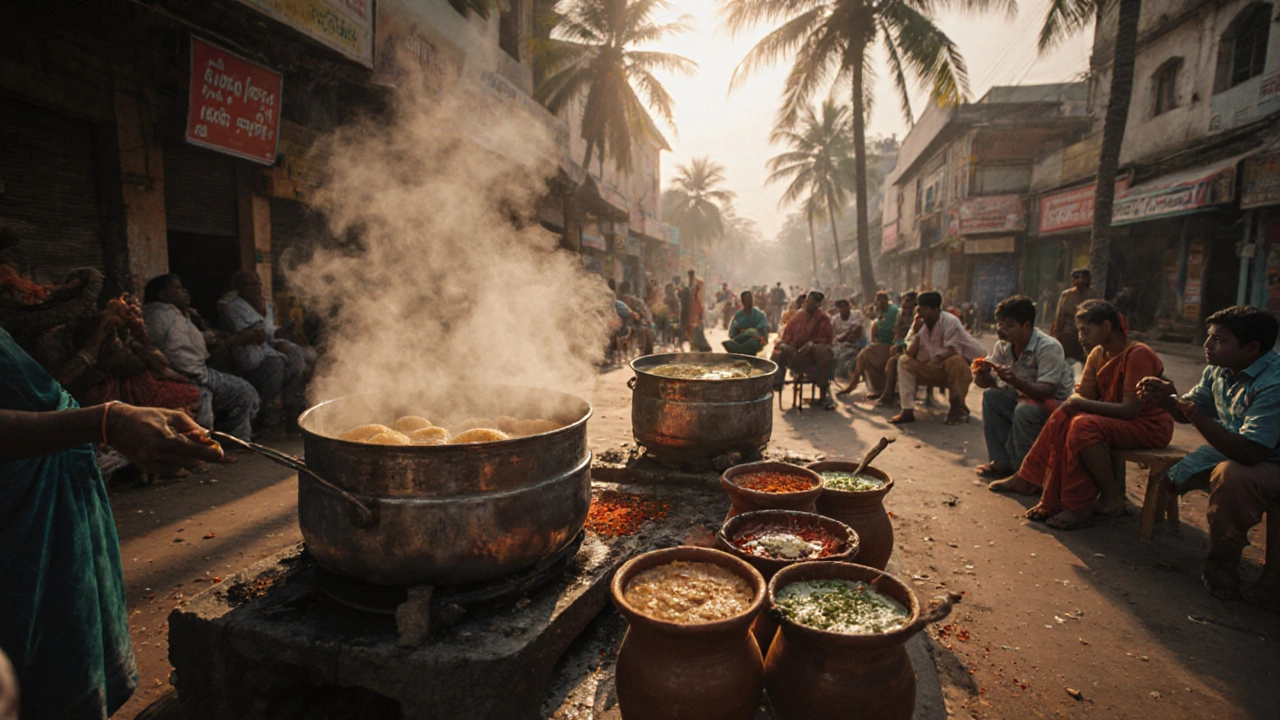
What makes Tamil Nadu’s breakfast unique isn’t just the food-it’s the rhythm. In cities like Chennai, you’ll find street vendors opening before dawn, steam rising from giant idli steamers. Families eat these meals without utensils, using their fingers to break the idli and dip it into hot sambar. Breakfast here isn’t rushed. It’s a slow, social start to the day.
Why Tamil Nadu? The Science Behind the Food
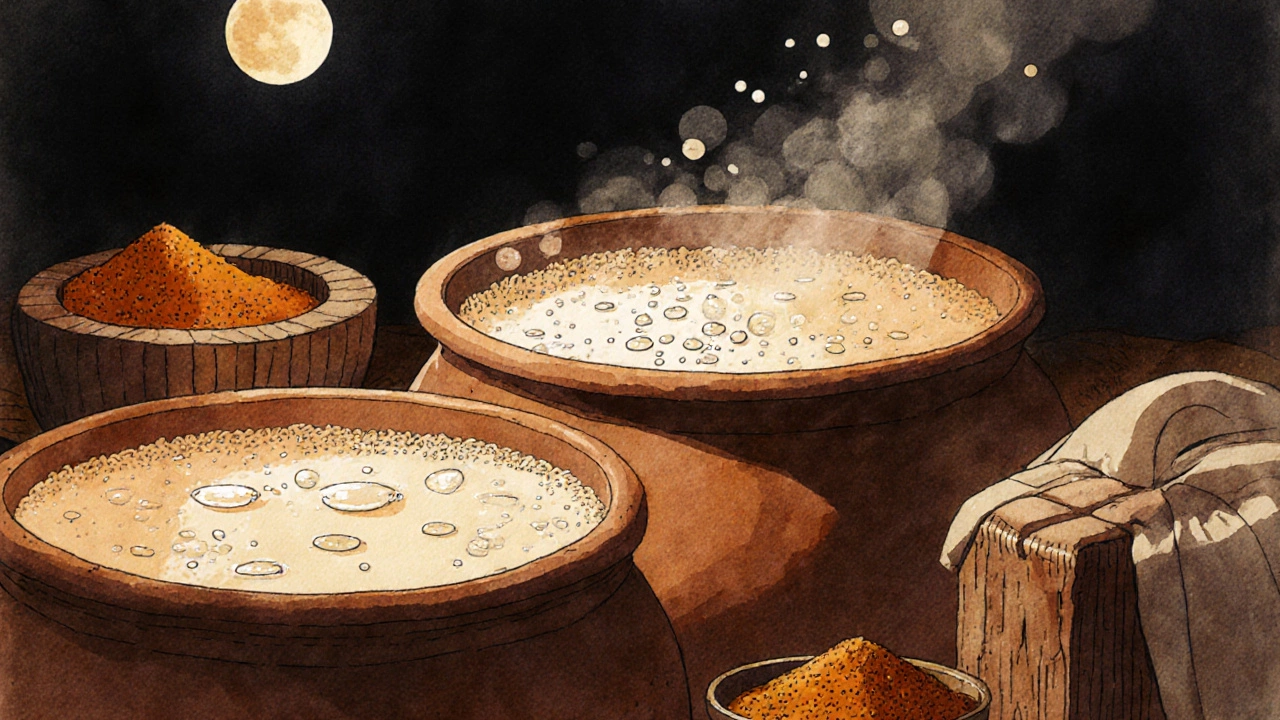
The reason Tamil Nadu’s breakfasts dominate isn’t luck-it’s science. Fermentation is the secret. Rice and black lentils (urad dal) are soaked, ground, and left to ferment overnight. The natural bacteria break down starches, making the food easier to digest and richer in B vitamins. This process also gives dosas their airy texture and idlis their lightness.
Unlike North Indian breakfasts that rely on wheat and dairy, Tamil Nadu’s meals are naturally gluten-free and plant-based. That’s why they’ve become popular with health-conscious eaters worldwide. In fact, a 2023 study from the Indian Institute of Food Processing Technology found that traditional Tamil breakfasts have lower glycemic loads than most Western breakfasts, making them ideal for sustained energy.
How Other States Compare
Other states have strong breakfast traditions too-but they don’t match Tamil Nadu’s reach or variety.
In Kerala, you’ll find puttu (steamed rice cylinders) with kadala curry (black chickpea stew) or appam (lacy rice pancakes) with coconut milk stew. Delicious, yes-but less widespread outside the state.
Karnataka shares many dishes with Tamil Nadu, like dosa and idli, but often adds a twist-like spicy coconut chutney or jowar roti. It’s close, but not the origin.
West Bengal leans into sweets: pantua (fried dough balls in syrup), luchi (deep-fried bread) with alur dom (potato curry). It’s rich, but not the same kind of daily staple.
Punjab brings parathas-flaky, buttery flatbreads stuffed with potatoes, paneer, or cauliflower. They’re hearty, but require more time and fat. Not exactly a quick breakfast.
Maharashtra has pav bhaji and misal pav, but those are more lunch or snack foods. Breakfast here often means bread and tea.
The Rise of the Quick Breakfast
These days, even in Tamil Nadu, people need faster options. Urban workers, students, and young families don’t always have time for the full morning ritual. That’s where packaged mixes come in. Brands like MTR and Sri Krishna Foods now sell pre-ground dosa batter in refrigerated packs. You just add water, wait 20 minutes, and cook.
Supermarkets now stock ready-to-eat idlis in vacuum packs. Microwaveable versions exist too. Even in Sydney, where I live, Indian grocery stores sell Tamil Nadu-style breakfast kits. You can make a proper dosa in under 15 minutes-no fermentation needed.
But here’s the truth: nothing beats the real thing. The aroma of fermenting batter, the hiss of oil hitting a hot tawa, the steam rising off a fresh idli. That’s what makes Tamil Nadu’s breakfast unforgettable.
What Makes a Breakfast ‘Famous’?
Fame isn’t just about taste. It’s about accessibility, consistency, and cultural weight. Tamil Nadu’s breakfasts are:
- Ubiquitous-found in every town, from village huts to five-star hotels
- Affordable-a full plate costs less than ₹50 ($0.60 USD)
- Adaptable-eaten by vegetarians, vegans, diabetics, and athletes alike
- Recognizable-tourists ask for dosa before they ask for temples
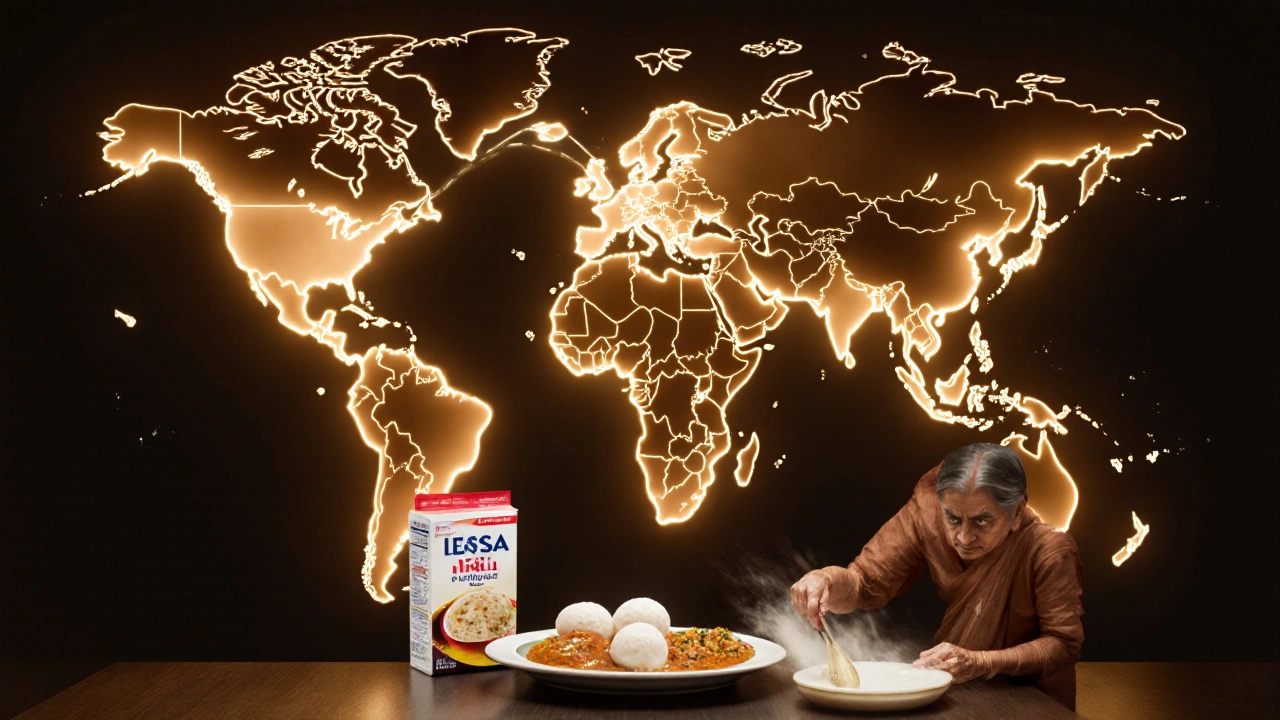
No other state has breakfast dishes that are sold in airports, exported in frozen containers, and served in Indian restaurants from London to Los Angeles.
How to Make a Real Tamil Nadu Breakfast at Home
If you want to taste the real deal, here’s the simplest way:
- Soak 2 cups of rice and ¾ cup of urad dal separately for 6-8 hours.
- Grind the dal into a smooth paste, then the rice into a slightly coarse batter.
- Mix both, add a pinch of salt, and leave overnight in a warm place.
- Next morning, heat a non-stick pan. Pour a ladle of batter and spread it thin.
- Drizzle oil around the edges. Cook until crisp and golden.
- Serve with coconut chutney and sambar.
For idlis, pour the same batter into greased molds and steam for 10-12 minutes. Done.
Why This Matters Beyond Taste
Tamil Nadu’s breakfast isn’t just food-it’s a cultural anchor. It’s what connects rural grandmothers to city teenagers. It’s what keeps traditional grinding stones alive in a world of blenders. It’s proof that simple, fermented foods can be both nutritious and deeply satisfying.
When you eat a dosa from Tamil Nadu, you’re not just having breakfast. You’re tasting history, climate, and community-all on a single plate.
Is dosa only from Tamil Nadu?
No, dosa is popular across South India, especially in Karnataka and Andhra Pradesh. But it originated in Tamil Nadu, where it’s been a daily staple for centuries. The fermentation technique, batter ratios, and traditional serving style are most authentic here.
What’s the quickest Indian breakfast you can make?
Ready-made idli or dosa batter from brands like MTR or Sri Krishna. Just mix with water, pour on a hot pan, and cook in 5-7 minutes. Pair it with store-bought chutney and sambar. Total time: under 15 minutes.
Are South Indian breakfasts healthy?
Yes, especially compared to Western breakfasts. Fermented rice and lentils are high in protein, easy to digest, and low on the glycemic index. They don’t spike blood sugar. Add vegetables to your sambar or chutney, and you’ve got a balanced, nutrient-dense meal.
Can I make dosa batter without a grinder?
Yes, but it won’t be as smooth. Use a food processor or even a blender. Soak the rice and dal longer-up to 10 hours-to soften them. Grind in small batches with just enough water. The texture won’t be perfect, but it’ll still ferment and cook fine.
Why is Tamil Nadu’s breakfast more famous than North India’s?
Because it’s portable, vegetarian, gluten-free, and doesn’t rely on dairy or wheat. North Indian breakfasts like parathas or puri-bhaji are delicious but heavier and harder to scale. Tamil Nadu’s breakfasts travel better-by train, by plane, by freezer. That’s why they’re found everywhere.
