Why Bananas Are Good for Your Gut: Science, Recipes, and Chutney Ideas
 Sep, 18 2026
Banana Gut Health Optimizer
Select your primary digestive goal or condition below to see which banana ripeness stage offers the most benefit according to scientific mechanisms.
Recommendation
Select a goal to see personalized advice.
Why It Works
The science behind bananas and gut health relies on the balance between resistant starch (prebiotic) and sugars/pectin (energy/soothing). Green bananas are high in resistant starch, feeding bacteria like Bifidobacteria. As they ripen, starch turns to sugar, making them easier to digest but less prebiotic. Brown bananas have low starch but high pectin and polyphenols.
You’ve probably heard that bananas are good for you. Maybe your doctor said so, or maybe it’s just common knowledge passed down from grandmothers everywhere. But have you ever stopped to ask why? It’s not just about potassium or quick energy before a workout. There is something deeper happening in your digestive system when you eat that yellow fruit, and understanding it might change how you snack forever.
If you’re dealing with bloating, irregularity, or just want to keep your microbiome happy, bananas are one of the easiest tools you have. They aren’t magic pills, but they work through specific biological mechanisms that feed the good bacteria in your gut. And here’s the twist: how ripe the banana is changes everything. A green banana does something completely different than a brown-spotted one. Let’s break down exactly what happens inside your stomach, why ripeness matters, and how you can use this knowledge-including in some delicious chutneys-to boost your digestive health.
The Prebiotic Power of Resistant Starch
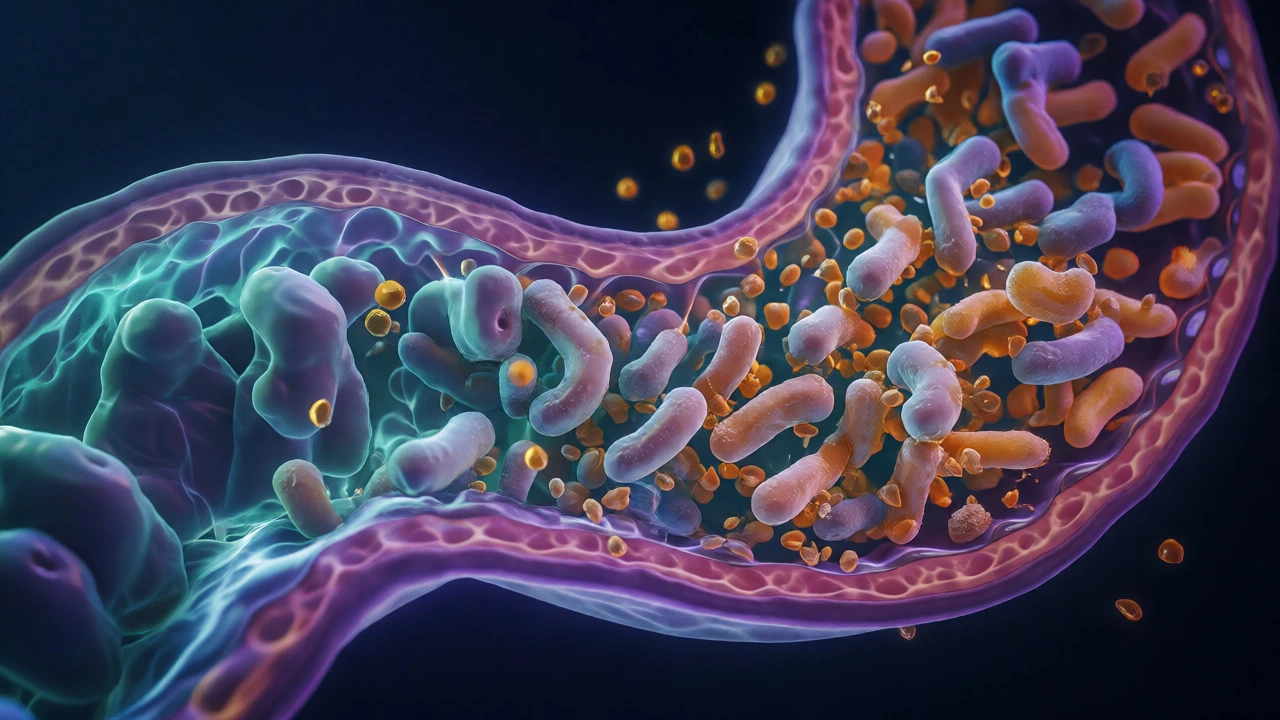
Most people think of fiber as roughage-something that adds bulk to your stool. While that’s true, there’s another type of fiber called resistant starch that acts more like fuel for your internal ecosystem. Resistant starch is a type of carbohydrate that resists digestion in the small intestine and ferments in the large intestine. This fermentation process produces short-chain fatty acids (SCFAs), particularly butyrate, which is crucial for colon health.
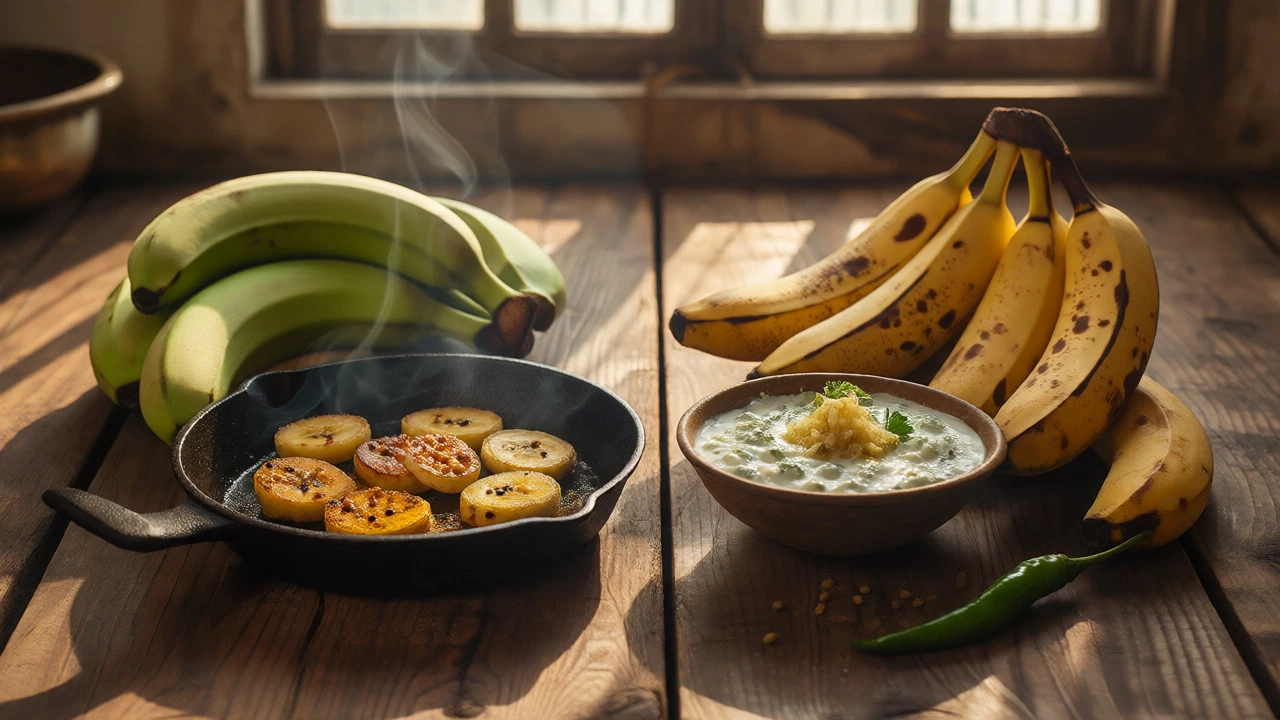
Bananas are one of the best dietary sources of resistant starch, but only if you choose them correctly. When a banana is green or slightly underripe, its starch structure is tight and compact. Your body lacks the enzymes to break this down fully, so it passes intact into the colon. Here, your gut bacteria go to town on it. Studies published in journals like Nutrition Reviews suggest that increasing resistant starch intake can significantly improve insulin sensitivity and reduce inflammation in the gut lining.
Think of it this way: your gut bacteria are pets. If you feed them sugar, they get hyperactive and produce gas. If you feed them resistant starch, they settle down, produce beneficial compounds, and keep the intestinal wall strong. Green bananas are essentially premium pet food for your microbiome.
Ripeness Changes Everything: The Sugar Shift
Here is where most people get confused. As a banana ripens, that resistant starch converts into simple sugars like glucose, fructose, and sucrose. This makes ripe bananas easier to digest and quicker to provide energy, but less effective as a prebiotic. So, if your main goal is gut health, you need to be strategic about ripeness.
| Ripeness Stage | Starch Type | Digestibility | Gut Impact |
|---|---|---|---|
| Green / Unripe | High Resistant Starch | Slow / Partially Undigested | Prebiotic: Feeds Bifidobacteria, high butyrate production. |
| Yellow / Ripe | Mixed Starch & Sugar | Medium | Balanced: Some prebiotic effect, easy energy source. |
| Brown / Overripe | Low Starch, High Sugar | Fast | Probiotic Support: Easy to digest, less fermentable fiber. |
This table isn’t just theory. If you have irritable bowel syndrome (IBS), you might find green bananas cause bloating because they ferment too vigorously. In that case, sticking to yellow bananas might be gentler. Conversely, if you have slow transit constipation, the extra bulk and fermentation from greener bananas can help move things along. Listen to your body. There is no one-size-fits-all answer, but knowing the mechanism lets you experiment safely.
Pectin: The Soluble Fiber Secret
Beyond starch, bananas contain significant amounts of pectin. Pectin is a soluble fiber found in many fruits, but bananas have a unique profile. Unlike insoluble fiber (like wheat bran) that stays rigid, pectin dissolves in water to form a gel-like substance. This gel helps regulate blood sugar spikes by slowing down gastric emptying. More importantly for your gut, it soothes the intestinal lining.
People with gastritis or mild acid reflux often report feeling better after eating ripe bananas. The pectin coats the stomach lining, providing a protective barrier against acid. Additionally, this gelatinous texture helps soften stools, making them easier to pass without straining. This dual action-soothing the upper GI tract while regulating the lower GI tract-is rare in single foods. It’s why bananas are often the first solid food recommended during recovery from stomach bugs, alongside rice and toast (the BRAT diet).
Microbiome Diversity and Polyphenols
We often talk about probiotics (live bacteria) and prebiotics (food for bacteria), but we forget the third pillar: polyphenols. Bananas, especially those with darker peels or red varieties, are rich in polyphenols like dopamine and catechins. These compounds don’t just act as antioxidants in your blood; they interact directly with your gut flora.
Research indicates that polyphenols encourage the growth of beneficial bacteria such as Lactobacillus and Akkermansia muciniphila, while suppressing harmful pathogens. Since polyphenols are poorly absorbed in the small intestine, they arrive in the colon largely intact, ready to be metabolized by your microbes. This interaction suggests that bananas do more than just feed existing bacteria-they actively shape the composition of your microbiome over time.
It’s worth noting that organic bananas might have higher polyphenol levels due to less pesticide stress, though conventional bananas still offer substantial benefits. Don’t let perfection stop you from eating them. Even a regular supermarket banana contributes to microbial diversity.
Cooking with Bananas: Beyond Snacking
Now that you know the science, how do you actually incorporate this into your diet? Eating plain bananas gets boring fast. Plus, cooking methods can alter the glycemic index and texture, offering new ways to enjoy their benefits. This is where culinary creativity meets nutrition. You don’t have to stick to smoothies. Consider savory applications that balance the sweetness with spices, aiding digestion further.
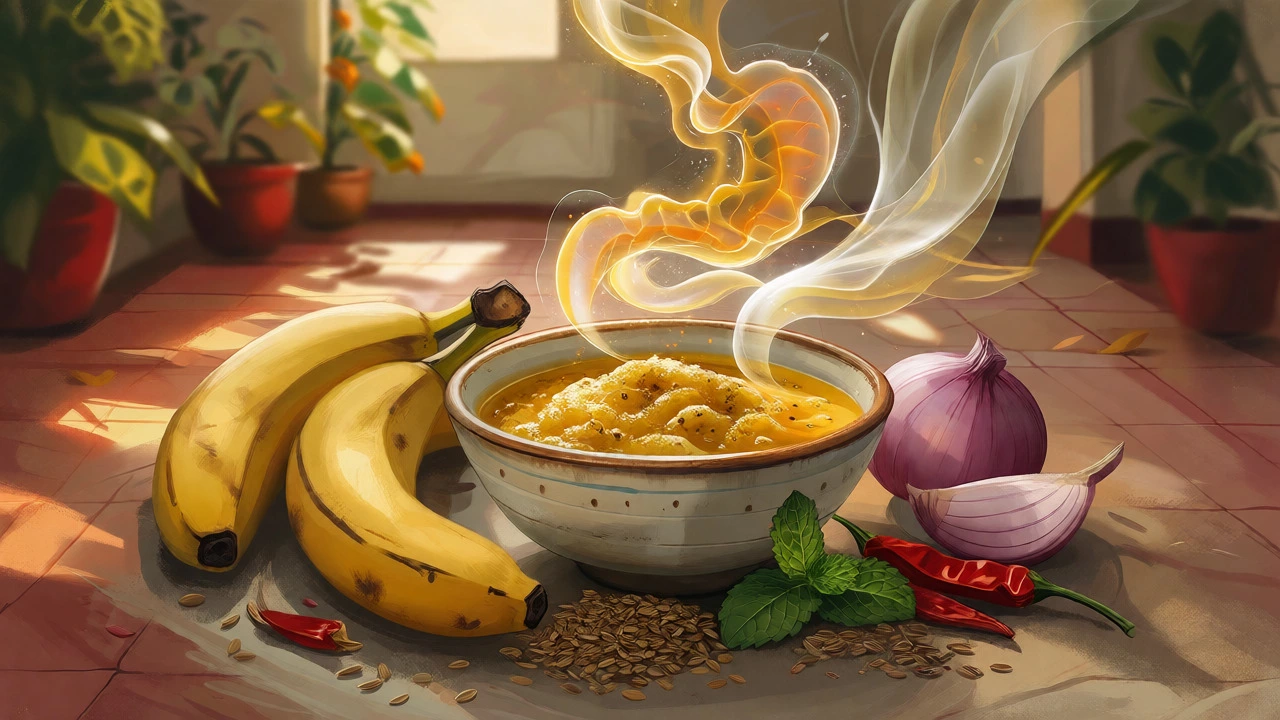
In Indian cuisine, bananas are frequently used in chutneys and curries. These dishes often include ginger, cumin, and chili peppers-all known to aid digestion. Pairing the prebiotic fiber of bananas with these carminative spices creates a synergistic effect that reduces bloating. For example, adding green banana to a curry keeps the resistant starch intact if cooked briefly, while ripe banana in a sweet dish provides quick energy and soothing pectin.
Simple Banana Chutney Recipe
Here’s a quick, gut-friendly chutney that uses ripe bananas. The yogurt adds live cultures (probiotics), creating a synbiotic effect-combining prebiotics and probiotics in one bite.
- Ingredients: 1 ripe banana, ½ cup plain Greek yogurt, 1 tsp grated ginger, 1 green chili, fresh coriander, pinch of roasted cumin powder, salt to taste.
- Method: Mash the banana roughly. Mix with yogurt, grated ginger, finely chopped chili, and coriander. Sprinkle cumin and salt. Serve immediately.
- Why it works: The banana provides pectin and some residual starch. The yogurt supplies Lactobacillus. Ginger stimulates digestive enzymes. Cumin reduces gas.
For a prebiotic-focused option, try sautéed green bananas. Slice unripe bananas thinly and pan-fry with mustard seeds and turmeric. The heat softens the texture without fully breaking down all the resistant starch, giving you a savory side dish that supports colon health.
Potassium and Electrolyte Balance
We can’t ignore the classic benefit: potassium. One medium banana contains about 422 mg of potassium, which is vital for muscle function and fluid balance. Proper hydration and electrolyte balance are essential for optimal gut motility. Dehydration slows down digestion, leading to constipation. By maintaining adequate potassium levels, you support the muscular contractions (peristalsis) that move food through your intestines efficiently.
Furthermore, potassium counteracts the negative effects of sodium. High-sodium diets can damage the gut lining and promote inflammation. Balancing your sodium-potassium ratio with potassium-rich foods like bananas helps protect the intestinal barrier integrity. This is particularly important for individuals with hypertension or those who consume processed foods regularly.
Common Pitfalls and Myths
Despite their benefits, bananas aren’t perfect for everyone. Some people experience bloating or gas after eating them, even if they are healthy. This could be due to fructose malabsorption. If you suspect this, try smaller portions or opt for firmer, less ripe bananas, which have less free fructose. Another myth is that bananas cause weight gain. While they are calorie-dense compared to berries, their satiety factor is high. The fiber and volume make you feel full longer, potentially reducing overall calorie intake if used to replace sugary snacks.
Also, beware of "banana chips" sold as snacks. Many are fried in palm oil and coated in sugar, stripping away the health benefits and adding inflammatory fats. Stick to whole fruits or homemade baked versions if you crave crunch.
Are green bananas really better for my gut than ripe ones?
Generally, yes, for prebiotic purposes. Green bananas have higher resistant starch content, which feeds good bacteria. However, if you have IBS or sensitive digestion, ripe bananas may be easier to tolerate. Experiment to see which stage causes less discomfort for you.
How many bananas should I eat daily for gut health?
One to two medium bananas per day is sufficient for most adults. Eating too many at once can lead to excessive sugar intake or gastrointestinal distress. Consistency is key-regular moderate consumption yields better microbiome results than occasional binges.
Can cooking bananas destroy their prebiotic benefits?
Cooking can convert some resistant starch into digestible starch, especially with prolonged high heat. To preserve prebiotic properties, cook green bananas lightly (steaming or quick frying) rather than boiling them until mushy. Cooling cooked potatoes or bananas also increases resistant starch formation via retrogradation.
Do bananas help with diarrhea or constipation?
Both, depending on context. The pectin in ripe bananas can help firm up loose stools by absorbing excess water. Meanwhile, the fiber content aids regularity in cases of mild constipation. Their gentle nature makes them suitable for both scenarios, unlike harsher laxatives or binding agents.
Is banana chutney healthy?
Yes, if made with minimal added sugar and paired with probiotic ingredients like yogurt or fermented bases. Adding digestive spices like ginger, cumin, and chili enhances the gut-friendly profile by stimulating enzyme production and reducing gas.
