Why Cheese Is Not Popular in India: Culture, Cost, and Climate Explained
 May, 8 2026
Indian Dairy & Cheese Preference Calculator
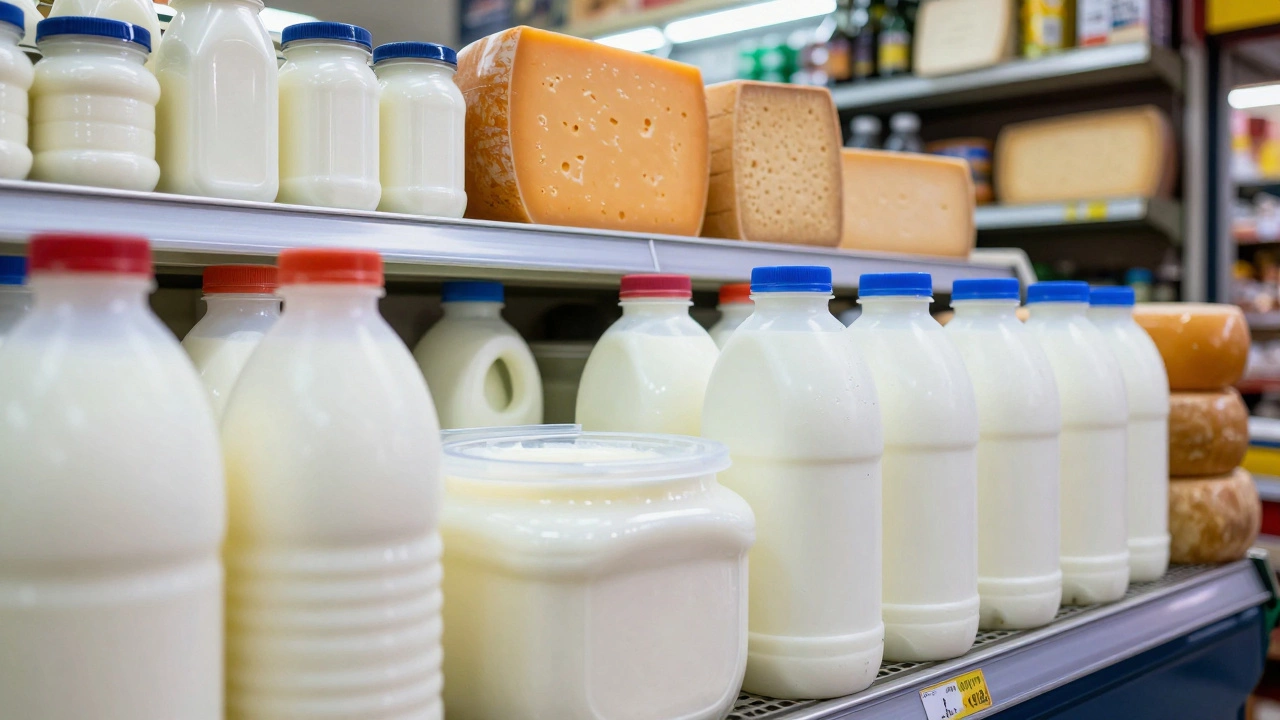
Walk into any grocery store in Mumbai, Delhi, or Bangalore, and you will notice something odd. The dairy aisle is massive, filled with milk, yogurt (curd), buttermilk (chaas), and fresh cream. But the shelf dedicated to aged, hard, or processed cheese? It’s often small, tucked away, or stocked mostly with imported brands that cost a fortune. If you’ve ever wondered why cheese isn’t a staple on the Indian breakfast table-especially when compared to the toast-and-cheese routine common in Western countries-you aren’t alone. It’s not just about taste; it’s a mix of climate, culture, economics, and biology.
The Climate Factor: Why Aging Cheese Is Hard in India
Cheese making, especially for varieties like cheddar, parmesan, or gouda, requires specific environmental conditions. These cheeses need cool, stable temperatures and controlled humidity to age properly without spoiling or developing unwanted molds. India, for the most part, is hot and humid. Even in winter, many regions struggle to maintain the consistent low temperatures needed for traditional aging processes.
This climatic challenge means that producing high-quality aged cheese locally is difficult and expensive. Most Indian households rely on refrigeration, which helps preserve food but doesn’t replicate the natural aging environment of a cheese cave. As a result, the local production of complex cheeses has always been limited. Instead, the focus shifted toward fresh, unaged dairy products that can be consumed immediately without the risk of spoilage. This historical adaptation to the heat shaped the entire dairy landscape of the country.
Paneer: The Indigenous Alternative
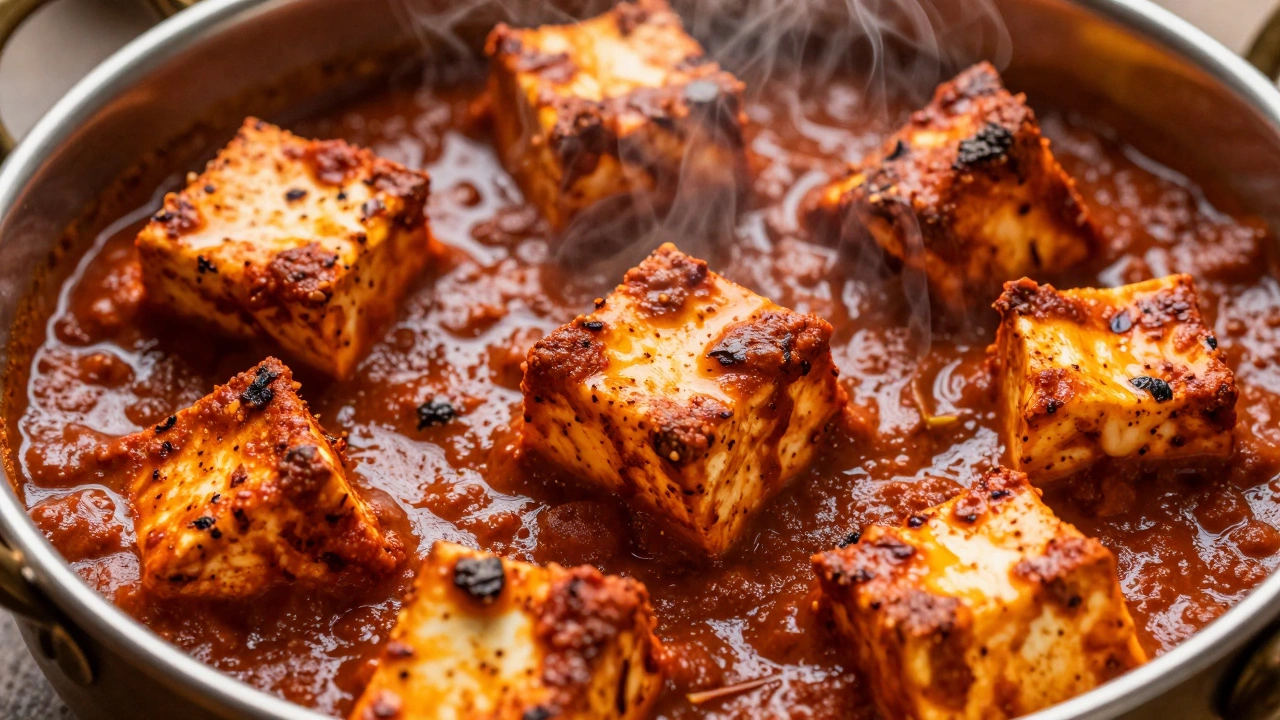
To understand why cheese isn’t popular, you first have to look at what *is* popular: Paneer. Paneer is a fresh, non-melting acid-coagulated cottage cheese widely used in Indian cuisine. Paneer is essentially the Indian answer to soft cheese, but it serves a completely different culinary purpose. Unlike mozzarella or cheddar, paneer does not melt when heated. It holds its shape, allowing it to be cubed, grilled, or fried without turning into a gooey mess.
This texture is perfect for Indian cooking styles, which often involve simmering ingredients in spice-heavy gravies (like butter masala) or dry frying them with vegetables. If you tried to use melting cheese in a curry, it would dissolve into the sauce, changing the consistency entirely. Paneer absorbs flavors while maintaining its structure. For centuries, this made paneer the superior choice for savory dishes. It’s affordable, easy to make at home using just milk and lemon juice or vinegar, and fits seamlessly into vegetarian diets. Because paneer satisfies the need for a protein-rich dairy product in curries and snacks, there was less pressure to develop a market for melting cheeses.
The Lactose Intolerance Barrier
Biology plays a surprisingly large role here. A significant portion of the adult population in South Asia suffers from lactose intolerance. This condition makes digesting lactose-the sugar found in milk-difficult, leading to bloating, gas, and discomfort. Interestingly, traditional Indian dairy practices evolved around this reality. Yogurt (curd) and buttermilk are fermented, which breaks down much of the lactose, making them easier to digest. Ghee (clarified butter) also contains negligible amounts of lactose.
Cheese, however, varies in its lactose content. While aged cheeses like parmesan have very little lactose, softer cheeses like mozzarella or processed slices still contain enough to trigger symptoms in sensitive individuals. For many Indians, eating a slice of cheese might lead to immediate digestive distress. This biological barrier naturally limits the daily consumption of cheese. People stick to what their bodies tolerate well: fermented dairy products and clarified fats. It’s not that they dislike the taste; it’s that their gut microbiome simply rejects it.
Cost and Accessibility
Let’s talk money. In India, milk is relatively affordable because the country is the world’s largest producer of milk, largely driven by small-scale farmers and cooperatives like Amul. However, cheese is a secondary product. Making cheese requires more milk than you get back in weight, plus processing costs, packaging, and often import duties if it’s not made locally.
A block of good-quality cheddar or mozzarella can cost three to four times more per kilogram than fresh milk or paneer. For the average middle-class family, spending ₹400-₹600 ($5-$7) on a block of cheese is a luxury, not a necessity. When you compare that to the price of eggs, lentils, or paneer, cheese loses out on value for money. This economic factor keeps cheese confined to urban centers, upscale cafes, and special occasions rather than becoming a household staple.
Cultural Breakfast Habits
Breakfast in India is rarely a cold plate of bread and cheese. It’s warm, spiced, and often savory. Think idli (steamed rice cakes), dosa (fermented crepes), poha (flattened rice), or paratha (stuffed flatbread). These dishes are designed to be eaten with chutneys, sambar, or curries. The flavor profile is dominated by spices like turmeric, cumin, mustard seeds, and chili.
Cheese doesn’t fit easily into this framework. You can’t dip a slice of cheddar into sambar-it clashes with the spices. While fusion foods are growing in popularity, the traditional palate prefers distinct textures and flavors. The idea of "quick breakfast" in India usually involves reheating leftovers or making something from scratch that takes 10-15 minutes but offers sustained energy. Cheese-based meals, like sandwiches or omelets with cheese, are seen as "Western" or "cafe food," not home-cooked comfort. This cultural disconnect means cheese hasn’t integrated into the daily ritual of morning meals.

The Rise of Processed Cheese and Urban Shifts
Things are changing, though. With globalization and the rise of urban youth who spend time abroad or consume international media, demand for cheese is growing. Processed cheese slices, pizza, and burgers are becoming common in cities like Delhi, Mumbai, and Hyderabad. Brands like Mother Dairy and Amul have started producing local versions of processed cheese to meet this demand at lower prices.
However, this growth is uneven. Rural India still relies heavily on traditional dairy products. Even in cities, cheese remains a treat rather than a staple. The shift is slow because it competes with deeply ingrained habits and preferences. Younger generations might enjoy a cheese sandwich, but they’re unlikely to replace their weekend dosas with it. The market is expanding, but it’s moving within the bounds of existing cultural constraints.
| Feature | Paneer | Western Cheese (Cheddar/Mozzarella) |
|---|---|---|
| Melting Property | Does not melt | Melts easily |
| Lactose Content | Moderate (fresh) | Varies (low in aged, moderate in soft) |
| Price per Kg | ₹300-₹400 | ₹600-₹1200+ |
| Culinary Use | Curries, stir-fries, grilling | Sandwiches, pizza, gratins |
| Shelf Life | Short (days) | Long (weeks/months) |
Is Cheese Becoming More Popular?
If you visit a modern Indian kitchen, you might find a block of mozzarella sitting next to the paneer. The trend is undeniable. Pizza chains, burger joints, and even some Indian restaurants now offer cheese-topped naans or tandoori chicken with melted cheese. Social media has played a huge role here, showcasing creamy pasta dishes and cheesy snacks that appeal to younger eyes.
Yet, despite this visibility, cheese hasn’t replaced traditional dairy. It exists alongside it. Many Indians still view cheese as an ingredient for specific dishes rather than a standalone food. The gap between "occasional indulgence" and "daily habit" remains wide. Until the cost drops significantly or the climate allows for cheaper local aging, cheese will likely remain a niche product in the broader Indian diet.
Do Indians eat any type of cheese?
Yes, but primarily Paneer, which is a fresh, non-melting cottage cheese. In recent years, processed cheese slices, mozzarella, and cheddar have gained popularity in urban areas, especially among younger generations and in fusion cuisines.
Why is paneer preferred over melting cheese?
Paneer does not melt, which makes it ideal for Indian cooking methods like currying, frying, and grilling. It retains its shape and absorbs spices well, whereas melting cheese would dissolve into sauces and alter the dish's texture.
Is lactose intolerance common in India?
Yes, a large percentage of the adult population in South Asia is lactose intolerant. Traditional Indian dairy products like yogurt and ghee are fermented or clarified, reducing lactose content and making them easier to digest than fresh cheese or milk.
Why is cheese expensive in India?
Cheese production requires more milk than the final product weighs, plus processing and packaging costs. Additionally, many high-quality cheeses are imported due to India's hot climate, which hinders local aging processes. Import duties and logistics further drive up prices.
Can I make cheese at home in India?
You can easily make paneer at home using milk and an acid like lemon juice or vinegar. Making aged cheeses like cheddar is difficult due to temperature control requirements, but some enthusiasts experiment with simple ricotta or fresh mozzarella recipes using specialized kits.
