Why Dosa Batter Is Rubbery: Fix Your Fermentation and Texture Issues
 Jan, 30 2026
Fermentation Temperature Checker
Fermentation is critical for achieving light, crispy dosa batter. The ideal temperature range is 24-30°C (75-86°F). Too cold? Fermentation stalls. Too hot? Harmful bacteria take over. This tool helps you check if your kitchen temperature is optimal.
Ever made dosa batter that turned out thick, sticky, and rubbery instead of light and crispy? You’re not alone. Many home cooks in Australia, India, and beyond struggle with this issue - even when they follow a recipe exactly. The batter rises, it smells sour, it looks right… but when you pour it on the pan, it clings like glue and refuses to crisp up. The problem isn’t your stove. It’s not your tawa. It’s the batter itself - and what happened to it before you even turned on the heat.
Too Much Water? Too Little? It’s Not Just About Ratios
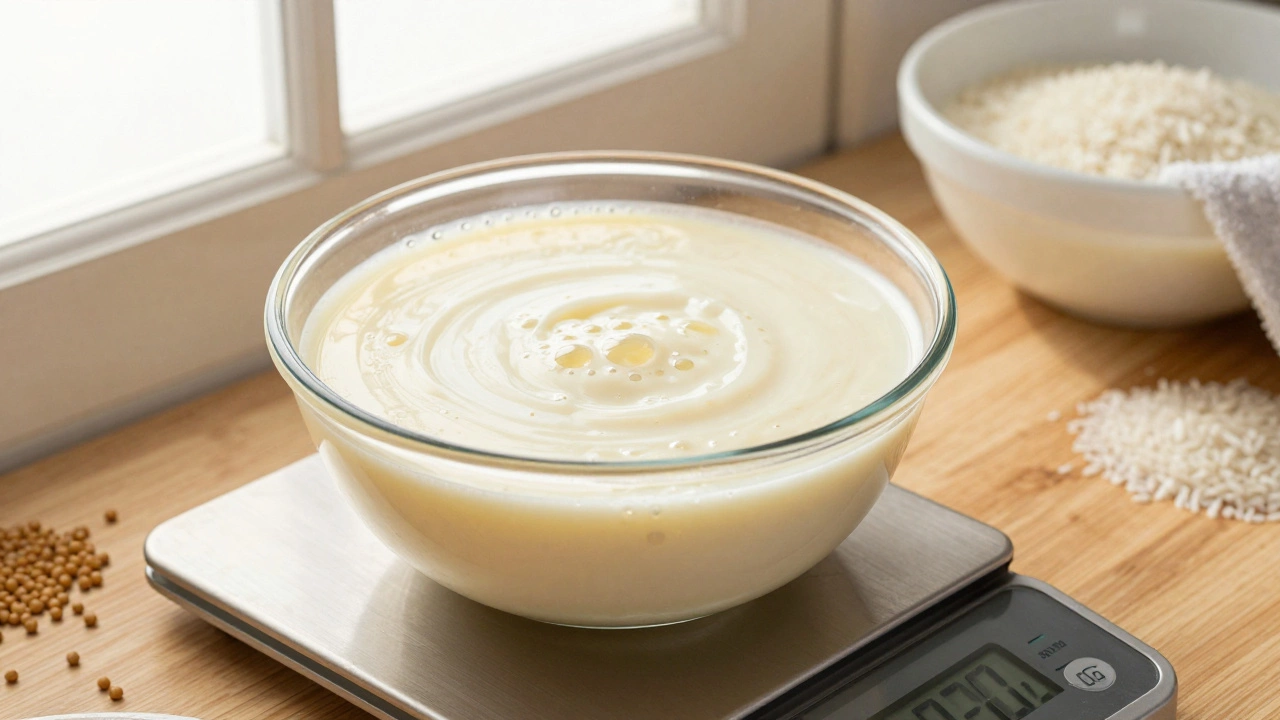
Most dosa recipes say to use 1 part urad dal to 3 parts rice. That’s a good starting point. But the real issue isn’t the ratio - it’s how the water interacts with those ingredients over time. If you use too much water, the batter becomes thin and weak. It won’t hold air bubbles properly. If you use too little, the batter stays dense. The starches don’t fully hydrate, and the fermentation can’t do its job.Here’s what actually works: measure by weight, not volume. One cup of rice weighs about 185 grams. One cup of urad dal weighs about 200 grams. Use 200g urad dal to 600g rice. Add water gradually - start with 500ml, then add more only if needed after soaking. The batter should be the consistency of thick yogurt after grinding. Too runny? It won’t hold gas. Too thick? It won’t spread.
Fermentation Is the Key - But Heat Kills It
Fermentation is what turns dense rice and dal into airy, light dosa batter. Lactic acid bacteria and yeast feed on sugars, release carbon dioxide, and make the batter puff up. But if your kitchen is too cold, fermentation stalls. If it’s too hot, bad bacteria take over.In Sydney, winter nights can drop to 8°C. That’s too cold. Your batter won’t rise properly. You might leave it out overnight and see no change. So you add more yeast. Or you put it near the oven. Big mistake. Heat above 35°C kills the good microbes. You end up with sour, rubbery batter - not because it didn’t ferment, but because it fermented wrong.
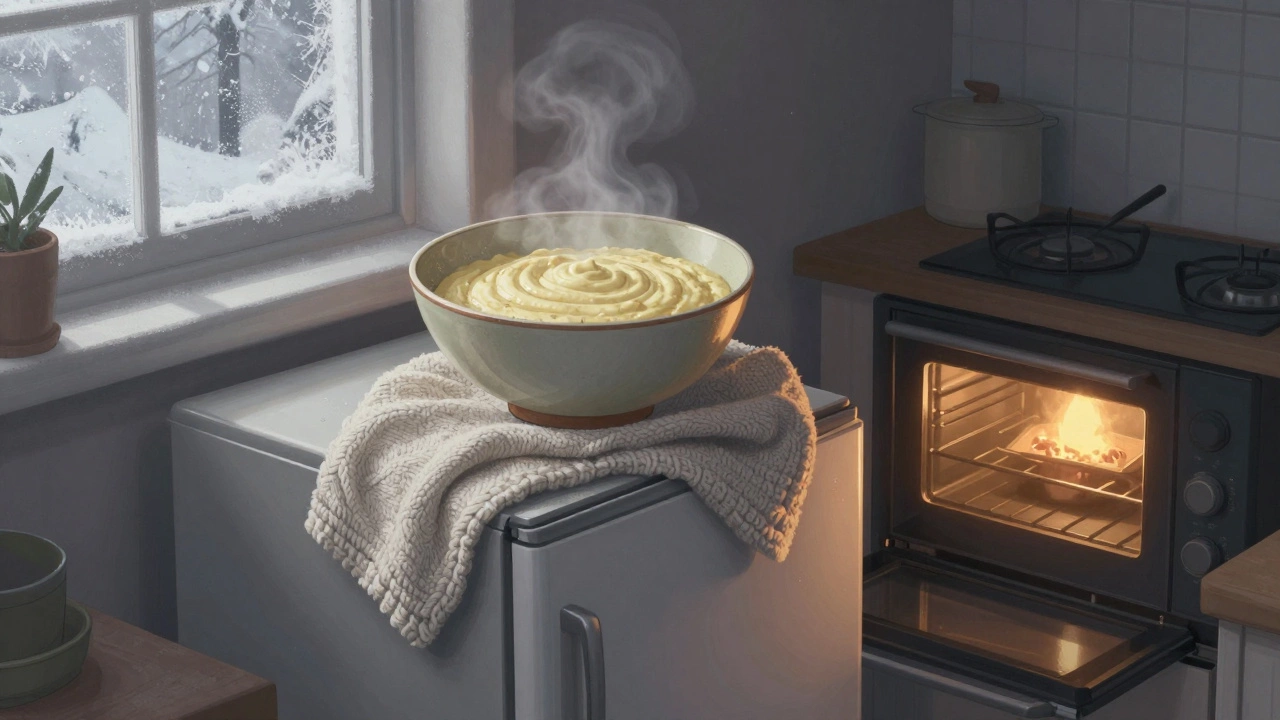
The sweet spot? 24-30°C. If your kitchen is cold, wrap the bowl in a towel and place it on top of your fridge. The warmth from the compressor creates just enough heat. Or use your oven with the light on - the bulb gives off gentle warmth without drying it out. Leave it for 10-12 hours. You’ll know it’s ready when it’s doubled in volume, smells like sourdough, and has tiny bubbles all over.
Grinding Too Much = Gummy Batter
This is one of the most common mistakes. People think grinding longer makes the batter smoother. It doesn’t. It makes it rubbery.Urad dal should be ground until it’s fluffy and light - like whipped cream. You should see air pockets. That takes 8-10 minutes in a high-speed blender. Rice should be ground coarser - just until the grains break down into a slightly gritty paste. If you grind rice too long, you release too much starch. That starch turns into glue when heated. Result? Dosa that sticks to the pan and feels chewy instead of crisp.
Grind the urad dal first. Then add the rice. Don’t mix them before grinding. Keep the batter cool while grinding - add ice cubes or cold water in small amounts. Heat from friction can kill the natural enzymes needed for fermentation later.
Salt Before Fermentation? Big No
You might have heard to add salt after fermentation. That’s not a myth - it’s science. Salt slows down microbial activity. If you add it before fermentation, the bacteria and yeast don’t multiply as fast. The batter rises slowly, if at all. Then, when you finally add salt, you stir it in hard - which knocks out all the air you’ve built up.Wait until after fermentation to add salt. Gently fold it in with a spatula. Don’t whisk. Whisking collapses the bubbles. You want to preserve that airy structure. A gentle fold keeps the texture light. If you stir like you’re making pancake batter, you’re turning your dosa into a rubbery pancake.
Resting After Grinding? Skip It
Some recipes say to let the batter rest for 30 minutes after grinding. That’s wrong. Resting after grinding does nothing good. It just gives the starch time to absorb water unevenly. That leads to inconsistent texture.Grind, mix in salt (after fermentation), and ferment. No resting in between. The only rest you need is the 10-12 hour fermentation. After that, give it one gentle stir. If it’s too thick, add a tablespoon of water. That’s it. No need to wait. No need to adjust. Just pour and cook.
Why Your Dosa Sticks and Feels Chewy
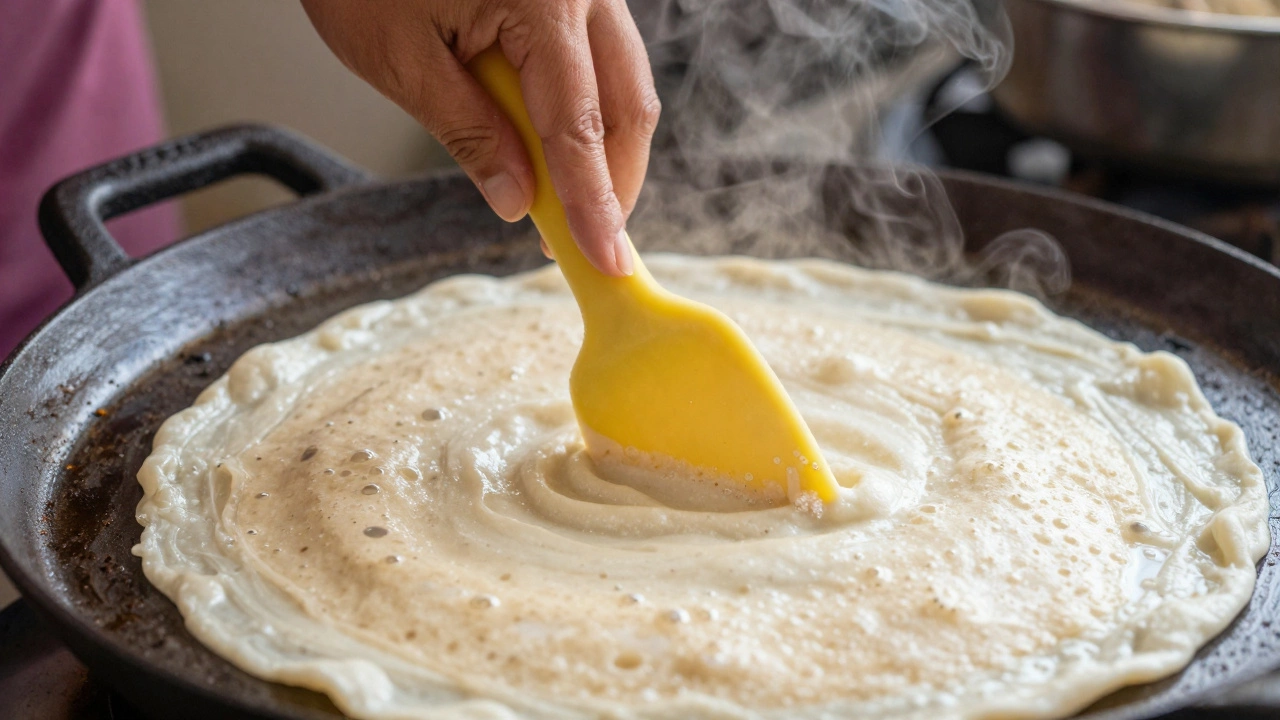
Even if your batter looks right, the pan matters. A cold tawa? The batter soaks in and turns gummy. A tawa that’s too hot? The outside burns before the inside cooks through. You need medium heat - and patience.Heat the tawa for 5-7 minutes on medium. Test it with a drop of water. If it sizzles and evaporates in 2 seconds, it’s ready. Pour the batter in a circular motion from a height. Let it cook untouched for 2-3 minutes. Don’t flip it early. If you try to lift it before the edges crisp up, it tears. That’s not your fault - it’s the batter’s texture.
Use a non-stick or well-seasoned cast iron tawa. Avoid stainless steel. It doesn’t hold heat evenly. And never use oil to grease the pan for dosa. A light spray of oil on the spatula is fine, but the batter should spread on its own. If it sticks, your batter is too starchy or your pan isn’t hot enough.
Quick Fixes for Rubber Dosa Batter
If you already made the batter and it’s rubbery, here’s what you can do:- If it’s too thick: Add 1-2 tablespoons of water and stir gently. Let it sit for 30 minutes.
- If it smells sour but didn’t rise: Mix in 1/4 teaspoon of baking soda. This won’t fix fermentation, but it’ll help the batter puff up slightly when cooked.
- If it’s too sticky: Add 1 tablespoon of rice flour and mix. It’ll absorb excess moisture.
- If it’s been sitting for over 2 days: Don’t use it. It’s over-fermented. The acids have broken down the structure. Start fresh.
These are band-aids. The real fix? Get the fermentation right from the start.
What to Do Next Time
Follow this simple checklist before you start:- Use 200g urad dal and 600g rice by weight.
- Soak rice for 4 hours. Soak urad dal for 4 hours separately.
- Grind urad dal until fluffy. Grind rice until gritty. Keep batter cool.
- Combine, then ferment in a warm spot (24-30°C) for 10-12 hours.
- Add salt after fermentation. Fold gently.
- Use a hot, well-seasoned tawa. No oil on the pan.
Do this once, and you’ll never make rubbery dosa again. It’s not magic. It’s just chemistry - and timing.
Why does my dosa batter smell bad?
A slightly sour smell is normal - that’s fermentation. But if it smells like rotten eggs, vinegar, or alcohol, it’s over-fermented or contaminated. That happens when the batter sits too long (over 24 hours) or in a dirty container. Always use a clean, non-metallic bowl. If it smells off, toss it and start fresh.
Can I use a food processor instead of a grinder?
Yes, but be careful. Food processors heat up faster and grind too finely. This releases more starch, making the batter sticky. Use short bursts, not continuous blending. Stop when the urad dal looks fluffy. Don’t try to make it smooth like hummus.
Why do my dosas turn out hard instead of crispy?
Hard dosas usually mean the batter is too thick or the tawa isn’t hot enough. The batter needs to spread thinly and cook fast. If it’s too thick, it bakes instead of frying. If the pan is cold, the batter soaks in and turns dense. Heat the tawa properly, and pour the batter from a height to help it spread naturally.
Can I refrigerate dosa batter overnight?
Yes, but only after fermentation. Once the batter has risen and fermented, you can store it in the fridge for up to 3 days. Bring it to room temperature before using. Cold batter won’t spread well. Let it sit for 30 minutes, then stir gently. Don’t add water unless it’s too thick.
Is urad dal the same as black gram?
Yes. Urad dal is the split and skinned version of black gram. For dosa, you need the white, skinned version - not the whole black beans. Whole black gram won’t grind properly and will make your batter gritty. Always check the label: it should say ‘urad dal’ or ‘split white urad’.
