Why Paneer Is Not Vegan: The Hidden Ingredients and Best Plant-Based Swaps
 Jul, 31 2026
Vegan Paneer Swap Calculator
Configuration
Best Vegan Match: Extra-Firm Tofu
Recommended based on your dish type: Curry.
| Nutrient | Dairy Paneer | Tofu | Cashew Cheese |
|---|---|---|---|
| Calories | 265 kcal | 76 kcal | 155 kcal |
| Total Fat | 18 g | 4.8 g | 11 g |
| Protein | 14 g | 8 g | 5 g |
| Saturated Fat | High | Low | Medium |
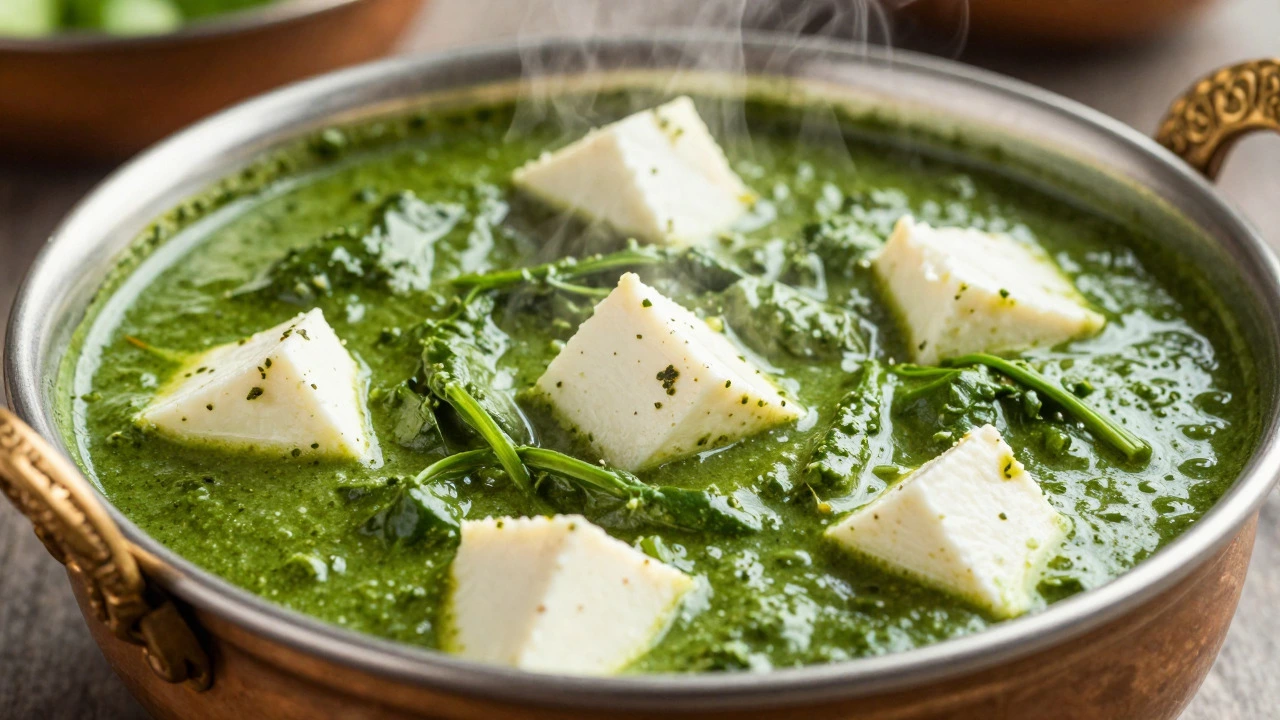
You’ve just ordered a delicious-looking Palak Paneer at your favorite Indian restaurant. It’s creamy, green, and packed with spinach. But then you check the allergen menu or ask the waiter, and they shake their head. “Sorry, it’s not vegan.” You might be confused. After all, paneer looks like plain white cheese. There are no eggs in it, no milk powder packets, and certainly no meat. So why is this staple of North Indian cuisine off-limits for vegans?
The answer lies in what paneer actually is. Unlike processed American cheese slices that come in plastic packaging, paneer is a fresh, unaged Indian cottage cheese made by curdling whole milk with an acid. Because its primary ingredient is cow’s or buffalo milk, it is inherently dairy-based. For anyone following a strict vegan diet-which excludes all animal products-paneer is out. However, understanding *why* it isn’t vegan helps you navigate menus better and even make your own plant-based versions at home.
The Science Behind Why Paneer Isn't Vegan
To understand why paneer doesn't fit into a vegan lifestyle, we have to look at how it’s made. The process is simple but relies entirely on animal biology. You start with milk. Most traditional recipes use full-fat cow’s milk because it yields a higher quantity of solid curds. Some regions in India prefer buffalo milk, which makes a richer, creamier paneer.
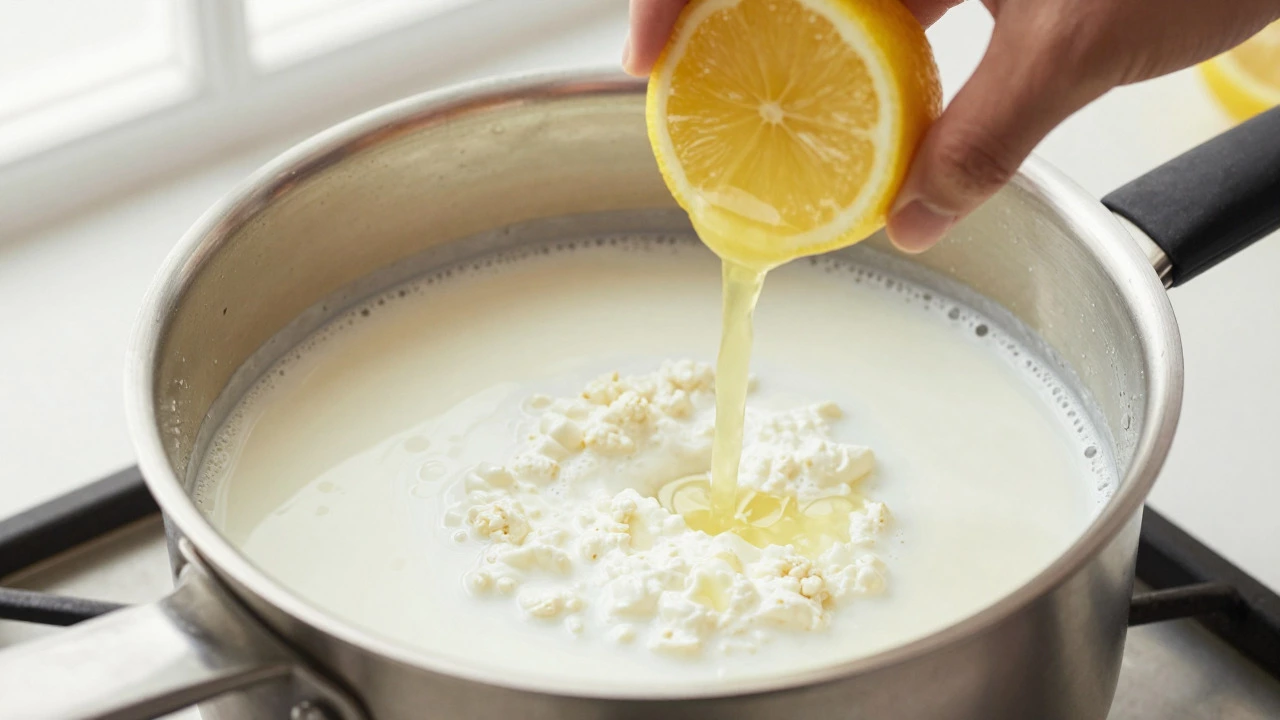
Next, you heat the milk until it simmers. Then, you add an acid. This could be lemon juice, vinegar, or citric acid. This acid lowers the pH of the milk, causing the proteins (casein) to separate from the liquid (whey). The solids clump together to form curds. These curds are strained, pressed, and cooled to create blocks of paneer.
Since the foundation of this process is milk, the final product contains lactose and casein. Vegans avoid these because they require an animal to produce them. Even if the milk comes from a happy cow, the act of milking involves separating calves from mothers and managing herd cycles, which many vegans choose to avoid due to ethical concerns about the dairy industry.
| Feature | Dairy Paneer | Vegan Status |
|---|---|---|
| Main Ingredient | Cow/Buffalo Milk | Not Vegan |
| Curdling Agent | Lemon/Vinegar | Vegan (but used on non-vegan base) |
| Contains Eggs? | No | N/A |
| Contains Gelatin? | No | N/A |
Is Homemade Paneer Any Different?
A common question I hear from friends trying to eat more plant-based is, “If I make paneer at home using organic milk, does that count?” The short answer is no. Whether you buy paneer from a supermarket or make it yourself in your Sydney kitchen, the core ingredient remains animal milk. Making it at home gives you control over quality-you can avoid preservatives or artificial colors-but it doesn’t change the biological source of the food.
However, making it at home is crucial for another reason: texture. Store-bought paneer can sometimes be rubbery or overly salty. When you make it yourself, you get soft, crumbly cubes that absorb spices beautifully. If you are transitioning to veganism, learning how to make traditional paneer helps you understand the texture you’re trying to replicate with plant-based ingredients. You want something that holds its shape when fried but melts slightly in a curry sauce.
Top Plant-Based Alternatives to Paneer
Just because paneer isn’t vegan doesn’t mean you have to give up your favorite dishes. The culinary world has developed several excellent substitutes that mimic the texture and flavor profile of paneer. Here are the best options available in Australia and globally.
1. Tofu (The Closest Match)
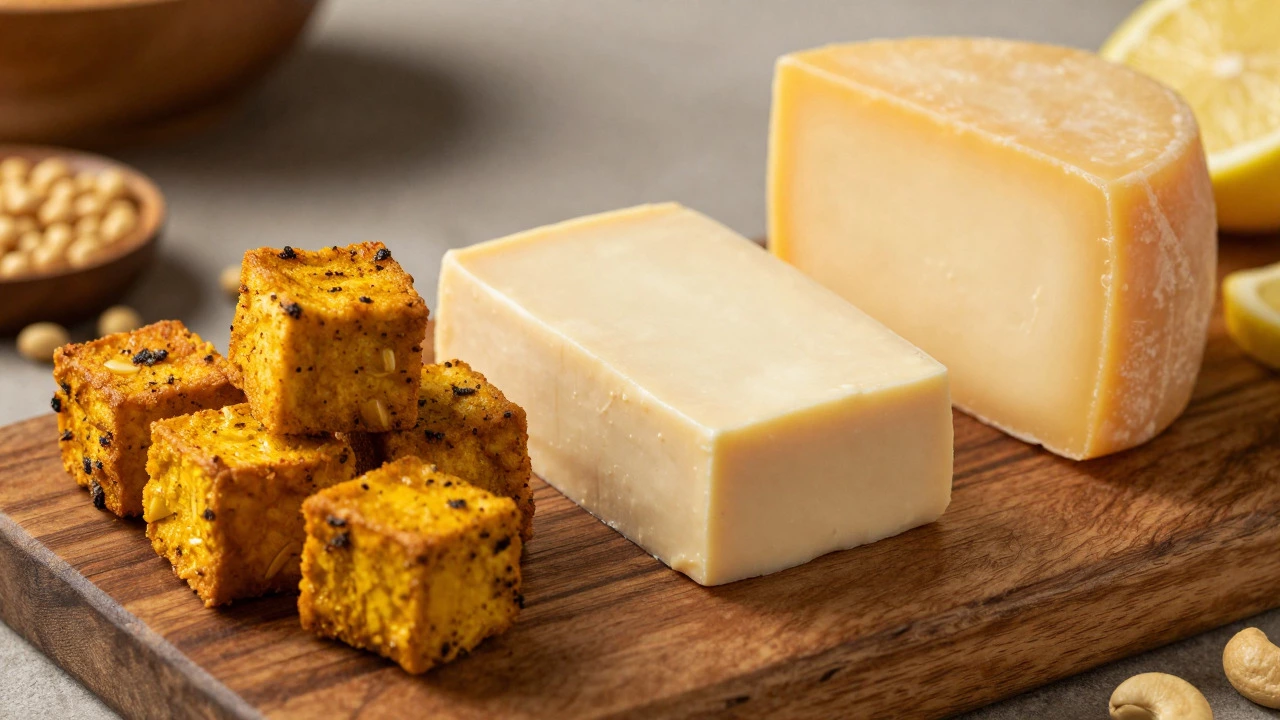
Tofu is a soybean curd product similar in production method to paneer. Specifically, extra-firm tofu is the gold standard for replacing paneer. Like paneer, tofu is made by coagulating a liquid (soy milk) and pressing out the water. To make it taste less like beans and more like cheese, press the tofu for 20 minutes to remove excess moisture, then marinate it in turmeric, salt, and a little lemon juice before frying. The turmeric gives it that signature yellow hue often seen in Indian curries.
2. Cashew Cheese
If you want a creamier, softer alternative, soaked cashews are your friend. Blend soaked cashews with nutritional yeast, lemon juice, garlic powder, and water until smooth. Nutritional yeast adds a cheesy, umami flavor that mimics aged cheeses. This mixture can be poured into a mold and refrigerated to set, creating a block that slices similarly to soft paneer. It’s perfect for dishes where paneer is melted or blended into sauces.
3. Commercial Vegan Cheeses
In 2026, the market for plant-based cheeses has exploded. Brands like Violife, Follow Your Heart, and local Australian startups offer “paneer-style” blocks. These are usually made from coconut oil, potato starch, and pea protein. While they don’t cook exactly like dairy paneer (they tend to melt more), they are convenient and widely available in supermarkets like Woolworths and Coles.
How to Cook with Vegan Paneer Substitutes
Swapping ingredients isn’t always a one-to-one exchange. You need to adjust your cooking technique to get the best results.
- Frying: Traditional paneer is often shallow-fried until golden brown. Tofu works great here. Pat it dry, cut into cubes, and fry in mustard oil or ghee substitute (like refined coconut oil) until crispy on the outside. Do not overcrowd the pan, or the tofu will steam instead of fry.
- Curries: In dishes like Butter Masala, paneer is added at the end so it doesn’t break apart. With tofu, add it during the last 5-7 minutes of simmering. Cashew cheese blends well directly into the sauce, adding richness without needing separate chunks.
- Grilling: Paneer grills well because it has low moisture content. Tofu needs to be pressed thoroughly first. Brush with oil and grill on high heat to get char marks. Avoid flipping too often, as tofu can be fragile if not handled gently.
Nutritional Comparison: Dairy vs. Plant-Based
One reason people switch to vegan alternatives is health. Let’s look at the numbers. A 100g serving of traditional paneer contains approximately 265 calories, 18g of fat, and 14g of protein. It is also high in saturated fat.
Extra-firm tofu, by comparison, has about 76 calories, 4.8g of fat, and 8g of protein per 100g. It is lower in calories and saturated fat but also lower in protein density than paneer. However, tofu is a complete protein, meaning it contains all nine essential amino acids. Cashew-based cheeses are higher in healthy fats but lower in protein. They are best used in moderation as a flavor enhancer rather than a main protein source.
For those watching their cholesterol, switching from dairy paneer to tofu can significantly reduce saturated fat intake. The heart foundation in Australia recommends limiting saturated fats to less than 10% of total energy intake. Replacing creamy dairy dishes with lighter plant-based versions helps meet this goal easily.
Common Mistakes When Making Vegan Paneer
I’ve seen many home cooks struggle when trying to replicate paneer. Here are the pitfalls to avoid:
- Using Soft Tofu: Never use silken or soft tofu for paneer recipes. It will disintegrate in the curry. Always buy extra-firm or super-firm tofu.
- Skip the Pressing: If you don’t press the tofu, it will release water into your dish, making the curry watery and diluting the spices. Use a tofu press or wrap it in a clean towel and place a heavy book on top for 15-20 minutes.
- Ignoring Flavor Absorption: Paneer is bland on its own; it gets flavor from the gravy. Tofu is also relatively neutral. Marinating it beforehand ensures every bite is flavorful. A mix of cumin, coriander, and chili powder works wonders.
- Overcooking: Unlike chicken, tofu doesn’t need to cook for long to become safe. Overcooking can make it tough or mushy depending on the brand. Add it late in the cooking process.
Can You Make Paneer Without Milk?
Technically, if it’s not made from milk, it’s not paneer-it’s a paneer-style substitute. However, you can make a convincing version using almond milk or soy milk. The trick is to use a strong acid like lemon juice and to strain the curds tightly. Almond milk yields very little curd, so you need large quantities of milk to make a small block. Soy milk works better because of its higher protein content. The result won’t be identical to dairy paneer, but it’s a fun experiment for curious cooks.
Final Thoughts on Eating Vegan Indian Food
Indian cuisine is naturally rich in vegetables, lentils, and grains, making it easy to adapt for vegans. Paneer is just one ingredient among many. By understanding why it’s not vegan and knowing how to substitute it effectively, you can enjoy the depth and complexity of Indian flavors without compromising your values. Whether you choose tofu, cashew cheese, or a store-bought alternative, the key is experimentation. Try different marinades, textures, and cooking methods until you find your perfect match.
Is paneer gluten-free?
Yes, traditional paneer is naturally gluten-free since it is made only from milk and acid. However, always check labels on pre-packaged paneer for additives or cross-contamination warnings if you have celiac disease.
What is the best substitute for paneer in Palak Paneer?
Extra-firm tofu is the best substitute. Press it well, cube it, and fry it lightly before adding to the spinach gravy. Marinate it with turmeric to mimic the color and flavor profile of traditional paneer.
Why is my homemade paneer rubbery?
Rubbery paneer is usually caused by overheating the milk before adding the acid or using too much acid. Heat the milk to a gentle simmer, turn off the heat, then add the lemon juice or vinegar slowly while stirring gently.
Can I freeze paneer?
You can freeze paneer, but the texture changes. It becomes more porous and crumbly after thawing. This makes it suitable for curries where it absorbs sauce well, but not ideal for dishes requiring firm, sliceable cubes.
Is there any vegan cheese that melts like paneer?
Paneer itself doesn't melt easily; it softens. For a similar effect, use firm tofu or commercial vegan mozzarella styles that are designed to soften rather than fully liquefy. Coconut oil-based vegan cheeses melt better but may be too oily for some curries.
