Are Rice Cakes Healthy? The Truth About This Low-Calorie Snack
 Apr, 17 2026
Rice Cake Nutrition Optimizer
Plain rice cakes have a high glycemic index. Select a topping below to see how it transforms the snack from "empty calories" into a balanced mini-meal.
Choose Your Topping:
Nutritional Impact
You've seen them in every health food aisle-those light, airy discs that promise a guilt-free snacking experience. But if you peel back the packaging, the truth about rice cakes health benefits is a bit more complicated than the marketing suggests. Most people grab them because they're low in calories, but are they actually giving your body any real fuel, or are they just flavored air?
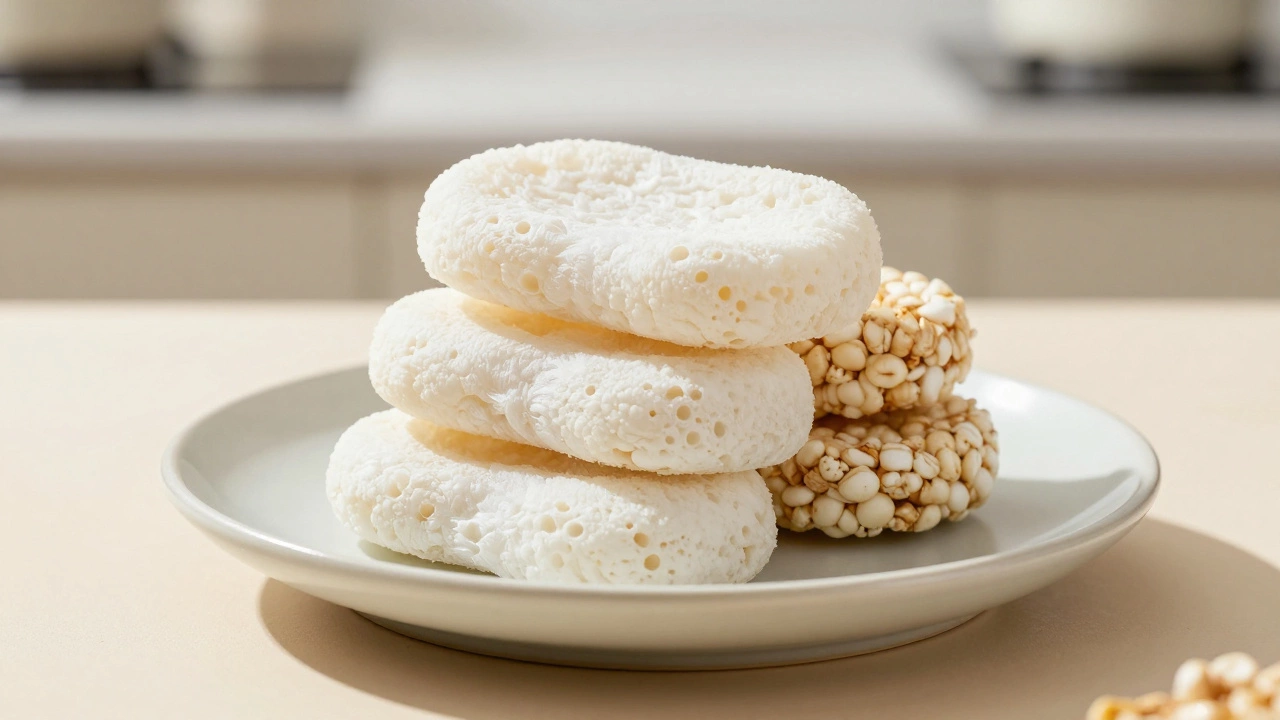
To get it straight, Rice Cakes are light, puffed snacks made by heating rice under high pressure to create an expanded, airy texture. They are often viewed as a weight-loss tool because a single plain cake usually packs only 35 to 60 calories. However, the process of "puffing" changes how your body handles the grain, turning a hearty staple into something that behaves very differently in your bloodstream.
Quick Summary: The Verdict on Rice Cakes
- Pros: Extremely low calorie, gluten-free, easy on the stomach, and great for volume eating.
- Cons: High glycemic index, very low nutrient density, and often contain hidden sugars or salts in flavored versions.
- Best Use: As a crunchy base for nutrient-dense toppings like avocado, nut butter, or hummus.
The Blood Sugar Rollercoaster
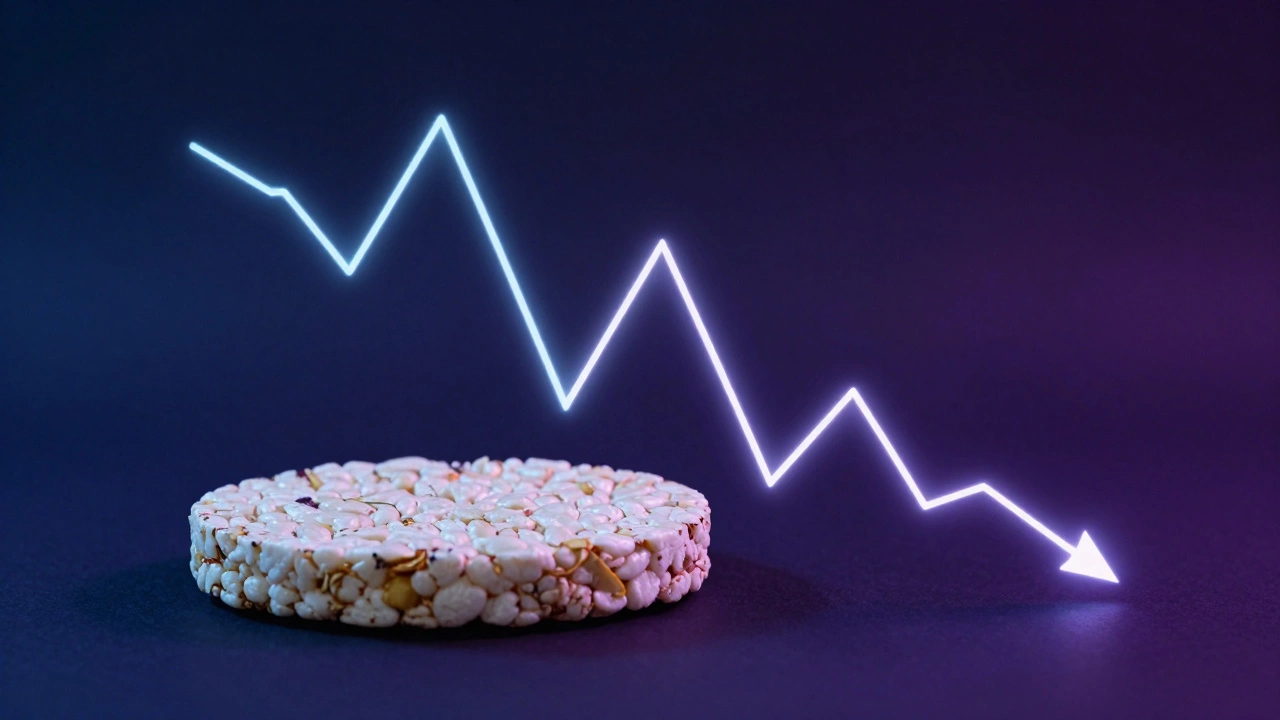
The biggest issue with rice cakes isn't what they have, but what they do to your insulin. When rice is processed into a cake, the starch is modified, making it incredibly easy for your enzymes to break down. This means the Glycemic Index-the scale that ranks how quickly foods raise blood glucose levels-spikes significantly.
For a healthy adult, a few cakes won't cause a crisis. But for someone managing diabetes or trying to avoid energy crashes, eating plain rice cakes on an empty stomach can lead to a rapid spike in blood sugar followed by a sharp drop. This is why you might feel hungry again just 30 minutes after eating them. You're not lacking calories; you're experiencing a glucose dip.
Nutritional Breakdown: Air vs. Substance
If we look at a standard white rice cake, the nutrition label is pretty sparse. You're mostly getting simple carbohydrates. There is almost no fiber, very little protein, and negligible vitamins. This is a far cry from the whole grain profiles we see in traditional Brown Rice or ancestral grains.
Compare this to traditional Healthy Indian Snacks like roasted makhana (fox nuts) or chana (roasted chickpeas). While rice cakes provide a crunch, they don't offer the satiety or the mineral density that legumes or seeds do. If you're using rice cakes as your primary snack, you're missing out on essential micronutrients like magnesium and potassium.
| Feature | White Rice Cakes | Roasted Makhana | Roasted Chana |
|---|---|---|---|
| Calories | ~380 (High volume) | ~350 | ~360 |
| Protein | Low (~6g) | Medium (~9g) | High (~19g) |
| Glycemic Impact | High | Medium | Low |
| Fiber Content | Very Low | Moderate | High |
The Hidden Trap of Flavored Varieties
Plain rice cakes are boring, so manufacturers add "Apple Cinnamon" or "White Cheddar" flavors. This is where the "healthy" label completely disappears. Many of these versions use Maltodextrin or refined sugars to create a taste profile. Maltodextrin is a highly processed carbohydrate that can actually have a higher glycemic index than pure glucose.
Then there's the sodium. A plain cake has almost no salt, but a "sour cream and onion" version can pack a significant amount of sodium, which leads to water retention and bloating. If you're buying these for health reasons, the flavored options often defeat the purpose by adding empty calories and inflammatory ingredients.
How to Make Rice Cakes Actually Healthy
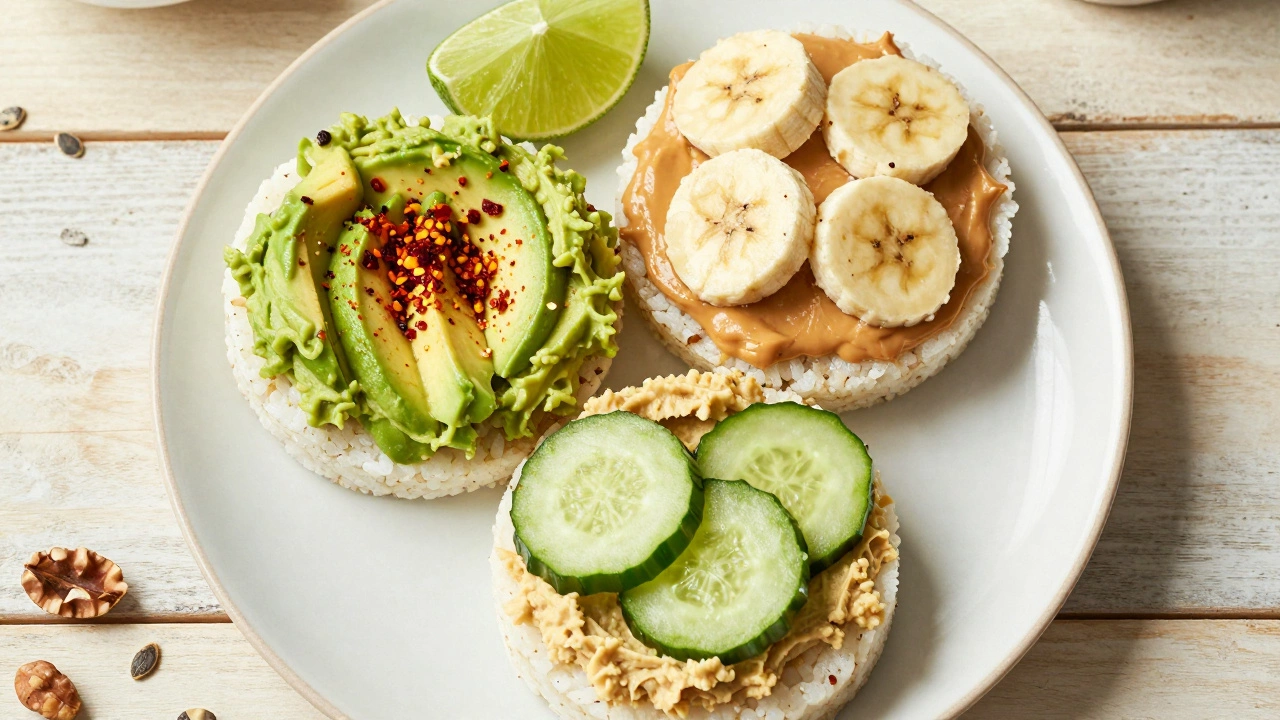
The secret to eating rice cakes without the blood sugar crash is "pairing." You never want to eat a naked rice cake. By adding a protein or a healthy fat, you slow down the digestion of the starch, which flattens the glucose curve.
- The Protein Pair: Spread a thick layer of almond butter or peanut butter. The healthy fats and protein buffer the carb hit.
- The Omega-3 Boost: Mash a ripe avocado with a squeeze of lime and a pinch of chili flakes. The monounsaturated fats make the snack more satisfying.
- The Savory Route: Use hummus or a dollop of Greek yogurt with sliced cucumbers on top. This adds probiotics and a hit of plant-based protein.
Comparing Rice Cakes to Puffed Rice (Murmura)
In the context of Indian snacking, we have Puffed Rice, known as Murmura. Both are created through a similar expansion process. However, Murmura is often tossed with mustard seeds, curry leaves, and peanuts in a light tempering. This addition of nuts and spices actually makes Puffed Rice a slightly better choice because the accompanying ingredients provide the nutritional balance that a standalone rice cake lacks.
Whether you're eating a rice cake or a bowl of Bhel Puri, the rule remains the same: the base grain is just the vehicle. The real nutrition comes from what you put on it or mix in with it.
Can I eat rice cakes for weight loss?
Yes, because they are very low in calories, they can help you feel like you're eating more volume without consuming many calories. However, because they lack fiber and protein, they don't keep you full for long. To make them work for weight loss, pair them with a protein source like eggs, cottage cheese, or nut butter to prevent hunger spikes.
Are brown rice cakes better than white rice cakes?
Generally, yes. Brown rice cakes contain the bran and germ, meaning they have slightly more fiber, B vitamins, and minerals. While the puffing process still increases the glycemic index, brown rice cakes provide a more stable energy release and a bit more nutritional value than the refined white version.
Do rice cakes cause bloating?
For most people, no. Since they are gluten-free and made from a simple grain, they are usually easy to digest. However, if you are sensitive to high-glycemic foods or have a specific reaction to the additives in flavored rice cakes, you might experience some bloating or a "sugar crash" feeling.
Are rice cakes a good replacement for bread?
It depends on your goals. If you're avoiding gluten or looking to drastically cut calories, they are a decent substitute. But nutritionally, a slice of sprouted grain bread or sourdough is far superior, offering more protein, fiber, and complex carbohydrates that fuel the brain and muscles more effectively.
How many rice cakes can I eat in a day?
There is no strict limit, but eating them in moderation is key. Because they are low-nutrient foods, relying on them as a meal replacement can lead to nutrient deficiencies. Stick to 2-3 cakes as a snack base and focus on whole foods for your main meals.
Next Steps for Better Snacking
If you're currently using rice cakes as your go-to snack, try a simple swap this week. Instead of a plain rice cake, try roasted makhana or a handful of almonds. If you love the crunch of the rice cake, commit to the "Rule of Two": never eat a rice cake without at least two nutrient-dense toppings. This simple shift turns a "empty calorie" snack into a balanced mini-meal that supports your energy levels throughout the day.
