Indian Spices: The Heart of Flavor in Every Dish
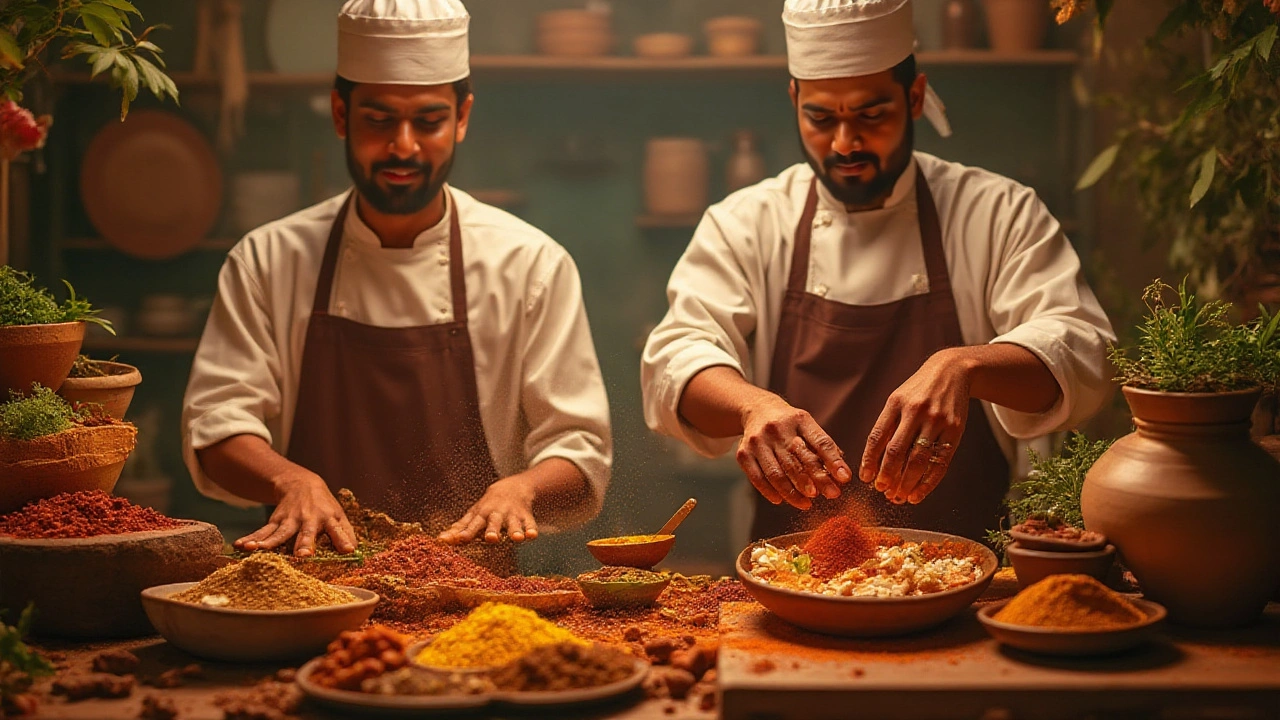
When you think of Indian spices, a vibrant, complex blend of aromatics that define the taste of India’s kitchens. Also known as masalas, these spices aren’t just added to food—they’re the reason food remembers you. This isn’t about throwing a pinch of powder into a pot. It’s about layers—cumin’s earthy bite, coriander’s citrusy breath, turmeric’s deep warmth—that build up like a story you can taste.
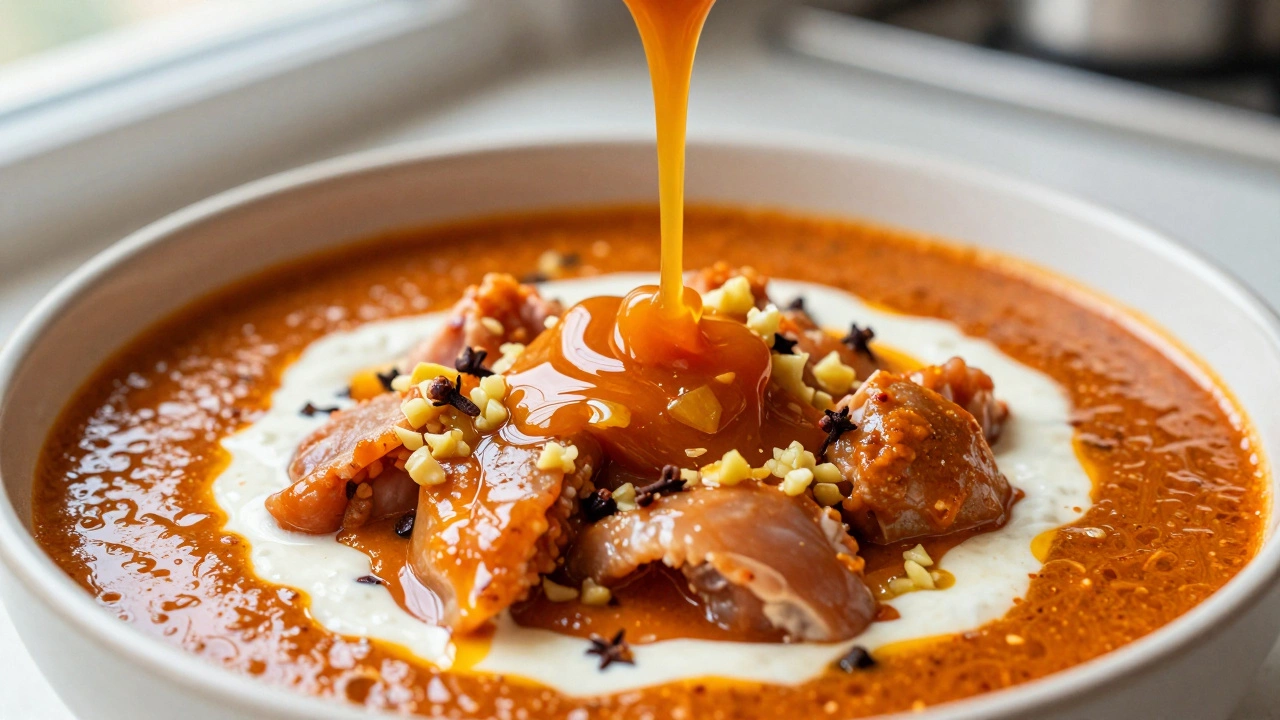
Take garam masala, a signature blend that varies by region, family, and even season. It’s not one-size-fits-all. Some include cardamom for sweetness, others add black pepper for heat. But here’s the thing: if you skip knowing what’s NOT in it—like turmeric or chili—you’ll mess up your biryani before you even start. And turmeric, the golden root that’s more than just a colorant. Also known as haldi, it’s the anti-inflammatory powerhouse behind every dal and the reason your chicken curry doesn’t just taste good—it feels good. Then there’s cumin, the smoky seed that sizzles in hot oil to unlock flavor, and coriander, the seed and leaf that bring balance to spice-heavy dishes. These aren’t extras. They’re the foundation.
You’ll find Indian spices in pizza dough, in chutneys, even in dosa batter. They’re not just for curries. They’re in the crispy edge of a tandoori chicken, the softness of a roti, the crunch of a snack you didn’t know had five spices in it. The posts below don’t just list recipes—they show you how these spices work together, when to use them raw, when to toast them, and why skipping one changes everything. Whether you’re making a simple dal or a fusion pizza with paneer and chili, the magic starts with knowing what’s in the jar—and what’s not.