What Does Tandoori Sauce Taste Like? A Flavor Profile Guide
 May, 28 2026
Tandoori Flavor Profile Simulator
Adjust Ingredients
Flavor Analysis
A classic blend with a creamy yogurt base, gentle heat, and distinct smoky notes.
Quality Check:
- Vibrant orange-red color?
- Fresh ginger/garlic scent?
- Coating clings to meat?
- Distinct layers of flavor?
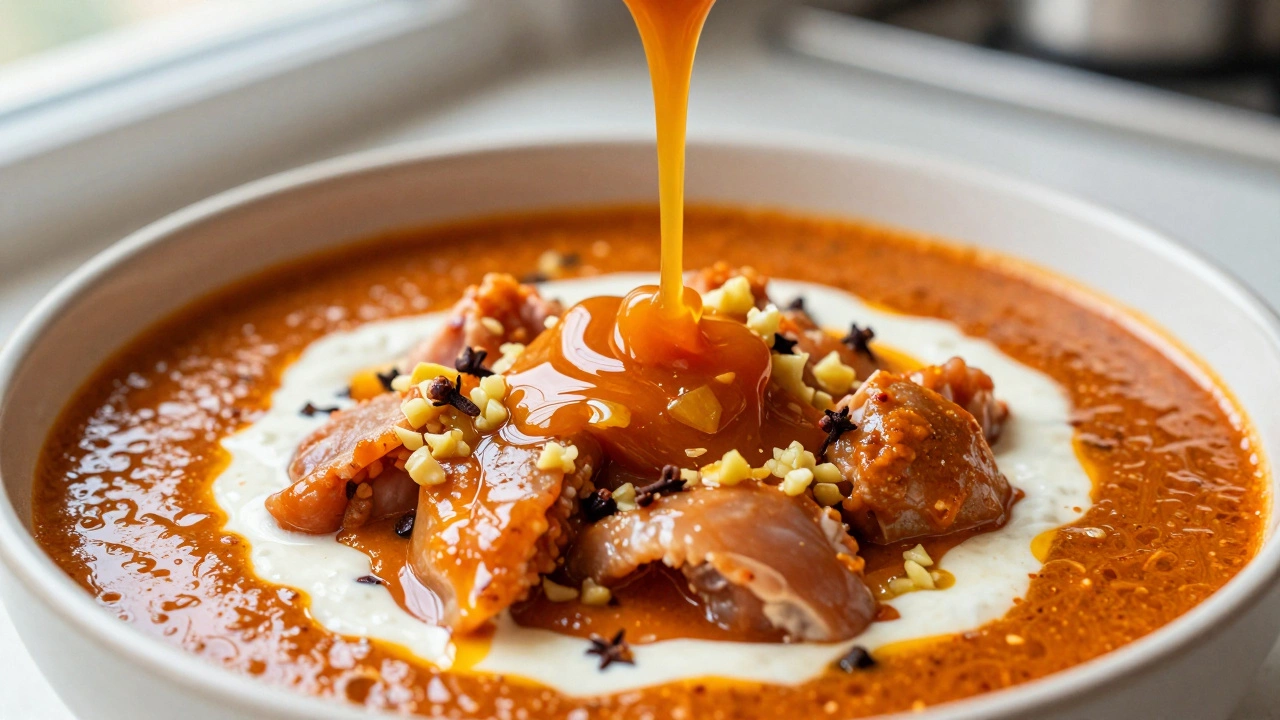
You’ve seen the vibrant red-orange glow of tandoori chicken is a popular Indian dish known for its intense color and bold flavor on the menu. You know it’s spicy, you know it’s tangy, but can you actually describe what tandoori sauce tastes like? It’s not just one note. It’s a complex layering of heat, acid, smoke, and earthiness that hits your palate in waves. If you’re trying to recreate that restaurant magic at home, or if you’re just curious about the science behind the flavor, understanding this profile is key.
The base of any authentic tandoori preparation isn’t a jarred condiment; it’s a thick, spiced yogurt marinade. This distinction matters because "sauce" implies something liquidy served on the side, whereas traditional tandoori flavor comes from the meat soaking up the marinade before hitting the extreme heat of a clay oven. The result is a taste experience that is simultaneously creamy and charred, mild and fiery, all at once.
| Ingredient | Flavor Role | Taste Impact |
|---|---|---|
| Yogurt | Base/Acid | Tangy, creamy, tenderizing |
| Kashmiri Chili Powder | Color/Mild Heat | Bright red hue, gentle warmth |
| Ginger-Garlic Paste | Aromatic/Pungent | Zesty, sharp, savory depth |
| Garam Masala | Warmth/Complexity | Earthy, sweet, woody notes |
| Lemon Juice | Acidity/Brightness | Fresh, citrusy cut through fat |
The Tangy Foundation: Why Yogurt Matters
If you strip away the spices, tandoori sauce tastes primarily like seasoned yogurt. But not just any yogurt-it needs to be thick, full-fat, and preferably homemade or hung-curd style. Regular low-fat dairy yogurt will break down too quickly in the heat, turning bitter and watery. Full-fat yogurt provides a rich, velvety mouthfeel that coats the tongue. As it cooks, the lactose caramelizes slightly, adding a subtle sweetness that balances the sharp acidity. This tang is the first thing you notice when you take a bite. It’s bright and refreshing, cutting through the richness of the chicken skin.
The fermentation process in the yogurt also helps tenderize the meat. Enzymes in the curd break down protein fibers, allowing the spices to penetrate deeper. This means the flavor isn’t just sitting on the surface; it’s infused throughout the muscle. When you chew, you get a consistent burst of sourness that complements the savory umami of the poultry.
The Heat Factor: Mild vs. Fiery
Many people assume tandoori means "hot as hell." In reality, authentic North Indian tandoori dishes are often surprisingly mild in terms of capsaicin heat. The primary chili used is Kashmiri chili powder. Unlike cayenne or Tabasco peppers, Kashmiri chilies are prized for their deep crimson color rather than their scorching power. They provide a background warmth-a gentle simmer on the back of the throat-without overwhelming the other flavors.
If you’re eating at a Westernized restaurant, you might encounter a much hotter version. Chefs there often substitute paprika (for color) with cayenne or bird’s eye chili flakes (for heat). This changes the profile significantly. Instead of a slow-building warmth, you get an immediate sting. For a true taste test, look for a dish where the spice enhances the food rather than dominating it. The goal is to taste the chicken and the yogurt first, with the chili acting as a supporting actor.
Interestingly, while we focus on food here, cultural contexts around dining vary widely. For instance, some travelers exploring diverse hospitality sectors might find resources like this directory useful for navigating local services in regions like Kazakhstan, though that’s a far cry from our kitchen counter.
Smokiness: The Soul of the Tandoor
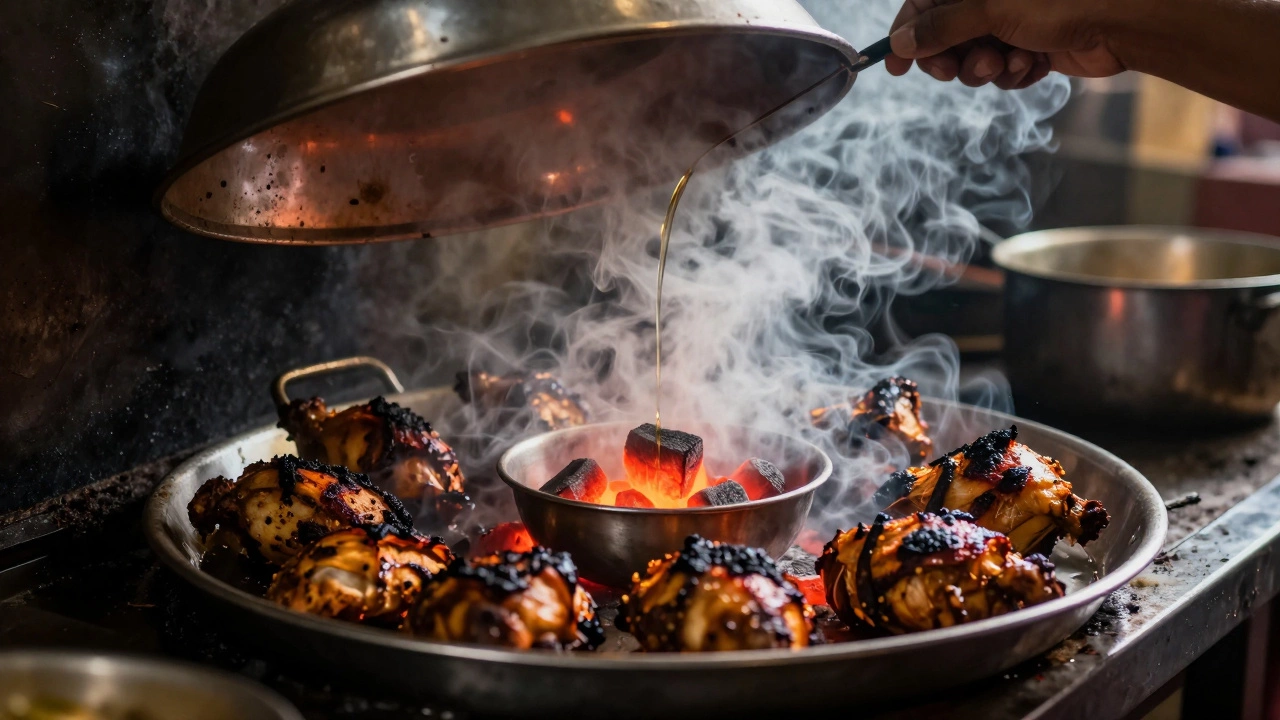
This is the hardest element to replicate at home. A traditional tandoor is a cylindrical clay oven heated by burning charcoal or wood to temperatures exceeding 900°F (480°C). The meat hangs vertically inside, roasting rapidly. The high heat causes the fats to drip onto the coals, creating bursts of flame and smoke that infuse the meat with a distinct, robust aroma. This is called dhungaar (smoke).
When you taste authentic tandoori sauce, you’re tasting smoke. It’s not artificial liquid smoke; it’s organic, woody, and slightly acrid. At home, chefs use a trick: they place a small steel bowl with hot charcoal on the plate next to the cooked chicken, pour a little oil over the coals, and cover the dish with a lid. The smoke gets trapped, permeating the meat. Without this step, your dish will taste good, but it will lack that signature "restaurant" character. It will taste like marinated grilled chicken, not tandoori chicken.
Earthiness and Aromatics: The Spice Blend
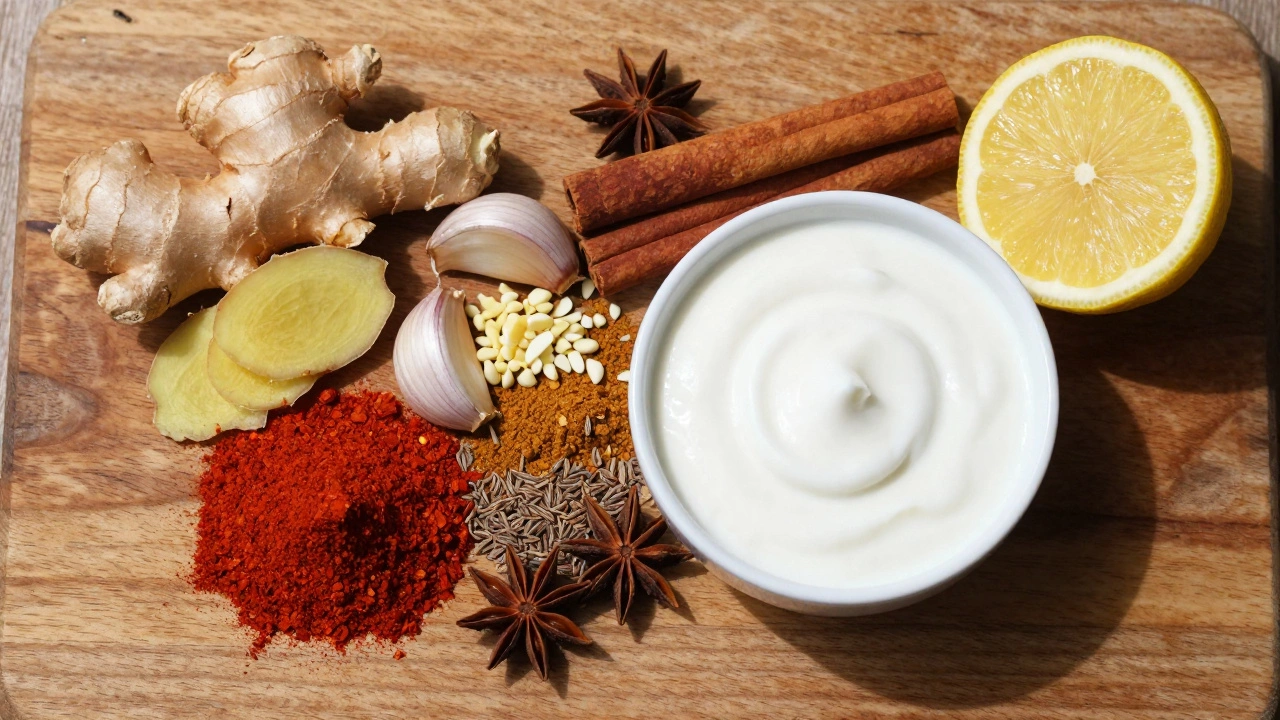
Beneath the tang and smoke lies a foundation of ground spices. Garam masala is the workhorse here. Unlike curry powder, which can be heavy on turmeric and coriander, garam masala is warmer and sweeter. It typically includes cardamom, cloves, cinnamon, black pepper, and cumin. These spices add a woody, almost perfumed quality to the sauce. Cardamom contributes a floral hint, while cloves bring a slight bitterness that rounds out the sweetness of the caramelized yogurt.
Ginger and garlic are non-negotiable. Freshly grated ginger adds a zesty, peppery kick that lifts the heavy spices. Garlic provides a pungent, savory backbone. Together, they create a fragrant aroma that wafts through the air long before you take a bite. If your tandoori mix smells flat or dusty, you likely skipped fresh aromatics and relied solely on dry powders. Always use fresh paste for the best results.
Citrus Brightness: The Final Touch
No tandoori dish is complete without lemon or lime juice. Added both during marination and squeezed fresh over the finished dish, citrus plays a crucial role in balancing the richness. Fat and acid are natural partners. The heavy creaminess of the yogurt and the rendered chicken fat need the sharp bite of lemon to keep the palate clean. Without it, the dish feels heavy and cloying. With it, each bite feels light and appetizing, encouraging you to eat more.
How to Taste-Test Your Own Version
Want to verify if your homemade tandoori sauce hits the right notes? Follow this simple checklist:
- Visual Check: Is it a vibrant orange-red? If it’s pale yellow, you need more Kashmiri chili or saffron. If it’s dark brown, you’ve added too much garam masala or let it burn.
- Scent Test: Do you smell fresh ginger and garlic? If it smells only of dried spices, your aromatics are weak.
- Texture Check: Should the coating cling to the meat? If it’s running off, your yogurt was too thin. Strain it through cheesecloth beforehand.
- Flavor Balance: Take a small bite. Can you identify the tang first? Then the warmth? Finally, the smokiness? If everything blends into one muddy taste, your spice ratios are off.
Common Mistakes That Ruin the Flavor
One major error is using tomato-based sauces. Some fusion recipes add ketchup or tomato puree to boost color and acidity. This turns the dish into a kebab-style barbecue sauce, losing the delicate yogurt profile. Another mistake is over-salting. Salt draws out moisture, which can make the marinade watery. Season lightly in the marinade and finish with salt after cooking.
Also, avoid microwaving or baking in a standard oven without modification. Standard ovens don’t reach the necessary temperatures to sear the exterior quickly. The result is steamed, rubbery chicken with a bland exterior. Use a broiler/grill setting on high, placing the rack close to the heating element, to mimic the tandoor’s radiant heat.
Is tandoori sauce spicy?
Authentic tandoori sauce is mildly spicy. It relies on Kashmiri chili powder for color and a gentle warmth, not intense heat. However, many restaurants adjust the spice level based on customer preference, so it can range from mild to very hot.
Can I make tandoori sauce vegetarian?
Yes, the marinade itself is entirely vegetarian. You can apply it to paneer, cauliflower, mushrooms, or eggplant. The flavor profile remains the same: tangy, smoky, and aromatic.
What gives tandoori chicken its red color?
The vibrant red color comes primarily from Kashmiri chili powder, which has high pigment content but low heat. Some recipes also use a tiny pinch of food-grade red food coloring or beetroot juice for extra vibrancy, though purists prefer just the chili.
How long should I marinate chicken for tandoori?
For the best flavor penetration, marinate chicken for at least 4 hours, ideally overnight (12-24 hours). The acids in the yogurt need time to break down the proteins and allow the spices to absorb deeply.
Does tandoori sauce contain gluten?
Traditional tandoori marinade is naturally gluten-free, consisting of yogurt, spices, lemon, and oil. Always check labels on pre-made spice mixes to ensure no wheat-based fillers are added.
