Best Garam Masala Substitutes for Authentic Biryani
 Apr, 14 2026
Biryani Spice Substitute Calculator
Select the mix based on what you have in your pantry:
The Balanced Blend
Closest match to authentic flavor. Use if you have a well-stocked pantry.
The Quick Swap
Minimalist approach for those missing floral notes.
The Curry Pivot
Emergency option. Adjusts for high turmeric levels.
Your Custom Mixture:
Quick Tips for Substitutes
- If you have whole spices (cardamom, cloves, cinnamon), use those first-they are actually better for biryani.
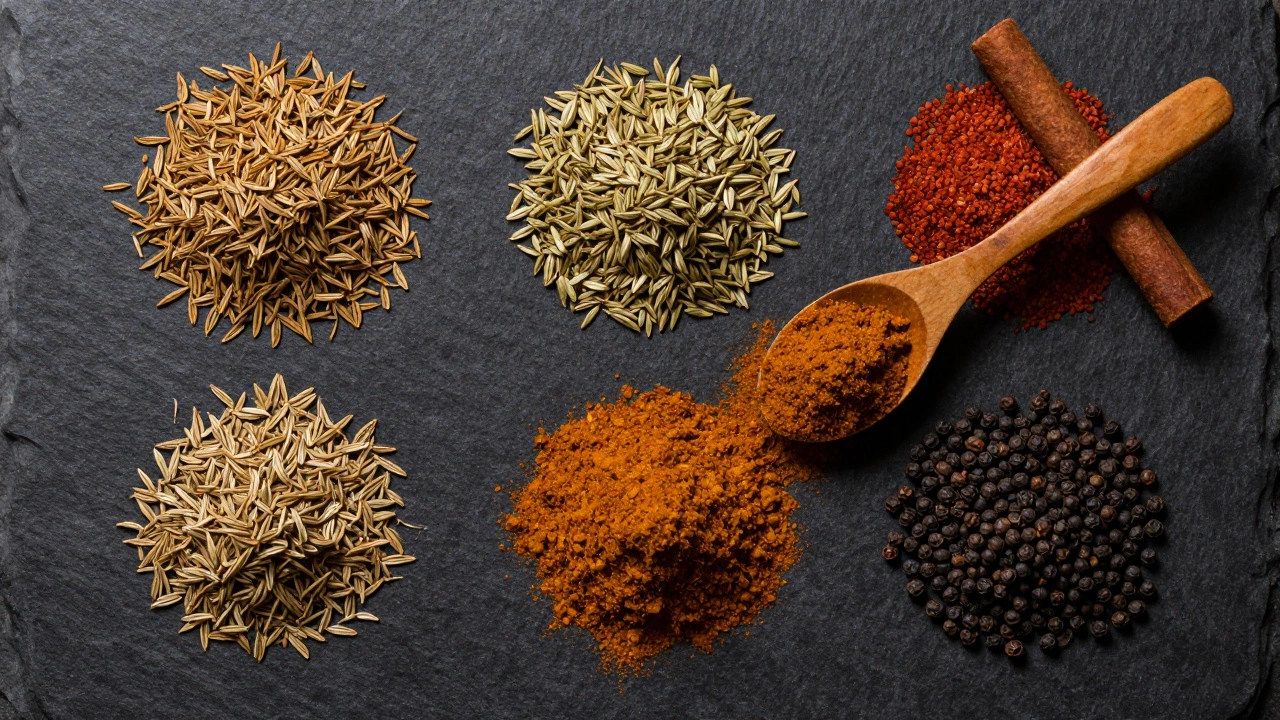
- If you only have ground spices, mix cinnamon, cumin, and coriander in equal parts.
- Avoid using "Curry Powder" as a direct 1:1 swap; it often contains turmeric and fenugreek which can change the color and taste of your biryani.
- Add a pinch of nutmeg or mace for that "restaurant-style" aroma.
Understanding the Flavor Profile of Garam Masala
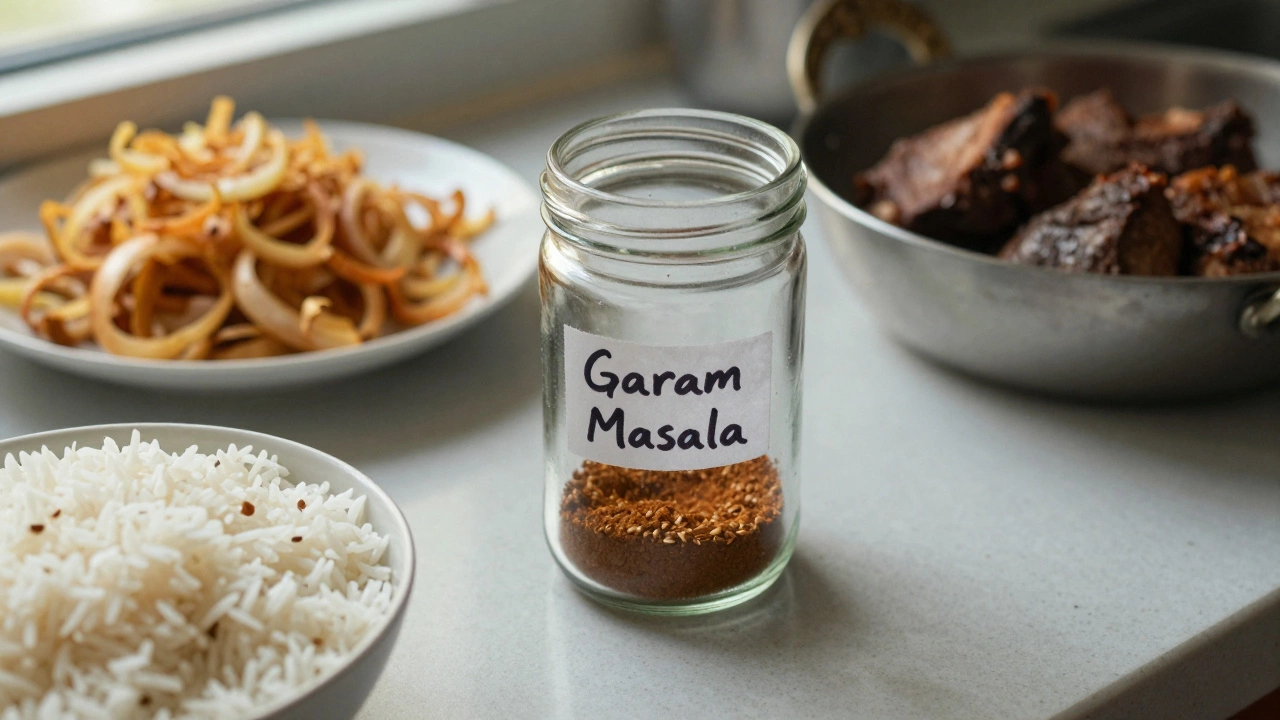
Before we swap things out, we need to know what we're replacing. Garam Masala is a blend of ground spices common in Indian cuisine, designed to provide "warmth" (garam) to a dish. Unlike many spice mixes, there is no single standard recipe. Some versions are heavy on cloves, while others lean into black pepper or cinnamon.
In a biryani, this mix doesn't just add heat; it provides a deep, earthy base that cuts through the richness of the ghee and meat. If you're looking for a garam masala substitute, you're essentially trying to recreate this aromatic bridge between the savory meat and the fluffy Basmati Rice.
The Best DIY Pantry Mixes
If you don't have the pre-made blend, you can build your own using ground spices. Depending on what you have in your cupboard, choose one of these three paths:
Option 1: The Balanced Blend (Closest Match)
This is your best bet for a traditional flavor. Mix these in equal parts:
- Ground Cumin
- Ground Coriander
- Ground Cinnamon
- Ground Cardamom (if available)
- Black Pepper
Option 2: The Quick Swap (Minimalist)
Can't find cardamom or coriander? Just use a mix of 2 parts cumin, 1 part cinnamon, and 1 part black pepper. It won't have the same floral notes, but it will provide the necessary warmth and depth.
Option 3: The "Curry Powder" Pivot
If you only have Curry Powder, you can use it, but be careful. Curry powder usually contains a lot of turmeric, which can turn your biryani an unnatural bright yellow. To fix this, use half the amount of curry powder called for and add an extra pinch of cinnamon and cloves to bring back that sweet-spicy biryani aroma.
| Substitute | Flavor Profile | Best For... | Risk Factor |
|---|---|---|---|
| Whole Spices | Fresh, Intense | Authentic Dum Biryani | Low (Just don't overdo it) |
| Cumin/Cinnamon Mix | Warm, Earthy | Quick Weeknight Meals | Medium (Lacks floral notes) |
| Curry Powder | Salty, Turmeric-heavy | Emergency only | High (Color change) |
Using Whole Spices: The Pro Move
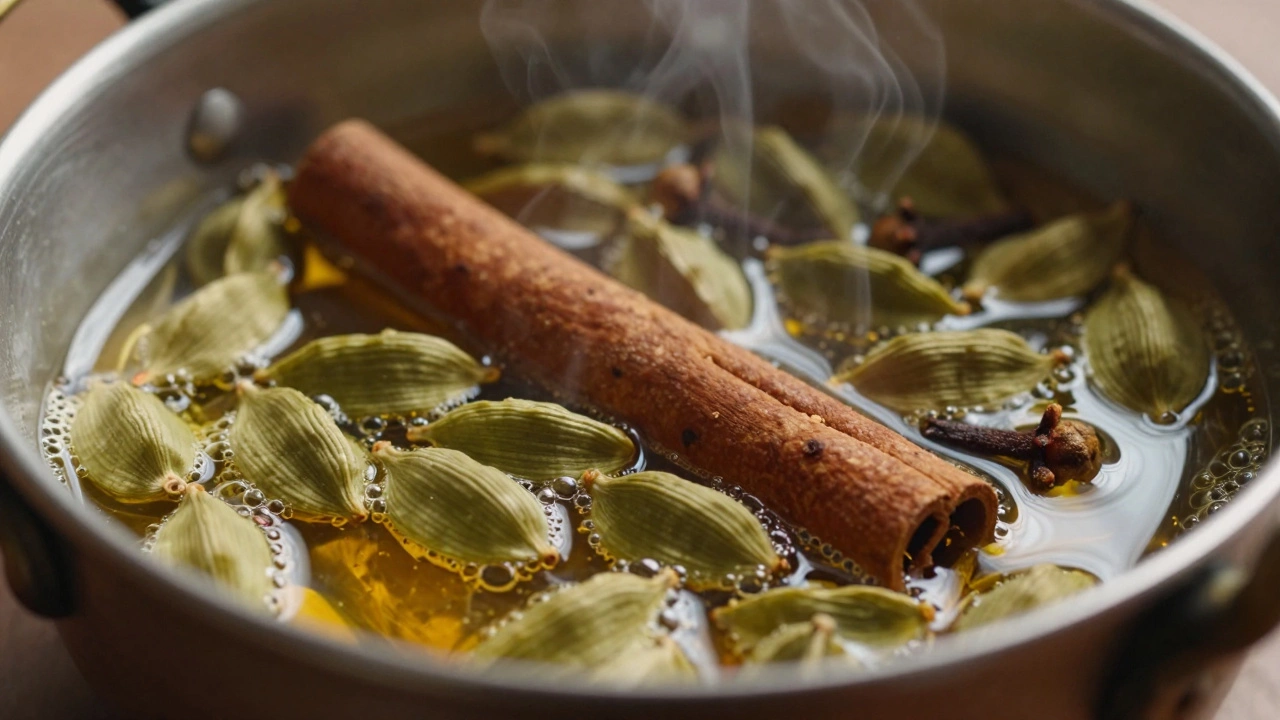
Here is a secret: most professional chefs avoid pre-ground garam masala in biryani because it loses potency quickly. They use Whole Spices during the initial frying stage. If you have these in your pantry, forget the powder entirely.
Start by heating oil or ghee in your pot. Toss in 3-4 green cardamom pods, 2-3 cloves, a 2-inch piece of cinnamon stick, and a few peppercorns. Let them sizzle for 30 seconds until they smell fragrant. This process, known as tempering, releases the essential oils and creates a much more complex flavor than any powder ever could. If you do this at the start, you can actually skip the garam masala at the end of the recipe without noticing a huge difference.
Common Mistakes When Substituting Spices
It's easy to assume that "spice is spice," but in a delicate dish like biryani, a few wrong moves can ruin the pot. First, avoid using Allspice as a direct replacement. While it sounds like it covers everything, it has a distinct clove-like flavor that can become overwhelming if you use too much.
Second, watch out for the salt. Many pre-made spice mixes, especially store-bought curry powders, have added salt. If you use these as a substitute, taste your marinade before adding more salt to the pot. You don't want a salty biryani.
Finally, don't confuse Cumin with Caraway. They look similar in seed form, but caraway has a licorice taste that belongs in rye bread, not in a Hyderabadi biryani. If you're using seeds, double-check the label.
How to Store Your Spices for Next Time
To prevent another "empty jar" emergency, store your spices in airtight containers away from the stove. The heat and steam from your cooktop break down the volatile oils in spices, making them taste flat. If you can, buy whole seeds and grind them yourself using a mortar and pestle or a small coffee grinder. Freshly ground spices are about 30% more potent than the stuff that's been sitting on a supermarket shelf for six months.
Can I use cinnamon and cloves alone?
You can, but the flavor will be very one-dimensional. Cinnamon and cloves provide the sweetness and warmth, but you need cumin or coriander to provide the earthy, savory base that balances the dish. Try to add at least one other savory spice.
What if I don't have any of the listed substitutes?
If you are completely out of warm spices, focus on the aromatics. Increase the amount of ginger and garlic paste in your marinade and add a bit more black pepper. It won't be a traditional biryani, but it will still be a delicious, savory rice dish.
Is there a difference between Garam Masala and Biryani Masala?
Yes. Garam masala is a general-purpose warm spice blend. Biryani masala is specifically designed for rice dishes and often includes mace, nutmeg, and sometimes a bit of dried mint or extra coriander to make it more fragrant and complex.
How much substitute should I use for 1 tablespoon of garam masala?
If using the Balanced Blend (Cumin, Coriander, Cinnamon, Cardamom), use a 1:1 ratio. If using Curry Powder, use about 2 teaspoons and supplement with extra cinnamon or cloves to avoid the turmeric taste taking over.
Can I use paprika as a substitute?
No. Paprika adds color and a mild sweetness, but it lacks the "warmth" and aromatic depth of garam masala. It won't replace the flavor, though it can help with the color of the meat.
Next Steps for Your Cooking Journey
Now that you've saved your meal, consider upgrading your spice game. If you're regularly making Indian dishes, the best move is to buy a small bag of each whole spice: cinnamon sticks, green cardamom pods, cloves, and cumin seeds. They last for years and always taste better than the powdered version.
If you're feeling adventurous, try adding a tiny pinch of crushed Saffron soaked in warm milk to your rice. This doesn't replace the garam masala, but it adds a luxury floral note that makes any substitute blend taste like it came from a high-end restaurant.
