Best Indian Foods That Are Easy on the Stomach
 Apr, 21 2026
Indian Gut-Friendly Meal Planner
Select a base meal and customize your additions to see the impact on your "Gut Comfort Score." Aim for a high score when your stomach is sensitive!
1. Choose Your Base Meal
2. Add Gut-Friendly Boosters
Gut Comfort Score: 0%
Select a mealQuick Guide to Gut-Friendly Indian Eating
- Prioritize: Moong dal, steamed rice, yogurt, and ginger.
- Limit: Heavy creams, fried papadums, and excessive red chili powder.
- Swap: Replace refined flour (maida) with rice flour or oats.
- Method: Steam or sauté instead of deep-frying.
The Magic of Khichdi: The Ultimate Comfort Meal
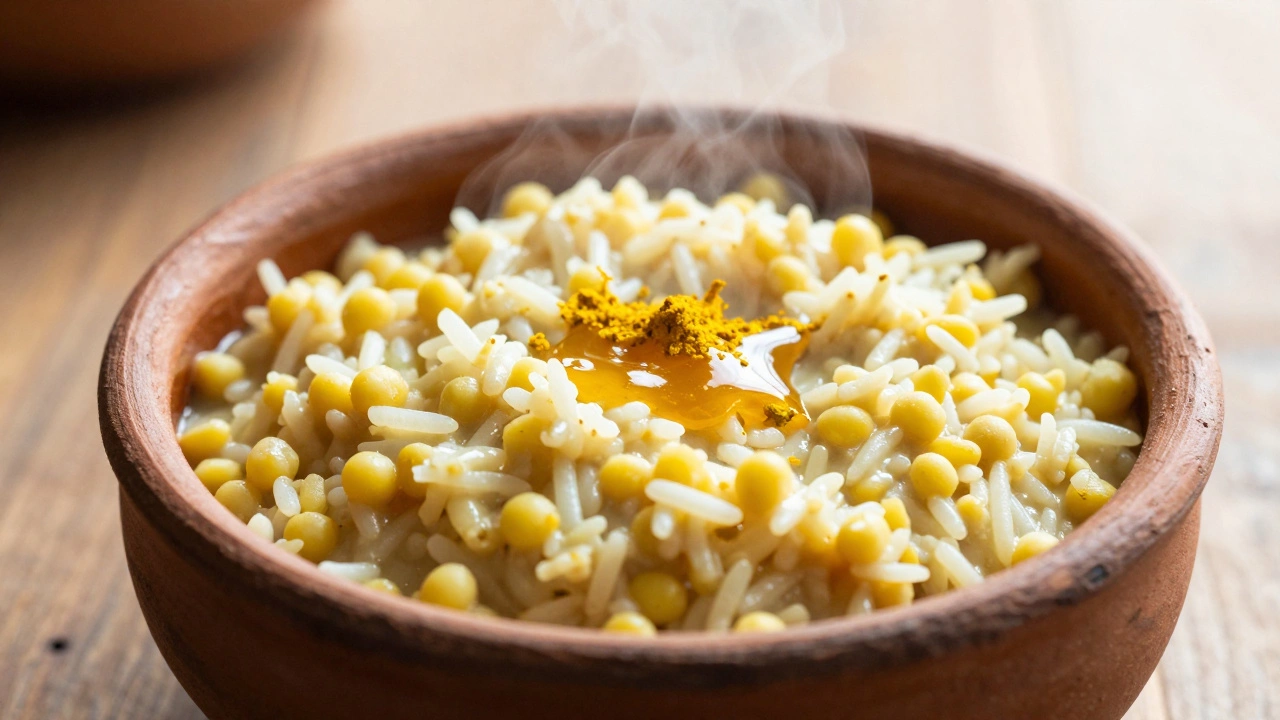
If you ask any Indian grandmother what to eat when you're feeling sick, the answer is always Khichdi. It is basically a one-pot meal made from Rice and Moong Dal (split yellow mung beans). Unlike chickpeas or kidney beans, moong dal is incredibly easy to break down, making it a gold standard for anyone with a sensitive stomach.
The beauty of this dish is its simplicity. When you cook it with a pinch of turmeric and a tiny bit of ghee, it becomes a prebiotic powerhouse. Ghee helps lubricate the digestive lining, while turmeric acts as a natural anti-inflammatory. If you're really struggling, keep it plain. If you're just looking for something light, add a few carrots or spinach leaves for extra nutrients without adding bulk that's hard to digest.
Why Curd Rice is a Gut Savior
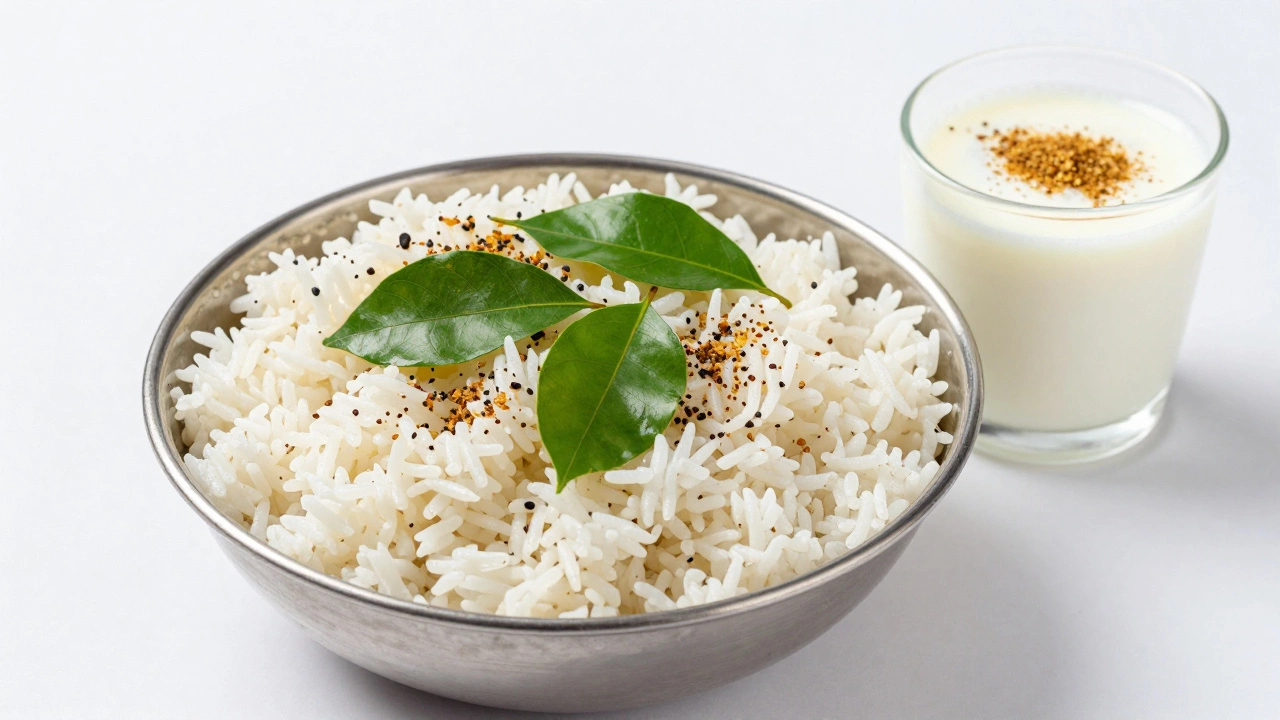
When your stomach is acting up, you need probiotics. That's where Curd Rice (or Thayir Sadam) comes in. This South Indian staple combines soft-cooked rice with Yogurt. The fermentation process in the yogurt provides natural probiotics that help balance your gut flora.
The cooling effect of the yogurt offsets the heat of other spices, which is why it's often served at the end of a meal to settle the stomach. For the best results, avoid adding too many tempered spices. A few mustard seeds and a curry leaf in a drop of oil are enough to add flavor without irritating your stomach lining. It's essentially the Indian version of a bland diet, but with way more flavor.
Gentle Lentils and Legumes
Not all dals are created equal. While Rajma (kidney beans) or Chana (chickpeas) are delicious, they contain complex sugars called oligosaccharides that can cause gas. If you want digestible indian food, stick to the yellow lentils. Yellow Moong Dal is the most hypoallergenic and easiest to digest of all legumes.
To make your lentils even easier on the gut, try soaking them for at least 30 minutes before cooking. This reduces the phytic acid, which can interfere with nutrient absorption and cause bloating. Using a pressure cooker or an Instant Pot ensures the beans are completely soft, which does half the digestive work for your stomach before the food even hits your plate.
| Ingredient | Digestibility | Main Benefit | Best For... |
|---|---|---|---|
| Moong Dal | Very High | Low Gas / High Protein | Recovery & sensitive guts |
| Basmati Rice | High | Low Residue / Energy | Quick energy, bloating |
| Ghee | Medium | Lubricates Intestines | Reducing acidity |
| Paneer | Low to Medium | Satiety | Those who tolerate dairy |
| Chickpeas | Low | Fiber/Protein | Healthy guts only |
Vegetables and Sides That Won't Cause Bloat
Cruciferous vegetables like cauliflower and cabbage are staples in Indian cooking (think Aloo Gobi), but they are notorious for causing gas. If you're looking for something easy on the stomach, pivot toward gourd-based vegetables. Bottle Gourd (Lauki) and Ridge Gourd are mostly water and very soft on the digestive system.
Avoid the heavy frying. Instead of a deep-fried Pakora, try a simple sauté of carrots and beans with cumin seeds. Cumin is a known carminative, meaning it helps expel gas from the digestive tract. Using fresh ginger in your cooking instead of dried ginger powder also provides a more soothing effect on the stomach lining, helping with nausea and motion sickness.
The Role of Spices in Digestion
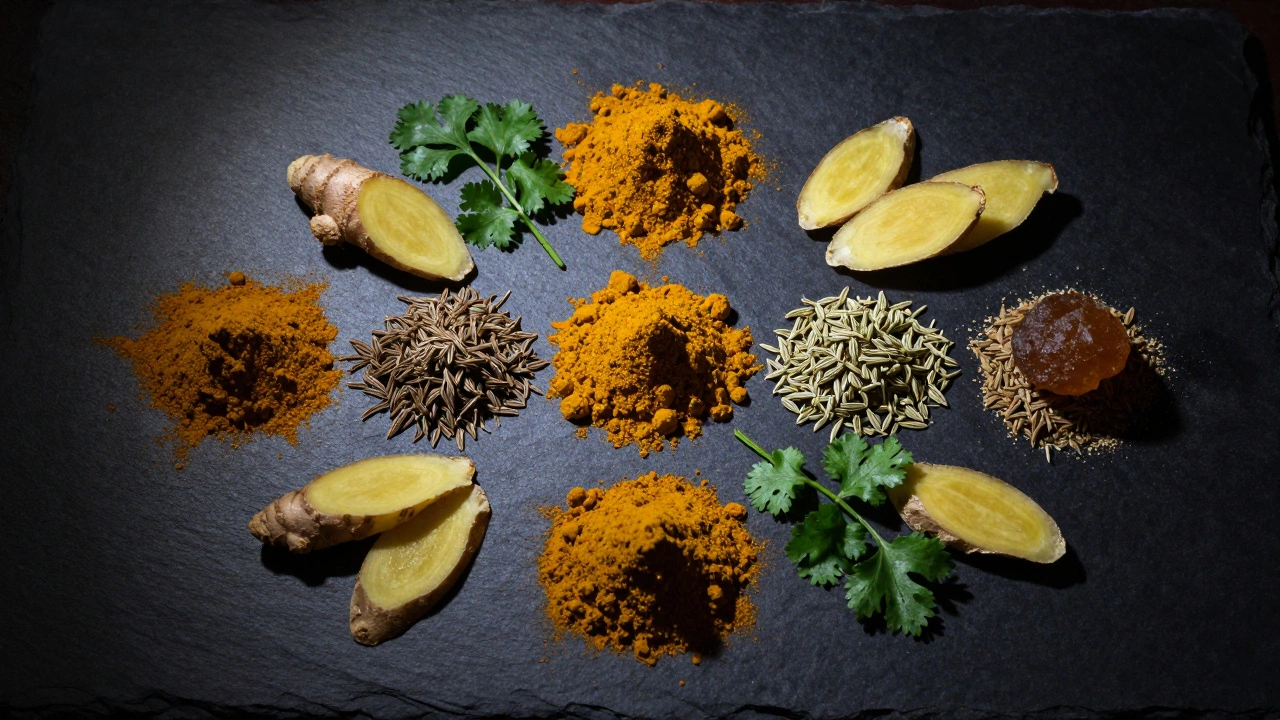
It's a common misconception that all spices irritate the stomach. In reality, many Indian spices are used specifically to aid digestion. The key is the difference between flavoring spices and heating spices.
- Cumin (Jeera): Stimulates digestive enzymes.
- Fennel (Saunf): Relaxes the muscles in the gut to stop cramping.
- Turmeric (Haldi): Reduces inflammation in the intestinal wall.
- Asafoetida (Hing): A powerful tool to prevent gas, especially when cooking beans.
The spices to watch out for are red chili powder and excessive black pepper. These can trigger acid reflux or heartburn. If you want a kick without the pain, try a small amount of fresh coriander or a squeeze of lime for brightness.
Avoiding the Common Pitfalls
Even if you pick a gentle dish, the way it's prepared can ruin the experience. Many restaurant versions of "easy" dishes are loaded with butter, heavy cream, or processed oils. These fats slow down digestion significantly, leaving food to sit in your stomach longer, which leads to that heavy, bloated feeling.
At home, focus on the "Tadka" (tempering). Instead of using half a cup of oil, use a teaspoon of ghee. This gives you the aromatic benefits of the spices without the greasy residue. Also, be mindful of your bread. While Naan is delicious, it's made from refined flour and yeast, which can be a nightmare for people with gluten sensitivity or IBS. A simple Roti (whole wheat flatbread) or a rice pancake is much easier for the body to process.
Can I eat Indian food if I have IBS?
Yes, but you need to be selective. Avoid high-FODMAP ingredients like onions and garlic in large quantities. Focus on Moong Dal khichdi and steamed rice. Use ginger and cumin to help move digestion along and avoid heavy creams or deep-fried items.
Is Basmati rice better than Brown rice for a sensitive stomach?
Generally, yes. While brown rice has more nutrients, its outer husk contains more fiber and phytic acid, which can be harder to digest during a flare-up. White Basmati rice is very low-residue and is often the safest bet for an upset stomach.
What is the best Indian drink for digestion?
Buttermilk (Chaas) is the gold standard. It's a diluted version of yogurt mixed with water, cumin powder, and a pinch of salt. It's hydrating, provides probiotics, and the cumin helps reduce bloating.
Why does Moong Dal cause less gas than other lentils?
Moong dal has a simpler protein structure and fewer complex sugars (oligosaccharides) compared to kidney beans or chickpeas. This makes it much easier for your gut bacteria to break down without producing excess gas.
Are all Indian spices safe for an upset stomach?
No. While cumin, turmeric, and fennel are soothing, hot chilies, excessive black pepper, and garam masala can irritate the stomach lining and worsen acid reflux. Stick to the "cooling" spices when your gut is sensitive.
Next Steps for Your Meal Plan
If you're transitioning back to a normal diet after a stomach bug, start with a bowl of plain Khichdi for one meal. Once you feel stable, introduce Curd Rice to bring probiotics back into your system. Only after a few days of stability should you move back to more complex vegetables or heavier proteins like paneer or chicken.
For those with chronic sensitivity, keep a food diary. Note if the bloating happens with specific lentils or if it's related to the amount of oil used. You might find that you can handle the spices, but the refined flour in the naan is the real culprit. Switching to homemade, small-batch meals is the most reliable way to enjoy these flavors without the aftermath.
