Is It OK to Eat Paneer Every Day? Nutrition, Risks, and How to Balance It
 May, 29 2026
Daily Paneer Nutrition Calculator
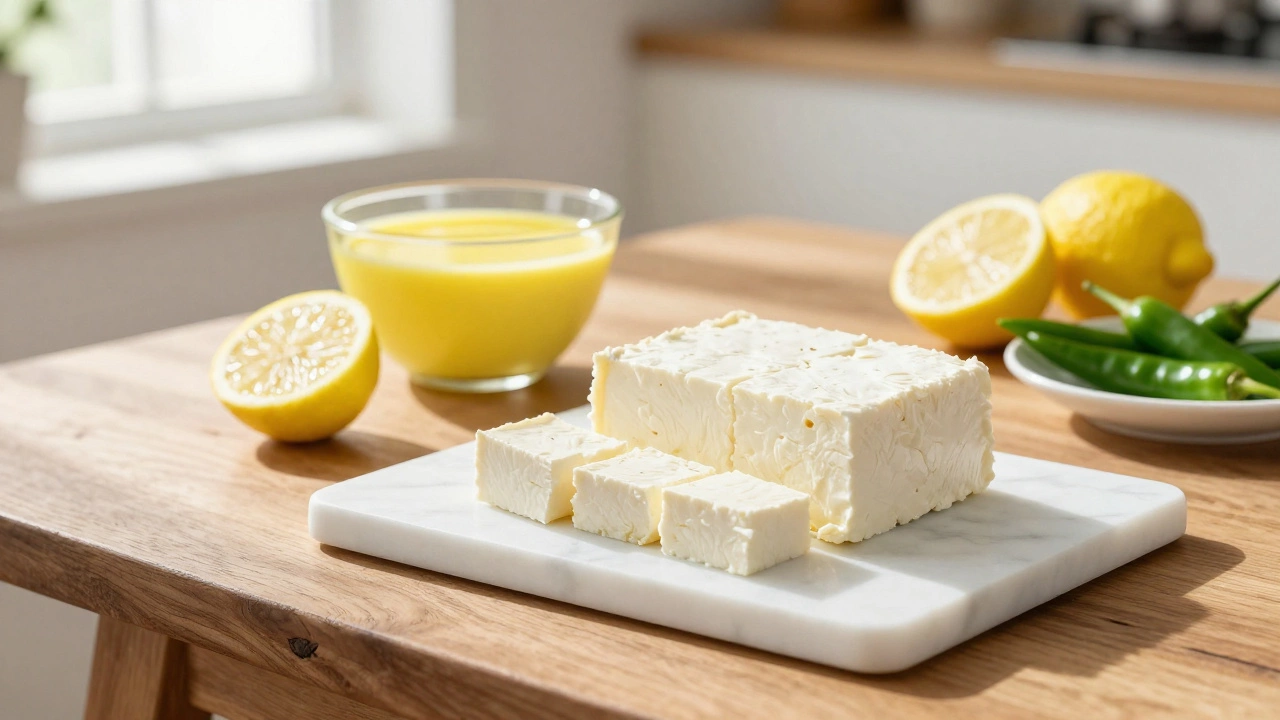
Picture this: you wake up, grab a slice of fresh paneer is a fresh, unaged Indian cottage cheese made by curdling milk with an acid like lemon juice or vinegar. for breakfast. You toss some into your lunch curry. Maybe you even snack on it in the evening. It’s creamy, it’s filling, and it’s packed with protein. But then the doubt creeps in. Is eating this dairy product every single day actually good for you, or are you setting yourself up for health issues?
The short answer? For most healthy adults, yes, it is perfectly fine to eat paneer daily. In fact, it can be a nutritional powerhouse. However, "fine" comes with conditions. The amount matters, the source matters, and your personal body chemistry plays a huge role. If you treat paneer like water-drinking gallons of it without thinking-you might run into trouble. Let’s break down exactly what happens when you make this white brick a staple of your diet.
The Nutritional Powerhouse: Why We Love It
To understand if you should eat it daily, we first need to look at what’s inside. Paneer is not just empty calories. It is dense with nutrients that many people struggle to get from plant-based sources alone.
| Nutrient | Amount (Approximate) | Benefit |
|---|---|---|
| Protein | 18-20 grams | Muscle repair, satiety, metabolism boost |
| Fat | 15-20 grams | Energy source, hormone production (mostly saturated) |
| Calcium | 200-250 mg | Bone density, nerve function |
| Carbohydrates | 1-2 grams | Low glycemic impact, keto-friendly |
| Calories | 260-300 kcal | Dense energy, requires portion control |
That protein content is the star here. If you are vegetarian, finding high-quality complete proteins can sometimes feel like a scavenger hunt. Paneer steps in as a reliable ally. One cup of cubed paneer gives you nearly half the daily protein requirement for an average adult. This makes it excellent for maintaining muscle mass, especially if you exercise regularly.
Then there is the calcium. Unlike processed cheeses that lose nutrients during aging and heating, fresh Indian cottage cheese retains much of the milk's original mineral profile. Strong bones don’t happen overnight, but consistent calcium intake helps prevent osteoporosis later in life. Plus, since it is low in carbs, it fits neatly into almost any dietary framework, from Keto to general balanced eating.
The Hidden Costs: Saturated Fat and Calories
Here is where the "every day" part gets tricky. Paneer is calorie-dense. Because it is made from full-fat milk (usually), it carries a significant load of saturated fat. While recent science has softened its stance on saturated fat being the devil it once was, it still needs respect.
If you eat 200 grams of paneer a day-that’s about two large handfuls-you are looking at roughly 600 calories and 40 grams of fat. Just from one food item. Now, add your cooking oil, your rice, your snacks, and your dinner. It becomes very easy to exceed your daily caloric needs without realizing it. Weight gain is not because paneer is "bad," but because it is easy to overconsume due to its lack of strong flavor until seasoned.
Furthermore, the saturated fat content can impact cholesterol levels in certain individuals. Some people are "hyper-responders" to dietary cholesterol and saturated fats. For them, daily heavy consumption of full-fat dairy might raise LDL (bad) cholesterol. If you have a family history of heart disease or high cholesterol, you shouldn't assume daily paneer is safe without checking your blood work.
Digestive Health: Lactose and Gut Comfort
Let’s talk about the gut. Even though paneer is a fresh cheese, it still contains lactose-the sugar found in milk. However, the process of making paneer involves draining the whey, which holds most of the lactose. This means paneer is significantly lower in lactose than milk or yogurt.
For many people with mild lactose intolerance, paneer is a surprising savior. You can often eat it without the bloating or gas that a glass of milk would cause. But "mild" is the keyword here. If you are severely lactose intolerant, even the residual lactose in paneer might trigger symptoms. Pay attention to how your body feels an hour after eating it. Bloating, cramping, or loose stools are clear signs to cut back or switch to lactose-free alternatives.
On the flip side, if you are sensitive to casein (the main protein in milk), paneer will be a problem regardless of the lactose content. Casein sensitivity is less common than lactose intolerance but can cause inflammation and digestive distress. If you notice skin issues or joint pain after dairy-heavy days, keep this in mind.
Homemade vs. Store-Bought: Does Source Matter?
Absolutely. When asking if it’s okay to eat paneer daily, the quality of the paneer changes the equation entirely. There is a massive difference between the block you buy from the supermarket and the batch you make at home.
Store-bought paneer often contains preservatives to extend shelf life. Some brands use additives like citric acid or sodium citrate instead of natural lemon juice or vinegar. While these are generally safe, they change the chemical profile slightly. More concerning is the potential for adulteration in unregulated markets, where cheaper fillers might be used. Eating processed foods daily adds unnecessary chemical load to your body.
Homemade paneer, on the other hand, is transparent. You know the milk came from a trusted source. You know you used fresh lemon juice. You control the churning time, ensuring it isn’t too dry or too wet. Making it at home also allows you to adjust the fat content. Want lighter paneer? Use skimmed milk or drain the whey longer. Want richer taste? Use whole milk and handle it gently. This control makes daily consumption much safer and healthier.
Who Should Avoid Daily Paneer?
While paneer is great for many, it is not a universal superfood. Certain groups need to be cautious:
- People with Kidney Stones: Paneer is high in oxalates and calcium. For those prone to calcium-oxalate kidney stones, high intake of both can increase risk. Consult a doctor before making it a daily habit.
- Individuals with Gout: While paneer is low in purines compared to meat, the high protein load can stress the kidneys in severe cases. Moderation is key.
- Those Trying to Lose Weight Aggressively: Due to the calorie density, tracking portions is mandatory. Untracked daily paneer can stall weight loss efforts.
- Strict Vegans or Dairy Allergies: Obviously, avoid completely. Look for tofu or soy-based alternatives instead.
How to Eat Paneer Daily Safely
If you love paneer and want to keep it in your daily rotation, you don’t have to quit cold turkey. You just need to strategize. Here is how to balance the pros and cons:
- Control the Portion: Stick to 50-100 grams per day. That’s about one cup of cubes. This gives you the protein and calcium without overwhelming your system with fat and calories.
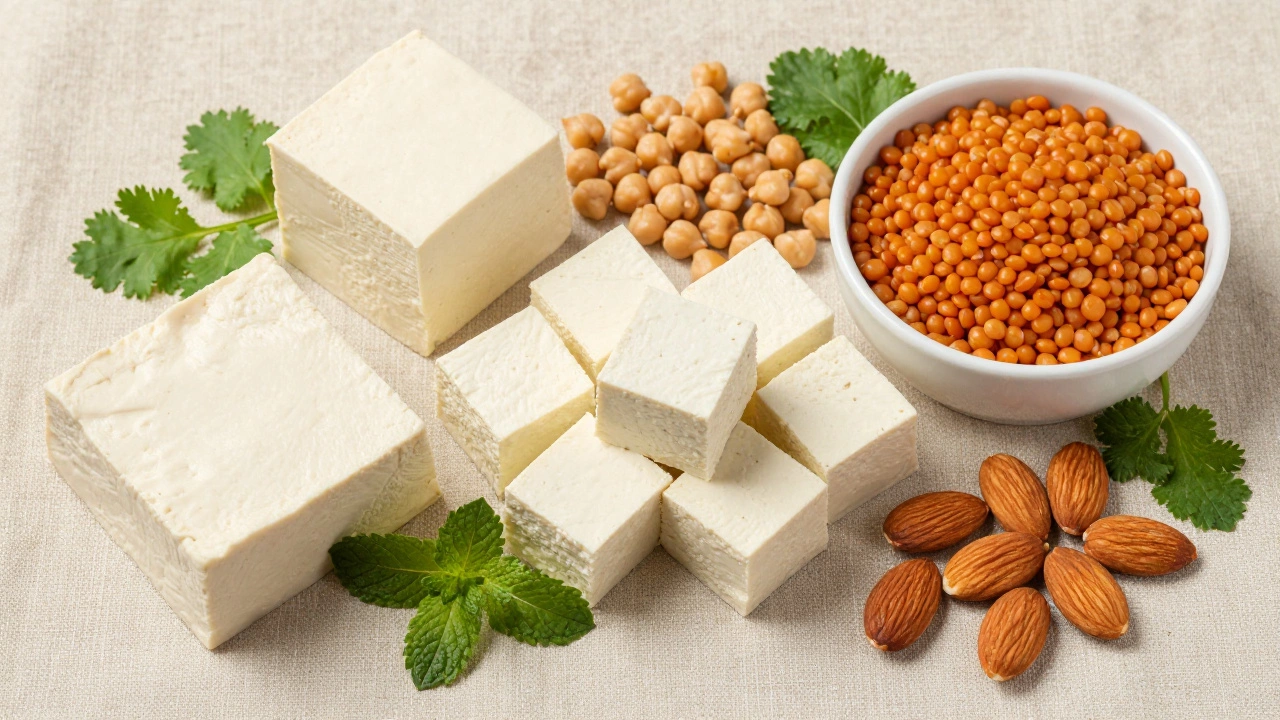
- Vary Your Protein Sources: Don’t let paneer be your only protein. Rotate it with lentils (dal), chickpeas, beans, quinoa, and nuts. This ensures you get a wider range of amino acids and reduces the burden on your kidneys and digestion.
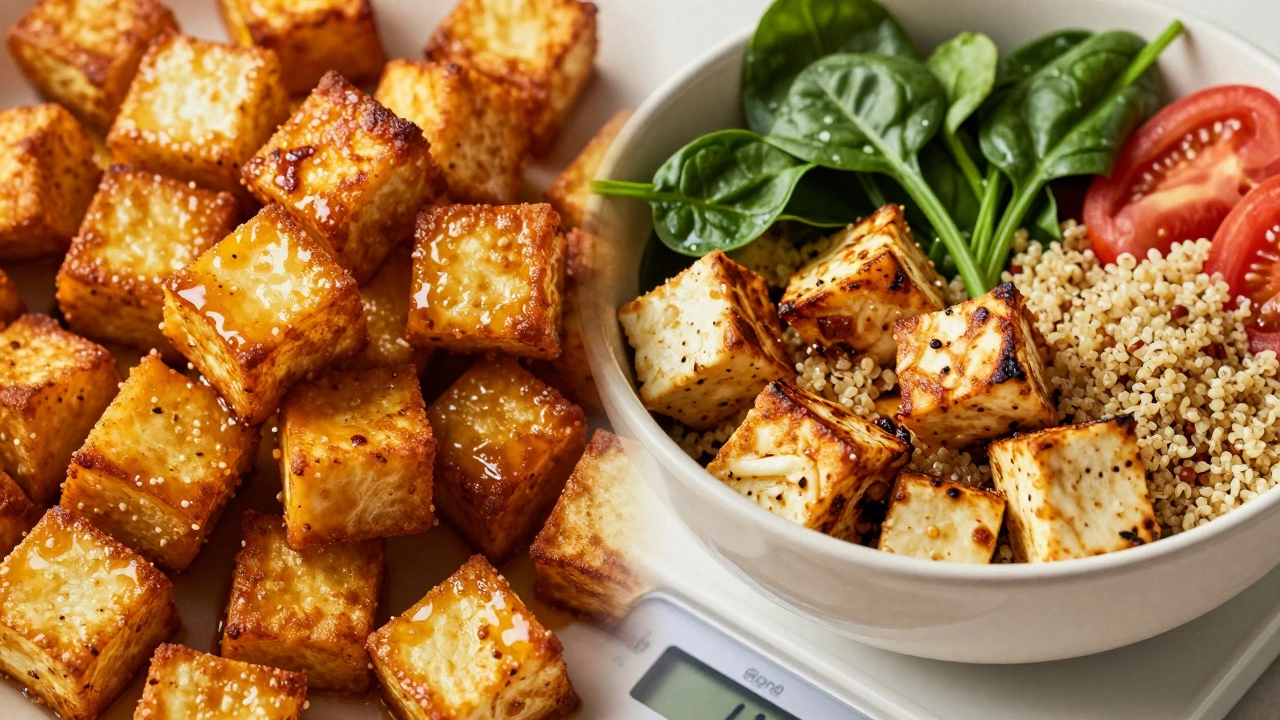
- Watch the Cooking Method: Frying paneer in deep oil turns a healthy ingredient into a calorie bomb. Opt for grilling, baking, sautéing with minimal oil, or adding it raw to salads. Air-frying is also a great modern alternative.
- Pair with Fiber: Always eat paneer with vegetables or whole grains. The fiber helps slow down the absorption of fats and sugars, keeping your blood sugar stable and aiding digestion. A paneer salad with spinach and tomatoes is far better than plain paneer with white bread.
- Listen to Your Body: Keep a simple journal. Note your energy levels, digestion, and mood. If you feel sluggish or bloated after daily paneer, scale back to three times a week.
Alternatives for Variety
If you find yourself bored of paneer or worried about the dairy load, there are excellent substitutes that mimic its texture and protein content:
- Tofu: Often called "Chinese paneer," tofu is made from soybeans. It is lower in saturated fat and cholesterol-free. It absorbs flavors well and is great for stir-fries.
- Cottage Cheese (Ricotta style):** If you are open to different textures, ricotta or fresh mozzarella can offer variety. They are often lower in fat than traditional paneer.
- Lentil Patties: Made from black chickpeas or kidney beans, these provide high fiber and protein without any dairy.
Incorporating these alternatives keeps your diet diverse and prevents nutrient imbalances. Diversity is the secret sauce to long-term health.
Can I eat paneer every night for dinner?
Yes, but ensure it is part of a balanced meal. Avoid heavy, oily preparations late at night as they can disrupt sleep and digestion. A light paneer stir-fry with vegetables is a good option. Keep the portion size moderate (under 100g) to prevent indigestion.
Does homemade paneer have fewer calories than store-bought?
Not necessarily fewer calories, but often more accurate. Store-bought paneer may have added preservatives or varying fat contents depending on the brand. Homemade paneer allows you to control the milk fat percentage. Using skimmed milk to make paneer will result in a significantly lower calorie count.
Is paneer good for weight loss?
It can be, if portion-controlled. Paneer is high in protein, which increases satiety and helps maintain muscle mass during calorie deficits. However, its high calorie density means you must track your intake carefully. Overeating paneer can easily lead to weight gain.
What are the side effects of eating too much paneer?
Excessive consumption can lead to weight gain due to high calories and saturated fat. It may also cause digestive issues like bloating or constipation in those sensitive to lactose or casein. Long-term excessive intake could potentially impact cholesterol levels in susceptible individuals.
Can vegetarians rely solely on paneer for protein?
No, relying solely on one source is not recommended. While paneer is a complete protein, a varied diet including legumes, nuts, seeds, and grains provides a broader spectrum of essential amino acids, vitamins, and minerals. Diversity supports better overall health and prevents nutrient deficiencies.
