Is Paneer Bad for Gut Health? The Truth About Digestion, Lactose, and Homemade Options
 Jul, 14 2026
Paneer Digestion Suitability Checker
Your Profile
Result
Enter your details to see how well paneer fits your gut health.
You’ve probably heard the advice: "Eat yogurt for your gut." It’s everywhere. But when it comes to paneer, a staple in Indian cuisine known as fresh cheese, the narrative gets murkier. Some people swear it causes bloating, while others eat it daily with no issues. So, is paneer bad for gut health?
The short answer is no. For most people, paneer is not inherently bad for your digestive system. In fact, it can be quite gentle compared to other dairy products. However, the reality depends heavily on how the paneer was made, whether you are sensitive to lactose, and what else you are eating with it. Let’s break down the science of digestion, the role of fat, and why homemade paneer might just be the secret weapon for a happy gut.
The Lactose Factor: Why Paneer Is Often Easier to Digest
To understand if paneer fits into your diet, we first need to talk about lactose. Lactose is the sugar found in milk. Many adults struggle to digest it because their bodies produce less lactase, the enzyme needed to break it down. When undigested lactose hits the large intestine, bacteria ferment it, leading to gas, bloating, and discomfort.
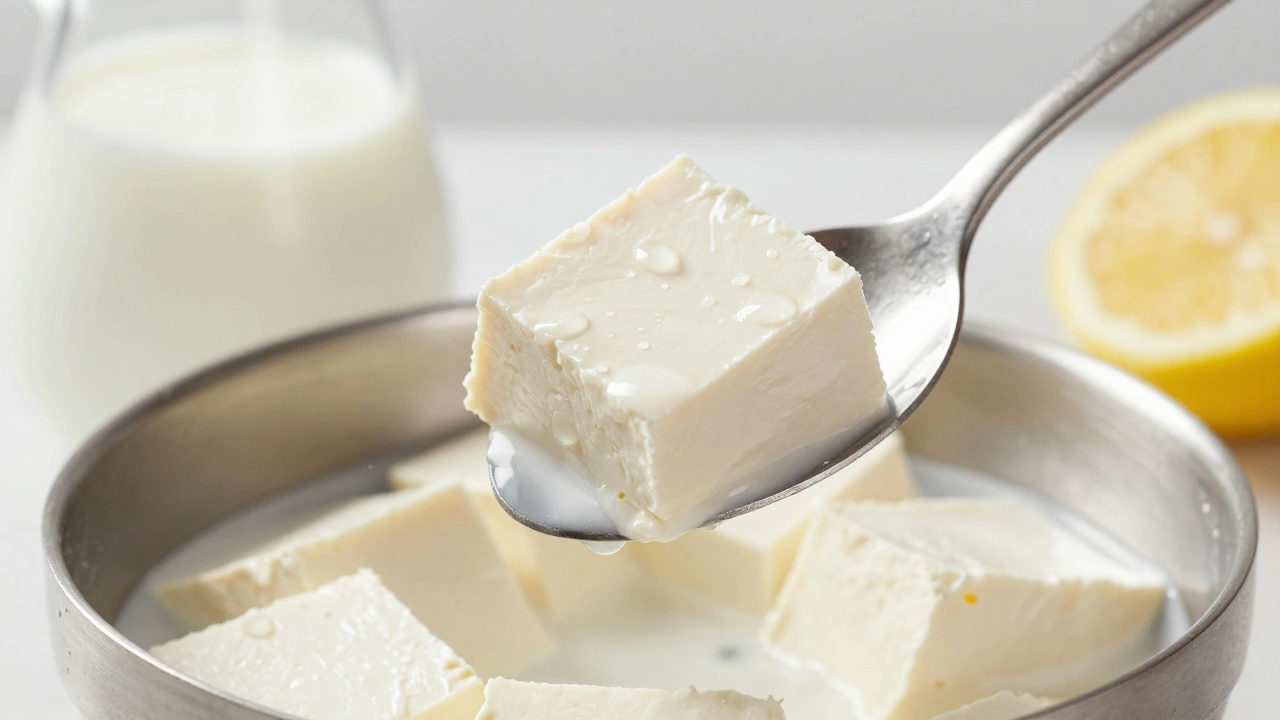
Here is where paneer stands out. Unlike drinking a glass of milk or eating soft ricotta, making paneer involves curdling milk with an acid like lemon juice or vinegar. This process separates the solids (the curds) from the liquids (the whey). Most of the lactose stays in the whey. As a result, paneer has significantly lower lactose content than fluid milk.
If you have mild lactose intolerance, you might find that you can handle a serving of paneer without the usual stomach ache. It’s not zero-lactose like hard aged cheeses (cheddar or parmesan), but it is much lower than fresh mozzarella or cream cheese. For many, this makes it a viable dairy option that doesn’t wreck their day.
Fat Content and Gastric Emptying
While lactose gets all the blame for digestive distress, fat plays a huge role too. Paneer is naturally high in saturated fat, especially if it is made from full-cream milk. Fat slows down gastric emptying-the process by which food leaves your stomach and enters the small intestine.
Why does this matter? If you eat a heavy, oily paneer dish late at night, that fat sits in your stomach longer. For some, this leads to feelings of heaviness or sluggishness, which they might mistake for "bad gut health." It’s not necessarily inflammation or infection; it’s just physics. High-fat foods take more work for your body to process.
This is particularly relevant for people with conditions like gallbladder issues or slow motility disorders. In these cases, the density of paneer can trigger symptoms. However, for a healthy digestive system, the fat in paneer provides satiety and helps absorb fat-soluble vitamins (A, D, E, K) from other vegetables in your meal.
Homemade vs. Store-Bought: The Hygiene and Additive Gap
This is where the story changes dramatically. Not all paneer is created equal. The difference between store-bought paneer and homemade paneerfreshly prepared cottage cheese made at home using milk and an acidic agent like lemon juice or vinegar can mean the difference between a smooth digestion and a tummy ache.
Store-bought paneer often contains preservatives to extend shelf life. More importantly, commercial production varies widely in hygiene standards. If the water used to rinse the curds isn’t clean, or if the handling introduces bacteria, you risk consuming pathogens. Even low-level bacterial contamination can irritate the gut lining, causing diarrhea or cramping that has nothing to do with the cheese itself.
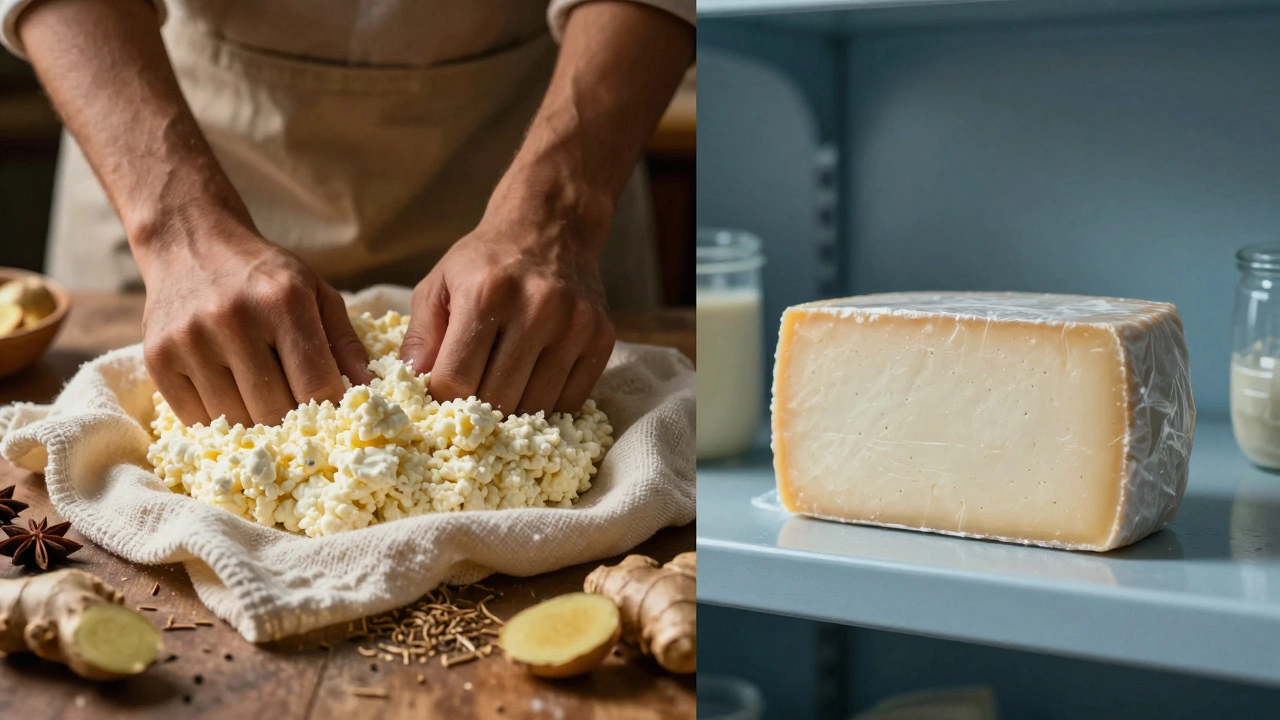
When you make paneer at home, you control every variable. You use boiled milk, fresh lemon juice, and clean hands. You press it lightly so it retains moisture but isn’t rock-hard. This freshness means fewer additives and a lower risk of spoilage. Your gut recognizes this purity. There are no hidden stabilizers or artificial colors to confuse your microbiome.
Probiotics and the Missing Link
We love to talk about probiotics-good bacteria that support gut health. Yogurt (dahi) and kefir are packed with them. Paneer, however, is cooked during the curdling process. The heat kills off any beneficial bacteria present in the raw milk. So, paneer itself is not a source of probiotics.
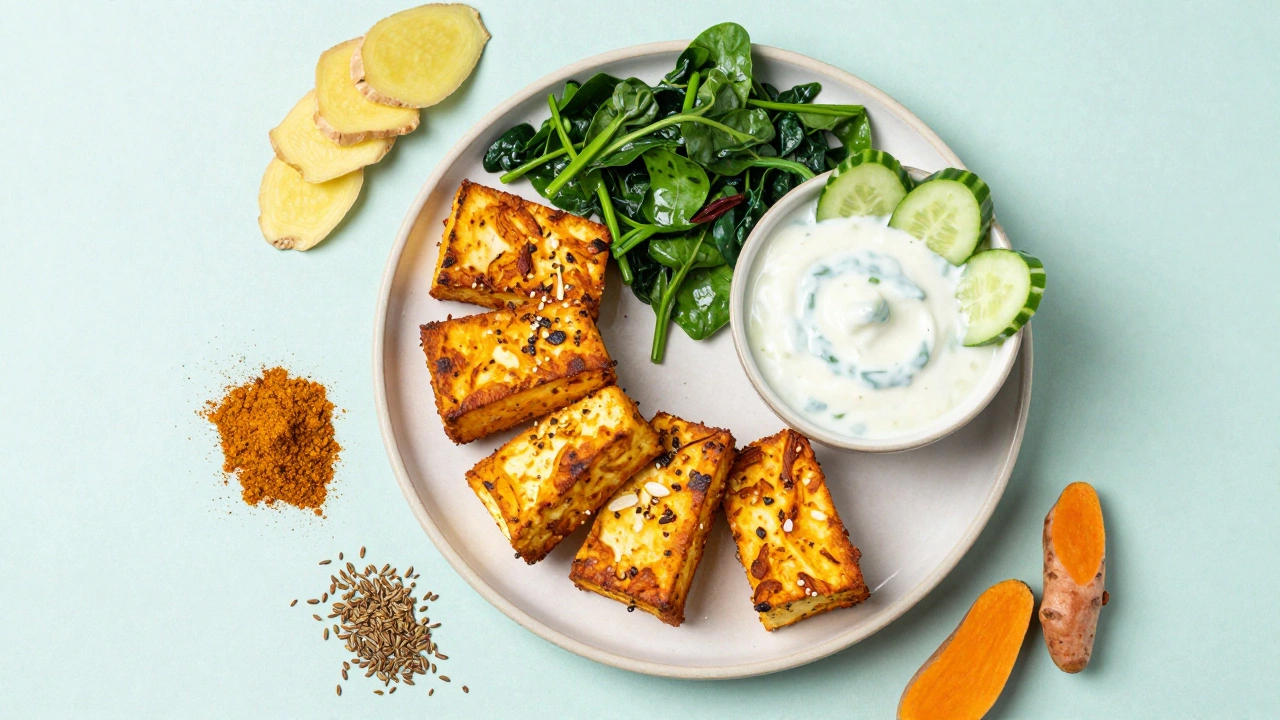
Does this make it bad for your gut? No. It just means it’s neutral. It doesn’t add good bacteria, but it also doesn’t kill the ones you already have, provided you don’t overdo the spices. Think of paneer as a blank canvas. It’s up to you to pair it with gut-friendly sides. A classic example is serving paneer tikka with a side of raita (yogurt sauce). The yogurt brings the probiotics; the paneer brings the protein and texture. Together, they create a balanced meal.
Spices: The Real Culprits Behind Bloating
Often, when people say paneer hurts their gut, they are actually reacting to the dish it’s cooked in. Traditional Indian paneer recipes are rich in spices. While spices like cumin, coriander, and turmeric are anti-inflammatory and good for digestion, others can be harsh.
Chili peppers, excessive garlic, and heavy amounts of garam masala can irritate the stomach lining, especially if you have acid reflux or gastritis. If you eat fiery paneer butter masala and feel burning or bloating, don’t blame the cheese. Blame the capsaicin in the chilies or the acidity of the tomato base.
To keep your gut happy, opt for milder preparations. Steam-cooked paneer dishes or those tempered with gentle spices like asafoetida (hing)-which is excellent for reducing gas-are much easier on the system. Asafoetida is a traditional Ayurvedic remedy specifically used to aid digestion and reduce flatulence.
How to Make Gut-Friendly Homemade Paneer
Making paneer at home is surprisingly simple and ensures you get the freshest, most digestible product possible. Here is a quick guide to making it right:
- Boil Fresh Milk: Use full-cream milk for best results. Bring it to a rolling boil.
- Add Acid: Slowly add lemon juice or white vinegar while stirring gently. You will see the curds separate from the whey.
- Strain Immediately: Pour the mixture through a muslin cloth. Rinse the curds under cold running water to stop the cooking process and remove the sour taste of the lemon.
- Press Lightly: Tie the cloth and hang it for 15-30 minutes. Do not press it too hard unless you want a dense block. A softer paneer is easier to chew and digest.
- Use Within 2 Days: Fresh paneer spoils quickly. Eat it soon to avoid any bacterial growth.
This method ensures the paneer is free from preservatives and overly processed elements. It’s pure casein and fat, exactly as nature intended.
| Dairy Product | Lactose Level | Probiotic Content | Digestibility Note |
|---|---|---|---|
| Paneer | Low | None (Cooked) | Gentle for mild intolerance; watch fat intake |
| Yogurt (Dahi) | Medium-Low | High | Excellent for gut flora; pre-digested lactose |
| Whole Milk | High | None | Hard to digest for lactose intolerant individuals |
| Aged Cheddar | Negligible | None | Very low lactose, but high fat/salt |
Who Should Avoid Paneer?
While paneer is generally safe, there are specific groups who should be cautious:
- Severe Lactose Intolerance: If even a trace of lactose causes severe reactions, paneer may still trigger symptoms due to residual sugars.
- Gallbladder Disease: The high saturated fat content can stimulate bile release, potentially causing pain if you have gallstones.
- Casein Sensitivity: Rare, but some people are allergic to casein, the primary protein in paneer. This causes immune responses, not just digestive upset.
- Kidney Issues: Paneer is high in phosphorus and protein. Those with chronic kidney disease need to monitor intake carefully.
Tips for Better Digestion
If you want to enjoy paneer without the bloat, try these practical tips:
- Pair with Fiber: Eat paneer with leafy greens or whole grains. Fiber helps move food through the digestive tract, counteracting the slowing effect of fat.
- Drink Water: Stay hydrated. Protein metabolism requires water, and dehydration can lead to constipation.
- Chew Thoroughly: Paneer is dense. Chewing breaks it down mechanically before it reaches your stomach, easing the workload on your enzymes.
- Add Ginger or Cumin: These spices stimulate digestive enzymes and reduce gas.
Can I eat paneer if I am lactose intolerant?
Yes, many people with mild to moderate lactose intolerance can tolerate paneer well. Since the curdling process removes most of the lactose-rich whey, paneer has significantly less lactose than milk. However, if your intolerance is severe, start with a small portion to test your tolerance.
Is homemade paneer healthier than store-bought?
Generally, yes. Homemade paneer allows you to control the ingredients, ensuring no preservatives or artificial additives are included. It also guarantees better hygiene practices, reducing the risk of bacterial contamination that can upset the stomach. Plus, it’s fresher, which aids digestion.
Does paneer cause bloating?
Paneer itself rarely causes bloating unless you are sensitive to its fat or lactose content. More often, bloating comes from the spices or oils used in cooking. Heavy, fried paneer dishes combined with spicy sauces can slow digestion and trap gas. Opt for lighter, steamed, or grilled preparations with mild spices.
Can I eat paneer every day?
For most healthy adults, eating paneer daily in moderation (around 100g) is fine. It provides high-quality protein and calcium. However, due to its saturated fat content, it’s wise to rotate it with other protein sources like lentils, chicken, or tofu to maintain a balanced diet and avoid excessive calorie intake.
What is the best way to digest paneer?
To aid digestion, chew your food thoroughly and pair paneer with fiber-rich vegetables. Adding digestive spices like cumin, ginger, or asafoetida to your recipe can help break down fats and proteins more efficiently. Avoid eating large portions of paneer late at night when your metabolism slows down.
