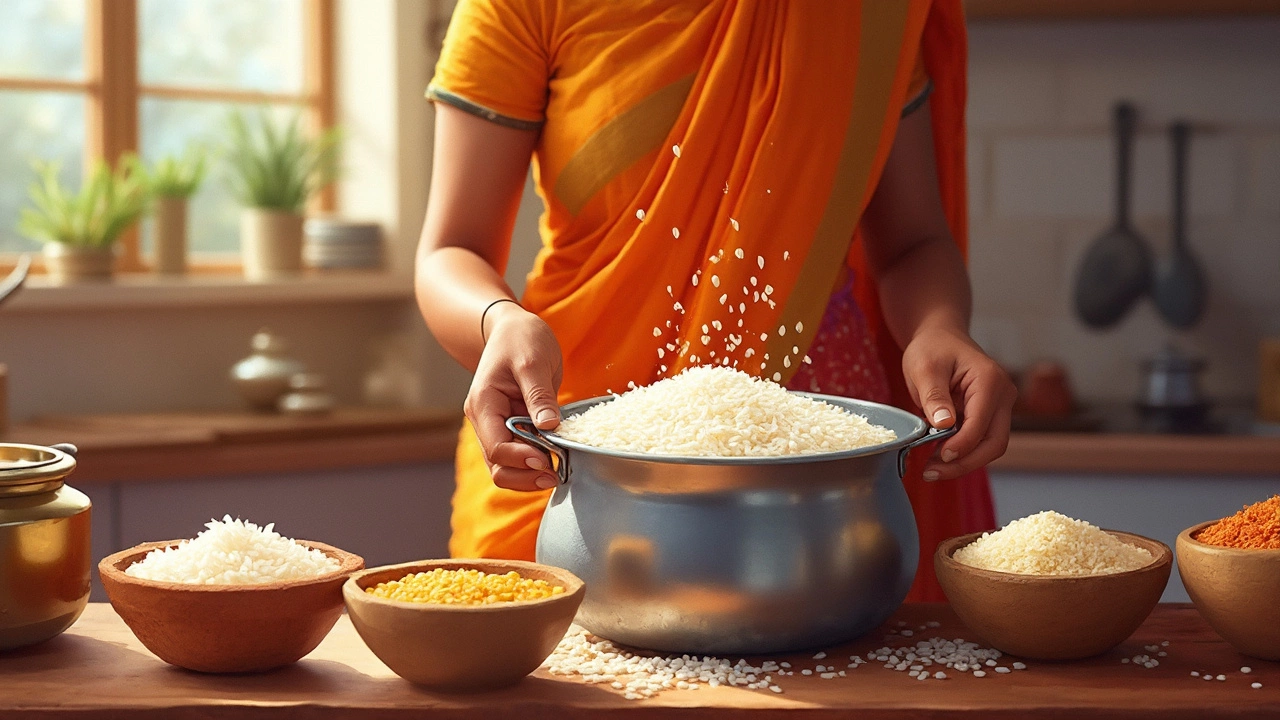
Batter Tips: Perfect Dosa, Idli, and Indian Fermented Batters Every Time
When you're making batter, a fermented mixture of rice and lentils used in South Indian cooking. Also known as dosa batter or idli batter, it's the foundation of some of India’s most loved breakfast foods. Getting it right isn’t about following a rigid recipe—it’s about understanding how ingredients behave together. The difference between a crisp, golden dosa and a soggy, flat one comes down to just a few key things: the urad dal to rice ratio, the proportion of black gram lentils to rice that determines fluffiness and structure, proper fermentation, the natural process where microbes break down starches and produce gas, making the batter light and airy, and knowing when to add baking soda, a quick leavening agent used only if fermentation falls short.
Most people mess up batter because they treat it like regular baking. You can’t just mix and cook. Fermentation needs warmth, time, and patience. In colder climates, you might need to place the batter near a warm oven or wrap it in a towel. Too much baking soda? You’ll taste it—bitter and chemical. Too little? Your dosa won’t puff. The magic number for dosa batter is usually 1 part urad dal to 3 parts rice, but that’s just a starting point. The real test is texture: after fermentation, it should stretch like thick yogurt and smell slightly sour, like yogurt left out overnight. If it smells off or doesn’t rise at all, start over. And don’t skip soaking the lentils and rice separately—they absorb water differently. That’s why the best cooks measure by volume, not weight.
These aren’t just tips—they’re the rules that separate home cooks from those who make batter that gets asked for at every family gathering. You’ll find posts here that break down exactly how much baking soda to use, why your idli turns hard, how to fix a batter that won’t ferment, and what happens when you swap rice for semolina or oats. Some of these tricks come from decades of kitchen experience, not cookbooks. Whether you’re trying to make your first dosa or you’ve been at it for years and still get inconsistent results, the posts below give you the real, no-fluff answers. No theory. No guesswork. Just what works.