Cancel Bitterness in Indian Cooking: How to Fix Bitter Flavors in Spices, Chutneys, and Dosa Batter
When your dosa tastes bitter, your chutney turns sour, or your garam masala leaves a metallic aftertaste, it’s not the spices’ fault—it’s how they were handled. Cancel bitterness, the practical act of neutralizing unpleasant bitter notes in Indian dishes using simple kitchen techniques. It’s not magic, and you don’t need fancy tools. Just the right fix at the right time. Bitterness doesn’t come from bad ingredients. It comes from too much baking soda, over-toasted spices, or unbalanced fermentation. And it’s way more common than you think.
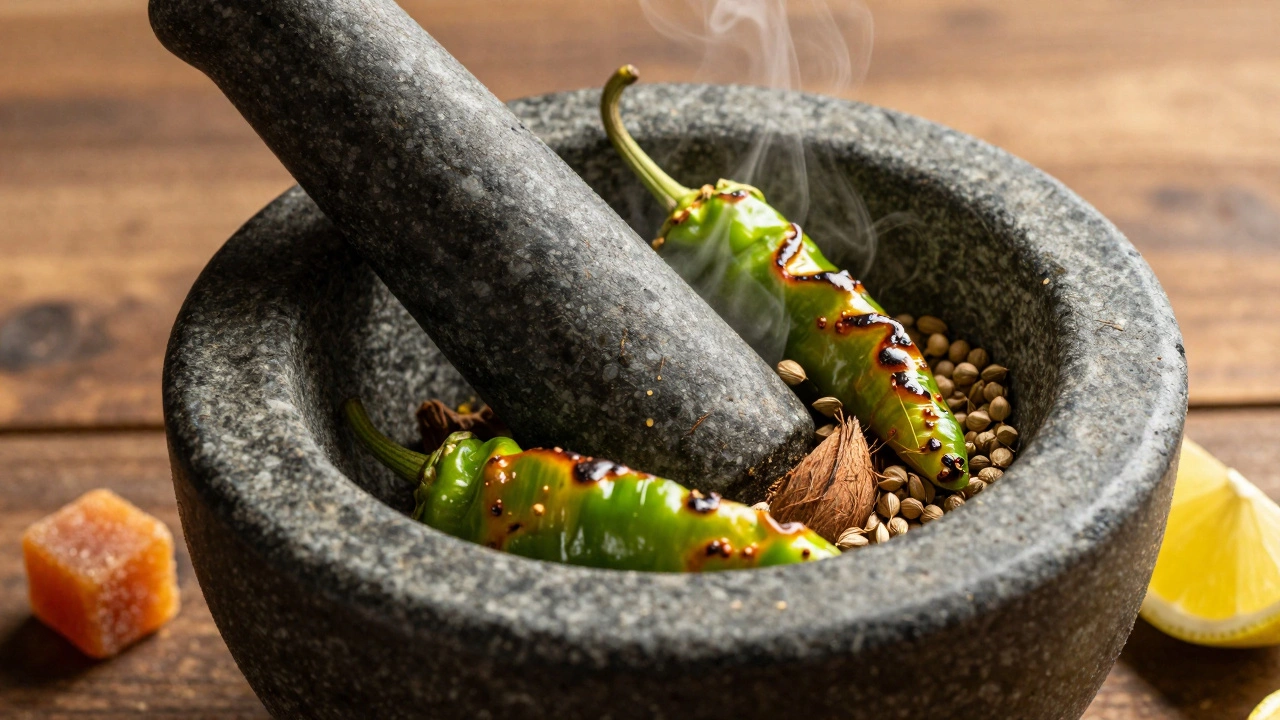
Baking soda, a leavening agent often used in dosa and idli batter to speed up fermentation is the usual suspect. Add too much, and it turns your crispy dosa into a chalky, bitter mess. The fix? Stick to 1/8 teaspoon per cup of batter. Too little? Your dosa won’t puff. Too much? It tastes like soap. Garam masala, a warm spice blend used in curries, biryanis, and stews across India can turn bitter if the cloves, cardamom, or cinnamon are burnt during roasting. Toast them low and slow, and grind them fresh. And then there’s chutney, a tangy, spicy condiment made from herbs, tamarind, or coconut, often served with snacks. If your mint or coriander chutney tastes bitter, it’s likely the stems or too much raw garlic. Blend with a pinch of sugar or a splash of lemon juice to balance it out.
These aren’t random fixes. They’re the same tricks used in homes from Chennai to Delhi. You don’t need a chef’s degree to fix bitterness—you just need to know what’s causing it. The posts below show you exactly how to handle bitter dosa batter, how to roast spices without scorching them, why your tamarind chutney turned sour, and how to tell if your jaggery or turmeric is the real culprit. No guesswork. No wasted food. Just clear, step-by-step fixes that work the first time.