Indian Flatbread: Soft Roti, Crispy Paratha, and More Everyday Bread Recipes
When you think of Indian food, you might picture spicy curries or fragrant biryanis—but the real MVP? Indian flatbread, a staple dough-based food eaten daily across India, from village homes to city kitchens. Also known as chapati, it’s the silent partner that scoops, wraps, and soaks up everything on your plate. It’s not fancy. No yeast. No oven. Just flour, water, salt, and heat. Yet it’s the one thing that turns a meal into a ritual.
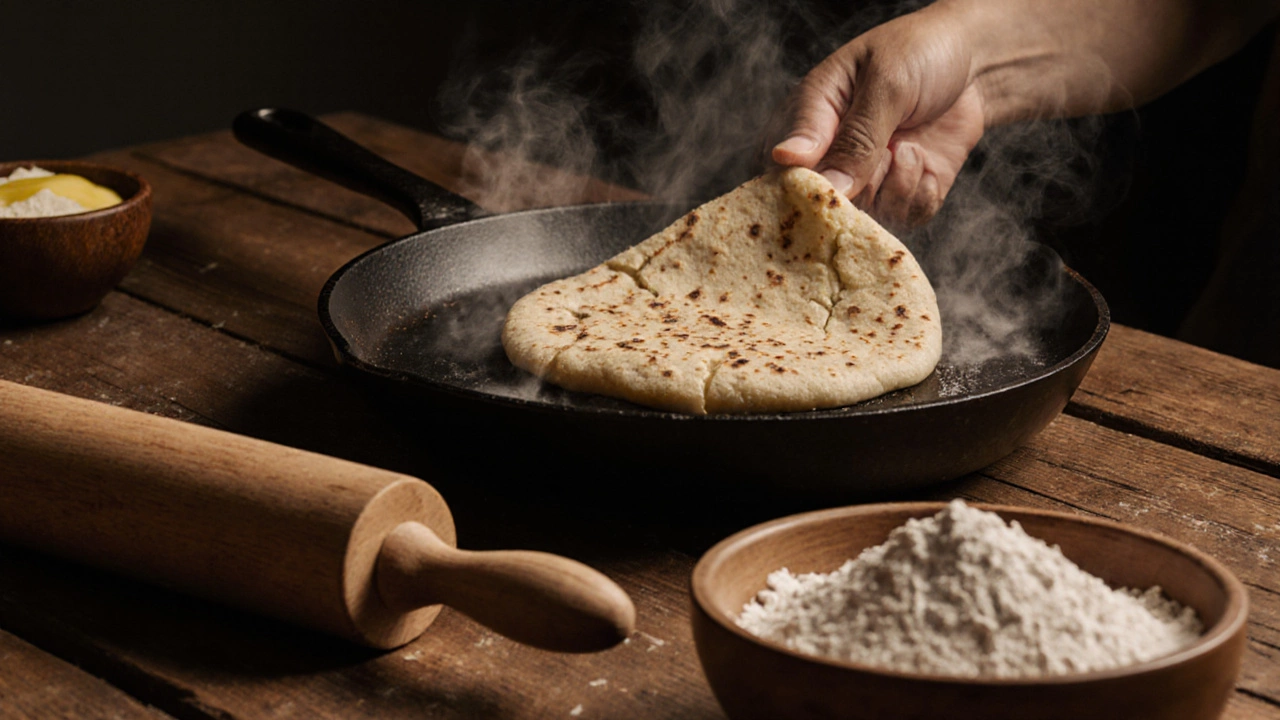
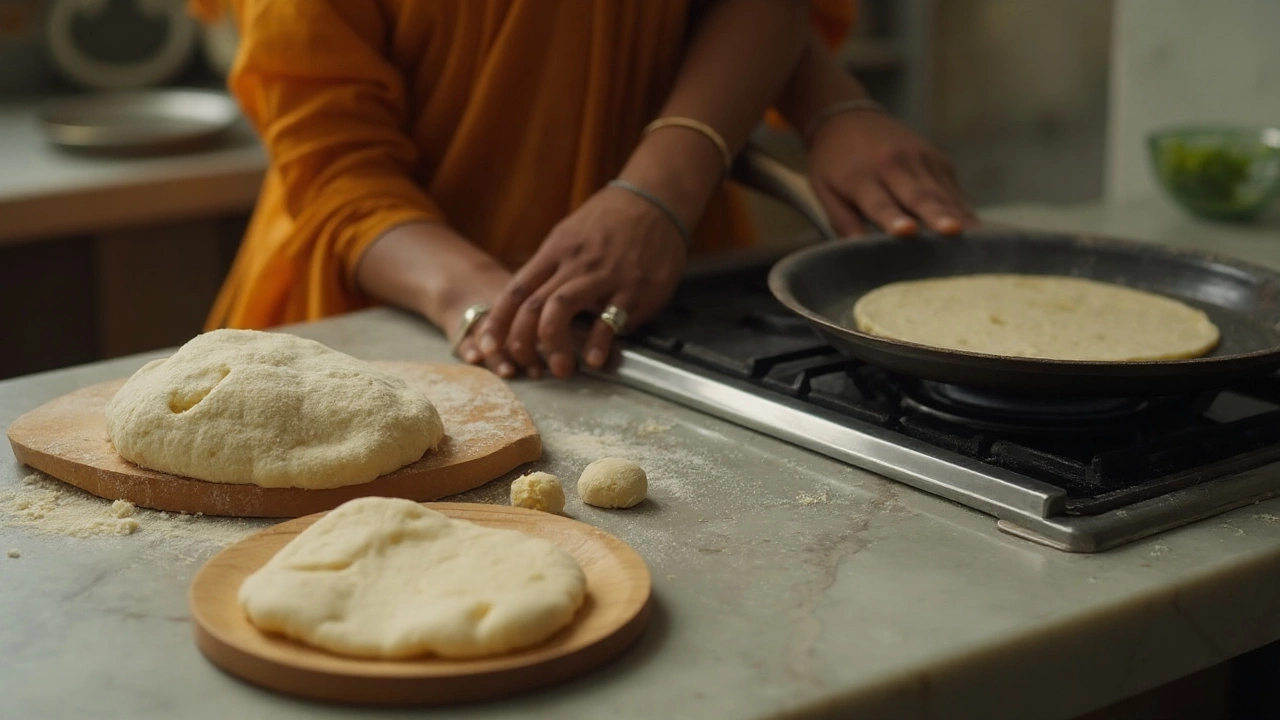
Not all Indian flatbread is the same. Roti, the simplest form—thin, round, and cooked on a hot griddle is what most households make every day. Then there’s paratha, a layered, buttery flatbread often stuffed with potatoes, spinach, or paneer, fried until crisp on the outside and fluffy inside. And let’s not forget naan, the slightly leavened, tandoor-baked bread you find in restaurants, soft and smoky. Each one has its own texture, technique, and place in the kitchen.
Why does this matter? Because how you make your flatbread changes how you eat everything else. If your roti cracks when you fold it, you’re not getting the most out of your dal. If your paratha’s layers stick together, you missed the oil-and-flour balance. And if you’ve ever wondered why your chapati turns hard after cooling—like in post #56846—you’re not alone. The secret isn’t just in the recipe. It’s in the dough hydration, the rolling pressure, the heat control. These aren’t just cooking tips—they’re survival skills in Indian kitchens.
People don’t just eat flatbread. They rely on it. It’s the breakfast wrap with chai, the lunchtime utensil for chole, the snack holder for aloo tikki. It’s the bread that doesn’t need a fork. And in homes across India, the sound of a rolling pin on a wooden board is as familiar as the clink of spoons.
What you’ll find below isn’t a list of recipes—it’s a guide to the real stories behind the dough. How to keep roti soft all day. Why baking soda sometimes helps (and sometimes ruins) your dosa batter. What happens when you skip the resting time. How ghee makes paratha taste like home. You’ll see how these breads connect to chutneys, curries, and even street food culture. Whether you’re trying to make your first roti or you’ve been flipping them for years, there’s something here that’ll change how you see your kitchen.