Indian Recipe: Authentic Flavors, Spices, and Techniques You Need to Know
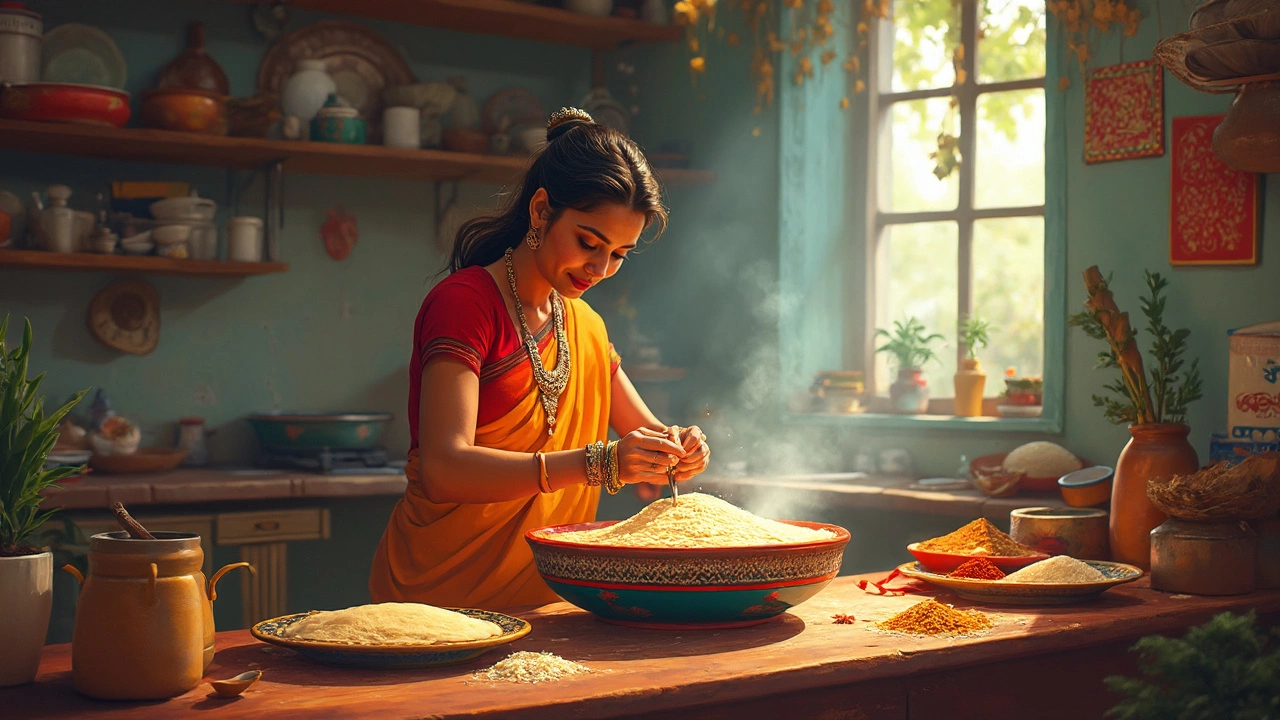
When you think of an Indian recipe, a dish built on layered spices, regional techniques, and ingredients that tell a story of place and tradition. Also known as traditional Indian cooking, it’s not just about curry—it’s about how you toast cumin, when you add yogurt, and why your roti turns hard if you skip the resting time. Real Indian recipes don’t come from a textbook. They come from kitchens where grandmas taste with their fingers, where the smell of mustard seeds popping in hot oil means dinner’s ready, and where a pinch of baking soda can make the difference between a flat dosa and a crispy, fluffy one.
What makes an Indian recipe work isn’t just the list of spices—it’s the garam masala, a blend that varies by family, region, and even the season. Also known as Indian spice mix, it’s not a one-size-fits-all powder. Some add cardamom for sweetness, others skip cinnamon entirely. And here’s the thing most blogs miss: turmeric isn’t in garam masala, and neither is chili powder. Get that wrong, and your biryani tastes off before it even hits the pot. Then there’s paneer, a fresh cheese that holds its shape when fried or grilled, unlike cottage cheese. Also known as Indian cottage cheese, it’s the star in butter masala, tikka, and even pizza toppings at Pizza Paradise India. But if you think it’s just tofu with a different name, you’re missing why it soaks up spice like a sponge and turns golden without melting. And don’t forget the dosa batter, a fermented mix of rice and urad dal that needs the right ratio, the right time, and the right temperature to rise. Also known as South Indian fermented batter, it’s not magic—it’s science. Too much baking soda? Bitter. Not enough fermentation? Hard as a rock. These aren’t just ingredients. They’re the backbone of hundreds of meals eaten every day across India.
What you’ll find in the posts below aren’t fancy restaurant tricks or Instagram-worthy platings. These are the real, no-nonsense fixes and facts that Indian home cooks use: why chutney tastes better cold or warm depending on the fruit, what hidden non-veg ingredients sneak into "vegetarian" dishes, how to pick the best oil for tandoori chicken without burning it, and why jalebi—not gulab jamun—is the dessert everyone actually eats on the street. You’ll learn what to avoid, what to tweak, and what to never change. No fluff. No filler. Just what works.