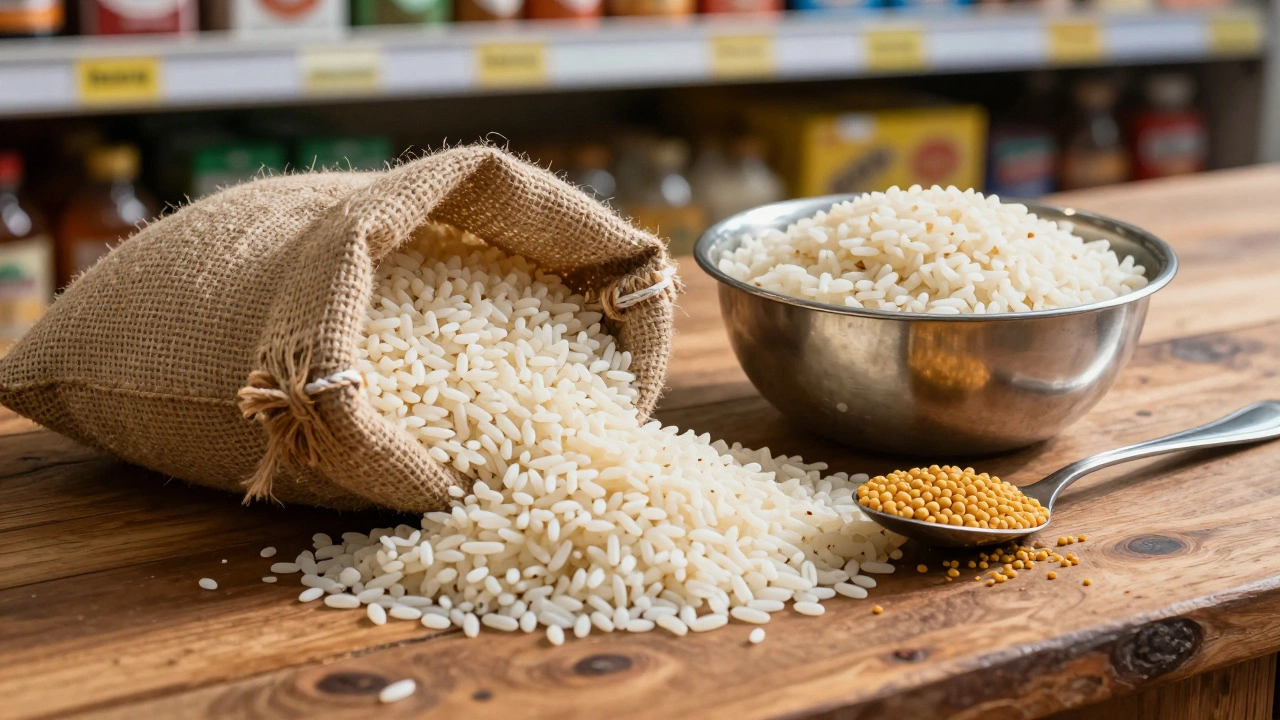
Rice for Dosa Batter: Best Types, Ratios, and Why It Matters
When you make rice for dosa batter, a fermented grain base used across South India to make crispy pancakes like dosa and idli. Also known as fermented rice batter, it's not just any rice—you need the right kind to get that perfect rise, crisp edge, and soft center. Most people think any white rice will do, but that’s where things go wrong. The difference between a chewy, flat dosa and a light, golden one comes down to one thing: the rice you choose.
The best rice for dosa batter is idli rice, a short-grain, parboiled rice specially processed to retain starch and ferment well. It's not the same as regular basmati or jasmine rice. parboiled rice, rice that’s been soaked, steamed, and dried before milling. This process locks in nutrients and changes the starch structure so it breaks down just right during fermentation. If you can’t find idli rice, look for short-grain parboiled rice labeled for idli or dosa—it’s the closest substitute. Regular long-grain rice? It won’t ferment properly. The batter stays thin, doesn’t puff up, and your dosa turns out greasy and tough.
Why does this matter? Because fermentation isn’t magic—it’s chemistry. The right rice feeds the natural bacteria and yeast that turn your batter airy and tangy. Too much starch? The batter gets slimy. Too little? It won’t rise. Most South Indian households use a 3:1 or 4:1 ratio of rice to urad dal. Too much dal and your dosa gets rubbery. Too little and it falls apart. The rice you pick controls the texture. Even the water you use matters—hard water can slow fermentation, while filtered water helps it move faster.
Some people swear by soaking rice overnight, others by grinding it wet. But the real secret? It’s not the technique—it’s the rice. If you’ve tried every recipe and still get flat dosas, don’t blame your grinder or your kitchen. Try switching to idli rice. You’ll notice the difference in the first batch. The batter will smell sweeter, rise faster, and the dosas will crisp up without needing extra oil.
You’ll find posts here that dig into how much baking soda to add, how to fix sour batter, and why your dosa sticks to the pan. But none of that fixes the root problem: using the wrong rice. This collection brings together real kitchen-tested advice—from home cooks in Tamil Nadu to chefs in Bangalore—on what rice works, what doesn’t, and how to adjust when you can’t find the exact type. No fluff. No guesswork. Just what actually makes dosa batter work.