Vegetarian Indian Dishes: Flavorful, Protein-Rich Meals You Can Make at Home
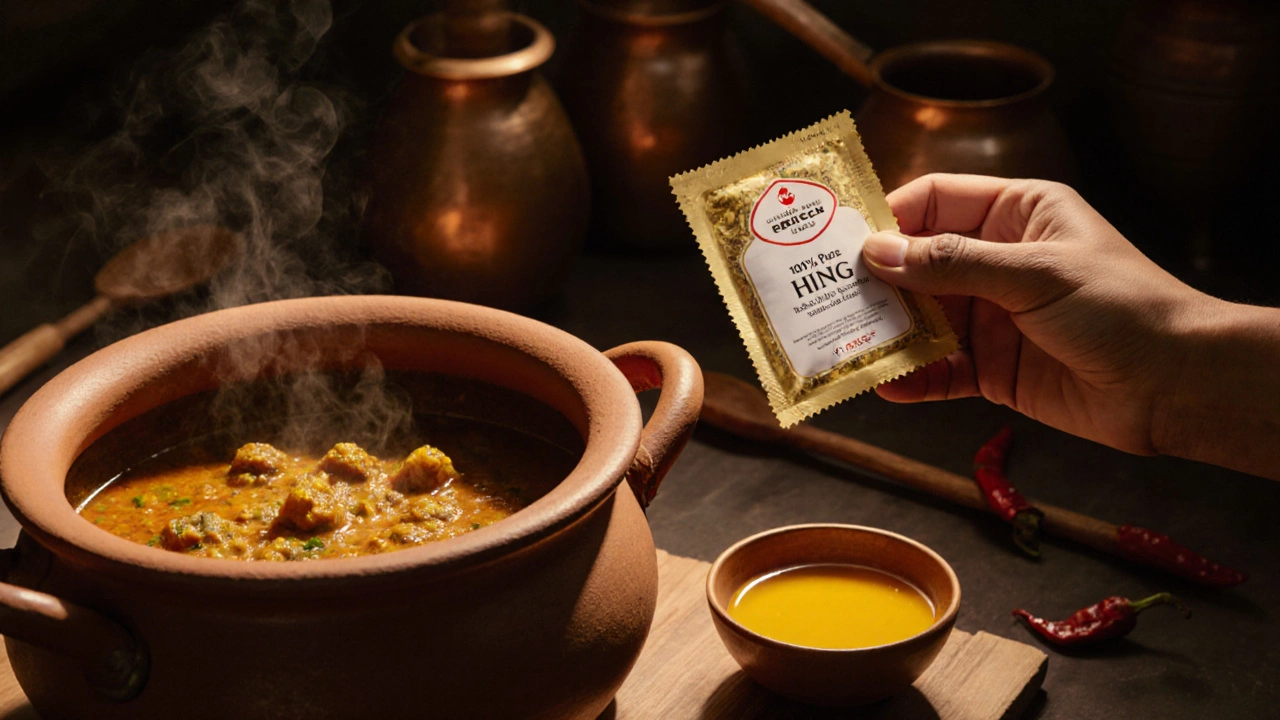
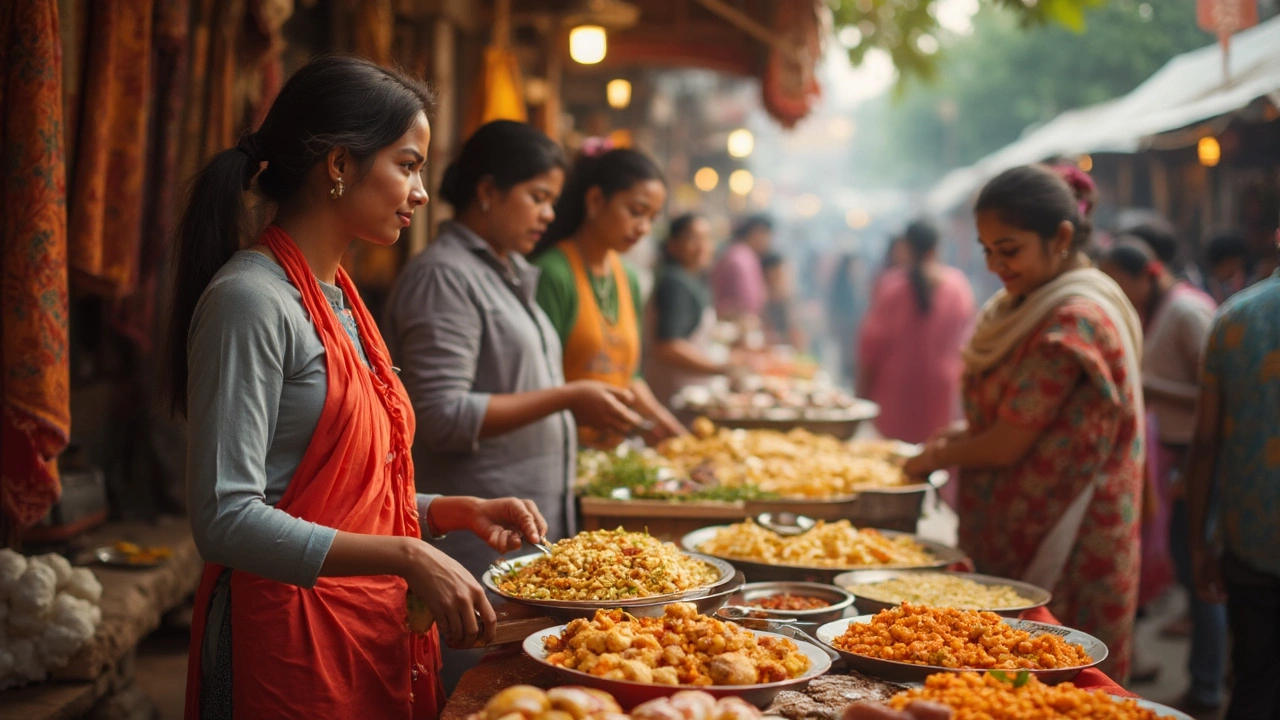
When you think of vegetarian Indian dishes, a vibrant, spice-packed range of meals built around lentils, legumes, vegetables, and dairy like paneer. Also known as Indian vegetarian food, it’s not just about what’s missing—it’s about what’s boldly present: layers of cumin, turmeric, coriander, and fresh herbs that turn simple ingredients into unforgettable meals. This isn’t bland salad territory. These are dishes that fill your plate, warm your soul, and keep you full for hours—without a single piece of meat.
At the heart of this cuisine is paneer, a fresh, unaged Indian cheese that holds its shape when cooked and soaks up spices like a sponge. Whether it’s in paneer butter masala, grilled as tikka, or fried into crispy bites, paneer is the MVP of vegetarian Indian meals. Then there’s dal makhani, a slow-simmered black lentil stew cooked with butter, cream, and whole spices that tastes like comfort in a bowl. And let’s not forget veg biryani, where rice, vegetables, and spices are layered and steamed to perfection—each grain fragrant and separate. These aren’t side dishes. They’re the main event.
What makes these meals work isn’t just the ingredients—it’s the technique. Fermented batter for dosa, the right ratio of urad dal to rice, the timing of when to add turmeric or baking soda—all these details turn good food into great food. You don’t need fancy tools. Just a pot, a tawa, and a little patience. And if you’ve ever wondered why your roti turns hard or your curry tastes flat, the answers are in the details: hydration, heat control, spice order. These aren’t secrets. They’re simple fixes that make all the difference.
Vegetarian Indian dishes also pack a nutritional punch. Lentils give you protein. Spinach and moringa add iron. Yogurt and paneer bring calcium. Turmeric fights inflammation. These meals aren’t just delicious—they’re designed to keep you strong, clear-headed, and energized. No supplements needed.
Below, you’ll find real recipes, real tips, and real stories from Indian kitchens. Whether you’re looking to nail the perfect dosa batter, understand why chutney tastes better cold, or just want to know which spices actually belong in garam masala, everything here is practical, tested, and made for your kitchen—not a restaurant.