What Gives Curry More Flavor? The Secret to Deep, Rich Chicken Curry
 Jun, 20 2026
Curry Flavor Enhancement Calculator
Enter your chicken curry batch size to get personalized recommendations for blooming spices, fat content, and umami boosters.
Ever made a chicken curry that looked perfect but tasted flat? You followed the recipe exactly. You used fresh ingredients. Yet, something was missing. It lacked that deep, lingering warmth you get from a restaurant dish or your grandmother’s kitchen. The problem isn’t usually the spices themselves; it’s how you treat them.
Flavor in curry doesn't come from just dumping powders into a pot. It comes from chemistry and technique. To build a truly vibrant chicken curry, you need to understand the layers of taste. It is about unlocking the oils inside the seeds, balancing acidity with fat, and letting time do its work. Here is what actually gives curry more flavor, broken down into steps you can use tonight.
The Magic of Blooming Spices
The single biggest mistake home cooks make is adding dry spices to cold water or raw meat. This results in a dusty, bitter taste. Spices like cumin, coriander, turmeric, and chili powder are hydrophobic-they hate water. They love fat.
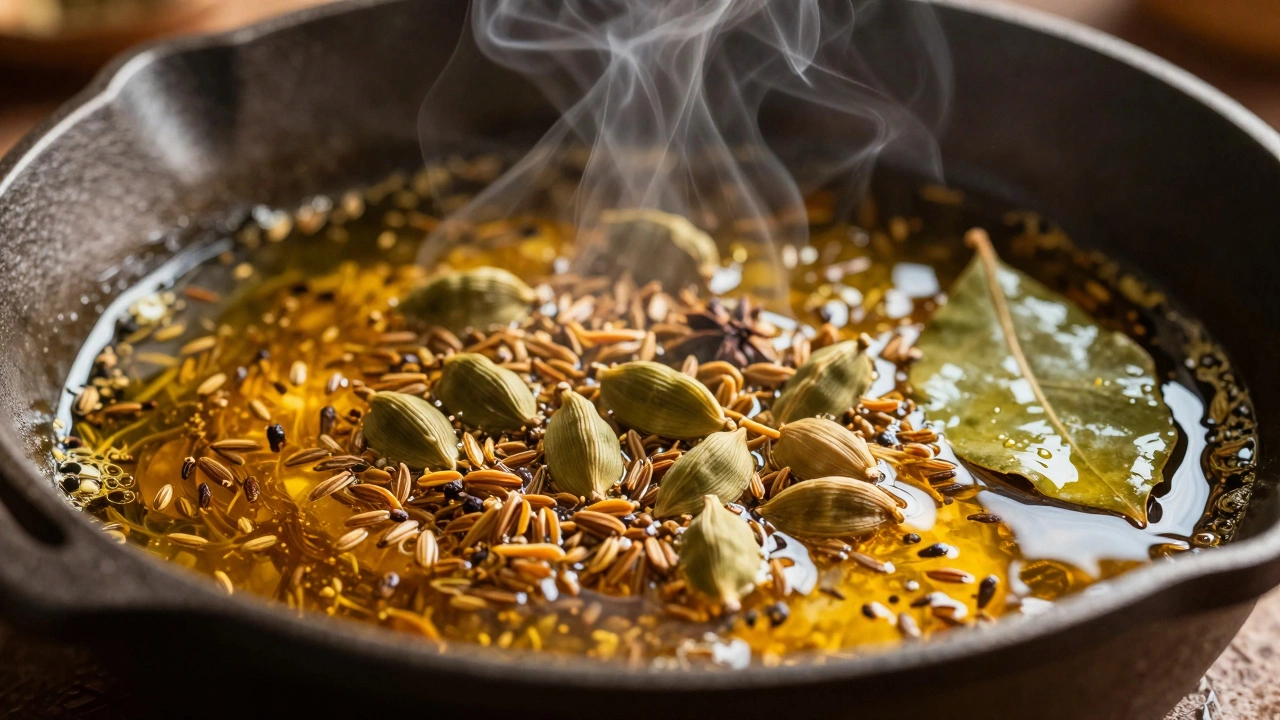
You must "bloom" your spices. This means frying them in hot oil or ghee for 30 to 60 seconds before adding any liquid. When the heat hits the spices, their cell walls break open, releasing essential oils. These oils dissolve into the fat, creating a fragrant base that coats every bite. If you skip this step, you are eating raw spice dust, not flavor.
- Heat level: Medium-low. High heat burns spices instantly, turning them bitter.
- Timing: Add whole spices (cumin seeds, cardamom) first. Let them crackle. Then add ground spices.
- The smell test: When the raw smell disappears and a nutty aroma fills the room, you are ready for the next step.
Think of blooming as waking up the spices. Without it, they stay asleep in your stomach.
Fat Is Your Flavor Carrier
Water carries salt and sugar. Fat carries flavor. In Indian cooking, the choice of fat changes the entire profile of the dish. Oil is neutral and light. Ghee (clarified butter) adds a nutty, rich depth that plain oil cannot match. Coconut milk brings sweetness and creaminess. Yogurt adds tang and body.
For a classic North-style chicken curry, start with ghee or a mix of oil and ghee. The milk solids in ghee brown when heated, adding a savory note known as Maillard reaction products. This browning creates complex flavors that simple boiling never achieves. If you are making a South Indian style curry, coconut oil or fresh coconut milk becomes the star, providing a distinct tropical richness.
Do not skimp on fat. A thin, watery curry will always taste weak. The sauce needs enough lipid content to hold the spice oils and coat the palate. This is why restaurant curries feel so satisfying-the mouthfeel is part of the flavor experience.
Building Umami Depth
Salt makes things salty. But it also enhances other tastes. However, salt alone won’t give you that "moreish" quality. You need umami-the fifth taste. Umami is savory, meaty, and deep. It is the reason you keep eating one more spoonful.
In a chicken curry, the meat provides some umami, but you need to boost it. Here are three easy ways to add hidden depth:
- Brown the chicken: Do not just boil the chicken in the masala. Sear it in hot oil until golden brown. This creates fond (brown bits) at the bottom of the pan, which dissolves into the sauce later.
- Add tomato paste: A tablespoon of concentrated tomato paste, fried with the onions, adds intense sweetness and glutamates.
- Use fish sauce or soy sauce: Sounds weird, right? But half a teaspoon of fish sauce in a heavy curry goes undetected by most people. It adds a massive punch of savoriness without tasting like fish. Soy sauce works similarly if you prefer.
These small additions bridge the gap between "good homemade food" and "restaurant-quality masterpiece."
The Onion-Tomato Base: Patience Pays Off
Most curry recipes call for onions and tomatoes. Many people rush this step. They chop the onions, throw them in, and move on when they turn translucent. That is a missed opportunity.
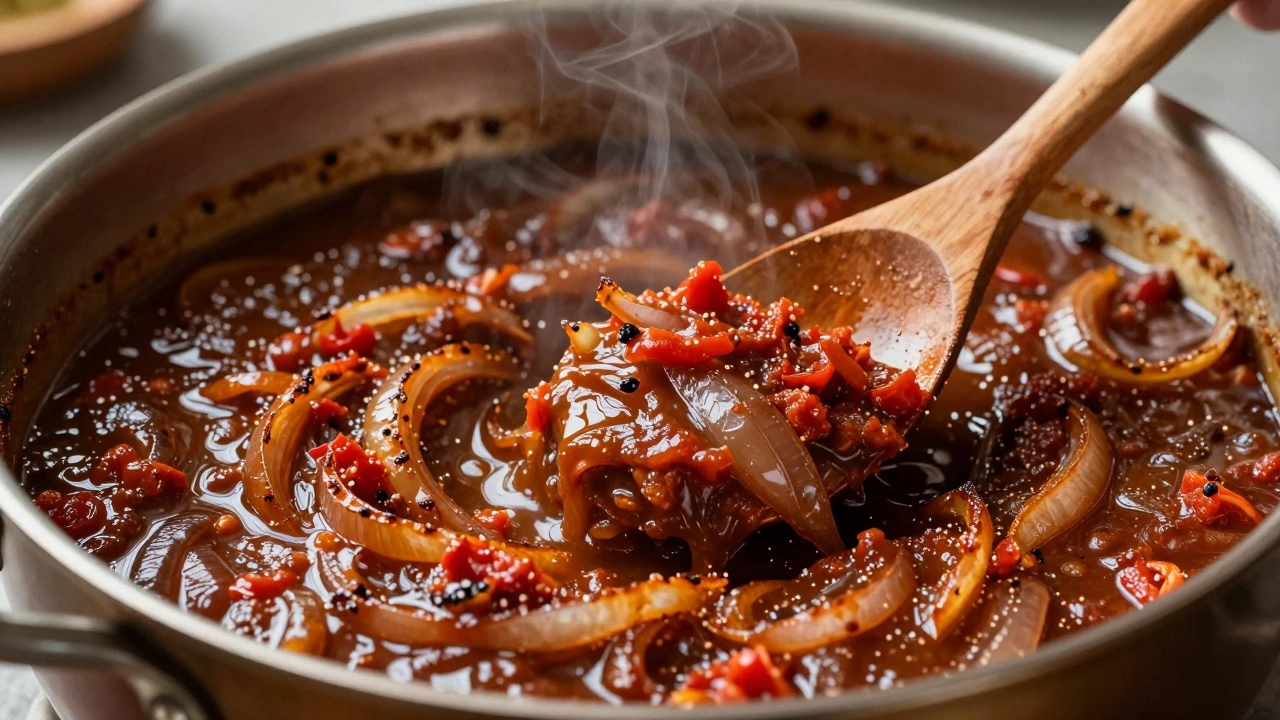
To get real flavor, you need to caramelize the onions. Cook them slowly over medium heat until they turn deep golden brown, almost mahogany. This process converts the natural sugars in the onion into complex compounds. It removes the sharp bite and replaces it with a sweet, molasses-like richness. This dark onion base (often called *birista* or *vaghara*) is the backbone of many rich gravies.
Tomatoes should be cooked down completely. They should lose their raw acidity and merge with the onion-fat mixture into a thick paste. If you see chunks of tomato floating in the final curry, they were undercooked. Undercooked tomatoes taste sour and grassy. Cooked-down tomatoes provide a smooth, acidic balance that cuts through the richness of the ghee.
Acidity: The Bright Note
A curry without acid feels heavy and dull. Acid wakes up the palate. It balances the fat and the spice heat. You might think chili provides all the excitement, but chili is mostly heat. Acid provides brightness.
Where does this acid come from?
- Tamarind: Adds a fruity, sour depth common in South Indian and Gujarati curries.
- Lemon or Lime Juice: Added at the very end, just before serving. This preserves the fresh, zesty aroma. Adding it too early kills the flavor.
- Yogurt: Provides a mild, creamy tang during the cooking process.
- Kashmiri Chili Powder: Unlike hot chilies, Kashmiri chilies are chosen for color and mild fruitiness, often bringing a subtle acidic note.
If your curry tastes "off" or bland, try squeezing half a lemon into it. Often, that is all it needs to pop.
Fresh Herbs vs. Dried Spices
Dried spices provide the foundation. Fresh herbs provide the finish. They serve different purposes. Dried spices are earthy, warm, and long-lasting. Fresh herbs are bright, green, and aromatic.
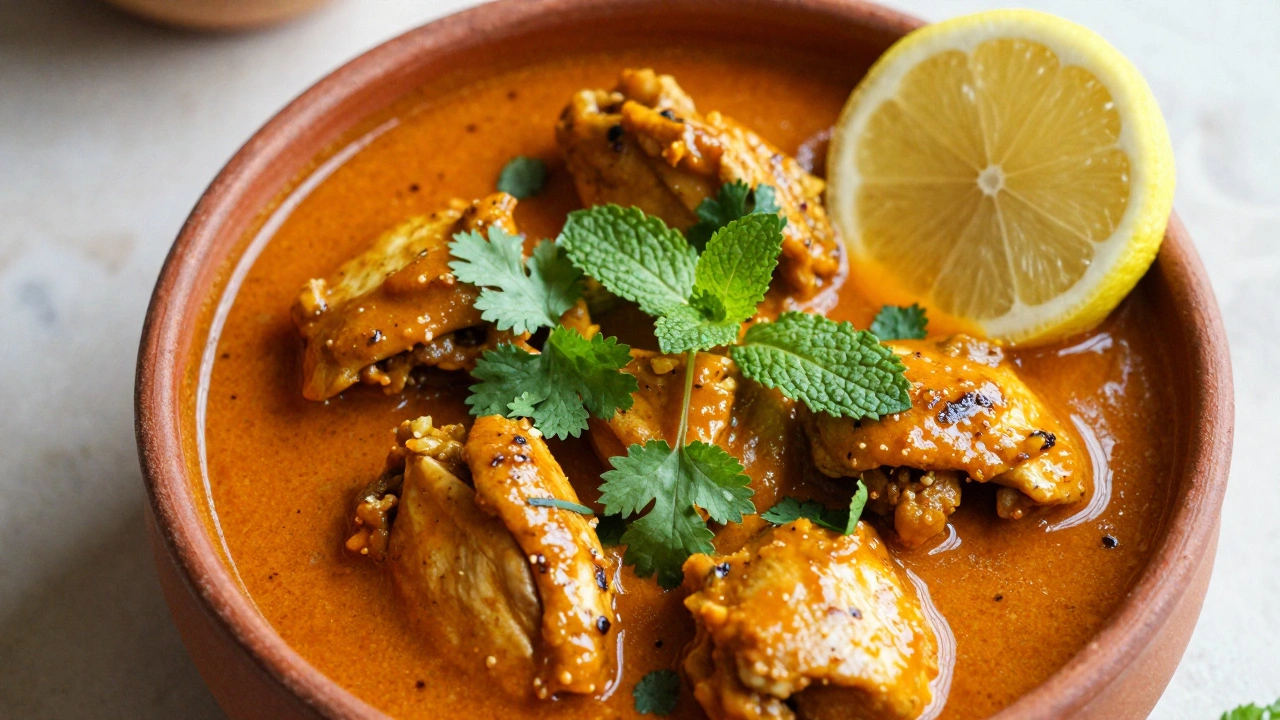
Cilantro (coriander leaves) and mint are essential finishing touches. Never cook them for long periods. Stir them in after you turn off the heat. The residual warmth releases their oils without destroying their delicate flavor. Cooking cilantro for 10 minutes turns it into mush and loses its scent.
Ginger and garlic are tricky. They are fresh aromatics, but they behave somewhat like dried spices when fried. Paste forms are convenient, but freshly grated ginger and crushed garlic release more volatile oils. Make sure to fry the ginger-garlic paste until the raw smell is gone and the oil separates from the mixture. This separation signals that the moisture has evaporated and the flavors have intensified.
The Power of Resting
This is the hardest part for busy cooks. You want to eat now. But curries taste better tomorrow. Why? Because flavors need time to marry. When you first finish cooking, the individual notes-salt, heat, sour, sweet-are distinct. Over time, especially overnight in the refrigerator, these molecules interact and blend. The starches thicken slightly, and the spices penetrate deeper into the meat fibers.
If you reheat a curry the next day, you will notice it is richer, smoother, and more cohesive. The harsh edges of the spices soften. The chicken absorbs the gravy. If you are short on time, let the curry sit on low heat for at least 15 minutes after adding the chicken. Cover it. Let the steam circulate. It won’t be as good as overnight, but it will be significantly better than immediate serving.
| Ingredient/Technique | Role in Flavor | When to Add |
|---|---|---|
| Ghee/Oil | Carries spice oils, adds richness | Start of cooking |
| Whole Spices (Cumin, Cardamom) | Aromatic top notes | First, in hot oil |
| Ground Spices (Turmeric, Coriander) | Body and color | After whole spices, bloom for 30s |
| Onions | Sweetness and base thickness | Cook until deep brown |
| Tomatoes | Acidity and body | After onions, cook until paste-like |
| Chicken | Protein and umami | Sear first, then simmer in gravy |
| Fresh Cilantro/Mint | Freshness and brightness | Off heat, just before serving |
| Lemon Juice | Final acid kick | Just before serving |
Common Mistakes That Kill Flavor
Avoid these pitfalls to ensure your curry shines:
- Over-salting early: Salt draws out moisture. If you salt the chicken heavily before searing, it steams instead of browns. Season lightly at first, adjust at the end.
- Using old spices: Ground spices lose potency within 6 months. If your cumin powder smells like nothing, it tastes like nothing. Buy small quantities and store them in a cool, dark place.
- Too much water: Dilution is the enemy of flavor. Use less water than you think you need. The chicken releases its own juices. You can always add more, but you cannot remove excess water easily without reducing the sauce for hours.
- Ignoring layering: Don’t add everything at once. Build the dish in stages: aromatics, base, protein, liquid, finish. Each stage contributes a specific layer of taste.
Understanding these principles transforms cooking from following instructions to creating food. You start to taste what is missing and know exactly how to fix it. Next time you make a chicken curry, pay attention to the smell when you bloom the spices. Watch the onions turn brown. Taste the sauce before adding the chicken. These small acts of attention create big differences in flavor.
Why does my curry taste bland even though I added lots of spices?
The issue is likely that you didn't bloom the spices in fat. Dry spices need hot oil or ghee to release their essential oils. Also, check if your spices are old. Ground spices lose flavor quickly. Finally, ensure you have enough acid (tomatoes, lemon) and salt to balance the richness.
Can I make curry ahead of time?
Yes, curries often taste better the next day. The flavors meld together, and the spices penetrate the meat more deeply. Store it in an airtight container in the fridge for up to 3 days. Reheat gently on the stove, adding a splash of water if it has thickened too much.
What is the best fat to use for blooming spices?
Ghee (clarified butter) is ideal because it has a high smoke point and adds a nutty, rich flavor. Neutral oils like vegetable or sunflower oil work well for a lighter taste. Coconut oil is excellent for South Indian styles. Avoid olive oil for high-heat blooming as it can burn and taste bitter.
How do I fix a curry that is too spicy?
Add more bulk to dilute the heat. Increase the amount of chicken, potatoes, or yogurt. Dairy fats like cream or plain yogurt help neutralize capsaicin (the compound that causes heat). A pinch of sugar can also balance the perception of spiciness.
Should I use fresh or dried ginger and garlic?
Freshly grated ginger and crushed garlic provide a brighter, more pungent flavor compared to jarred pastes. Jarred pastes often contain preservatives and vinegar, which can alter the taste. For the best flavor, grate fresh ginger and crush garlic cloves just before cooking.
Why do restaurants' curries taste so much better?
Restaurants often use large batches of pre-made masala bases that have been slow-cooked for hours. They also use generous amounts of ghee and high-quality, fresh spices. Additionally, they may use flavor enhancers like stock cubes or fish sauce, which add umami depth that home cooks sometimes overlook.
