What is Biryani Seasoning Oil? The Secret to Restaurant-Style Aroma
 Jun, 16 2026
Biryani Seasoning Oil Calculator
Base Ingredients
- 3 tbsp Ghee Essential
- 2 medium onions (fried) Birista
Whole Spices for Tadka
Instructions:
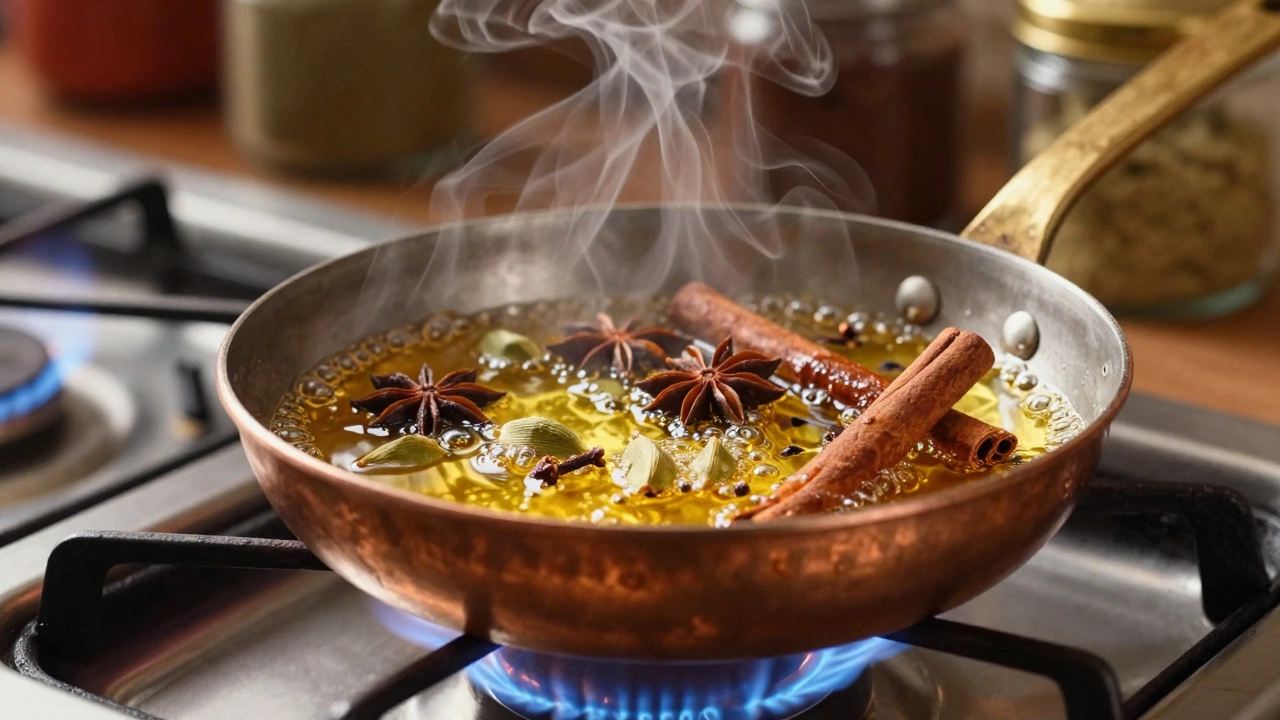
- Heat the ghee in a small pan over medium-low heat.
- Add cinnamon sticks, cardamom pods, cloves, and star anise first. Sizzle for 30 seconds.
- Quickly add bay leaves and fennel seeds. Stir constantly to avoid burning.
- Remove from heat once oil turns slightly darker and smells fragrant.
- Cool for 60 seconds, then drizzle over layered biryani or finished dish.
Have you ever wondered why the biryani from your favorite restaurant smells incredible the moment you walk in, while your homemade version tastes good but lacks that deep, lingering fragrance? The answer often lies in a small bottle on the shelf or a quick step at the end of cooking. You might be asking yourself, "What is the seasoning oil for biryani?" It isn't just one specific product; it is a technique and a flavor bomb known as tadka, chaunk, or tempering.
In Indian cuisine, especially with complex dishes like biryani, raw spices don't release their full potential until they meet hot fat. This process unlocks essential oils trapped within seeds, leaves, and dried flowers. When you hear about "seasoning oil," people are usually referring to this infused oil-either prepared fresh during cooking or stored in a jar for later use. Let's break down exactly what goes into it, how to make it, and why it changes everything about your dish.
The Science Behind Spiced Oil
Spices are essentially concentrated plant materials packed with volatile aromatic compounds. These compounds are hydrophobic, meaning they repel water but dissolve easily in fat. If you sprinkle dry cumin seeds or whole cloves directly onto cooked rice, they sit there looking pretty but contributing very little flavor to each bite. However, when you heat these spices in oil, the cell walls break down, releasing those aromatics into the liquid gold surrounding them.
This creates a uniform distribution of flavor. Every grain of rice gets coated in a thin layer of spiced oil, ensuring consistent taste rather than random bursts of spice. For biryani, which relies heavily on aroma (the word 'biryani' itself comes from Persian words related to frying and marinating), this step is non-negotiable if you want authentic results.
Key Ingredients in Biryani Seasoning Oil
While recipes vary by region-from Hyderabad to Lucknow to Kolkata-the core components of biryani seasoning oil remain fairly consistent. Here is what you need to know about the main players:
- Ghee: Clarified butter is the traditional base for most North Indian biryanis. It has a higher smoke point than regular butter and adds a rich, nutty depth that vegetable oil cannot replicate.
- Mustard Oil: Common in Bengali and Eastern styles. It has a pungent, sharp kick that cuts through the richness of the meat and rice.
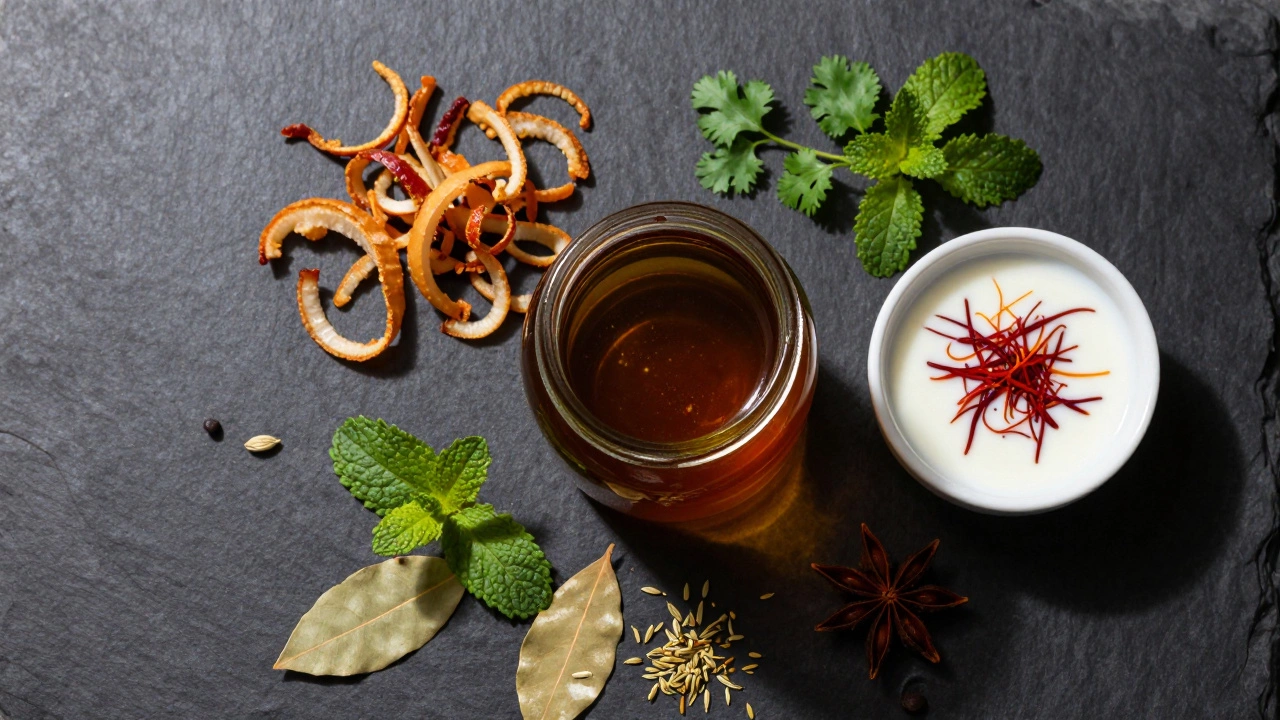
- Saffron: Often soaked in warm milk or cream, saffron threads release a golden hue and a distinct floral aroma. While technically not an "oil" infusion, it is frequently layered with the spiced oil during the dum (steaming) process.
- Fried Onions (Birista): Caramelized onions fried until crisp and dark brown. They absorb excess oil and add sweetness and texture. They are often mixed into the tempering oil before pouring over the rice.
Whole Spices That Define the Flavor Profile
The magic happens when you add whole spices to the hot ghee or oil. This mixture is called tadka. Here are the essential whole spices used in biryani seasoning oil:
| Spice | Flavor Profile | Role in Oil |
|---|---|---|
| Cardamom (Green & Black) | Floral, sweet, smoky | Adds top notes of aroma; green for freshness, black for earthiness. |
| Cloves | Pungent, warming | Provides depth and a slight numbing sensation that balances heat. |
| Cinnamon Stick | Sweet, woody | Creates a foundational warmth without overpowering other flavors. |
| Bay Leaves | Lemony, herbal | Infuses the oil with a subtle citrusy background note. |
| Star Anise | Licorice-like, sweet | Crucial for Hyderabadi style; adds complexity and sweetness. |
| Fennel Seeds | Mildly sweet, anise | Often added at the end for a fresh finish, especially in Lucknowi biryani. |
How to Make Perfect Biryani Seasoning Oil (Tadka)
You don't need to buy expensive bottled seasoning oil. Making it takes five minutes and elevates your dish instantly. Follow these steps carefully because timing is everything. Burnt spices will ruin the entire batch.
- Heat the Fat: In a small pan, heat 3-4 tablespoons of ghee or neutral oil over medium-low heat. Ghee is preferred for its aroma.
- Add Hard Spices First: Toss in cinnamon sticks, cardamom pods, cloves, and star anise. Let them sizzle gently for 30 seconds. You should hear a faint crackling sound.
- Add Fragile Spices: Quickly add bay leaves and fennel seeds. Stir constantly. These burn faster than the harder spices.
- Optional: Garlic & Ginger: For some regional variations, sliced garlic and ginger are added here. Fry until golden, not brown.
- Remove from Heat: Once the oil turns slightly darker and smells intensely fragrant, turn off the stove. Let it cool for a minute.
- Strain or Use Whole: You can strain the solids out if you want clear oil, but leaving them in adds visual appeal and extra flavor bits to the biryani layers.
When and How to Apply the Seasoning Oil
The application method depends on the type of biryani you are making. There are two main schools of thought:
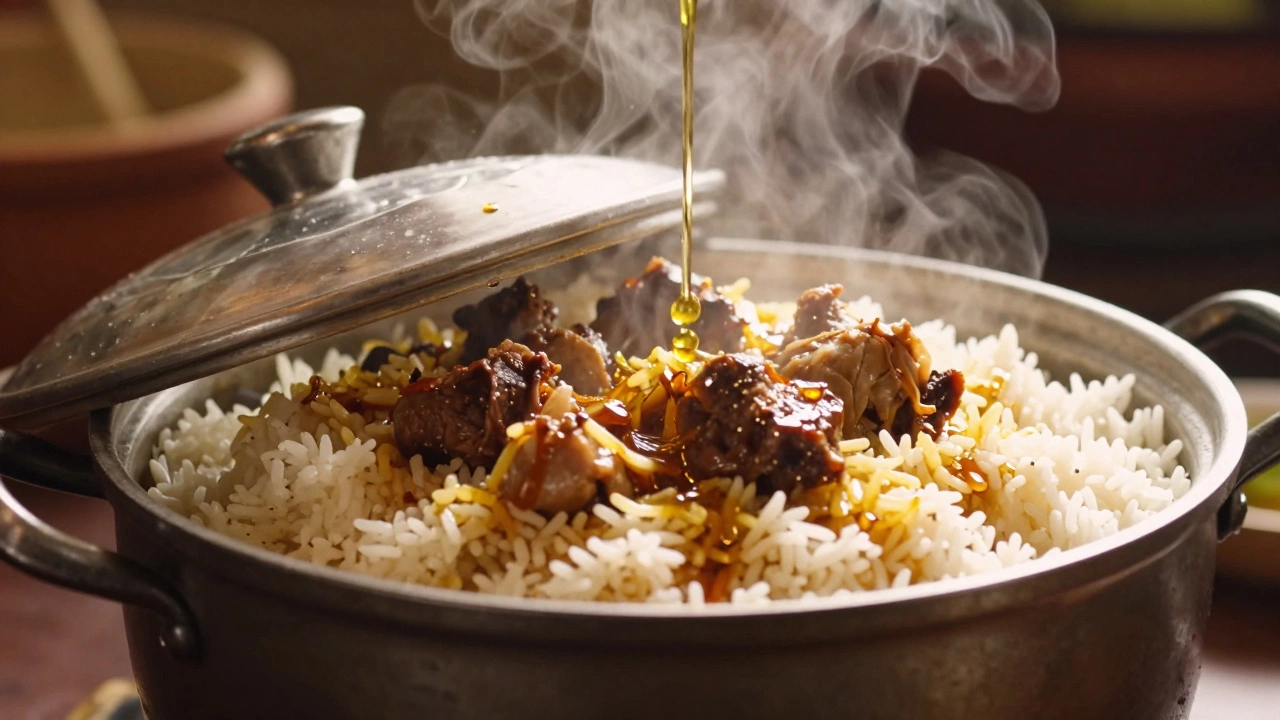
1. The Layering Method (Dum Biryani): In slow-cooked dum biryanis, you partially cook the meat and rice separately. Then, you layer them in a heavy-bottomed pot. Drizzle the hot seasoning oil evenly over each layer of rice. Add fried onions, mint, and coriander on top. Seal the pot with dough or a tight lid and steam on low heat. The oil penetrates the rice grains slowly, infusing every bite.
2. The Quick Finish Method (Kacchi/Instant Biryani): If you are making a quicker version where meat and rice cook together, prepare the tadka separately. Just before serving, pour the hot spiced oil over the finished dish. Cover immediately and let it rest for 10 minutes. This traps the steam and aroma inside, mimicking the effect of a sealed dum pot.
Store-Bought vs. Homemade: Is It Worth It?
You can find bottles labeled "Biryani Masala Oil" or "Seasoning Oil" in international grocery stores. Some popular brands include MDH, Everest, or local artisanal producers. Here is a quick comparison to help you decide:
| Feature | Homemade Tadka | Store-Bought Oil |
|---|---|---|
| Freshness | Peak aroma, immediate use | May lose potency over time |
| Customization | Adjust spice levels to taste | Fixed flavor profile |
| Convenience | Takes 5-10 mins prep | Ready to pour |
| Ingredients | No preservatives | May contain additives/preservatives |
If you cook biryani weekly, buying pre-made oil saves time. However, the aroma difference is noticeable. Freshly tempered spices release volatile compounds that degrade quickly once exposed to air and light. A bottle sitting on a shelf for months won't have the same punch as oil heated seconds before serving.
Common Mistakes to Avoid
Even experienced cooks mess up the seasoning oil sometimes. Here is how to avoid the pitfalls:
- Burning the Spices: High heat is the enemy. If the oil smokes or the spices turn black, discard the oil. Burnt spices taste bitter and will spoil the biryani.
- Using Cold Oil: Never pour cold spiced oil over hot rice. It needs to be warm enough to spread but not so hot that it splatters violently. Let it cool for 60 seconds after heating.
- Skipping Fried Onions: Fried onions act as a sponge for the oil. Without them, the oil might pool at the bottom instead of distributing evenly. Mix them into the oil before drizzling.
- Wrong Base Oil: Using olive oil or avocado oil can clash with Indian spices. Stick to ghee, mustard oil, or neutral vegetable oils like sunflower or canola.
Pro Tips for Maximum Aroma
Want to take your biryani to the next level? Try these tricks:
- Kewra Water: Add a few drops of kewra (screwpine) water to the seasoning oil. It adds a unique floral scent common in royal Mughlai kitchens.
- Rose Water: Similar to kewra, rose water pairs beautifully with saffron-infused oil.
- Charred Lemon Grass: For a modern twist, lightly char a stalk of lemongrass and add it to the tempering oil. It adds a citrusy brightness that cuts through heavy meat dishes.
- Pre-Soak Saffron: Don't just drop saffron in. Soak it in warm milk with a spoonful of the seasoning oil. This ensures the color and flavor distribute evenly when poured over the rice.
Can I use vegetable oil instead of ghee for biryani seasoning?
Yes, you can. Vegetable oil works fine, especially if you prefer a lighter taste or are avoiding dairy. However, ghee provides a richer, more traditional flavor and a higher smoke point, which is ideal for frying spices without burning them. Mustard oil is another excellent alternative for authentic regional flavors.
How long does homemade biryani seasoning oil last?
Homemade tadka is best used immediately. If you must store it, keep it in an airtight glass jar in the refrigerator for up to 2 weeks. The aroma will diminish over time, so it is not recommended for long-term storage. Always check for mold or off-smells before using.
Why does my biryani smell different from restaurants?
Restaurants often use large quantities of ghee and high-quality whole spices. They also seal their pots tightly (dum) to trap steam and aroma. Additionally, many use kewra water or rose water in the final tempering oil, which adds a distinct floral note that home cooks sometimes skip.
Do I need to strain the spices from the oil?
It is optional. Straining gives you a smooth oil, but leaving the whole spices in adds visual appeal and allows diners to pick out the larger pieces if they dislike chewing on spice pods. Most home cooks leave them in for presentation.
What is the difference between tadka and garam masala?
Garam masala is a powdered spice blend added during cooking to build base flavor. Tadka is a technique where whole spices are fried in hot oil/fat at the beginning or end of cooking to release aromatics. Tadka is primarily for aroma and finishing touches, while garam masala is for depth and body.
