What Is the Healthiest Indian Food? Top Nutrient-Dense Dishes Explained
 Jun, 12 2026
Healthy Indian Meal Builder
Base / Grains
Jowar Roti
Sorghum flatbread
Low Glycemic IndexIdli (Steamed)
Fermented rice & dal
Gut Health ProbioticWhite Rice
Refined grain
High GlycemicProtein / Lentils
Masoor Dal
Red lentil stew
High Fiber & IronPalak Paneer
Spinach & cottage cheese
Vitamins A, C, KChana Masala
Chickpea curry
Plant ProteinSide / Greens
Saag (Greens)
Sautéed spinach/mustard
Micronutrient DenseCurd Rice
Yogurt & rice mix
ProbioticsAloo Gobi
Potato & cauliflower
Anti-inflammatoryHealth Score
Based on nutritional density
Meal Breakdown
When people think of Indian food, they often picture heavy cream sauces, deep-fried snacks, and rich curries. But that’s only one side of the coin. India is a land of diverse culinary traditions where health and flavor have coexisted for thousands of years. The real question isn’t just what tastes good, but what actually fuels your body without weighing you down.
You don’t need to give up spice or complexity to eat well. In fact, many traditional Indian dishes are packed with fiber, plant-based protein, and essential micronutrients. The key is knowing which dishes hold their nutritional value and how to prepare them wisely. Let’s look at the actual contenders for the title of the healthiest Indian food in the world.
The Power of Lentils: Why Dal Reigns Supreme
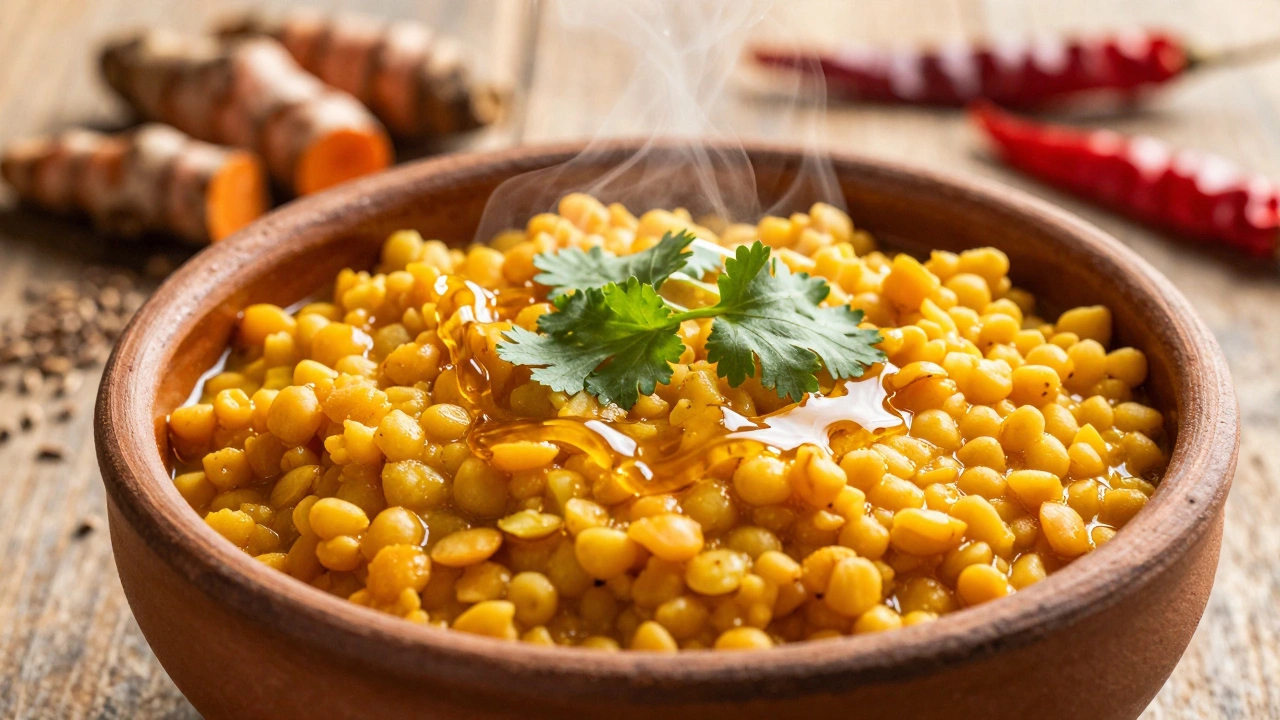
If we had to pick a single winner for the healthiest staple, it would be Dal. Dal is simply lentils cooked into a stew, but its impact on nutrition is massive. Lentils are one of the most nutrient-dense foods available globally. They are loaded with complex carbohydrates, dietary fiber, and plant-based protein.
A standard bowl of Masoor Dal (red lentil) provides about 18 grams of protein and 15 grams of fiber per cup when cooked. This combination helps stabilize blood sugar levels, keeping you full for hours without the crash associated with refined carbs. Unlike meat proteins, lentils come with zero cholesterol and are rich in iron, folate, and magnesium.
The magic lies in the preparation. Traditional methods involve tempering spices like cumin, turmeric, and garlic in minimal oil before adding the lentils. Turmeric contains curcumin, a powerful anti-inflammatory compound. When paired with black pepper, the absorption of curcumin increases by up to 2000%. So, a simple bowl of dal isn’t just comfort food; it’s a functional medicine dish disguised as dinner.
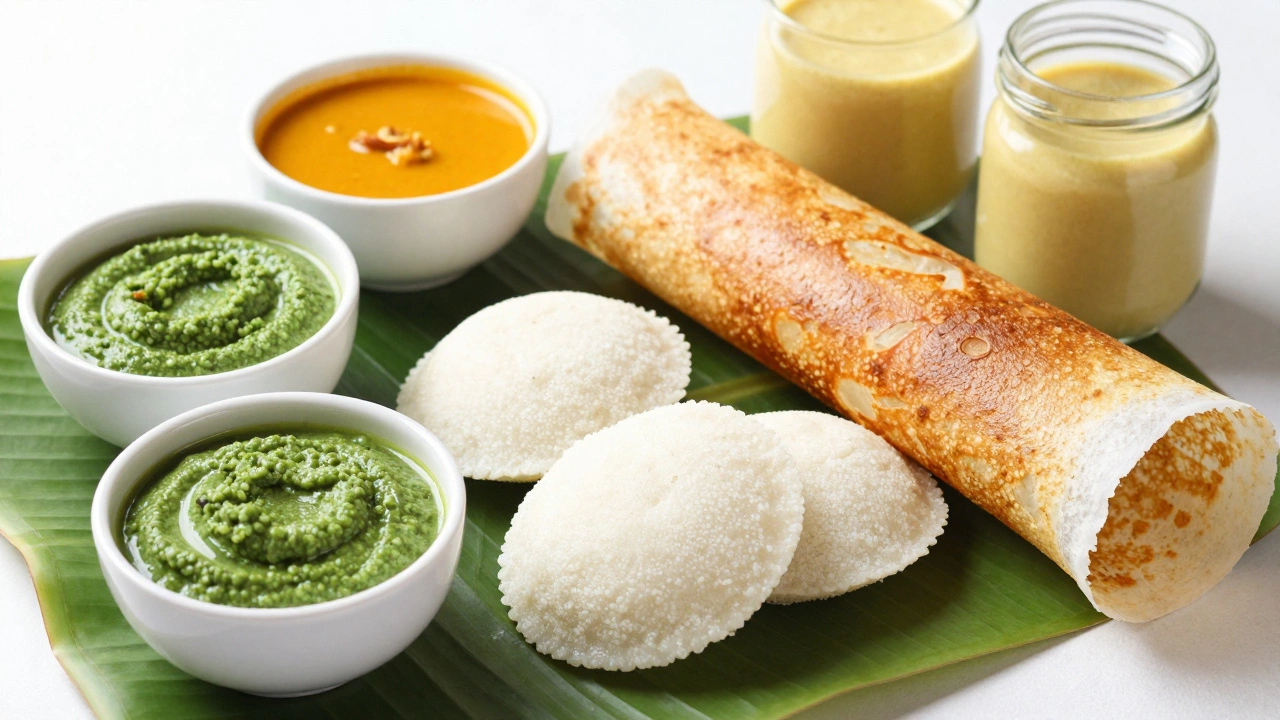
South India’s Superfood: Idli and Dosa
Move south, and the definition of healthy shifts toward fermentation. Idli and Dosa are staples made from fermented rice and urad dal (black gram). Fermentation is a game-changer for gut health. It breaks down anti-nutrients like phytic acid, making minerals like zinc and iron more bioavailable to your body.
Idlis are steamed, meaning they require almost no oil. A typical idli has around 40-50 calories, making it an incredibly low-calorie breakfast option compared to toast or pastries. They are also easy to digest, which is why they are often recommended for people recovering from illness or those with sensitive stomachs.
Dosas are thin crepes that can be crispy or soft. While traditionally pan-fried with ghee or oil, you can easily make them healthier by using a non-stick pan and a spray of oil. The batter itself is probiotic-rich due to the natural fermentation process. Pairing these with coconut chutney adds healthy fats and vitamin C, creating a balanced meal that supports both energy and digestion.
Leafy Greens and Vegetables: The Forgotten Heroes
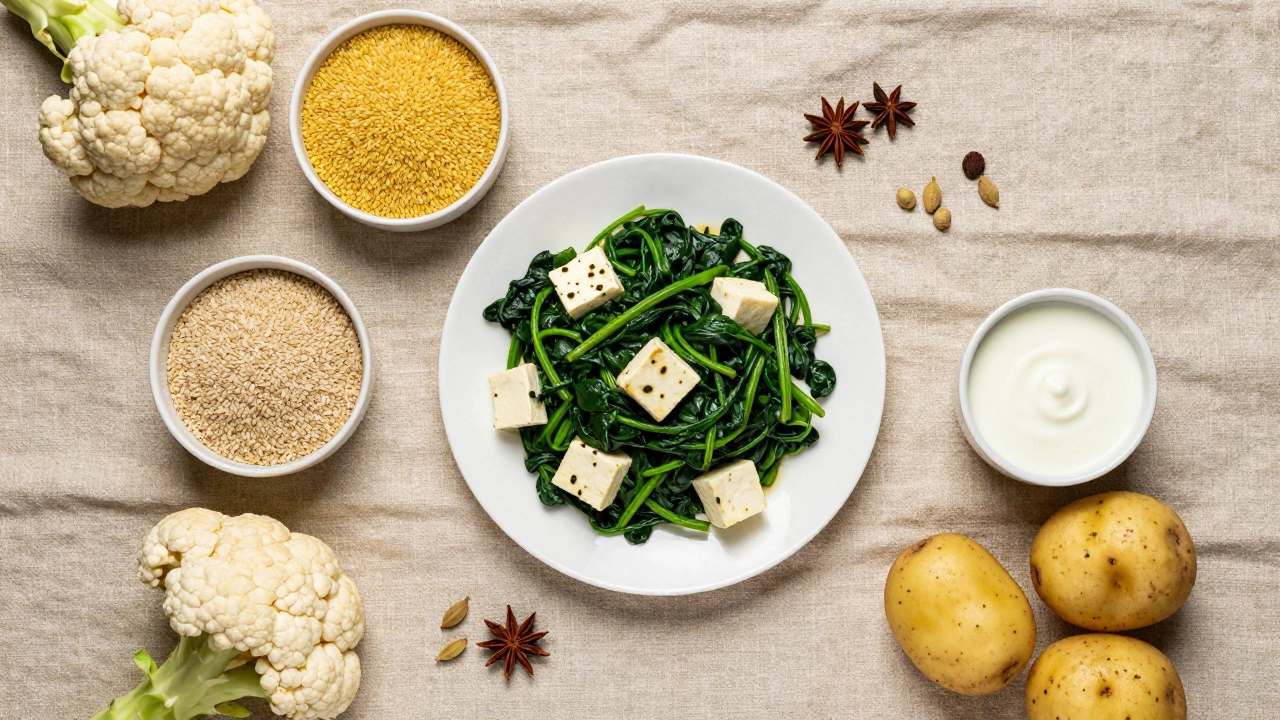
Indian cuisine relies heavily on seasonal vegetables, but leafy greens often get overlooked in favor of heavier curries. Saag (spinach or mustard greens) is a powerhouse of vitamins A, C, K, and iron. When prepared as Palak Paneer, it combines these greens with paneer (cottage cheese), offering a complete protein profile alongside dense micronutrients.
However, the healthiest version avoids excessive cream. Traditional Saag is often tempered with mustard seeds and dried red chilies, which boost metabolism. Another underrated dish is Aloo Gobi (potato and cauliflower). While potatoes are starchy, cauliflower adds bulk and fiber with very few calories. Cooking this with minimal oil and plenty of turmeric and ginger creates an anti-inflammatory stir-fry that satisfies cravings for texture and flavor.
Whole Grains: Beyond White Rice
White rice is common, but it strips away the bran and germ, leaving mostly empty calories. For a healthier alternative, look toward Millets. India is the birthplace of millets like ragi (finger millet), jowar (sorghum), and bajra (pearl millet). These grains have a low glycemic index, meaning they release energy slowly into the bloodstream.
Ragi malt, for instance, is high in calcium-more than milk per serving. It’s often consumed as a drink or mixed into porridge. Jowar rotis (flatbreads) are gluten-free and rich in fiber. Switching from wheat or white rice to millets can significantly improve digestive health and reduce the risk of type 2 diabetes. The texture is earthier, but once you adjust your palate, the nutty flavor becomes a favorite.
Spices: The Secret Weapon of Indian Nutrition
It’s not just the ingredients; it’s the spices. Indian cooking uses spices not just for taste, but for preservation and health. Cumin aids digestion and boosts immunity. Coriander helps lower blood pressure and cholesterol. Fenugreek seeds are known to regulate blood sugar levels.
Consider the concept of "Tadka" or tempering. By heating spices in oil, you release fat-soluble vitamins and antioxidants. This method ensures that your body absorbs the maximum benefit from these herbs. A pinch of asafoetida (hing) in lentil dishes reduces gas and bloating, a common issue with legumes. These small additions turn a basic meal into a therapeutic experience.
| Dish | Primary Ingredient | Key Benefit | Calories (Approx.) |
|---|---|---|---|
| Masoor Dal | Red Lentils | High Protein & Fiber | 180 kcal/cup |
| Idli | Fermented Rice/Dal | Gut Health & Low Calorie | 45 kcal/piece |
| Palak Paneer | Spinach & Cottage Cheese | Vitamins A, C, K & Calcium | 250 kcal/serving |
| Jowar Roti | Sorghum Flour | Low Glycemic Index | 70 kcal/roti |
| Curd Rice | Yogurt & Rice | Probiotics & Hydration | 150 kcal/bowl |
Hydration and Digestion: The Role of Yogurt
No discussion on healthy Indian food is complete without mentioning Curd (yogurt). In India, yogurt is eaten daily, not just as a dessert but as a digestive aid. It is rich in probiotics, which support a healthy gut microbiome. A strong gut connection is linked to better immunity, mental health, and even skin clarity.
Lassi, a yogurt-based drink, is often sweetened, but a savory lassi with salt and cumin is incredibly refreshing and hydrating. Curd rice is a classic comfort food that soothes the stomach after spicy meals. The lactic acid in yogurt helps break down heavy proteins and fats, making it an ideal companion to richer dishes.
Common Pitfalls: What to Avoid
To truly benefit from Indian cuisine, you must navigate the traps. Deep-fried items like samosas, pakoras, and kachoris are delicious but offer little nutritional value. They are essentially dough filled with spiced potatoes or onions, then submerged in oil. Similarly, creamy gravies made with butter, cream, and cashew paste are calorie bombs.
Portion control is another critical factor. Indian meals are often served family-style, leading to overeating. Focus on filling half your plate with vegetables or dal, a quarter with whole grains, and a quarter with protein. Drink water instead of sugary chai or soft drinks. By making these small adjustments, you keep the soul of the cuisine while shedding the excess weight.
Building Your Healthy Indian Plate
So, what does the perfect healthy Indian meal look like? Start with a portion of steamed idli or a jowar roti. Add a generous serving of dal or chickpea curry (chana masala) made with tomatoes and onions rather than cream. Include a side of sautéed greens or cucumber salad dressed with lemon and chaat masala. Finish with a small bowl of plain curd.
This combination provides sustained energy, keeps you satiated, and delivers a wide spectrum of nutrients. You aren’t depriving yourself; you’re optimizing your diet. The healthiest Indian food isn’t a single dish, but a way of eating that respects balance, seasonality, and the medicinal properties of spices.
Is Indian food generally healthy or unhealthy?
Indian food can be both. Traditional home-cooked meals focusing on lentils, vegetables, and whole grains are extremely healthy. However, restaurant-style dishes often add excessive oil, butter, and sugar, making them less nutritious. The key is choosing the right dishes and preparation methods.
What is the best Indian breakfast for weight loss?
Idli with sambar and coconut chutney is an excellent choice. It is low in calories, high in fiber, and easy to digest. Another great option is vegetable poha (flattened rice) with lots of peas and carrots, or a bowl of upma made with semolina and vegetables.
Are lentils (dal) good for muscle building?
Yes, lentils are a fantastic source of plant-based protein. While they don't have all nine essential amino acids individually, pairing them with rice or whole grains creates a complete protein profile. They are ideal for vegetarians looking to build and maintain muscle mass.
Which Indian spices are most beneficial for health?
Turmeric (anti-inflammatory), cumin (digestion), coriander (cholesterol management), and fenugreek (blood sugar regulation) are among the most beneficial. Ginger and garlic also boost immunity and circulation. Using these spices regularly enhances the nutritional value of your meals.
Can I eat Indian food if I have diabetes?
Absolutely, with modifications. Focus on low-glycemic options like millets, lentils, and non-starchy vegetables. Avoid white rice and refined flour (maida). Monitor portion sizes and pair carbohydrates with protein and fiber to prevent blood sugar spikes.
