What Is the Healthiest Snack at Night? Best Indian Bedtime Bites
 Jul, 10 2026
Healthy Indian Night Snack Selector
Customize Your Recommendation
Recommended:
Calorie Density:
Why it works:
Preparation Tip:
Select your preferences and click "Find My Snack" to see a recommendation tailored for your sleep.
That 10 PM hunger pang hits hard. You are wide awake, your stomach is growling, and the fridge light feels like a beacon calling you in. But you also know that eating a heavy meal right before bed can wreck your sleep and stall your weight loss goals. So, what do you eat? If you are looking for healthy indian snacks that satisfy cravings without weighing you down, you have come to the right place.
We often think of "snacking" as a guilty pleasure, but nighttime snacking doesn't have to be bad for you. In fact, going to bed on an empty stomach can sometimes cause blood sugar drops that wake you up in the middle of the night. The trick isn't to stop eating; it's to choose foods that support your body's repair processes while you sleep. We need snacks that are easy to digest, rich in nutrients, and low enough in calories so they don't spike your insulin levels too high.
The Science Behind Nighttime Snacking
Before we get into recipes, let's understand why timing matters. Your metabolism slows down significantly when you sleep. Digestion requires energy, so if you eat something heavy or spicy, your body has to work overtime instead of resting. This can lead to acid reflux, indigestion, and poor sleep quality.
However, certain nutrients actually help you sleep better. Tryptophan, an amino acid found in dairy and nuts, helps produce serotonin and melatonin, the hormones that regulate sleep. Magnesium, found in almonds and leafy greens, relaxes muscles and calms the nervous system. The goal is to find a snack that provides these benefits without the baggage of excess sugar or fat.
Top Healthy Indian Snacks for Better Sleep
Indian cuisine offers a treasure trove of ingredients that are perfect for nighttime snacking. Here are some of the best options that fit the criteria: nutritious, soothing, and delicious.
1. Warm Turmeric Milk (Haldi Doodh)
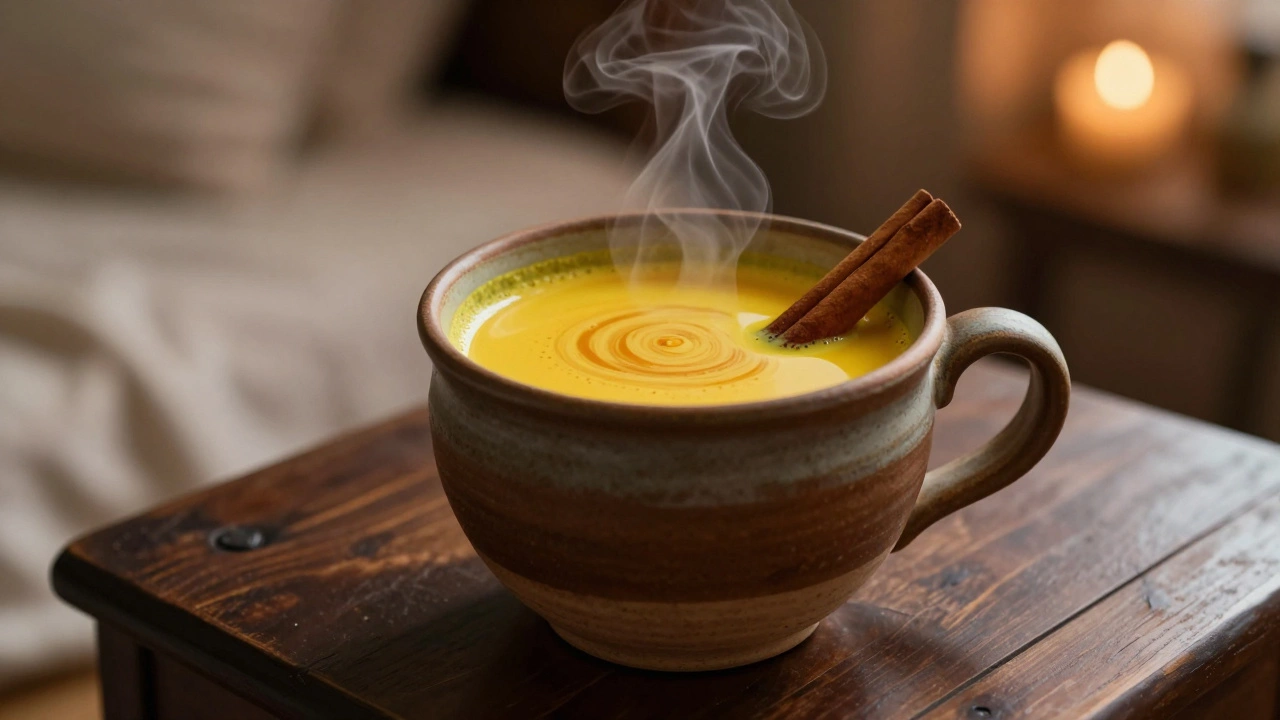
This is perhaps the most classic Indian remedy for a good night's sleep. Turmeric contains curcumin, which has anti-inflammatory properties. When mixed with warm milk, it becomes a soothing drink that calms the mind. Milk is also naturally rich in tryptophan. For an extra boost, add a pinch of black pepper, which increases the absorption of curcumin by up to 2000%. Just avoid adding too much sugar; a little jaggery or honey is fine if you need sweetness.
2. A Handful of Almonds and Walnuts
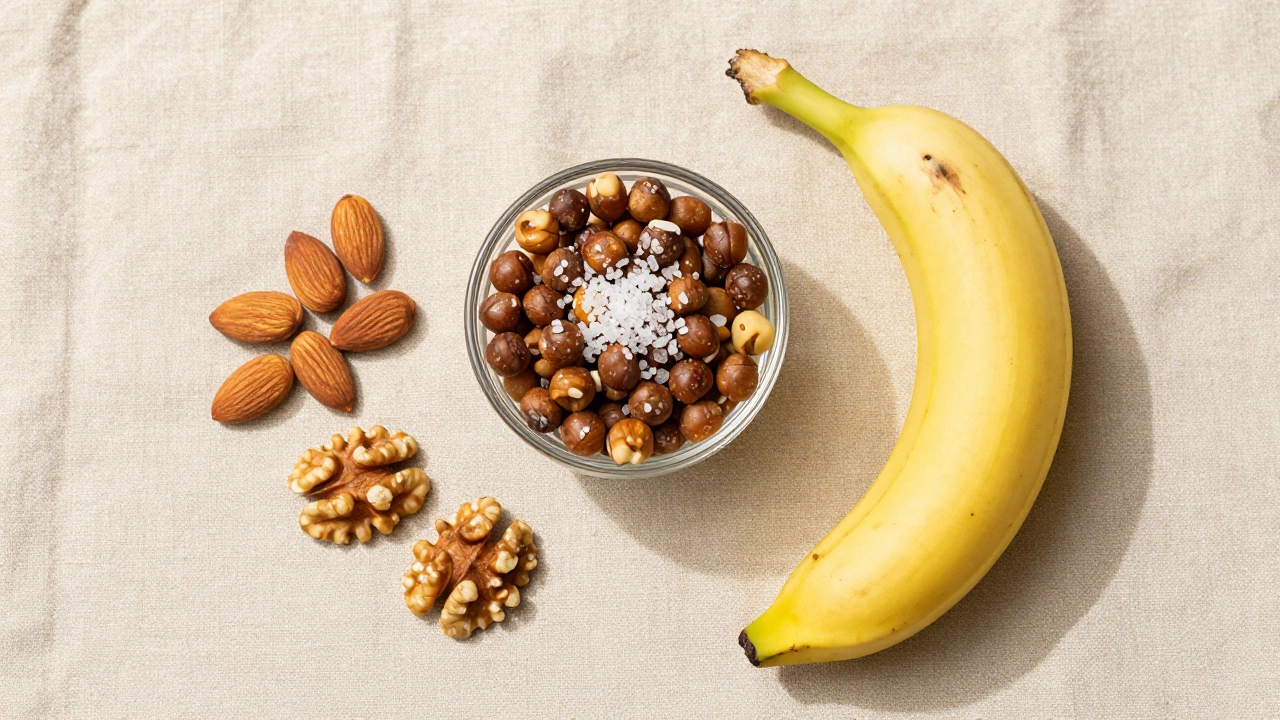
Nuts are powerhouses of nutrition. Almonds are packed with magnesium, which helps lower cortisol levels and promotes relaxation. Walnuts contain omega-3 fatty acids and melatonin precursors. The key here is portion control. Stick to 4-6 almonds and 2 walnut halves. Eating more than this can add unnecessary calories and might make digestion slower due to the high fat content.
3. Roasted Makhana (Fox Nuts)
If you crave crunch, makhana is your best friend. Unlike chips or biscuits, roasted makhana is low in calories and high in fiber. It is also gluten-free and easy to digest. You can roast them with a little ghee and a pinch of rock salt (sendha namak) or turmeric. They provide a satisfying texture without the guilt of processed junk food.
4. Steamed Moong Dal Chilla
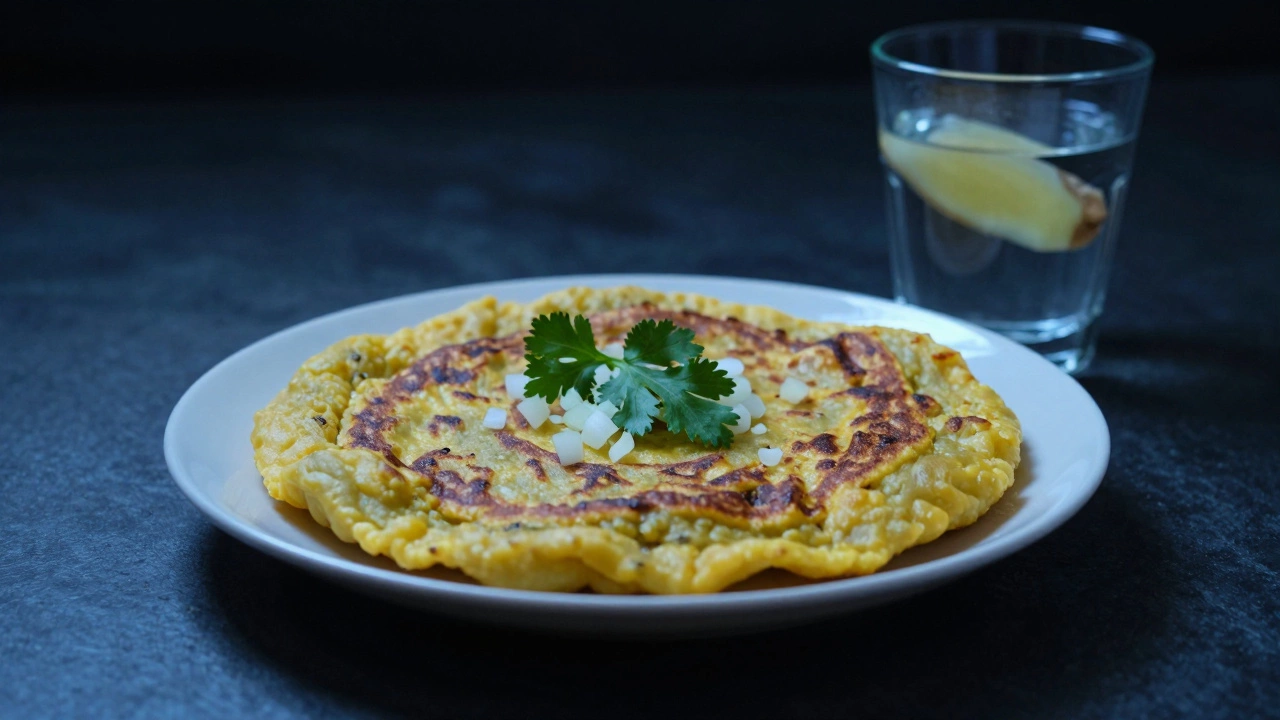
Sometimes, a liquid snack just doesn't cut it. If you are truly hungry, a small moong dal chilla made from sprouted green gram batter is an excellent choice. It is high in protein, which keeps you satiated, and low in fat. Sprinkle some chopped onions and coriander for flavor, but skip the spicy chutneys. The protein in moong dal releases slowly, preventing blood sugar spikes overnight.
5. Banana with a Pinch of Cinnamon
Bananas are rich in potassium and magnesium, both of which act as natural muscle relaxants. They also contain carbohydrates that help transport tryptophan to the brain. Adding cinnamon helps regulate blood sugar levels, ensuring you don't experience a crash later in the night. Choose a ripe banana for easier digestion.
Snacks to Avoid Before Bed
Knowing what to eat is half the battle; knowing what to avoid is the other half. Certain foods can disrupt your sleep cycle or cause digestive distress.
- Spicy Foods: Curries with heavy chili content can raise your body temperature and cause heartburn, making it difficult to fall asleep.
- Caffeinated Beverages: Tea and coffee are common evening habits in India, but caffeine has a half-life of about 5-6 hours. Drinking tea two hours before bed can still leave active caffeine in your system, fragmenting your sleep.
- Sugary Sweets: Laddoos, barfis, and other Indian sweets cause a rapid spike in blood sugar followed by a crash. This fluctuation can wake you up in the middle of the night feeling jittery or hungry again.
- Fried Snacks: Samosas, pakoras, and bhajiyas are high in unhealthy fats and take a long time to digest. Your body will be busy breaking down the oil instead of repairing cells.
Timing and Portion Control
Even the healthiest snack can become a problem if eaten at the wrong time or in large quantities. Aim to finish your snack at least 60 minutes before you plan to sleep. This gives your stomach enough time to begin the digestion process so you aren't lying flat with a full belly.
Portion size is critical. Think of a nighttime snack as a "bridge" to keep you comfortable until morning, not a meal. A general rule of thumb is to keep your nighttime snack under 200-250 calories. For example, a cup of warm milk with turmeric is about 100-120 calories. A handful of nuts is around 150-180 calories. Staying within this range ensures you get the benefits without the drawbacks.
| Snack | Calories (Approx.) | Key Benefit | Digestion Speed |
|---|---|---|---|
| Turmeric Milk | 120 kcal | Sleep induction (Tryptophan) | Medium |
| Almonds & Walnuts | 180 kcal | Magnesium & Omega-3 | Slow |
| Roasted Makhana | 90 kcal | Fiber & Crunch satisfaction | Fast |
| Banana | 105 kcal | Potassium & Muscle Relaxation | Fast |
| Moong Dal Chilla (Small) | 150 kcal | Protein Satiety | Medium |
Hydration Matters Too
Sometimes, what we perceive as hunger is actually thirst. Dehydration can trigger hunger signals in the brain. If you feel peckish late at night, try drinking a glass of water first. Wait 15-20 minutes. If the hunger persists, then reach for one of the healthy snacks mentioned above. Herbal teas like chamomile or ginger tea (without caffeine) are also great hydrating options that soothe the stomach.
Customizing for Your Goals
Your ideal snack depends on your personal health goals. If you are trying to lose weight, focus on high-volume, low-calorie options like cucumber slices with chaat masala or a small bowl of chia seed pudding. If you are an athlete or someone who works out intensely, you might need a bit more protein to aid muscle recovery overnight, making the moong dal chilla or a casein-rich cottage cheese (paneer) option more suitable.
Listen to your body. Everyone’s metabolism is different. Some people sleep better with a small bite, while others prefer an empty stomach. Experiment with these options for a week and track how you feel in the morning. Do you wake up refreshed? Did you stay asleep through the night? That is the true measure of a healthy nighttime snack.
Can I eat fruit at night?
Yes, but choose wisely. Bananas and cherries are excellent choices because they contain melatonin and potassium. Avoid very acidic fruits like oranges or pineapples right before bed, as they might cause heartburn in some people. Also, limit portion sizes to one medium piece of fruit to manage sugar intake.
Is chai okay to drink before sleeping?
Regular chai contains caffeine, which can interfere with sleep quality by blocking adenosine receptors in the brain. If you love chai, switch to decaffeinated tea or herbal infusions like tulsi (holy basil) or ginger tea after 6 PM. These provide warmth and comfort without the stimulating effects of caffeine.
Why does eating late cause weight gain?
Eating late itself doesn't directly cause weight gain; total daily calorie intake does. However, late-night snacks are often high-calorie, low-nutrient foods. Additionally, your body's ability to process glucose decreases slightly at night, meaning excess sugars are more likely to be stored as fat. Consistent late eating can also disrupt circadian rhythms, affecting hormones that regulate appetite.
How much protein should I have in a bedtime snack?
Aim for about 10-15 grams of protein in your bedtime snack if you are focused on muscle maintenance or satiety. This amount is enough to stimulate muscle protein synthesis overnight without overloading your digestive system. Sources include Greek yogurt, a small portion of paneer, or a protein-rich smoothie.
Are there any Indian spices that help with digestion at night?
Yes, several Indian spices aid digestion. Fennel seeds (saunf) are traditionally chewed after meals to reduce bloating. Ginger reduces nausea and speeds up gastric emptying. Cardamom can soothe the stomach lining. Adding a pinch of these to your warm milk or water can enhance the digestive benefits of your nighttime routine.
