What is the Sweet Spice in Indian Food? The Truth About Cardamom, Saffron & More
 Jun, 5 2026
Indian Sweet Spice Pairing Tool
Step 1: Select Your Dessert Type
Step 2: Desired Flavor Profile
Click one or more to combine flavors:
Recommended Spice Blend
Select a dessert and flavor profile above to see recommendations.
Quick Spice Reference
Green Cardamom
Floral, Citrusy, Minty
Best For: Syrup, Milk Puddings, Baking
Saffron
Honey-like, Earthy, Subtle
Best For: Kheer, Rice Dishes, Ice Cream
Nutmeg & Mace
Warm, Nutty, Slightly Bitter
Best For: Custards, Lassi, Halwa
Rose/Kewra Water
Floral, Perfumey, Tropical
Best For: Gulab Jamun, Rasmalai, Drinks
Have you ever tasted a rich, creamy Gulab Jamun is a popular Indian deep-fried milk-solid dessert soaked in sugar syrup or a delicate Kheer is a traditional Indian rice pudding made with milk, sugar, and aromatic spices and wondered what gives that distinct, floral warmth? It’s not just sugar. While Western desserts often rely on vanilla or cinnamon for their signature sweetness, Indian cuisine has its own secret weapon. You are likely tasting Cardamom is a fragrant spice derived from seeds of plants in the Elettaria genus, native to India. But it’s not the only one.
When people ask "what is the sweet spice in Indian food," they are usually hunting for that specific aroma that defines festive tables and wedding feasts across South Asia. It’s a complex profile that balances heat, floral notes, and earthiness. In this guide, we’ll break down the primary spices that create this unique flavor profile, how they differ from savory spices, and exactly how to use them in your kitchen without overpowering your dishes.
The King of Sweet Spices: Green Cardamom
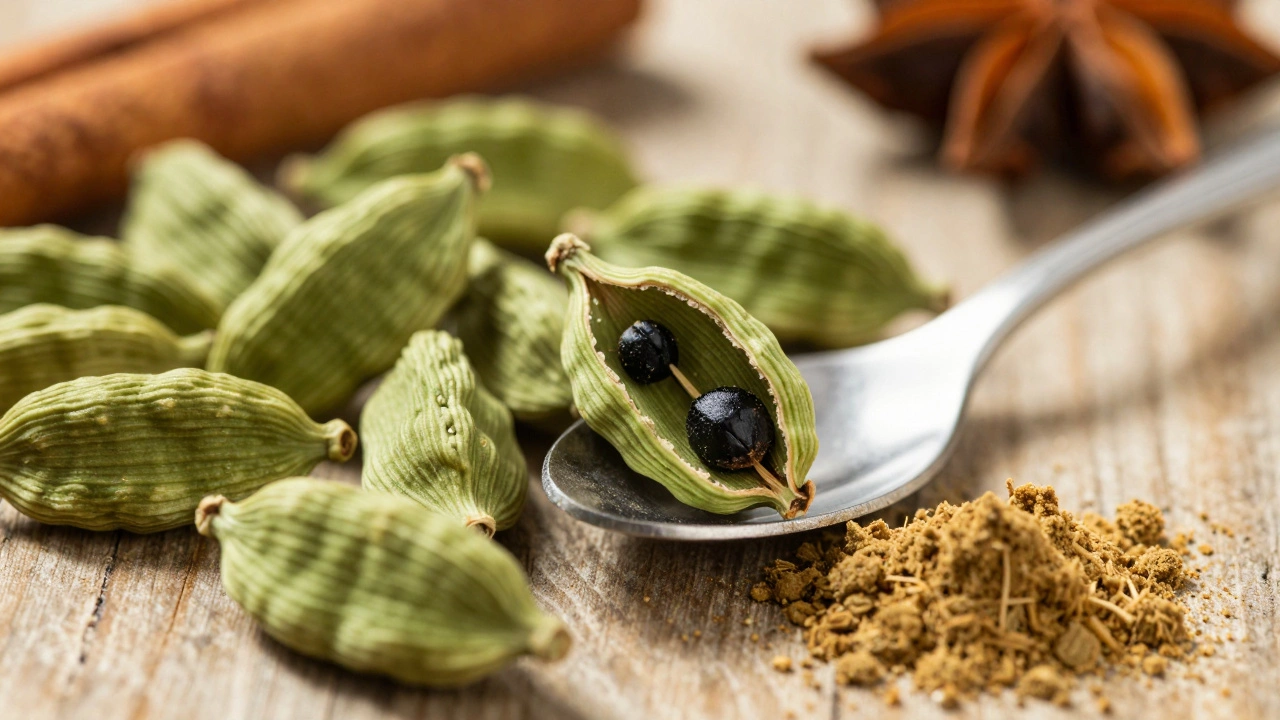
If there is one spice that answers the question definitively, it is green cardamom. Known as Choti Elaichi in Hindi, this small, green pod is the backbone of almost every Indian sweet. Unlike the larger black cardamom, which is smoky and used in savory curries like biryani, green cardamom is intensely floral, citrusy, and sweet.
You will find green cardamom in:
- Sugar Syrup (Chashni): When making Gulab Jamun or Jalebi, cardamom powder is stirred into the boiling sugar water. This infuses the syrup so that when the fried dough absorbs it, every bite carries that aromatic punch.
- Dairy Desserts: In Kheer, Ras Malai, and Phirni, crushed cardamom seeds are sprinkled on top or cooked into the milk. The fat in the dairy helps release the essential oils in the spice, making the flavor pop.
- Baked Goods: Traditional Indian cakes and cookies often use cardamom instead of vanilla extract.
A pro tip: Always crush the pods yourself. Pre-ground cardamom loses its volatile oils quickly and turns bitter. Use the back of a spoon to crack the green pods, then scrape out the tiny black seeds inside. That’s where the magic lives.
The Luxury Accent: Saffron
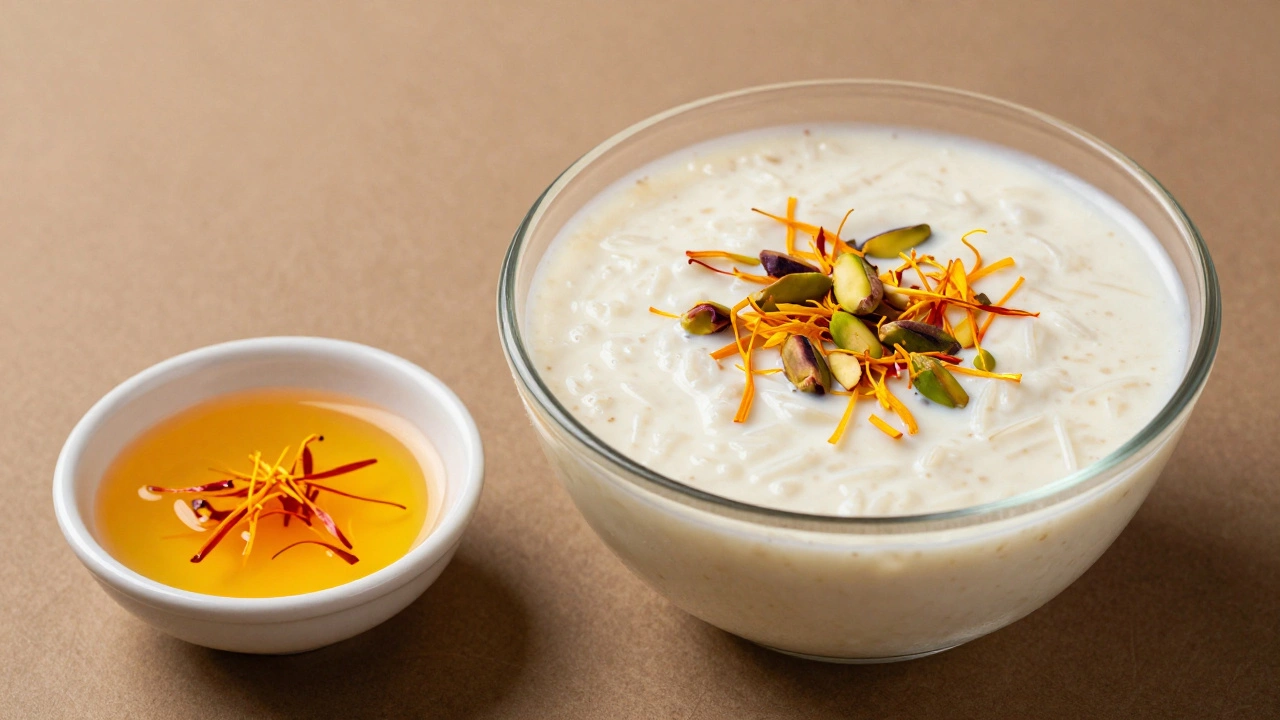
While cardamom provides the scent, Saffron is the dried stigmas of the Crocus sativus flower, known for its golden color and subtle honey-like flavor provides the soul. Often called "red gold" due to its high price, saffron is technically a spice, but in Indian sweets, it acts more like a flavor enhancer and coloring agent.
Saffron doesn’t have a strong taste on its own. If you eat a strand raw, it tastes slightly metallic and bitter. However, when steeped in warm milk or water, it releases a delicate, hay-like aroma with hints of honey and flowers. This makes it perfect for pairing with milky desserts.
| Spice | Flavor Profile | Best Used In | Preparation Tip |
|---|---|---|---|
| Green Cardamom | Floral, Citrusy, Minty | Syrups, Milk Puddings, Baking | Crush whole pods before grinding seeds |
| Saffron | Honey-like, Earthy, Subtle | Kheer, Basmati Rice Dishes, Ice Cream | Steep in warm milk for 15 minutes |
| Nutmeg | Warm, Nutty, Slightly Bitter | Custards, Rich Curries, Lassi | Grate fresh; avoid pre-ground |
| Rose Water | Floral, Perfumey | Gulab Jamun, Rasmalai, Drinks | Add at the very end of cooking |
To use saffron correctly, never throw dry strands directly into cold batter. Instead, take a pinch of saffron threads and soak them in two tablespoons of warm milk or water for at least 10-15 minutes. You will see the liquid turn a vibrant orange-yellow. Pour both the liquid and the softened strands into your dish. This ensures even distribution and prevents those unpleasant crunchy bits in your smooth pudding.
The Warm Undertones: Nutmeg and Mace
Cardamom and saffron get all the glory, but Nutmeg is the hard seed of the Myristica fragrans tree, providing a warm, nutty flavor and its cousin Mace is the reddish lace-like covering around the nutmeg seed, offering a more delicate flavor do the heavy lifting in richer, heavier desserts. These spices belong to the same plant. Nutmeg is the seed; mace is the aril (the web-like covering) surrounding the seed.
In Indian sweets, these are used sparingly. A little goes a long way. Too much nutmeg can make a dessert taste medicinal or bitter. They are most commonly found in:
- Rasgulla and Ras Malai: A tiny pinch of grated nutmeg is added to the chenna (cottage cheese) mixture to give it depth.
- Lassi and Shrikhand: Yogurt-based drinks and desserts often feature a dusting of nutmeg powder on top.
- Halwa: Semolina or carrot halwa uses nutmeg to balance the intense sweetness of ghee and sugar.
Mace is considered superior in flavor but is harder to find and more expensive. If you can find whole mace blades, grind them fresh. They offer a more complex, less pungent taste than nutmeg, making them ideal for delicate milk-based sweets where you don’t want the spice to dominate.
Floral Essences: Rose Water and Kewra
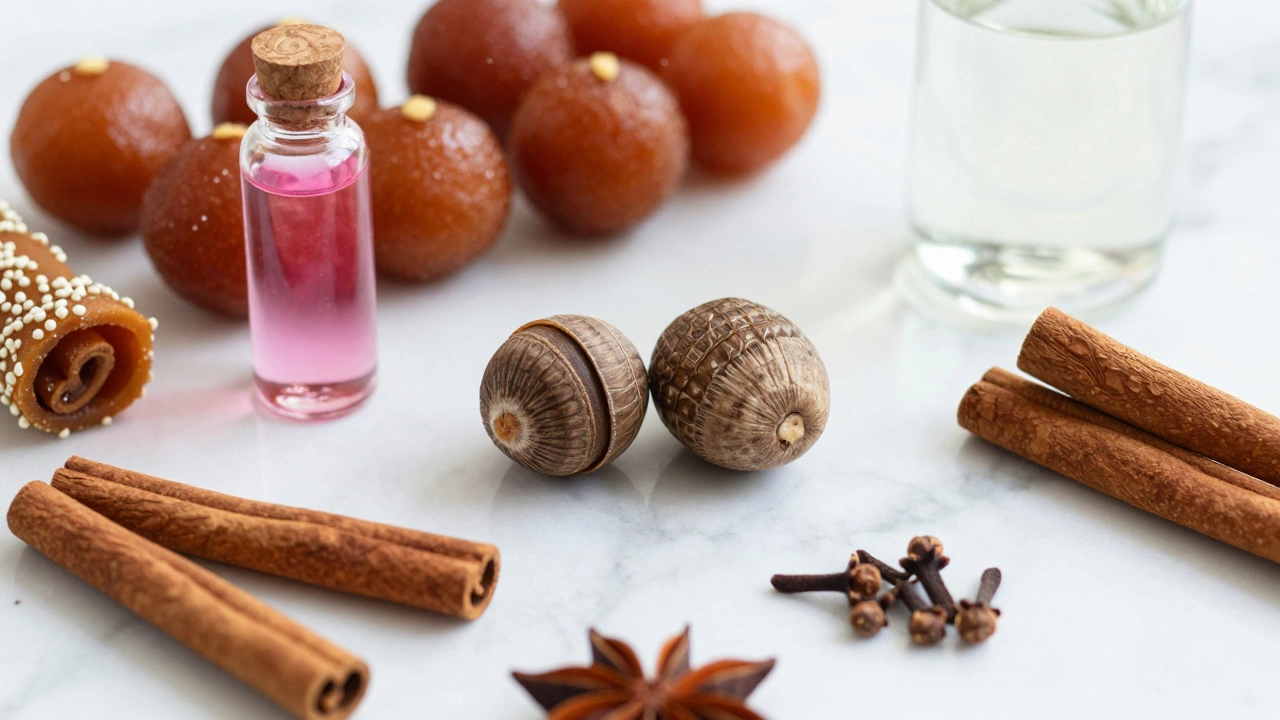
Technically not "spices" in the botanical sense, rose water and kewra water function exactly like sweet spices in Indian culinary tradition. They provide the aromatic lift that defines North Indian Mughlai cuisine.
Rose Water is distilled from rose petals. It has a strong, perfumed scent. Be careful with store-bought varieties; many contain artificial flavors that taste chemical. Look for brands that specify "pure rose water" or "attar." It is best added after the heat is turned off, as high temperatures can evaporate the delicate aromatics.
Kewra Water comes from the screw pine flower. It smells intensely tropical, fruity, and floral. A single drop is enough to flavor an entire pot of kheer. It pairs beautifully with coconut and mango flavors. If you’ve ever had a truly authentic Mango Kulfi, the secret ingredient was likely kewra water.
The Savory-Sweet Bridge: Garam Masala
This is where things get tricky. You might hear someone say, "I put garam masala in my sweet potato curry." Or worse, you might see a recipe for a sweet dish that lists garam masala. Is garam masala a sweet spice?
Generally, no. Garam Masala is a blend of ground spices including cumin, coriander, cloves, black pepper, and cinnamon, typically used in savory dishes is primarily savory. However, it contains Cloves are dried flower buds of the Syzygium aromaticum tree, known for their intense sweetness and numbing quality, Cinnamon is the inner bark of trees in the Cinnamomum genus, offering a sweet, woody flavor, and sometimes cardamom. These individual components are sweet-spicy.
In some regional sweets, particularly in Northern India, a light hand of garam masala is used in fruit-based desserts or rich gravies served with breads like naan during festivals. But for pure sweets like barfi or jalebi, standard garam masala is too hot and peppery. Instead, look for Mithai Masala (Sweet Spice Blend). This is a custom mix containing roasted gram flour, fennel seeds, ginger powder, and a hint of cardamom. It’s tangy, nutty, and sweet-all at once.
How to Store Your Sweet Spices
Even the best spices lose their potency if stored incorrectly. Heat, light, and air are the enemies of flavor. Here is how to keep your cardamom, saffron, and nutmeg fresh for months:
- Airtight Containers: Glass jars with tight-sealing lids are best. Plastic can absorb odors over time.
- Cool and Dark: Don’t store spices above the stove. The steam and heat will degrade them. A cupboard away from direct sunlight is ideal.
- Frozen Saffron: Because saffron is so expensive and sensitive, many chefs store unused strands in a small glass vial in the freezer. This preserves the color and aroma indefinitely.
- Whole vs. Ground: Always buy whole spices when possible. Whole cardamom pods last up to a year. Ground cardamom powder loses its flavor within 3-4 months.
Common Mistakes to Avoid
Newcomers to Indian sweets often make a few predictable errors. Avoiding these will save you from ruined desserts:
- Overpowering the Main Ingredient: If you are making a mango pudding, the mango should shine. Use spices as background support, not the lead singer. Start with half the amount the recipe calls for, taste, and add more if needed.
- Burning the Spices: Never fry cardamom or cinnamon in oil until dark brown unless you want a bitter taste. Toast them lightly on low heat just until fragrant.
- Using Artificial Flavors: While convenient, artificial cardamom or rose flavorings often have a harsh, alcoholic aftertaste. Real spices and waters cost more but deliver a clean, natural finish.
- Ignoring Salt: It sounds counterintuitive, but a pinch of salt enhances sweetness. It balances the palate and makes the floral notes of cardamom stand out more clearly.
Next Steps for Your Kitchen
Now that you know cardamom is the primary answer to "what is the sweet spice in Indian food," you can start experimenting. Begin by buying a small bag of whole green cardamom pods and a tin of pure saffron. Try making a simple Kesar Pista Kheer (Saffron and Pistachio Rice Pudding). It requires only milk, rice, sugar, cardamom, saffron, and pistachios. It’s forgiving, delicious, and teaches you how these spices interact with dairy.
If you prefer baking, swap vanilla extract for cardamom powder in your next batch of sugar cookies. You’ll be surprised by how exotic yet familiar they taste. Remember, the goal is harmony. Indian sweets are about balance-between sweet and sour, soft and crunchy, and floral and earthy. Master these spices, and you master the heart of Indian dessert culture.
Is cardamom the only sweet spice used in Indian food?
No, while green cardamom is the most common, other sweet spices include saffron, nutmeg, mace, cloves, cinnamon, and rose water. Each adds a different layer of flavor, from floral to nutty to warm.
Can I use black cardamom in sweets?
It is generally not recommended. Black cardamom has a strong smoky, camphor-like flavor that is better suited for savory dishes like biryanis and stews. Green cardamom is preferred for its sweet, floral notes.
What is the difference between cardamom and cinnamon in Indian sweets?
Cardamom is floral and citrusy, often used as the primary aroma. Cinnamon is warmer, sweeter, and woodier. Cinnamon is often used in smaller quantities or in combination with other spices, whereas cardamom can stand alone.
How do I activate saffron for maximum flavor?
Steep the saffron threads in warm milk, water, or cream for at least 10-15 minutes before adding them to your dish. This releases the color and flavor compounds effectively. Do not add dry strands directly to cold ingredients.
Why does my cardamom taste bitter?
Bitterness usually comes from using old, pre-ground cardamom powder or burning the seeds while grinding/toasting. Always use fresh whole pods, crush them gently, and grind only the seeds. Discard the tough outer shell.
Can I substitute rose water with anything else?
If you don't have rose water, you can try orange blossom water for a similar floral note, though it tastes slightly different. Alternatively, increase the amount of cardamom or use a drop of kewra water for a tropical twist.
What is Mithai Masala?
Mithai Masala is a special blend of spices specifically for sweets. It typically includes roasted gram flour, fennel seeds, ginger powder, and cardamom. It adds a tangy, nutty complexity to rich desserts like halwa and burfi.
